









Top 10 Tech Startups Hiring Junior Developers in Micronesia in 2026
By Irene Holden
Last Updated: April 14th 2026
Too Long; Didn't Read
Micronesian Digital Solutions and Tides Analytics are the top tech startups hiring junior developers in 2026, with MDS leveraging a $5M funding milestone and Tides Analytics offering stable roles through government contracts. They excel in Micronesia's ecosystem, supported by Compact funding and close-knit communities, providing hands-on experience in e-governance and data analytics for local talent.
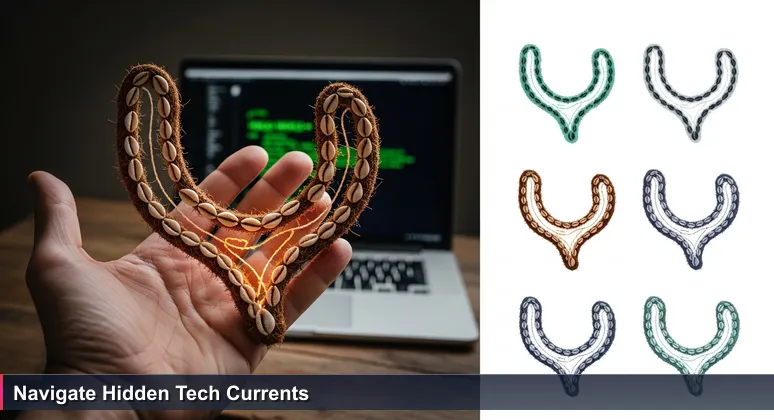
The most important pathways in our waters aren't the ones you can see from the shore. They are the deep, consistent currents charted by shells and memory - the ones that lead to the richest fishing grounds. In 2026, a global narrative warns of a 67% hiring collapse for junior developers, creating paralyzing fear for new coders from Pohnpei to Chuuk.
Yet, Micronesia’s tech ecosystem operates on a different map. Fueled by Compact funding, regional development programs, and close-knit island communities, a cohort of homegrown startups is actively charting new courses. The "currents" of opportunity here are not generic job boards but the specific flows of grant funding, cultural preservation projects, and software built for island resilience.
The evidence is tangible. In 2025, local startups were part of a landmark $5M regional equity funding milestone, creating significant runway for growth. Companies are not just surviving; they are seeking junior developers who bring bilingual skills and intrinsic understanding of local community dynamics to their crews.
This list reveals the top startups creating these opportunities. They are building the essential digital infrastructure for our islands, from e-governance platforms to ocean health AI, and they need you to help navigate the way forward.
Table of Contents
- Charting New Courses in Micronesia
- Blue Pacific Devs
- Island Code Works
- Yap Tech Hub
- Pacific Data Systems
- Oceanic AI Labs
- Kaselehlie Cloud
- Connect Pacific
- SteadyGig FSM
- Tides Analytics
- Micronesian Digital Solutions
- Navigating Your Job Search
- Frequently Asked Questions
This guide to AI careers in the Federated States of Micronesia covers everything from skills to funding.
Blue Pacific Devs
Forging a different path, Blue Pacific Devs operates as a software cooperative building essential humanitarian and climate resilience tools. Their flagship product is the "Pacific Relief" coordination platform for disaster response agencies across the FSM, a critical piece of infrastructure in our region. Their tech stack prioritizes reliability and offline functionality, acknowledging the reality of island connectivity.
With a distributed team of 15 remote developers across Pohnpei, Chuuk, Yap, and Kosrae, they are funded primarily through grants from regional development partners and humanitarian organizations. Their cooperative structure is foundational to why they hire juniors, built on a transparent mentoring model where new hires gain rapid ownership of modular components like donor reporting features or SMS alert systems.
For aspiring developers, this environment offers unique insight. Juniors see how projects are scoped, funded, and delivered from day one, providing a holistic view of tech for social impact. To stand out, applicants should demonstrate interest in community-driven solutions. A portfolio project that solves a small, local problem - like a typhoon prep checklist app - will resonate more than generic tutorials. Monitoring regional grant and project announcements can provide early signals of their upcoming work and hiring needs.
Island Code Works
Specializing in the vital sector of island tourism, Island Code Works focuses on digitalizing small businesses across Micronesia. They maintain the popular "Micronesia Stay" booking platform and develop custom solutions for local hotels and tour operators, using a stack that includes React, Laravel, and Flutter to prioritize user-friendly design for non-tech-savvy owners.
This boutique team of under 20, primarily based in Pohnpei with strong ties to Chuuk's tourism sector, generates revenue through retainer packages and project work. This business model creates a consistent need for junior developers to handle the high volume of website maintenance, content updates, and rapid feature requests from their diverse client base.
For a junior, this environment offers invaluable, broad exposure. You’ll engage with the full client lifecycle - from initial request and scoping to deployment and ongoing support - building not just technical skills but essential client communication abilities. To apply successfully, showcase design sensibility and clear communication. Building a simple, clean website for a fictional local business demonstrates practical skill. As noted in regional tech analyses, their success hinges on making technology accessible, so the ability to explain technical choices in simple terms is as valuable as the code itself.
Yap Tech Hub
Blending modern technology with deep cultural heritage, Yap Tech Hub operates as an EdTech and cultural preservation cooperative. They develop offline-capable Learning Management Systems (LMS) for remote schools and undertake digital projects documenting traditional navigation and language, ensuring vital knowledge persists for future generations.
As a community-driven cooperative of about 10 core contributors, their funding combines cultural grants, modest software licensing, and support from the FSM Department of Education. This mission-driven focus defines their hiring: they recruit junior developers for passion and cultural fluency over pedigree. Juniors work at the intersection of modern tech - like building progressive web apps for offline use - and deep cultural context, engaging in participatory design and open-source solutions that serve their home islands directly.
For applicants, this means your intrinsic understanding of island life is a core asset. Contributing to an open-source project, even through documentation or a small bug fix, demonstrates collaborative skill. Crucially, express a genuine interest in how technology can preserve and amplify traditional knowledge, not replace it. As recognized among the innovative software companies in the region, their work requires developers who are as comfortable with code as they are with the cultural fabric it aims to support.
Pacific Data Systems
Anchored in the heart of Chuuk's maritime industry, Pacific Data Systems (PDS) builds critical software that connects traditional fishing with modern technology. Based in Weno, they develop catch reporting apps and maritime software for small-scale fishers, working with IoT data from boat sensors, satellite synchronization for offline areas, and interfaces for rugged hardware.
With a growing engineering team of around 25, PDS has secured development funding from fisheries management bodies and explores partnerships with regional telecommunications providers. Their hiring strategy is uniquely integrated with local education; they have a formal commitment to providing IT training to students from the College of Micronesia-FSM's Maritime Academy and other vocational schools, creating a direct talent pipeline.
Juniors often start by maintaining and enhancing the data dashboards used by fishing cooperatives in Chuuk Lagoon, gaining hands-on experience with real-world data that informs sustainable practices. For applicants, demonstrating an understanding of low-connectivity challenges is key. A basic knowledge of sensors or experience with data visualization libraries will make your application stand out. Actively check specialized boards like those for maritime and logistics tech in the Pacific, where PDS and similar impactful companies post their opportunities.
Oceanic AI Labs
Venturing into the frontier of applied science, Oceanic AI Labs is a remote-first startup harnessing machine learning to protect Micronesia's most vital resource: the ocean. They develop AI models to analyze satellite and drone imagery for critical issues like coral reef bleaching, illegal fishing detection, and coastal erosion patterns, translating data into actionable environmental insights.
This small, agile team of 12, with developers in Palau, Pohnpei, and Guam, is seed-funded through a combination of an Asian Development Bank (ADB) climate grant and angel investment from the Pacific diaspora. For junior developers, this represents a unique, direct pathway into the AI field through a pressing local application. They hire hungry learners to help label and manage training data, build simple front-end interfaces for researchers, and optimize models for edge computing on boats and field devices.
The barrier to entry is lower than many assume. You don't need a PhD. Demonstrate initiative by completing an online course in Python for data science and creating a small project using a public environmental dataset. The key is to show you can frame a local island issue - like monitoring mangrove health or fish populations - as a solvable data problem. This practical skill set is increasingly valuable, as demand grows for the specialized AI jobs needed to steward our regional environment.
Kaselehlie Cloud
Addressing a fundamental need for digital security and modernization, Kaselehlie Cloud offers tailored cloud infrastructure and cybersecurity services to Micronesian government agencies and small businesses. Their work involves migrating legacy systems to secure, locally compliant cloud environments, a critical step in the region's digital transformation.
With approximately 30 employees headquartered in Kolonia, Pohnpei, their stability is signaled by multi-year contracts with several FSM national departments and funding linked to the US Compact-impact sector. As demand for robust digital infrastructure grows, they are scaling rapidly and hiring junior developers and cloud associates to handle implementation, client support, and system monitoring tasks.
This creates a structured, in-demand career path into the high-growth fields of cybersecurity and DevSecOps right from Pohnpei. For applicants, demonstrated initiative through certifications is highly valued. Pursuing an entry-level cloud certification, such as AWS Cloud Practitioner or Azure Fundamentals, can significantly strengthen your application. Engaging with local professional networks is also key; they often share insights and opportunities in groups like the "Micronesian Digital Professionals" community online, which serves as a hub for the region's growing tech ecosystem.
Connect Pacific
Focused on one of the region's most pressing challenges, Connect Pacific is dedicated to bridging the digital divide with innovative connectivity solutions. They develop software for mesh networking, create low-bandwidth communication apps, and manage community Wi-Fi hotspots in outer islands, ensuring communities stay linked despite geographical and infrastructural barriers.
Their team of 35 engineers and field technicians is supported by revenue from hardware-software bundles and grants from development programs aimed at digital inclusion. This mission creates a unique niche for junior developers. Field deployment demands software that is incredibly robust and simple, leading Connect Pacific to hire juniors to test software in simulated low-bandwidth conditions, build diagnostic tools, and create user guides in local languages.
For applicants, your lived experience is a direct professional asset. Understanding the real constraints of island internet - something you likely know intimately - is crucial. A powerful way to demonstrate this is by trying a practical project: build a simple chat app that stores messages locally when offline and syncs upon reconnection. This skillset is increasingly valuable as remote and infrastructure-focused tech opportunities grow across Micronesia, turning a common challenge into a specialized skill.
SteadyGig FSM
Empowering the islands' growing freelance economy, SteadyGig FSM operates a platform that connects Micronesian talent with remote work opportunities globally and within the regional government sector. Built with React, Node.js, and integrated payment gateways, the platform itself is a product of local engineering.
The company, with 40 employees, has achieved sustainability through transaction fees and a strategic partnership with a major Pacific telecommunications provider. Their expansion now includes growing their own engineering team, creating a meta-opportunity: they hire junior developers to improve the very platform designed for developers and other freelancers.
This results in an intuitive and impactful entry point. Juniors gain full-stack experience by working on features like profile builders, search algorithms, and client escrow systems for a product they naturally understand. The most effective application strategy is to first become a user. Create a freelancer profile on their platform, then propose thoughtful improvements or identify specific bugs in your application. This demonstrates product thinking and genuine engagement, showing you can contribute to the evolving landscape of remote work infrastructure crucial for Micronesia's economic future.
Tides Analytics
In a world increasingly driven by information, Tides Analytics serves as a crucial translator, transforming raw public and private sector data in Micronesia into actionable insights. They work with diverse datasets - from census figures and health records to tourism arrival statistics - using tools like Python, R, and Tableau to inform policy and business decisions across the islands.
With a team of 50 employees, their stability is anchored by recurring revenue contracts with multiple government ministries and regional bodies. This scale allows them to actively hire for "data associate" roles, which serve as a fantastic launchpad for juniors. In these positions, you'll assist with the essential groundwork of data cleaning, visualization, and report generation, gaining direct exposure to how data shapes the future of the region.
To stand out in your application, move beyond listing skills to demonstrating them. Polish your data storytelling by taking a public dataset from the FSM Statistics Office or Pacific Community (SPC) and creating a clear, visually compelling one-page report. This practical demonstration of your ability to find meaning in local data will outweigh a generic resume, directly aligning with the growing demand for analytical roles that understand our unique island contexts.
Micronesian Digital Solutions
Serving as the region's premier software house, Micronesian Digital Solutions (MDS) charts the digital future of essential services. Headquartered in Palikir, Pohnpei, they build critical e-governance platforms and develop blockchain-based systems for transparent fishing permit and quota management, with a tech stack optimized for our low-bandwidth island environments.
Their team of 45 employees gained significant momentum in 2025 as part of a landmark $5M regional equity funding milestone, providing the runway to scale. MDS is renowned for a powerful "build local" ethos, actively seeking and training junior developers, particularly those who are bilingual, to ensure their national-level software is adopted and supported within communities from the ground up.
For applicants, this means your local knowledge is your ultimate competitive edge. While contributing to an open-source project using their stack (React, Node.js) shows foundational skill, your application must articulate how your understanding of community dynamics in Pohnpei, Chuuk, Yap, or Kosrae would directly improve user testing and adoption of a public service. This blend of technical skill and cultural fluency is why they are consistently listed among the best software companies serving our islands.
Navigating Your Job Search
Your first developer role within a Micronesian startup offers a distinct voyage: faster learning, greater ownership, and broader responsibilities compared to traditional corporate paths. The tradeoffs - less formal structure and variable pay - are real, making it crucial to read the local currents for stability. Look beyond websites for signals like grant funding from bodies such as ADB or JICA, partnerships with established local employers like national departments or telecoms, and a clear product serving a tangible island need.
To find these opportunities, you must consult the right charts. Global job boards often miss the specific currents of our region. Your map includes several dedicated channels:
- Regional Platforms: Monitor specialized boards like Startup.jobs for Micronesia and remote-work hubs; platforms like Himalayas listed 127+ jobs for the FSM in early 2026.
- Local Networks: Engage with Facebook and Telegram groups such as "FSM Tech Talk." In our close-knit communities, many opportunities are shared by word-of-mouth.
- Institutional Pipelines: Connect with career services at the College of Micronesia-FSM and University of Guam. The FSM EdTech Collective runs coding bootcamps in Kolonia and Weno that act as direct recruiting funnels.
- Regional Incubators: Follow startup accelerators in Pacific hubs like Guam and Palau; companies that graduate often expand hiring across our islands.
The journey begins by recognizing that your intrinsic understanding of these islands, combined with new technical skills, forms the most reliable navigational tool for building a career here.
Frequently Asked Questions
Is it true that Micronesia has a growing number of tech startups hiring junior developers, or is this just hype?
Yes, the tech ecosystem in Micronesia is genuinely expanding, with startups like Micronesian Digital Solutions securing $5M in funding and actively hiring. Despite global trends of a 67% hiring collapse, local startups are fueled by Compact funding and regional development programs, creating real opportunities for junior developers across islands.
How did you determine which startups made the top 10 list for junior developers?
Startups were ranked based on their impact, training culture for juniors, and commitment to building local talent. For instance, MDS is renowned for its 'build local' ethos, while Blue Pacific Devs emphasizes mentoring through online workshops and community projects in Pohnpei, Chuuk, Yap, and Kosrae.
What can I expect in terms of salary as a junior developer at these Micronesian startups?
Salaries vary but are competitive, with startups like Kaselehlie Cloud offering stable packages due to multi-year government contracts and Compact funding. Many roles also include training opportunities or equity, making them valuable for launching a career in the region's tech ecosystem.
Are these startup jobs remote-friendly for developers living across Pohnpei, Chuuk, Yap, and Kosrae?
Yes, many startups, such as Blue Pacific Devs and Oceanic AI Labs, are remote-first with distributed teams across the islands. This remote-work-friendly setup is supported by the close-knit communities and initiatives like digital inclusion programs from Connect Pacific.
What are the most sought-after skills for junior developers in Micronesia's tech ecosystem in 2026?
Key skills include full-stack development with React and Node.js, data science using Python, and cloud certifications like AWS Cloud Practitioner. Startups like Tides Analytics prioritize data storytelling, while Connect Pacific values experience with low-bandwidth solutions for outer island connectivity.
Understand tech jobs in Micronesia where skills trump degrees through this comprehensive guide.
Discover the top industries in Micronesia seeking AI professionals in 2026.
This resource provides insights into 2026 AI events in the Federated States of Micronesia.
Find out about the key employers for cybersecurity professionals in Micronesia in this insightful article.
Read about digital transformation and tech careers in Micronesia in this detailed guide.

Irene Holden
Operations Manager
Former Microsoft Education and Learning Futures Group team member, Irene now oversees instructors at Nucamp while writing about everything tech - from careers to coding bootcamps.