









Cost of Living vs Tech Salaries in Micronesia in 2026: Can You Actually Afford It?
By Irene Holden
Last Updated: April 14th 2026
Key Takeaways
Yes, you can afford a tech life in Micronesia in 2026, but it depends heavily on whether you're earning a local salary or a remote international wage. Local IT roles average around $2,500 monthly, requiring careful budgeting for high costs like $0.45 per kWh electricity, while remote workers earning $120,000 annually can comfortably cover expenses and enjoy the island lifestyle through strategies like using Starlink's $50 internet and leveraging close-knit communities in Pohnpei, Chuuk, Yap, or Kosrae.
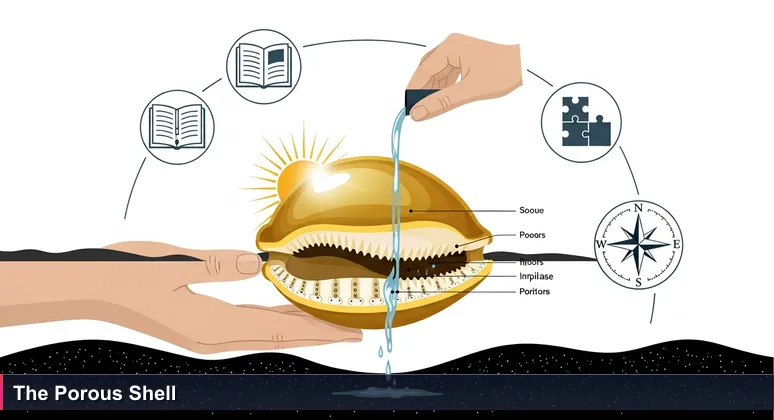
You find the perfect shell on a black sand beach in Pohnpei - smooth, unbroken, gleaming in the afternoon sun. It feels like a small treasure, a vessel of potential. But when you try to pour water into it, the liquid seeps out through nearly invisible pores and vanishes into the sand. This is the perfect metaphor for building a tech life in the Federated States of Micronesia (FSM). The initial allure - lower rent, stunning nature, a slower pace - is undeniable. Yet, your budget can drain away through hidden costs.
For tech professionals, these "pores" are real: electricity costs of around $0.45 per kWh lead to monthly bills of $200-$400 with air conditioning. While FSM Telecom's internet plans can be costly, services like Starlink have disrupted the market, offering ~100Mbps for about $50 per month and making serious remote work viable. However, imported goods carry a 25%-50% premium, and local tech salaries, while a step up from national averages, range widely; a Software Engineer might earn between $848 and $3,569 monthly.
The central question this guide answers isn't just about salary numbers. It's whether you can patch those budget leaks with local knowledge, smart strategy, and the right opportunities to achieve not just survival, but comfort and a profoundly rewarding career. Some, as chronicled in accounts of moving to Pohnpei, successfully trade high-stress for a "healthier type of busy," weaving their tech work into the island's sustainable ecosystem.
In This Guide
- Unveiling the True Cost of Tech Life in Micronesia
- Housing Costs Across Micronesia's Islands
- Utilities and Connectivity: Budget Killers Revealed
- Food, Transport, and Healthcare: Managing Import Premiums
- Local Tech Salaries: What to Expect in 2026
- Remote Work: The Game-Changer for Tech Professionals
- Three Budget Scenarios: From Entry-Level to Remote Pro
- Strategies to Stretch Your Tech Income
- Building a High-Value Career with Nucamp Bootcamp
- Conclusion: Redefining Wealth in the Island Context
- Frequently Asked Questions
This guide to AI careers in the Federated States of Micronesia covers everything from skills to funding.
Housing Costs Across Micronesia's Islands
Housing is your largest fixed expense, and its availability, cost, and quality vary dramatically across the four states. Land ownership is generally restricted to citizens, making rental or long-term lease arrangements the standard for professionals and expatriates alike.
Pohnpei: The Administrative Hub
As the national and state capital, Pohnpei offers the most developed rental market. In the Colonia and Palikir areas, a decent one-bedroom apartment typically costs between $600 and $1,200 per month. Modern, furnished family homes can range from $1,580 to $3,000. Resources like Travelocity's listings for Federated States of Micronesia apartments can provide a snapshot, but local networks are often more reliable for finding the best options.
Chuuk, Yap, and Kosrea: Limited Commercial Markets
Outside Pohnpei, the commercial rental market shrinks significantly. In Chuuk (Weno), housing is often tied to employers or specific compounds, with short-term hotel rates being common for newcomers. In Yap (Yap Town) and Kosrae (Lelu), the markets are extremely limited. Many professionals on contracts utilize long-term stays at resorts, where nightly rates of $116-$148 translate into substantial monthly costs if no housing allowance is provided.
Actionable Takeaway: Your housing strategy must be island-specific and community-oriented. For a reliable procedural guide, Jarnias Cyril's complete guide to finding housing in Micronesia is an invaluable resource. Success often depends on leveraging local connections within the close-knit communities of each state to find unadvertised opportunities.
Utilities and Connectivity: Budget Killers Revealed
If housing is your largest fixed cost, utilities are where your monthly budget becomes porous. For tech professionals, reliable power and internet are non-negotiable, yet they represent significant and volatile recurring expenses that can derail financial plans.
The High Cost of Power
Electricity in the FSM is almost entirely diesel-generated, making it exceptionally expensive. Residential rates average approximately $0.45 per kWh. For example, the Chuuk Public Utility Corporation lists rates around $0.4978/kWh. A household using air conditioning regularly can easily see monthly bills soar to $200-$400. This makes energy independence through solar panels a strategically sound investment for any tech worker planning a long-term stay.
The Connectivity Revolution
Internet has historically been a major bottleneck. Traditional providers like FSM Telecom offer "Kaboom" plans ranging from $49 for 10Mbps to $297 for 60Mbps. However, the arrival of Starlink has been a genuine game-changer for the remote work ecosystem. For about $50 per month plus a one-time hardware fee, users can get speeds around 100Mbps. This reliable, high-speed connection is the single biggest factor enabling serious software development, AI engineering, and remote collaboration from even the outer islands, effectively patching one of the most critical leaks in the tech lifestyle budget.
Food, Transport, and Healthcare: Managing Import Premiums
Beyond housing and utilities, three essential areas - food, transport, and healthcare - are deeply shaped by the realities of an island import economy. Mastering these costs is less about pinching pennies and more about strategic adaptation and essential risk management.
Groceries: The Local vs. Imported Divide
Your food budget reveals a clear choice. Fresh fish, taro, bananas, and local vegetables from the market are affordable and plentiful. However, anything imported - dairy, cereal, canned goods, or certain meats - carries a 25%-50% price premium over prices in regional hubs like Guam or Hawaii. A lifestyle overly reliant on imported goods will strain your finances, while embracing local staples leads to significant savings and a healthier diet.
Transportation: Island Taxis to Island Hoppers
Within state centers like Colonia in Pohnpei, shared "island taxis" offer an affordable solution at $1-$2 per ride. For true independence, a personal vehicle is standard, but fuel costs are high, often exceeding $5.00 per gallon. Inter-island travel for work or family relies on expensive commercial flights; budgeting for this as a periodic, not regular, expense is key. The broader investment climate in Micronesia notes infrastructure challenges that contribute to these transportation costs.
Healthcare: The Non-Negotiable Insurance Line Item
This is the most critical budget category. While basic care is available locally, serious medical conditions require medevac to Guam or Honolulu. A single emergency flight can cost $20,000 to $50,000 or more. Therefore, comprehensive international health insurance that includes medevac coverage is not an optional luxury; it is an absolute necessity for any tech professional or their family living in FSM, as highlighted in accounts of expatriate life in the islands.
Local Tech Salaries: What to Expect in 2026
Your financial viability in Micronesia's tech scene hinges on which side of the salary equation you land. Local tech salaries are modest but represent a significant step up from the national average, funded primarily by public institutions and development grants. According to comprehensive data from Paylab's 2026 salary information for Information Technology in Micronesia, monthly gross salaries for key roles are tiered as follows:
| Role | Monthly Gross Salary (Average) |
|---|---|
| IT Director | $3,425 |
| IT Architect | $2,827 |
| Lead Developer | $2,737 |
| IT Manager | $2,467 |
| Software Engineer | $848 - $3,569 (wide range based on experience) |
| General IT Range | $783 - $2,797 |
These salaries are primarily paid by major local employers such as the FSM National and State Governments, the College of Micronesia-FSM, and the FSM Telecommunications Corporation (FSMTC). A crucial driver of opportunity is the influx of Compact sector grants and funding from regional development partners like the Asian Development Bank and UN agencies, which finance digital transformation and data management projects requiring local tech talent.
Experts describe the local market not as an "employment El Dorado" but as a niche for qualified profiles in these funded projects. For Micronesians aiming to reach these salary brackets, acquiring in-demand skills is essential. Accessible, practical education programs, such as the Back End, SQL and DevOps with Python bootcamp (16 weeks, US$2,124), provide a direct bridge to these higher-value roles within the local and regional development ecosystem.
Remote Work: The Game-Changer for Tech Professionals
While local salaries provide a foundation, securing a remote role with a company based in the U.S., Australia, or other international markets fundamentally changes the affordability calculus. This is the single most effective strategy for patching the budget leaks inherent in island life.
Analyses of the job market confirm that remote tech positions that can be performed from Micronesia often pay between $50,000 and $200,000 annually. A software developer earning a midpoint of $120,000 per year (or $10,000 per month) operates on a completely different financial plane than the local market. This level of income allows you to comfortably cover FSM's high costs for premium housing, comprehensive healthcare with medevac, reliable Starlink internet, and a balanced diet, while still building substantial savings and investments.
The pathway to these opportunities is through high-value, in-demand skills. Specializing in AI, full-stack development, or data science opens doors to the global remote marketplace. For example, practical, project-based training through a Solo AI Tech Entrepreneur Bootcamp equips you to build and deploy applications for international clients or employers directly from Pohnpei or Kosrae. This model turns the islands' geographic isolation into a professional advantage, offering a tranquil environment for deep work while connecting to a global economy.
Three Budget Scenarios: From Entry-Level to Remote Pro
To translate costs and salaries into a practical reality, let's examine three monthly budget scenarios for a single professional, assuming residence in Pohnpei. These tiers illustrate how different income levels interact with the unique economic landscape of FSM.
| Category | Tier 1: Entry-Level (~$1,800-$2,500/mo) | Tier 2: Mid-Career Specialist (~$3,000-$4,500/mo) | Tier 3: Remote Tech Pro ($5,000+/mo) |
|---|---|---|---|
| Housing | $300 (shared/basic room) | $800 (comfortable 1BR in Colonia) | $1,500+ (modern house/apartment) |
| Utilities | $100 (fans only, basic data) | $250 (partial A/C + Starlink) | $450 (full A/C + Starlink) |
| Food | $300 (heavy local focus) | $600 (mix of local & imported) | $900+ (freedom to import) |
| Transport | $50 (walking/shared taxis) | $200 (used car & fuel) | $400 (newer car, exploration) |
| Telecom | $50 (basic mobile plan) | $100 (Starlink + mobile) | $200 (top-tier connectivity) |
| Health/Insurance | $50 (basic local coverage) | $300 (comprehensive regional plan) | $500 (premium int'l + medevac) |
| Savings/Misc | $150 | $750 | $1,050+ |
Tier 1 Verdict: This budget, typical for a recent graduate or junior developer in a government office, is compromised but possible. It requires a local-focused lifestyle with shared housing, no personal vehicle, and minimal imported comforts. As noted in broader cost of living analyses for Micronesia, this tier leaves little margin for error or travel.
Tier 2 Verdict: An IT Manager or Lead Developer for a local institution can achieve modest comfort. This tier supports reliable internet for upskilling, essential health security, and a used car, but requires careful budgeting for inter-island travel. Pohnpei is ideal; other states are feasible with employer housing support.
Tier 3 Verdict: A remote software engineer or AI specialist earning an international salary enjoys comfort and flexibility. This income level allows for premium housing, freedom to travel, investment in home solar systems, and significant savings, making any island with Starlink coverage a viable home base.
Strategies to Stretch Your Tech Income
Affordability in Micronesia isn't passive; it's an active skill of weaving local resources with smart strategy. To patch the leaks in your budget, you must work with the island's logic, not against it.
Embrace the Subsistence Balance
Significantly reduce food costs and increase personal resilience by integrating with local rhythms. Fishing, growing a small garden of greens or root crops, and trading with neighbors transforms your relationship with cost. As highlighted by those who've made the move, this trade of high-stress for a "healthier type of busy" is a cornerstone of sustainable island living.
Invest in Energy Independence
Given power costs of roughly $0.45 per kWh, a solar panel setup for essential loads - lights, fans, laptops, and internet routers - can pay for itself within a few years. This upfront investment is one of the most financially savvy moves a remote tech professional can make, directly offsetting the most volatile utility bill.
Leverage Community and Strategic Logistics
In the close-knit communities across all four states, your network is your strongest asset. It's how you learn about unadvertised housing, find casual labor, and get support during outages. On a practical level, master consolidated shipping schedules for major purchases and consider group orders with colleagues to slash freight costs on everything from electronics to appliances.
Acquire High-Value, Portable Skills
The ultimate strategy for stretching your income is to increase its source. Investing in skills that are valuable both in local Compact-funded digital projects and the global remote market is key. Affordable, flexible upskilling through programs like the AI Essentials for Work bootcamp (15 weeks, US$3,582) can directly bridge the gap to higher earning potential, patching the budget leak for good.
Building a High-Value Career with Nucamp Bootcamp
For Micronesians and residents aiming to access higher salary tiers, the critical bridge is acquiring skills valued in both the growing local digital economy and the global remote marketplace. Specializing in AI, cloud development, and data science is no longer optional for those seeking financial flexibility.
Nucamp Coding Bootcamp provides this essential, accessible bridge. Designed for working adults across our islands, Nucamp offers practical, project-based programs like the Solo AI Tech Entrepreneur Bootcamp (25 weeks, US$3,980) that teach you to build and deploy real applications. What makes Nucamp particularly relevant for the FSM context is its intentional design: affordability with tuition from US$2,124, flexible payment plans, and community-based learning with live workshops that connect students across Pohnpei, Chuuk, Yap, and Kosrae.
"I searched and searched for a bootcamp I could afford and Nucamp was the best option for me." - Nucamp Student Testimonial
This model directly combats the professional isolation remote workers can feel and aligns with the financial reality of island life. Their career services include 1:1 coaching geared toward regional, remote, and international opportunities, preparing graduates for roles with local entities like the FSM Telecommunications Corporation or for securing the remote positions that pay $50,000 to $200,000 annually. By investing in these skills through an accessible back-end development program, you are not just patching a budget leak; you are building a more resilient vessel capable of carrying a sustainable and prosperous tech career in the Pacific.
Conclusion: Redefining Wealth in the Island Context
So, can you actually afford a tech life in Micronesia? The answer is a conditional yes, but it demands a fundamental paradigm shift. The goal cannot be to replicate a San Francisco or Sydney lifestyle on a tropical island. That is like trying to force water to stay in the porous shell - it will always drain away through the costs of imports, utilities, and infrastructure built for a different reality.
The true path to affordability is to see the shell for what it truly is: part of a larger, sustainable ecosystem. For the local hire, this means strategically leveraging community ties, embracing local abundance to offset costs, and upskilling through accessible programs to climb the salary ladder and access Compact-funded tech projects. For the remote worker, it means using your international income not to import an expensive foreign lifestyle, but to invest in your home, your community's resilience through local partnerships, and your own freedom.
The wealth of Micronesia isn't measured only in USD. It's measured in the time to fish at dawn, the strength of your community ties in Palikir or Weno, the pristine reef outside your door, and the profound opportunity to be a significant contributor in a growing digital pond. With clear eyes on the costs, a strategic plan for your income, and the right high-value skills, you can build a tech life here that is not only affordable but deeply and uniquely rewarding. You stop trying to fill the shell and instead learn to thrive within the entire, abundant coastline.
Frequently Asked Questions
Is it really possible to afford a tech lifestyle in Micronesia given the cost of living?
Yes, but it depends on your income source. Local tech salaries range from $783 to $3,569 per month, but remote workers earning $50,000 to $200,000 annually can live comfortably in places like Pohnpei or Yap by managing expenses like housing and utilities wisely. With strategies like using Starlink for $50/month internet and tapping into Compact funding, affordability is achievable with the right planning.
What are the typical tech salaries in Micronesia, and how do they compare across islands?
In 2026, local tech salaries vary by role; for example, IT Directors earn around $3,425 per month, while Software Engineers make $848 to $3,569. These are often tied to employers like FSM governments or regional projects on islands such as Pohnpei or Chuuk. Remote roles with international companies can pay much more, making it easier to afford the higher cost of living in Micronesia's close-knit communities.
How much does it cost to rent a place and handle utilities in Micronesia, say in Pohnpei or Chuuk?
In Pohnpei, a one-bedroom apartment costs $600 to $1,200 monthly, while utilities like electricity run about $0.45 per kWh, leading to bills of $200-$400 with air conditioning. On other islands like Chuuk or Yap, housing is more limited, often requiring employer support, but Starlink at $50/month helps bridge connectivity gaps for remote work.
Can working remotely from Micronesia help me earn more and offset the high expenses?
Definitely. Remote tech jobs paying $50,000 to $200,000 annually provide a significant advantage, allowing you to cover costs like medevac insurance and imported goods. With Starlink making reliable internet accessible, you can work from any island, leveraging Micronesia's remote-work-friendly ecosystem and regional development programs for a better quality of life.
What practical tips can help me manage my budget as a tech professional in Micronesia?
Embrace local markets for affordable food, invest in solar energy to counter $0.45/kWh power costs, and use community networks in Pohnpei or Kosrae for housing and job leads. Programs like Nucamp Bootcamps offer affordable upskilling to access higher-paying roles or remote work, while leveraging Compact funding can open doors to tech projects across the islands.
Explore the Top 10 AI Tech Bootcamps in Micronesia in 2026 for detailed insights.
Find essential support with the best women-in-tech groups in Micronesia ranked for impact and relevance.
Find Micronesia's top 10 tech jobs and apprenticeships in 2026 in this detailed article.
This article highlights the key sectors driving AI adoption in Micronesia for 2026.
For Micronesia AI salary trends in 2026, refer to this detailed analysis.

Irene Holden
Operations Manager
Former Microsoft Education and Learning Futures Group team member, Irene now oversees instructors at Nucamp while writing about everything tech - from careers to coding bootcamps.