









Top 10 Tech Coworking Spaces and Incubators in Japan in 2026
By Irene Holden
Last Updated: April 6th 2026
Too Long; Didn't Read
CIC Tokyo and AWS Startup Loft Tokyo are the top two picks for tech coworking and incubators in Japan in 2026: CIC is the best all-around deep-tech campus with strong VC and corporate deal flow and hot desks around ¥50,000 a month, while AWS Loft is the most cost-effective cloud-native base because it’s free and gives engineers hands-on access to AWS architects and MLOps support. With Japan’s coworking market projected to reach about US$1.03 billion by 2030 and grow roughly 18.6 percent annually, pick CIC if you need investor access and university/RIKEN ties, or choose AWS Loft to stretch runway while staying close to Tokyo employers like Rakuten, Sony, SoftBank, and Google Japan.
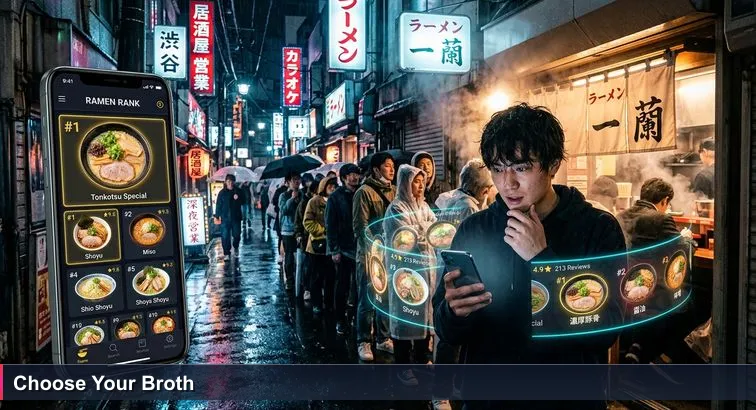
You’re wedged in a Shibuya back alley, rain soaking your sneakers, the smell of pork broth wrapping around you. Your phone insists this ramen shop is #1 in Tokyo, but as steam spills from the noren and the line shuffles forward, you feel it: the ranking doesn’t know what you’re actually craving.
Tokyo’s coworking and incubator scene feels the same. Lists promise “Top 10 Spaces in Japan,” yet the reality is far more complex. According to a recent Japan co-working space market analysis, the market is projected to hit around US$1.03 billion by 2030, growing at roughly 18.6% annually as companies ditch long leases for flexibility. That boom has created everything from polished corporate hubs in Marunouchi to scrappy accelerators in Shibuya basements - but a single ranking flattens them into one noisy list.
The problem with “best overall”
Most rankings optimise for generic metrics: central location, pretty interiors, maybe free coffee. Yet 2026 coworking trend reports note that “Instagrammability” has faded; people now prioritise fast Wi-Fi, ergonomic chairs, and structured programs over neon signs and beanbags. For an AIエンジニア or データサイエンティスト, the real differentiators are things those lists often ignore: access to GPUs or cloud credits, mentors who understand MLOps, or neighbours who are actually shipping products.
Japan’s hubs are different flavours, not a single ladder
Japan’s cities have leaned into distinct “flavours” of innovation. Tokyo’s Startup Island strategy aims to position it as a deep-tech capital alongside Seoul and Singapore, while Fukuoka pushes Startup Visa support and Osaka doubles down on medtech. As regional hub comparisons point out, each ecosystem is optimised for different kinds of capital and talent - not a single universal ranking.
How to use this Top 10
Think of the spaces in this list as 10 very different broths: some rich with VC and deep-tech, others light and cheap but perfect for focused solo coding. Once you know your own “flavour profile” - GPU vs. desk price, visa help vs. research access, community vs. privacy - you stop asking “What’s the best space in Japan?” and start asking “Which one is #1 for me, right now?” This article is your tasting flight, not a vending-machine ticket that forces you into one preset choice.
Table of Contents
- Why a Top 10 list isn't the whole story
- CIC Tokyo
- AWS Startup Loft Tokyo
- Plug and Play Japan
- Open Network Lab
- FoundX & UTokyo IPC
- Yokohama Minato Mirai
- Impact Hub Tokyo
- S-TOKYO
- Startup Café Fukuoka
- Osaka Innovation Hub
- How to choose the right coworking or incubator for you
- Frequently Asked Questions
Read our Complete Guide to Starting an AI Career in Japan to plan your 2026 job search.
CIC Tokyo
In ramen terms, CIC Tokyo in Toranomon Hills is the rich, slow-simmered tonkotsu: dense, not cheap, but loaded with serious ingredients for deep-tech and AI teams.
Location, pricing, and access
Anchored in Toranomon (Minato-ku), CIC sits between government districts like Kasumigaseki and the headquarters of major corporates and funds, giving you immediate access to policy makers and enterprise customers. Typical pricing for the building’s shared offices puts hot desks around ¥50,000/month and private offices from roughly ¥200,000/month and up, based on comparative data from rental office plan surveys. For a mid-level 機械学習エンジニア on ¥8-12M/year, that hot desk is around 0.5-0.8% of annual income - similar to what you’d quietly burn on daily café work plus commuting.
Vibe and community for AI/ML builders
CIC Tokyo is one of the country’s largest startup hubs, with operators describing Toranomon as a “global innovation hotspot” and the campus itself as a home for deep-tech, including robotics, biotech, climate, and applied AI, in their official CIC Tokyo overview. Inside you’ll find 24/7 access, phone booths, large event stages, and a constant flow of VC firms and corporate innovation teams running meetups and office hours.
Compared to more generic WeWork-style offices, CIC feels less like “a cool place for remote employees” and more like a continuous conference: founders pitching, investors roaming the halls, and engineers whiteboarding MLOps architectures late into the night. If you’re serious about AI products - not just freelancing - this density matters.
Who should join (and how to use it)
CIC is a strong fit for AI/ML and deep-tech startups preparing for seed or Series A, researchers spinning out from UTokyo, RIKEN, or AIST, and foreign founders who want instant immersion in Japan’s investor network. Treat its public events as a low-pressure entry point: attend a smaller meetup, stay until cleanup, then introduce yourself briefly (name, domain, what you’re building) and follow up the next day on LinkedIn or email - a cadence that tends to resonate better than aggressive hallway pitching in Japan.
AWS Startup Loft Tokyo
Think of AWS Startup Loft Tokyo as the perfectly balanced shoyu ramen shop every engineer keeps coming back to: no-frills atmosphere, but the broth (in this case, cloud expertise) is spot on - and the price is unbeatable.
Free access, serious infrastructure
Community reviews compiled by tech guides like Japan Dev’s Tokyo coworking overview consistently highlight AWS Loft’s developer focus, with ratings around 4.6 / 5 and roughly 150+ reviews. Users praise a fast network clocking in at about 97 Mbps down and a space optimised for builders rather than corporate off-sites.
The killer feature is price: access is free for anyone with an AWS account. Located in the Meguro/Shinagawa area, it serves more as a drop-in base than a full-time office; you won’t get a permanent desk, but you will get a reliable place to plug in, code, and get unstuck on your architecture.
Vibe and support for AI/ML teams
AWS Loft is essentially an always-on clinic for cloud-native startups. You’ll find “Ask an Architect” sessions where AWS experts review your stack, hands-on labs covering everything from serverless to data pipelines, and regular talks on topics like observability and MLOps. For AI/ML builders, direct access to people who live and breathe SageMaker, GPUs, and production-scale inference is worth more than free coffee or designer furniture.
Who should use it (and how)
This is ideal for solo engineers or 2-3 person teams pre-funding, corporate developers prototyping internal PoCs, and students grinding for cloud or ML certifications. Treat the Loft like a free consulting retainer: arrive with a one-page system diagram and 2-3 specific questions (“How do we cut inference cost on this pipeline?”), and you’ll stand out in a scene where preparation and humility go a long way.
Plug and Play Japan
If CIC is the rich tonkotsu of Japan’s startup scene, Plug and Play Japan in Shibuya is the bowl loaded with extra chāshū: you’re here less for the desk, more for the heavy protein of corporate PoCs and enterprise intros.
Equity-free accelerator, not a rental office
Plug and Play runs multiple themed batches each year across areas like Mobility, Fintech, and IoT, with a strong AI/ML thread running through all three. According to ecosystem summaries from Nordic Innovation House’s overview of Japan accelerators, accepted startups receive workspace during the program, structured mentoring, and curated matching with large Japanese corporates. The model is unusual in Japan: equity-free and no rent for selected teams, but you “earn” your desk through a competitive selection process rather than a monthly transfer.
Vibe: constant business meeting in the best way
Where many coworking floors are full of freelancers in headphones, Plug and Play feels like a rolling demo day. Corporate partners from automakers to megabanks cycle through pitches, office hours, and closed-door matching sessions. For AI builders, that means your anomaly-detection engine or recommendation model is being evaluated by actual risk managers, mobility planners, or factory-automation teams, not just other startup friends.
Who should join (and how to make it work)
This hub is best suited to startups using AI/ML in mobility (fleet optimisation, autonomous features), fintech (fraud detection, credit scoring), or industrial IoT (predictive maintenance, computer vision on the edge), especially teams aiming for PoCs with enterprises like banks, insurers, or manufacturers. Overseas founders can also use Shibuya as a bridgehead into the broader Japanese market, with bilingual staff smoothing cultural and language gaps.
To get the most from a Plug and Play batch, lead corporate conversations with specific outcomes, not just “we do AI.” Come prepared with Japan-tailored use cases (“We cut chargeback losses by 30-40% in card transactions” or “We reduce inspection time by 25% in mid-sized factories”) so partners can immediately picture you inside their workflow.
Open Network Lab
If Plug and Play is ramen with extra chāshū, Open Network Lab (Onlab) is the focused bowl the chef serves only to regulars: smaller, more intense, and designed to get you from “interesting side project” to a fundable startup fast.
Seed program instead of monthly rent
Onlab is a veteran seed accelerator run by Digital Garage, frequently cited in Tokyo accelerator rankings as one of Japan’s flagship early-stage programs. Batches typically run for about 3 months, during which selected teams receive office space in Shibuya, structured mentoring, and seed capital in exchange for equity. You’re not paying a monthly fee; your “cost” is the ownership stake you trade for speed, network, and a clear product roadmap.
Vibe: Shibuya startup dojo
Based near Shibuya’s cluster of tech companies and startups, Onlab feels like a compressed Silicon Valley-style accelerator transplanted to Tokyo. The focus is on weekly check-ins, pitch practice, and 1:1 sessions with founders, investors, and operators who have scaled SaaS, marketplaces, and consumer apps. Official materials emphasise a “particular focus on overseas markets”, so English pitch feedback and global GTM discussions are common, which is rare among Japan-first programs.
Best for AI SaaS and global-minded builders
This is a strong fit for AI-powered SaaS tools, B2B platforms, and developer tools that can scale beyond Japan, especially if you already have a prototype and a few early users. Non-technical founders can also benefit from the structured environment and access to technical mentors, but you’ll be expected to move quickly on customer discovery and iteration.
To stand out in applications as an AI/ML team, come with something already in users’ hands - even if it’s a scrappy beta. A single Japanese design partner (for example, an SME using your model to automate reporting) often impresses selection committees more than a perfectly polished demo with no real-world traction.
FoundX & UTokyo IPC
Tucked behind the iconic red gate at Hongo, FoundX and UTokyo IPC are less like a flashy Shibuya chain and more like that campus ramen shop where professors and grad students quietly crowd the counter - unassuming, but serving some of Japan’s most serious deep-tech.
FoundX is the University of Tokyo’s free pre-incubation program for students and alumni, offering desks, mentoring, and a structured curriculum on “how to start” rather than just “how to code.” As UTokyo explains in its own startup support overview, the goal is to help would-be founders systematically explore ideas, talk to users, and test business models before they raise a single yen. You’re not paying rent or giving up equity; the price is your time and willingness to iterate.
Alongside this, UTokyo IPC (Innovation Platform Co., Ltd.) runs incubation and investment programs that convert university research - the “secret broth” of patents and lab results - into companies. Its close partner UTEC (UTokyo Edge Capital Partners) manages more than ¥130 billion across funds, with a strong tilt toward deep-tech in robotics, biotech, and advanced materials, according to ecosystem profiles referenced by investors. UTokyo IPC describes its role as a bridge between academia and market, providing hands-on support to spin out IP-backed startups in programs detailed on its incubation page.
For AI/ML builders, this combo is powerful if your work starts as a research question rather than a marketing idea. It’s particularly well-suited for:
- Graduate students turning reinforcement learning or computer vision papers into products
- Robotics and hardware teams needing lab access and corporate R&D partners
- Faculty and postdocs exploring commercialisation without immediately leaving academia
A practical playbook: use university demo days not just to pitch investors, but to recruit. Many UTokyo, Waseda, and Keio students now see startups as a prestigious alternative to traditional corporates; bring a short bilingual internship description and a QR code for applications so interested AI-minded students can signal interest on the spot.
Yokohama Minato Mirai
Just a few stops from central Tokyo, Yokohama’s Minato Mirai district feels like stepping out of a cramped Shibuya shop into a bigger, quieter ramen joint - still busy, but with room to breathe and experiment.
The anchor here is the emerging innovation cluster around Tech Hub Yokohama, launched in late 2024 to focus on Green Transformation (GX), robotics, and smart-city tech. As Startup Genome’s Yokohama ecosystem report notes, the city is positioning itself as a testbed for sustainable urban solutions, leveraging its port, manufacturing base, and proximity to Tokyo to attract climate and mobility startups.
For everyday desk needs, many tech workers gravitate to spaces like WeWork Ocean Gate Minatomirai. Community reviews put it at around 4.0 / 5 with 100+ reviews, frequently praising an “energetic and entrepreneurial vibe” where tech professionals and creatives work side-by-side. Hot-desk pricing for WeWork in Japan typically falls in the ¥45,000-¥60,000/month range, slightly under or comparable to prime Shibuya or Marunouchi locations but with more generous space and sweeping bay views.
This cluster shines if your AI work is closer to physical infrastructure than to pure web apps. Being 30-40 minutes from central Tokyo by train, yet nearer to factories, logistics hubs, and the port, makes Minato Mirai particularly practical for:
- GX and energy-optimisation startups modelling grid loads or building digital twins
- Robotics and computer-vision teams working with manufacturers in Kanagawa and beyond
- Mobility and logistics AI teams piloting route optimisation or port automation
Partnerships driving Tech Hub Yokohama, including collaboration with groups like MassRobotics and Mitsubishi Estate, signal a clear message: this is a place where hardware, robotics, and AI meet the real world. If your ideal customer wears a hard hat rather than a hoodie, Minato Mirai may offer a better signal-to-noise ratio than yet another Shibuya hot desk.
Impact Hub Tokyo
For anyone tired of glossy “unicorn factory” vibes, Impact Hub Tokyo in Meguro is more like a neighbourhood shop where the regulars know your name and why you’re building in the first place.
Pricing and what you actually get
Coworking roundups such as SmartStart Japan’s guide to top co-working spaces put Impact Hub Tokyo’s flex memberships in the roughly ¥25,000-¥40,000/month range, depending on how often you use the space. That sits noticeably below many central-Shibuya or Marunouchi options, yet still includes access to open desks, event areas, and meeting rooms you can book when you need to run a client workshop or small meetup.
Located in Meguro, it’s one short hop from Shibuya but in a calmer residential district, making it a realistic daily base if you live along the Tokyu or JR lines. For a junior データサイエンティスト on, say, ¥5-7M/year, this pricing is closer to a gym membership than a corporate lease, which matters if you’re freelancing or prototyping on the side.
Community-first, impact-focused
What differentiates Impact Hub is not the furniture but the people: a deliberate mix of social entrepreneurs, nonprofit founders, designers, and tech folks working on civic tech, edtech, climate, and inclusion. Guides like Somado’s nationwide coworking overview highlight the brand’s focus on “social innovation” rather than just flexible desks.
For AI/ML professionals, this is where you go if your models are tackling real-world problems: public-sector data dashboards, emissions monitoring, learning analytics, accessibility tools. The community is generally English-capable and used to international members, but rooted in local relationships with NPOs, municipalities, and mission-driven corporates.
Who should join (and how to plug in)
- Freelance MLエンジニア and data scientists wanting a values-aligned base
- Early-stage impact startups not yet ready for high-rent hubs like Toranomon
- Remote workers at firms with ESG mandates looking for purpose-driven peers
To make it work, commit to showing up: attend a monthly meetup, offer a short lightning talk on an AI topic, and share quick advice before you ever ask for intros. In Japan’s impact circles, trust accumulates through these repeated, low-pressure interactions.
S-TOKYO
Among Tokyo’s many coworking options, S-TOKYO is the rare spot designed explicitly for flexible workers: digital nomads, remote engineers, and freelancers who care more about posture and bandwidth than beanbags and neon.
Passes, pricing, and ergonomics
Guides like Wise’s overview of Tokyo coworking spaces point out that S-TOKYO offers day, week, and month passes rather than locking you into long contracts. Community reviews frequently highlight the abundance of external monitors, proper office chairs, and quiet booths - the unsexy details that matter when you’re training models or debugging APIs for hours.
Exact monthly hot-desk prices vary by plan, but they sit in the typical central-Tokyo range of “tens of thousands of yen,” not six-figure corporate leases. For a mid-level remote 機械学習エンジニア on, say, ¥8-10M/year, a flexible S-TOKYO pass feels closer to a commuting budget than a major fixed cost.
Vibe: serious work, low noise
Unlike event-heavy hubs, S-TOKYO leans toward “quietly productive.” Reviews compiled in local coworking guides rate it around 4.8 / 5 from roughly 40+ reviews, praising the calm environment, strong Wi-Fi, and clear zoning between focus areas and call booths. The crowd is a mix of foreign remote workers, Japanese freelancers, and a handful of small startup teams who don’t need an accelerator curriculum, just a reliable setup.
Who it’s for (and how to use it)
- Remote engineers working for overseas companies but living in the Tokyo area
- Freelance AI/ML specialists who need monitors, not meetups
- Job seekers using it as a base for AtCoder/LeetCode practice and interview prep
A practical approach is to treat S-TOKYO as your “operations base”: block half-days for deep coding or model training, then use its central location to hop to nearby meetups and return for follow-up Zooms or take-home assignments. You’re not buying community as much as buying consistent, distraction-free throughput on your work.
Startup Café Fukuoka
Far from Tokyo’s packed commuter trains, Fukuoka’s Tenjin district offers a different kind of startup line: founders queueing not for ramen, but for advice at Startup Café Fukuoka, the city’s government-backed front door to entrepreneurship.
Branded under “Startup City Fukuoka,” the Café sits in a renovated school building and provides free coworking desks plus walk-in business consultations, often with English support. Community reviews put it at roughly 3.9 / 5 from around 80 ratings, reflecting a space that’s more practical than polished but unusually accessible. In a city where housing and everyday costs sit well below Tokyo levels, that combination of zero desk fees and lower rent can stretch a bootstrapped runway by months.
The real differentiator is its link to Fukuoka’s Startup Visa and local policy experiments. Staff can walk you through incorporation basics, point you to city subsidy programs, and help you navigate the paperwork that often blocks foreign founders. Articles on foreigner-friendly spaces, such as GaijinPot’s guide to coworking in Japan, consistently highlight Fukuoka’s government as unusually proactive in courting international entrepreneurs.
Day to day, expect a mixed crowd: early-stage Japanese founders testing ideas before considering a Tokyo move, international teams exploring Japan via the Startup Visa, and students from Kyushu University dipping their toes into startup projects. You won’t find rows of VCs or deep-tech labs here, but you will find city officials, local SMEs, and mentors who know how to get things done within Japanese municipal systems.
- Foreign founders seeking a soft landing and visa guidance
- Bootstrapped AI/ML teams prioritising runway over premium amenities
- Remote workers who want Kyushu’s slower pace while keeping Japan market access
When you visit, treat the Café like a gateway, not just a free desk: ask specifically about office-rent subsidies or PoC support, and bring a concise bilingual (JP/EN) one-pager summarising your product and traction so staff can easily champion you inside city hall.
Osaka Innovation Hub
On the Shinkansen map, Osaka can look like “just another stop” between Tokyo and Fukuoka. On the ground, the Osaka Innovation Hub (OIH) in Umeda is more like a bustling station ramen stand where clinicians, researchers, and hardware founders all grab a quick bowl before jumping back to the lab.
Where it sits in Kansai’s tech ecosystem
OIH is based in the Grand Front Osaka area near Umeda, with direct connections to Shin-Osaka and the wider Kansai region. Rather than classic hot-desk coworking, it functions as an event- and community-driven hub. Many workshops and meetups are free or priced under ¥1,000, lowering the barrier for students, hospital staff, and early-stage founders to drop in.
Life sciences and deep-tech focus
The broader Kansai region specialises in life sciences and advanced manufacturing, with Osaka University and Kyoto University feeding a steady stream of medtech and biotech projects. Overviews of Japan’s startup landscape, like Incubator List’s guide to top VCs and programs, frequently highlight Kansai’s strength in healthcare and deep-tech compared with Tokyo’s software-heavy scene. At OIH events, it’s common to see panels where clinicians sit alongside AI researchers and pharma executives discussing imaging, drug discovery, or hospital workflow optimisation.
Who should plug into OIH (and how)
- AI teams working on medical imaging, diagnostics, or hospital operations
- Drug discovery and bioinformatics startups seeking pharma partners
- Robotics and hardware founders collaborating with Kansai manufacturers
For Tokyo-based builders, OIH works best as a tactical hub: plan trips around key medtech or deep-tech events, message organisers beforehand with a concise intro, and ask for 1-2 warm introductions to clinicians or corporate R&D staff. In Japan’s healthcare world, those face-to-face introductions often carry more weight than any online pitch deck.
How to choose the right coworking or incubator for you
By the time you’ve skimmed three “Top 10” lists, everything starts to blur: CIC, Plug and Play, Impact Hub, Fukuoka, Osaka. It’s the same feeling as staring at a ramen ticket machine full of identical buttons when you’re already hungry.
Start with your next 12-18 months
Instead of asking “What’s the best space in Japan?”, ask “What am I optimising for right now?” For an entry-level データサイエンティスト, that might mean a quiet, ergonomic base to upskill and job-hunt. For a seed-stage AI startup, it’s introductions to VCs and corporate PoCs. For a researcher at UTokyo or RIKEN, access to IP support and deep-tech investors matters more than free beer.
- First ML/AI job → reliable desk, strong Wi-Fi, interview-friendly environment (S-TOKYO, Impact Hub)
- First PoC with enterprises → accelerators with corporate partners (Plug and Play, Osaka Innovation Hub)
- First term sheet → investor-dense hubs (CIC Tokyo, FoundX & UTokyo IPC)
Map your daily life, not just the rent
Commute, time zone overlap with overseas teams, and proximity to meetups often matter more than saving ¥5,000/month. Trend analyses like 2026 coworking community reports note a shift from flashy amenities toward “hospitality-driven” environments that quietly remove friction: ergonomic chairs, focus zones, and consistent community rituals.
If your calendar is full of interviews with Rakuten or Mercari, Shibuya or Meguro is a better bet. If you’re courting port logistics clients, Yokohama beats inland Tokyo. If you’re navigating a Startup Visa, Fukuoka’s city hall is more valuable than a rooftop terrace.
Use spaces as tools, not identities
Finally, remember that you’re not marrying a hub. You might start in a flexible desk while completing an affordable AI bootcamp, shift into an accelerator for six months, then graduate to a private office as revenue grows. Like exploring Tokyo’s ramen alleys, the goal isn’t to find “the one shop forever” but to know which bowl fits your taste, budget, and career stage today - and to move on confidently when your flavour changes.
Frequently Asked Questions
Which space in this Top 10 is best for early-stage AI/ML startups that need investors and GPU/cloud access?
For investor access and ecosystem density, CIC Tokyo (Toranomon) is the strongest pick, while AWS Startup Loft (Meguro/Shinagawa) is ideal for free cloud and hands-on GPU/SageMaker help; CIC hot desks run around ¥50,000/month and AWS Loft is free for account holders with fast network support (~97 Mbps). Plug and Play and Onlab are the best complements if you specifically want corporate PoCs or accelerator mentorship for fundraising.
How much should I budget per month for a decent tech-focused coworking space in Tokyo in 2026?
Expect to pay roughly ¥25,000-¥60,000/month for a hot desk: Impact Hub often lists ¥25k-¥40k, WeWork and similar brand desks are about ¥45k-¥60k, and flagship places like CIC are around ¥50k; for comparison, ¥50k is ~0.5-0.8% of a mid-level ML engineer salary (¥8-12M/year).
If I want lower costs or to apply for a Startup Visa, which regional hub should I consider?
Fukuoka (Startup Café Fukuoka) is the clearest choice for lower costs and Startup Visa support - coworking there can be free and city programs actively assist foreign founders - while Yokohama (Minato Mirai) and Osaka offer cheaper living than central Tokyo plus industry-specific access to GX, manufacturing, and medtech partners. Use Fukuoka to stretch runway; use Yokohama/Osaka when you need domain customers rather than central Tokyo investors.
How did you rank these spaces - what criteria should I use to choose one for my next 12-18 months?
We ranked them by technical infrastructure (GPU/cloud access), proximity to major employers and research institutes (Rakuten, UTokyo, RIKEN), program model (equity accelerator vs. paid desk), community/mentorship quality, and cost/commute trade-offs; Japan’s coworking market is projected to hit about US$1.03 billion by 2030 (≈18.6% CAGR), so pick the variables that matter most to your immediate goals. Focus on what will move your venture in the next 12-18 months: hiring, PoCs, or fundraising.
Will joining an incubator or coworking space actually help me hire ML talent in Japan?
Yes - many hubs run demo days, internship pipelines, and have close links to universities (UTokyo, Keio, Kyoto) and institutes like RIKEN, making it easier to recruit students and researchers; for example, FoundX/UTokyo IPC target researchers and Onlab/CIC host investor and hiring events. To convert interest, prepare clear Japanese-friendly internship descriptions and use on-site demo days or QR-coded applications to simplify the hiring process.
Which sectors are hiring AI engineers in Japan? Our Top 10 industries hiring AI talent in Japan guide answers that
Our post on the Top 10 companies hiring AI engineers in Japan ranks firms by hiring volume, investment, and reputation.
Start your job search with this complete hiring map for cybersecurity professionals in Japan for 2026.
Top 10 Tech Startups Hiring Junior Developers in Japan in 2026
Hiring managers and job seekers can reference the Top 10 highest-paying tech companies in Japan 2026 for negotiation benchmarks.

Irene Holden
Operations Manager
Former Microsoft Education and Learning Futures Group team member, Irene now oversees instructors at Nucamp while writing about everything tech - from careers to coding bootcamps.