









Top 10 Highest Paying Tech Companies in Tunisia in 2026
By Irene Holden
Last Updated: April 25th 2026
Too Long; Didn't Read
InstaDeep leads the pack with senior total compensation reaching 220,000 TND annually, followed closely by Microsoft whose USD-denominated RSUs can more than double local base pay. Overall, Tunisian tech salaries have surged 12-18% per year since 2024, with signing bonuses of 5,000-15,000 TND now common for niche roles.
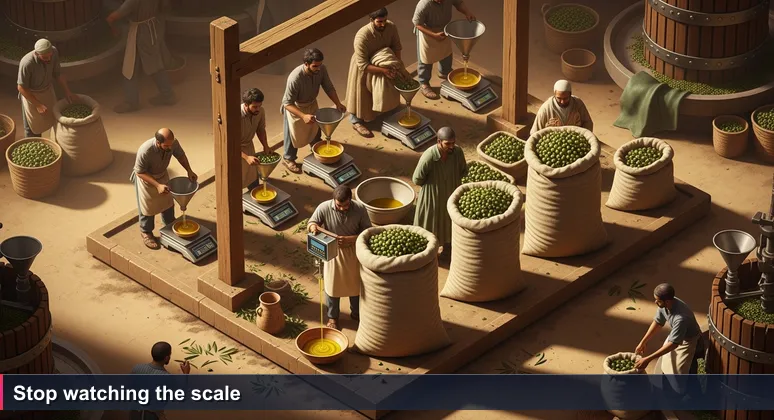
The line at the olive press has been there since dawn. Farmers from the Sahel crowd around, each watching the scale, waiting to see whose bag will yield the most golden oil. The conversation is all about liters - the highest number wins the day’s bragging rights. But the farmer who brings in a ton of ordinary olives often walks away with less than the one who spent years cultivating a rare, high-quality varietal. The press doesn’t measure what matters most: the tree’s health, the soil, the future.
Tunisian tech salaries are the same. We rank by the headline number, but the true yield is in how compensation is structured - equity that vests over years, R&D budgets that grow your skills, profit-sharing that multiplies your take-home. Between 2024 and 2026, tech salaries in Tunisia jumped 12-18% annually, driven by a brain drain to Europe and aggressive local retention. Signing bonuses of 5,000 to 15,000 TND are now common for niche roles in AI, cloud engineering, and cybersecurity. Competition for rare talent is reshaping how companies pay.
This shift is uniquely amplified by Tunisia’s strategic advantages. The country’s position between Europe and Africa, coupled with a multilingual talent pool (Arabic, French, English), makes it a prime R&D hub. Government incentives like the Startup Act have fueled a wave of innovation, particularly around technoparks such as El Gazala in Tunis and emerging hubs in Sfax and Sousse. These ecosystems don't just attract global giants - they create fertile ground for homegrown champions like InstaDeep, whose compensation packages now rival those in Paris or Berlin.
The real prize isn’t the top of the list; it’s the compensation that grows with you. Here are the ten companies paying the highest total compensation in 2026, ranked by senior total package in Tunisian Dinar (TND). Stop watching the scale, and start looking at the soil.
Table of Contents
- Introduction
- Inetum / Alten
- Telnet Holding
- Tunisie Telecom
- Ooredoo Tunisie
- Orange Tunisie
- Vermeg
- IBM (Services)
- STMicroelectronics
- Microsoft
- InstaDeep
- Conclusion: Stop Watching the Scale
- Frequently Asked Questions
Discover everything you need to know about AI jobs in Tunisia for 2026 in this detailed article.
Inetum / Alten
These French IT services giants maintain a large presence in Tunis, primarily within the El Ghazala technopark. Their model offers steady employment with structured career progression and bench pay during project transitions, a safety net that pure startups rarely provide. For fresh graduates from ENIT or ENSI, Inetum and Alten represent a reliable entry point into the European software ecosystem without leaving Tunisia.
Junior engineers can expect a base range of 30,000 to 45,000 TND annually, while mid-career professionals reach 45,000 to 65,000 TND. Senior engineers (6-10 years) command 65,000 to 90,000 TND, supplemented by retention bonuses of up to 10,000 TND for specialized consultants. Lead and manager roles stretch to 110,000 TND, and directors exceed that figure with additional bonuses of 3-4 months. None of these roles include equity - the compensation is purely cash-based, with bonuses typically amounting to 1-3 months of base salary depending on performance and assignment duration.
According to Glassdoor's senior software engineer salary data for Tunis, the market average for comparable senior roles sits around 80,000 TND, placing Inetum and Alten in the middle tier. Their strongest appeal lies in exposure to European clients and structured training programs that build transferable skills. The 12-18% annual salary growth across Tunisia's tech sector has also pushed these firms to offer retention bonuses more aggressively than in previous years.
For an engineer prioritizing stability over upside, these firms offer a safe first harvest - predictable, consistent, but lacking the equity that transforms compensation into long-term wealth. The press yields good oil, but not the golden varietal that multiplies with time.
Telnet Holding
Telnet Holding is Tunisia's homegrown engineering and R&D powerhouse, operating from its base at the Technopark of El Ghazala. The company specializes in embedded systems, IoT, and telecom infrastructure, positioning itself as a preferred employer for engineers with deep technical expertise. Unlike IT service firms, Telnet invests heavily in proprietary R&D, creating an environment where specialized skills command a premium. This is the farmer who grafts rare olive branches onto standard trees - the yield is different from the start.
Compensation at Telnet reflects this engineering-first culture. Junior engineers start at 35,000 to 50,000 TND, while mid-career professionals earn 50,000 to 70,000 TND. Senior engineers reach 70,000 to 95,000 TND, supplemented by project bonuses that can add two months of salary. The real differentiator comes at the lead and manager level, where phantom shares kick in - a cash bonus tied to the company's notional stock appreciation. According to F6S's ranking of top Tunisian companies, Telnet ranks among the most attractive employers for technical talent, with lead and manager packages reaching 95,000 to 120,000 TND base plus phantom share awards that vest over time.
Telnet's phantom share program, though not liquid like public company RSUs, creates a long-term ownership mindset. It rewards loyalty with a stake in the company's growth - like planting a tree that yields oil for years, not just a single pressing. Director-level roles include performance units tied to company profitability, pushing total compensation past 120,000 TND annually. This structure is particularly valuable for embedded systems engineers who want to stay in Tunisia while building intellectual property that competes globally. The Levels.fyi data for Tunis confirms that R&D-intensive firms consistently offer higher total comp than pure service providers, and Telnet exemplifies that trend.
Tunisie Telecom
The state-owned incumbent telecom operator offers a compensation model built on something increasingly rare in Tunisian tech: absolute stability. While base salaries for junior engineers lag the private sector at 25,000 to 35,000 TND annually, the real value compounds over time through seniority-based bonuses known as prime d'ancienneté. These increments add 5 to 10 percent to base salary after 10 years of service, a structure that favors the long-term employee over the job-hopper.
Mid-career professionals earn 35,000 to 55,000 TND, while senior engineers reach 55,000 to 75,000 TND with 2-3 months of bonus plus seniority additions. Where Tunisie Telecom truly competes is at the director level: professionals with 15+ years can see total packages of 105,000 TND or more, including a guaranteed 14th month and 4-5 months of bonus. This compares favorably with private-sector firms that lack government-backed pension guarantees and job security provisions. According to Glassdoor's Tunisia software engineer salary reports, few employers match the consistency of public-sector telecom compensation over a full career arc.
The trade-off is clear: no equity, no stock options, no phantom shares. The 12-18 percent annual growth in Tunisia's private tech salaries has left telecom base pay trailing behind the market leaders. But for engineers who prioritize job security over upside, Tunisie Telecom is the olive grove that never fails - consistent harvests, predictable yields, and a pension waiting at the end of the season. It suits those who value time over timing.
Ooredoo Tunisie
The Qatari-owned operator competes directly with Orange for top talent, particularly in the rapidly growing cloud engineering and cybersecurity domains. Ooredoo's aggressive investments in 5G infrastructure and data centers have created sustained demand for specialized engineers who can secure and scale modern telecom networks. The compensation reflects this strategic priority, with performance bonuses that can meaningfully boost take-home pay.
Junior engineers at Ooredoo earn 30,000 to 45,000 TND base annually, with mid-career professionals reaching 45,000 to 65,000 TND. Senior roles command 65,000 to 85,000 TND, while leads and managers push to 110,000 TND. Director-level packages exceed that figure. Performance variables are the key differentiator: according to the Ooredoo Group Glassdoor page for Tunis, top performers can see their annual income increase by up to 20 percent through performance-linked bonuses. This ability to influence pay through results makes Ooredoo attractive for engineers who deliver measurable impact.
The benefits package adds further depth: transport allowances, meal vouchers, and private group insurance are standard for all bands. Cybersecurity roles, in particular, command premium pay as demand outpaces supply. The Nucamp analysis of Tunisia's cybersecurity salaries confirms that telecom operators are among the top payers for security specialists, with mid-level roles frequently exceeding 60,000 TND total comp. Ooredoo offers a solid harvest - reliable, performance-driven, but lacking the equity upside of multinationals like Microsoft or InstaDeep. It's the tree that rewards consistent care, not the one that multiplies through market appreciation.
Orange Tunisie
Orange Tunisie positions itself as a top employer through a compensation philosophy built on total benefits rather than headline salary alone. Base pay for junior engineers at 30,000 to 40,000 TND annually sits slightly below pure tech startups, but the gap closes quickly when allowances are factored in. Transport allowances, meal vouchers (Ticket Restaurant), and private health insurance combine to add roughly 3,000 to 5,000 TND per year to effective take-home pay, making the total package competitive with higher-base alternatives.
Mid-career professionals earn 40,000 to 60,000 TND base, while senior engineers reach 60,000 to 85,000 TND. Lead and manager roles command 85,000 to 115,000 TND, often including an executive car benefit. Director-level compensation exceeds 115,000 TND. According to Glassdoor's Orange Tunis salary data, managers typically earn 40,000 to 50,000 TND base, but with allowances and performance variables, effective compensation pushes past 60,000 TND. This structure rewards long tenure and consistent performance over risky upside.
The lack of equity is the defining trade-off. Orange offers stock options only in rare cases at the director level, making it a poor choice for engineers seeking wealth accumulation through company appreciation. However, the predictability of allowances and structured bonuses suits risk-averse professionals who value steady cash flow over volatile equity. As the olive farmer who irrigates with precision, Orange provides stable, well-watered growth - perfect for those who want to sleep soundly through market cycles, even if the harvest never surprises.
Vermeg
From its headquarters in the Berges du Lac district, Vermeg has carved out a distinct niche as Tunisia's leading fintech software house. The company builds banking and insurance platforms for European and African clients, a specialization that commands premium compensation in a sector where domain expertise is scarce. Unlike generalist IT service firms, Vermeg rewards deep industry knowledge with a profit-sharing model that directly ties pay to company performance - a structure that turns a strong year into a windfall for employees.
Junior engineers start at 35,000 to 50,000 TND base, while mid-career professionals earn 50,000 to 70,000 TND. Senior engineers reach 70,000 to 95,000 TND with 2-3 months of bonus. The real step change occurs at the lead and manager level, where base salaries of 95,000 to 125,000 TND combine with profit-sharing that can add two to three extra months of salary in good years. According to the F6S ranking of top Tunisian companies, Vermeg consistently rates among the most attractive employers for its total compensation structure, which can push a lead earning 100,000 TND base to over 125,000 TND annual take-home including profit share.
The key advantage of Vermeg's model is its liquidity. Where equity at Microsoft or InstaDeep requires years of vesting and exposes employees to stock market volatility, profit-sharing pays out in cash at the end of each fiscal year. Glassdoor's tech lead salary data for Tunis confirms that cash-heavy compensation structures like this are increasingly valued in a market where TND inflation erodes the real value of deferred pay. It's the high-yield varietal that ferments into fine oil - less headline-grabbing than equity, but more predictable and immediately useful.
IBM (Services)
IBM's Tunisian delivery center in El Ghazala has evolved from a traditional services hub into a strategic node for cloud, AI, and cybersecurity delivery. The compensation structure reflects this shift, with performance bonuses tied to global metrics and USD-denominated RSUs that provide a rare hedge against TND inflation. For senior engineers, this combination transforms a local salary into a globally competitive package.
Junior engineers start at 40,000 to 55,000 TND base, mid-career professionals reach 55,000 to 80,000 TND, and senior engineers command 80,000 to 110,000 TND. The Levels.fyi data for Tunis confirms that senior individual contributors at IBM typically achieve total compensation near 120,000 TND when performance bonuses and RSU grants are included. Lead and manager roles push to 135,000 TND, while directors exceed that figure with larger equity awards.
The RSU program at IBM operates with a standard vesting schedule: a one-year cliff, then quarterly vesting over three years. Because the shares are tied to IBM's NYSE-listed stock, their value is independent of local economic conditions. This creates a unique advantage:
- Protection against TND devaluation - the equity grows in dollar terms regardless of local currency trends
- Access to global stock appreciation without needing to work abroad
- Tax advantages under Tunisia's double-taxation treaty with the United States
STMicroelectronics
The Franco-Italian semiconductor giant operates one of Tunisia's most sophisticated R&D centers in El Ghazala, focusing on embedded systems, microcontrollers, and chip design. While other companies chase headline salary numbers, STMicroelectronics invests heavily in what matters for long-term career growth: training budgets, specialized equipment, and a culture of technical depth. This is the farmer who spends years improving soil quality rather than just buying more fertilizer.
Junior engineers start at 40,000 to 55,000 TND base, while senior roles reach 80,000 to 110,000 TND. The real leap comes at the lead and manager level, where packages stretch to 110,000 to 150,000 TND including semi-annual bonuses. Directors exceed 150,000 TND. STMicro's compensation structure includes three distinct differentiators that set it apart from IT service firms:
- Semi-annual bonuses that provide regular cash injections rather than a single annual payout
- R&D profit-sharing tied to the success of specific engineering projects
- A stock purchase plan offering shares at a discount to market price
According to TalentUp's engineering salary data for Tunisia, specialized skills like VHDL and ASIC design command premiums of 15-25 percent above general software engineering roles. A senior embedded engineer with deep semiconductor expertise can push total compensation past 150,000 TND annually. The Levels.fyi benchmark for Tunis confirms that R&D-intensive firms consistently outpace service providers in long-term value creation. STMicro is the patient orchardist - its compensation philosophy trades instant gratification for cumulative technical growth and sustained earning power over a career.
Microsoft
Microsoft's Tunis office, part of the Microsoft Development Center (MDC), operates on a different compensation axis than local firms. Engineers here work on global products in AI, cloud, and enterprise, and the pay structure reflects this international scope. While base salaries are localized - ranging from 50,000 TND for juniors to 140,000+ TND for senior engineers - the total compensation is dramatically altered by USD-denominated Restricted Stock Units (RSUs).
How RSUs Change the Equation
RSUs at Microsoft vest over four years with a one-year cliff, meaning no equity before year one, then quarterly payouts. For a senior engineer at level L64-L65, annual RSU grants range from $60,000 to $100,000. At a 2026 exchange rate of 3.1 TND/USD, this translates to roughly 186,000 to 310,000 TND per year in equity alone - effectively doubling or tripling the local cash compensation. According to Levels.fyi's salary database for Tunis, total compensation for senior ICs frequently exceeds 300,000 TND when base, bonus, and RSUs are combined.
A Hedge Against Local Volatility
For the Tunisian engineer, this structure provides a powerful hedge against TND inflation and local economic cycles. The equity component is tied to Microsoft's global stock price, not Tunisian market conditions. In a hiring environment where tech salaries have jumped 12-18% annually purely to retain talent against European brain drain, Microsoft offers compensation that competes with foreign employers without requiring relocation. It is the rare olive tree that bears fruit in hard currency - yielding a harvest that preserves its value across seasons and borders.
InstaDeep
Sitting at the top of Tunisia's tech compensation pyramid, InstaDeep - now part of the BioNTech group - has redefined what local engineers can earn without leaving the country. With AI research and engineering teams across Tunis, Sfax, and Sousse, the company's compensation philosophy is aggressive and intentionally skewed toward equity. Junior AI engineers straight out of ENIT or Université de Sfax can expect a starting package of 60,000 TND annually - roughly double the national average for fresh graduates of 25,000 to 35,000 TND.
The compensation structure at InstaDeep is built on three pillars: a competitive base salary, a performance bonus of 10-15 percent, and equity that represents 20 to 25 percent of total compensation. For senior engineers, this means total packages of 110,000 to 160,000 TND base, plus equity that pushes the full annual value past 220,000 TND. According to the F6S rankings of top Tunisian companies, InstaDeep is known for offering phantom shares that mimic ownership without diluting capital - a structure that has become a benchmark for Tunisian startups.
Equity That Changes Trajectories
The equity vesting schedule follows a standard pattern: a one-year cliff, then quarterly vesting over three years. For a senior engineer with 20 percent of total comp in equity, this means roughly 44,000 TND in phantom shares vesting annually - a significant wealth-building tool in a market where most employers offer nothing beyond cash. Levels.fyi compensation data for Tunis confirms that InstaDeep's total compensation for senior roles exceeds every other local employer, with lead and manager packages reaching 220,000+ TND. It is the prized olive variety that ferments into the finest oil - demanding patience, but rewarding those who wait with exceptional yield.
Conclusion: Stop Watching the Scale
Stop watching the scale. The farmer with the highest yield on that Sahel morning didn't just show up with a heavy bag - he spent years improving his soil, pruning his trees, and choosing the right variety. Tunisian tech compensation is the same. The headline salary is just one number. What matters is the structure: equity that grows with a global company, R&D budgets that deepen your skills, profit-sharing that rewards collective success.
Tunisia's position as a tech hub is uniquely advantaged by its strategic location between Europe and Africa, a multilingual talent pool, and government incentives like the Startup Act. When comparing offers, context matters. The table below shows how Tunis stacks up against regional competitors after adjusting for purchasing power.
| Hub | Senior SWE Total Comp (USD/yr) | Currency Risk | Cost of Living Index (Tunis = 100) |
|---|---|---|---|
| Tunis | $55,000 - $70,000 | Moderate | 100 |
| Cairo | $40,000 - $60,000 | High | 85 |
| Casablanca | $60,000 - $80,000 | Low | 130 |
| Dubai | $120,000 - $180,000 | Very low | 250 |
Next time you see a salary figure, ask instead: What's the soil? What's the tree? Where's the equity that will keep paying after this harvest is done? The highest-paying companies in Tunisia aren't just those with the biggest numbers - they're the ones that offer long-term yield. InstaDeep, Microsoft, and STMicro lead the field, but even the telecom giants can plant seeds for a stable career. Choose your employer like a farmer chooses his olive varietal: wisely, patiently, and with an eye on the season to come.
Frequently Asked Questions
Which company pays the most in Tunisia for senior tech roles?
InstaDeep, now part of BioNTech, offers senior total compensation up to 220,000+ TND, with equity forming 20% of the package. Microsoft follows closely with USD-denominated RSUs that can double local base salary.
How do I compare total compensation including equity?
Add base salary, guaranteed bonus, and allowances, then estimate annual equity value by dividing the total grant by the vesting period. Multiply by (1 - effective tax rate, around 20% for senior roles) to get net take-home. For example, a Microsoft senior with 120,000 TND base plus 60,000 TND in equity nets approximately 186,000 TND.
Are there any Tunisian startups on the list, or is it all multinationals?
Yes, InstaDeep is a Tunisian AI startup (now part of BioNTech) and Telnet Holding is a local R&D powerhouse. Both offer competitive packages with profit-sharing or phantom equity, challenging multinationals like Microsoft and IBM.
What about tax and how much will I actually take home from these salaries?
Tunisia's progressive income tax rates go up to 35%, and CNSS social contributions are about 16% of gross salary. Equity is taxed as income at vesting. For a senior role at InstaDeep earning 140,000 TND base, the effective tax rate is around 20%, leaving approximately 112,000 TND net from base alone.
How do Tunisian tech salaries compare to other MENA hubs like Cairo or Dubai?
Senior total comp in Tunis reaches up to $70,000 (InstaDeep), beating Cairo's $40,000-$60,000 and competing with Casablanca's $60,000-$80,000. After cost of living adjustment, Tunis offers greater purchasing power than Dubai, where $150,000 buys less due to high rent.
Understand the real value of your offer with this AI salary guide for Tunisian professionals.
Our list provides the definitive ranking of tech coworking spaces and incubators in Tunisia for 2026.
Master AI engineering in Tunisia with this practical step-by-step tutorial.
Learn about the top free tech training at libraries and community centers in Tunisia for aspiring AI professionals.
AI community events in Tunisia 2026 are mapped out in detail here.

Irene Holden
Operations Manager
Former Microsoft Education and Learning Futures Group team member, Irene now oversees instructors at Nucamp while writing about everything tech - from careers to coding bootcamps.