









Who's Hiring Cybersecurity Professionals in Germany in 2026?
By Irene Holden
Last Updated: April 12th 2026
Key Takeaways
Hyperscalers, banks and insurers, utilities and energy firms, automotive OEMs and suppliers, defence and aerospace contractors, public agencies like the BSI, and a vibrant set of security vendors and startups are hiring cybersecurity professionals in Germany in 2026 because the country faces a roughly 106,000-person talent shortfall and the market is growing about 8.2% annually. That demand shows up as thousands of live roles - Glassdoor listed over 2,300 openings and Berlin had more than 75 English-language postings - with junior SOC roles often around €45,000, mid-level cloud and specialist posts commonly between €60,000 and €120,000, and senior cloud or architect positions stretching toward €180,000, so pick the regional sector that matches your background (Frankfurt for cloud, Munich and Stuttgart for automotive, Berlin for startups) and target that door.
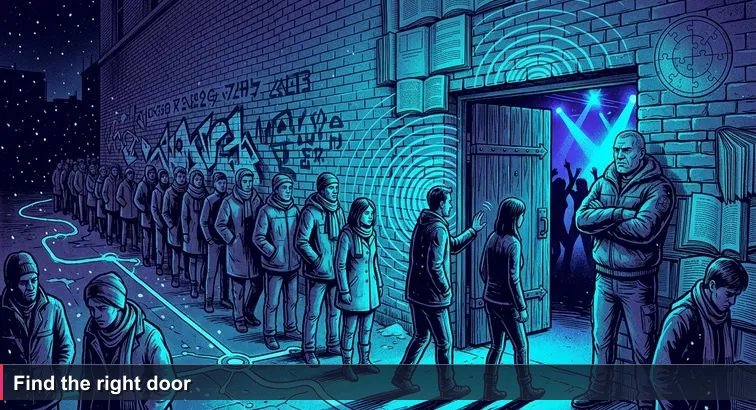
It’s 2:13 a.m. on a frozen January night in Berlin and you’re wedged into a shivering queue outside a legendary techno club. Bass thuds through the graffiti-covered brick, the door cracks open, strobe spills out onto the pavement - and the bouncer waves one person in, then turns three away with a tiny shake of the head. You can clearly see empty space on the dance floor, but the line keeps barely moving.
For a lot of people trying to break into cybersecurity in Germany, it feels exactly like that. Headlines talk about a shortage of roughly 106,000 cybersecurity professionals and a market growing at around 8.2% per year, as mapped in Varghese Jackson’s analysis of cybersecurity jobs in Germany. Salary reports highlight architects earning well into six figures. Yet junior applicants and career changers keep getting ghosted, bounced by automated rejections, or told they’re “too green” or “not German enough.”
Inside companies, the urgency is real. According to global cybersecurity job market statistics compiled by StationX, a single data breach now costs German organisations around €4.45 million on average. Boards at banks in Frankfurt, automotive giants in Bavaria, and cloud players around Berlin and the Rhine-Main region are under pressure to treat security as a board-level investment, not a compliance afterthought.
So why does the line outside feel so brutal? The mistake is imagining there’s one magic door marked “Cybersecurity Job” where everyone is competing. In reality, Germany’s security landscape is more like a sprawling club complex, with separate entrances for:
- Cloud & Big Tech in Frankfurt, Berlin, Munich, Walldorf and Bonn
- Automotive & Industrie 4.0 around Munich, Stuttgart and Wolfsburg
- Defence and aerospace near Bundeswehr and NATO hubs
- Critical infrastructure and public sector spread across the country
- Pure-play vendors and startups clustered in tech cities like Berlin and Bochum
This guide hands you the floorplan: how each “room” in Germany’s cybersecurity club works, what its bouncer is really checking for - skills, experience bands, certifications, German level - and how to stop freezing in the wrong line and walk to the door that actually fits your profile.
In This Guide
- Introduction: the Berlin club problem and the 106,000-seat gap
- The German cybersecurity floorplan and regional hotspots
- Cloud and Big Tech security
- Automotive and Industrie 4.0 security
- Defence, aerospace and security-cleared roles
- Critical infrastructure and non-tech giants
- Public sector, BSI and research institutes
- Pure-play vendors, consultancies and startups
- The mid-level paradox, language and salary realities
- Certifications, training and practical entry routes
- Match your background to the right room
- Final checklist: how to stop freezing in the wrong line
- Frequently Asked Questions
This comprehensive guide for Germany AI careers 2026 covers Berlin vs Munich, salaries, and bootcamp options.
The German cybersecurity floorplan and regional hotspots
Step back from the Berlin club door for a moment and look at the entire building: Germany’s cybersecurity demand isn’t random, it’s shaped by economics, regulation and geography. New rules like NIS2, the updated IT-Sicherheitsgesetz, sector-specific regimes such as DORA for finance and the ever-present DSGVO/GDPR are forcing organisations to move from “checklist security” to real risk management. Analyses like Pack GTM’s report on the future of cybersecurity in Germany underline how regulation alone is generating thousands of new roles in governance, risk and compliance.
At the same time, cybersecurity has been classified as a formal Engpassberuf (bottleneck occupation). This means easier visa routes and relaxed salary thresholds under the EU Blue Card, as highlighted in Jobbatical’s overview of Germany’s skilled-worker shortage. Employers from SAP in Walldorf to utilities in the Ruhrgebiet can now recruit internationally more easily - but they still compete fiercely for people with 2-6 years of hands-on experience in a specific niche.
The job postings confirm how broad the floorplan really is. Glassdoor listed over 2,300 cybersecurity jobs in Germany in April, cutting across sectors and seniority levels, from SOC analysts in Mannheim to cloud security engineers in Frankfurt, as shown in its dedicated cybersecurity jobs in Germany page. Indeed, meanwhile, showed 75+ English-language cybersecurity roles in Berlin alone at the end of March - a snapshot of just one city’s demand.
Those roles concentrate in a few predictable “rooms” on the German map:
- Frankfurt/Rhine-Main - cloud regions (AWS, Azure, Google Cloud), major banks and insurers, data centres
- Berlin/Brandenburg - startups, e-commerce like Zalando, NGOs, federal ministries, research institutes
- Munich & Stuttgart - BMW, Mercedes-Benz, Siemens, Bosch, Allianz, and dense Industrie 4.0 projects
- Wolfsburg & Lower Saxony - Volkswagen Group and supply chain, heavy on TISAX and manufacturing security
- Ruhrgebiet - E.ON, RWE and a growing cluster of security startups around universities in Bochum and Dortmund
- Bonn/Cologne region - BSI, Deutsche Telekom/T-Systems, federal ministries, Bundeswehr commands
- Hamburg & northern ports - logistics, maritime, and wind energy with strong OT and network security needs
The practical move is to flip your strategy: decide where you want to live first - Berlin’s startup scene, Munich’s automotive belt, Frankfurt’s financial hub - then aim for the room that dominates that region. Use regional filters on platforms like Glassdoor and Indeed to see which employers are actually hiring in your target city, instead of firing off generic applications nationwide and hoping the right door opens.
Cloud and Big Tech security
The cloud & Big Tech room is the main floor with the loudest sound system: highly visible, intense, and packed around hubs like Frankfurt’s data-centre belt, Berlin’s startup scene, Munich’s engineering cluster, Walldorf for SAP, and Bonn for telcos. Here you find regional teams of AWS, Microsoft Azure and Google Cloud alongside German heavyweights such as SAP, Deutsche Telekom/T-Systems, Siemens and Bosch, all racing to secure sprawling cloud platforms and SaaS products for customers across the EU.
Security teams in this room mostly defend:
- Cloud infrastructure and tenant isolation across multi-region AWS/Azure/GCP estates
- Identity and access management with SSO, SAML, OAuth and complex role models
- DevSecOps pipelines, from code to container to Kubernetes and back
- Abuse and fraud on public APIs, free tiers and large consumer platforms
Roles range from Cloud Security Engineer and Detection Engineer to Architect and Principal. Based on German data compiled by Next Level Jobs EU and Glassdoor, early-career cloud security engineers typically earn around €60,000-€90,000, mid-level profiles often land at €80,000-€120,000, and senior architects or leads can reach €120,000-€180,000+, with some top hyperscaler roles exceeding that upper range in total compensation.
Day to day, the work is deeply engineering-focused. A SAP posting for a (Senior) Cyber Detection Engineer in Garching, for example, highlights container security, Kubernetes and cloud-native monitoring as core requirements, underscoring how much these jobs live at the intersection of software and security; you can see this emphasis in the official SAP Global Security role description. Internal communication is often in English, but customer-facing and leadership positions usually expect at least B1/B2 German.
Because salaries are high and impact is visible, hiring managers lean heavily on proof of hands-on ability: Linux, networks, one scripting language, and real projects on at least one major cloud. Analyses of German job postings also show broad certs like CISSP can add roughly 10-25% to offers in senior cloud and security engineering roles, especially when combined with provider-specific badges such as AWS Security Specialty or Azure Security Engineer.
Automotive and Industrie 4.0 security
If the Frankfurt cloud scene is the neon main floor, automotive and Industrie 4.0 are the giant warehouse room out back: loud machines, safety rules everywhere, and a completely different dress code. This is where Germany’s global niche really shows. From Munich to Stuttgart to Wolfsburg, OEMs and suppliers are wiring factories, robots and vehicles into always-on networks - and suddenly discovering how exposed that makes them.
The security work here clusters into three overlapping domains:
- TISAX & supply chain security - the ENX-driven standard every serious automotive supplier must meet to protect design data and production know-how.
- OT/ICS security in plants - defending PLCs, industrial robots and SCADA systems against ransomware and sabotage, guided by standards like IEC 62443.
- Product & vehicle security - hardening ECUs, in-car networks, OTA update pipelines and autonomous-driving stacks against both remote and physical attacks.
Big names like BMW Group, Mercedes-Benz and Volkswagen have dedicated security teams across all three areas; BMW, for example, outlines roles from SOC to product security engineering on its IT Security careers page. Around them, suppliers such as Bosch, Continental, ZF and countless Tier-1/Tier-2 companies are racing to reach and maintain TISAX levels demanded by the OEMs.
Salary-wise, mid-level specialists in German automotive security often land around €70,000-€100,000, with higher bands for people who master hard-to-find niches like OT security leadership or autonomous-driving platforms. Recruiters and practitioner reports also note that more generic “security engineer” profiles in this ecosystem still see offers in the €55,000-€75,000 range if they lack deep industrial or embedded expertise. Roles labelled OT/ICS Security Engineer, Industrial Cybersecurity Specialist or TISAX/ISMS Manager typically favour candidates with mechatronics, electrical engineering, automation or plant IT backgrounds - especially if they’ve touched PLCs, fieldbuses or CAN/Ethernet in real factories, like the environments described in Siemens Energy’s Team Lead Industrial Cybersecurity job profile.
Defence, aerospace and security-cleared roles
This room in the German cybersecurity club has the tightest guest list. Around hubs like Bonn, Ulm, Koblenz and Wiesbaden, defence contractors, Bundeswehr units and NATO programmes work on systems that never make it into glossy cloud case studies: secure mission networks, satellite links, weapon platforms and command centres. Employers here include Airbus Defence and Space, Rheinmetall and a web of international contractors supporting US and NATO forces on German soil.
Day-to-day missions revolve around protecting:
- Classified military and government networks from espionage and sabotage
- Weapon systems, vehicles, aircraft and ships from cyber-physical compromise
- Satellite, radio and tactical communications against interception and disruption
Many roles demand formal background checks (Sicherheitsüberprüfung) and usually German or allied citizenship. For example, Peraton’s Regional Cyber Center-Europe programme in Wiesbaden recruits a Senior Cyber Response Analyst who must hold a current US DoD TS/SCI clearance, multiple GIAC certifications and comply with DoD 8140 standards, as detailed in the company’s cybersecurity operations job listing. Similar expectations apply on the German side for positions embedded with Bundeswehr or federal ministries.
For civilians without clearance, this room is usually a medium-term goal, not a first job. The major exception is if you already serve, or have served, in the Bundeswehr’s IT or cyber units such as the Kommando Cyber- und Informationsraum (KdoCIR). Training there in network defence, incident response and digital forensics maps directly onto roles like SOC analyst, incident responder or OT security specialist, which are actively advertised by defence primes like Airbus on its dedicated cybersecurity careers portal.
If you combine that operational background with strong German, formal certifications and a clean clearance process, the bouncer at this door is far more likely to wave you in than someone trying to jump straight from a generic bootcamp into classified work.
Critical infrastructure and non-tech giants
Away from the neon of hyperscalers, Germany’s quieter but absolutely central dance floor is critical infrastructure and non-tech giants: banks, insurers, power grids, hospitals, logistics and e-commerce. These organisations are being dragged into serious security by a wall of regulation - NIS2, the updated IT-Sicherheitsgesetz, DORA for finance, BaFin circulars, and strict DSGVO enforcement - turning security from “IT issue” into board-level risk.
Four big clusters dominate this room:
- Finance & insurance - Deutsche Bank, Commerzbank, Landesbanken and Allianz need SOC analysts, incident responders and GRC experts to satisfy BaFin and DORA. Senior security roles in this sector now sit among Germany’s higher-paid tech positions, with some landing in the €95,000-€130,000 bracket highlighted in Careercheck’s overview of top-paying tech jobs.
- Energy & utilities - E.ON, RWE, EnBW and grid operators must harden ICS/SCADA and field devices under NIS2 and IT-Sicherheitsgesetz. Wind majors like Vestas hire Lead Cyber Security Engineers in Hamburg for offshore operations, explicitly asking for IEC 62443 and NIS2 know-how, as shown in the company’s offshore cyber security engineer role.
- Healthcare - university hospitals such as Charité or UKHD must protect patient data and medical IoT devices while staying available 24/7; ransomware here can be literally life-threatening.
- E-commerce & logistics - platforms like Zalando and Otto focus on application security, fraud, and cloud platform hardening to keep high-volume transactions and user data safe.
Analyses of the German tech market, like TSA Bildungsakademie’s deep dive into skills in demand across AI and IT, stress that these sectors are aggressively professionalising security teams, with especially strong pull for people who understand both technology and regulation. For career changers coming from banking, energy, healthcare or logistics, this is often the easiest side entrance into cybersecurity: you already speak the industry’s language, and the bouncer here cares as much about that as about the exact SIEM you’ve used.
Public sector, BSI and research institutes
This is the control booth of the whole club: the public sector and research landscape that quietly sets many of the rules everyone else dances to. In and around Bonn, Berlin, and state capitals, organisations like the BSI, ITZBund, state IT centres and municipal IT departments are scrambling to secure government networks, digital citizen services and critical data, while research heavyweights such as Fraunhofer, Max Planck and leading universities defend sprawling high-performance computing and AI clusters.
The employers form a distinct ecosystem:
- BSI and federal IT providers - developing BSI Grundschutz, overseeing KRITIS, and running federal cloud and network infrastructure.
- State and municipal IT centres - operating education, health and administration platforms for millions of residents.
- Universities and research institutes - from TU Berlin to RWTH Aachen, Fraunhofer and Max Planck, where cutting-edge AI and ML projects demand hardened networks and data protection.
Analysts tracking the German IT job market, such as Andersen’s review of key IT hiring trends in Germany, note that public institutions are increasingly competing with private employers for security talent as digitalisation accelerates. Roles are typically classified under the TVöD pay scale, trading a bit of headline salary for predictable increases, generous pensions and realistic working hours - which many mid-career professionals value more than another 10-15% in cash.
On the technical side, public-sector security work leans heavily on frameworks like BSI Grundschutz, ISO 27001 and NIS2 implementation. Research institutes add their own twist: securing scientific data, intellectual property and shared infrastructure used by international partners, often in collaboration with specialist vendors that focus on government-grade security, such as Secunet, which features prominently in rankings of top European cybersecurity companies serving regulated sectors.
Nearly all of these roles require strong German (usually B2/C1), and many are explicitly advertised as junior or “development” positions with built-in training budgets for certifications and further study. If you care about long-term stability, enjoy standards, policy and architecture work, and either already have or are willing to build advanced German skills, this room offers one of the clearest, most structured entries into a lifelong cybersecurity career in Germany.
Pure-play vendors, consultancies and startups
In the back room of Germany’s cybersecurity club you find the pure-play vendors, consultancies and startups: managed SOC providers watching dozens of customers at once, boutique red-team shops tearing into cloud and automotive targets, and product companies building EDR, email security or niche SaaS tools. This is where you’re most likely to live and breathe security full-time from day one, especially in hubs like Berlin, Bochum, Munich and Hamburg.
Industry mappings such as DeepStrike’s overview of top cybersecurity companies in Germany and F6S’s listing of 64+ security startups show how diverse this room has become. You’ll see names like G DATA CyberDefense (endpoint security in Bochum), Hornetsecurity (email and cloud security), Secunet (government and KRITIS focus), and offensive specialists like Code White or DeepStrike itself, plus global players like CrowdStrike, Darktrace and Arctic Wolf staffing German consulting and MDR teams.
The work spans a wide spectrum:
- Managed SOC / MDR - 24/7 monitoring, triage and incident response for many mid-market clients
- Penetration testing & red teaming - web, mobile, cloud, OT, automotive, and increasingly AI/ML-powered services
- Security consulting - ISO 27001, NIS2, TISAX, cloud assessments, and incident readiness reviews
- Product engineering - building agents, detection logic and automation platforms
Because these companies sell security itself, hiring managers are often more interested in demonstrated skill than in formal titles. DeepStrike’s company list notes that many German consultancies explicitly welcome juniors who show strong home-lab projects, CTF participation and relevant certifications. Roles like Arctic Wolf’s Concierge Security Engineer, for instance, prioritise hands-on SOC and customer experience while only requiring residency in Germany, Ireland or the UK, as seen in their published consultant job description.
The trade-off is pace: hours can be longer, travel and client calls are part of the game, and you’ll be thrown at new tech stacks constantly. But for many Berlin-based career changers and ambitious juniors, this room offers the fastest growth curve, the broadest exposure to tools and tactics, and a network that spans the entire German and EU security scene.
The mid-level paradox, language and salary realities
Inside the club, the harshest reality check is the mid-level paradox. On paper, Germany is short tens of thousands of cybersecurity professionals, yet recruiters keep repeating that real demand is for people with 2-6 years of focused, hands-on experience: SOC work, cloud security, OT, GRC or forensics. In Reddit’s discussions on cybersecurity job prospects in the EU, practitioners describe overflowing junior applicant pools while specialised postings in Frankfurt, Munich or Berlin stay open for months.
This gap between headlines and hiring reality spills over into salaries. Reports aggregating Glassdoor and recruiter data show that early-career roles in Germany’s general IT security or L1 SOC tracks often land around €45,000-€60,000, while junior cloud-focused roles in hubs like Frankfurt can reach €60,000-€90,000. Many mid-level professionals in traditional sectors still report earning roughly €55,000-€75,000, whereas people who build niche expertise in cloud or OT frequently move into the €80,000-€100,000+ bracket. Senior engineers and architects typically cluster around €90,000-€120,000, with a small slice of top hyperscaler or architect roles stretching to €120,000-€180,000+ in total compensation.
| Career stage | Typical roles | Common sectors | Approx. base salary (Germany) |
|---|---|---|---|
| Early-career (generic) | Junior Security Analyst, L1 SOC | Managed services, mid-size enterprises | €45,000-€60,000 |
| Early-career (cloud-focused) | Cloud Security Engineer, DevSecOps Junior | Cloud providers, SaaS, fintech | €60,000-€90,000 |
| Mid-level (generic) | Security Engineer, SOC Analyst L2 | Enterprises, MSSPs | €55,000-€75,000 |
| Mid-level (niche) | Cloud/OT Security Engineer, GRC Specialist | Cloud, automotive, energy | €80,000-€100,000+ |
| Senior / Architect | Security Architect, Lead Engineer | All major sectors | €90,000-€120,000 |
| Top hyperscaler/architect | Principal Engineer, Cloud Security Architect | Hyperscalers, top SaaS | €120,000-€180,000+ |
Language adds another filter. While Berlin, Munich and Frankfurt offer plenty of English-first teams, leadership, public-sector and regulated-industry roles increasingly expect at least B1/B2 German to work with regulators, works councils and non-technical stakeholders. LinkedIn commentators analysing cybersecurity workforce trends in Germany point out that candidates who combine niche skills with solid German often jump salary bands faster than purely technical peers.
The practical implication is blunt: if you are junior, you’re competing with many others for a narrow salary band; if you are mid-level but generalist, you are stuck in the crowded middle; if you are niche and can communicate in German, you suddenly match what hiring managers and budgets are actually designed for. Aligning your expectations, your upskilling plan and your language learning with this reality is what turns the bouncer’s “not tonight” into a quiet nod toward the door.
Certifications, training and practical entry routes
In a club, your wristband decides where you can go; in German cybersecurity, your “wristband” is the combination of education, training and certifications you bring to the door. Classic routes include an Ausbildung as Fachinformatiker, dual-study programmes in IT security, or university degrees at places like TU München, RWTH Aachen or TU Berlin that now offer dedicated cybersecurity tracks tied to research at Fraunhofer and Max Planck. These paths give you deep fundamentals and are especially powerful if you aim at public sector, research or long-term architecture roles.
Not everyone can restart with a full degree, which is why bootcamps and industry academies have become so prominent. Private cybersecurity bootcamps in Germany typically cost around €1,500-€8,000 for 8-16 weeks, often targeting junior SOC analyst and blue-team roles. Corporate programmes from players like the Bitkom Akademie or Deutsche Telekom’s security academy add employer-aligned content on top. Nucamp sits in this landscape as an international, lower-cost option: its 15-week Cybersecurity Bootcamp is around €1,955, while AI-focused offerings such as the 25-week Solo AI Tech Entrepreneur (€3,660) and 15-week AI Essentials for Work (€3,300) undercut many €10k+ competitors while delivering structured, part-time study and community support across Germany.
Certifications are the stamps that often get your CV past automated filters. Hiring analyses show that broad credentials like CISSP can lift salary offers by roughly 10-25% once you have several years of experience, especially for lead and architect positions. Management and GRC tracks lean heavily on CISSP, CISM and ISO 27001 Lead Implementer/Auditor, while technical roles highlight GIAC badges (GCIH, GCIA, GCFE, GNFA, GREM), cloud-provider certs, and Kubernetes-focused CKA/CKS. In practice, German managers care less about the logo and more about whether the cert aligns with the room you’re targeting.
| Starting lane (12-18 months) | Training focus | Example certs / programmes | Target first roles |
|---|---|---|---|
| SOC / Blue Team | Networking, logs, SIEM, incident response basics | CompTIA-style Security+, GIAC GSEC, 15-week Nucamp Cybersecurity Bootcamp | Junior SOC Analyst, L1 Security Analyst |
| Cloud / DevSecOps | Python, CI/CD, containers, AWS/Azure/GCP security | AWS/Azure Associate + Security Specialty, Nucamp Back End, SQL & DevOps (16 weeks) | Cloud Security Engineer (junior), DevSecOps Engineer |
| GRC / ISMS | ISO 27001, NIS2, BaFin/DORA or TISAX basics | ISO 27001 Lead Implementer, CISM, in-house compliance academies | ISMS Assistant, Information Security Officer (junior) |
| OT / Automotive | IEC 62443, TISAX, industrial networks, PLC/CAN basics | Vendor OT courses, automotive security workshops, targeted bootcamps | OT Security Engineer (junior), TISAX / InfoSec Coordinator |
Whichever lane you pick, the key is consistency: one focused year of foundational IT plus a security bootcamp, one or two well-chosen certs, and a small portfolio of labs or projects will put you far ahead of the “I just like hacking” crowd. A scan of Germany-focused cybersecurity job listings on Built In’s curated job board shows how often employers ask for at least one relevant certification; pairing that with demonstrable skills and, ideally, improving German is what turns your training into an actual ticket past the bouncer.
Match your background to the right room
Instead of asking “How do I get into cybersecurity in Germany?”, a better question is: “Given what I’ve already done, which door is most likely to open for me first?” The German ecosystem is big enough that almost every background has a natural side entrance - but only if you stop trying to squeeze through the same main door as everyone else and lean into your existing strengths, region and language level.
Different starting points map cleanly to different rooms:
- Software developers / DevOps engineers - strongest fit with cloud and platform-heavy rooms: Cloud & Big Tech, e-commerce platforms, and security product teams. Think Cloud Security Engineer, DevSecOps, or AppSec roles.
- Network admins / system engineers - ideal for SOCs, telcos, managed security providers and enterprise network security in banks, utilities or hospitals. Roles: SOC Analyst, Network Security Engineer, Security Operations.
- Engineers from manufacturing / automotive / logistics - natural candidates for OT and automotive security in OEMs, suppliers and energy companies. Roles: OT Security Engineer, Industrial Cybersecurity Specialist, TISAX / InfoSec Manager.
- Finance, law, compliance, audit professionals - well positioned for GRC, ISMS and regulatory roles in banks, insurance, public sector and KRITIS operators. Roles: Information Security Officer, ISMS Manager, Risk & Compliance.
- Ex-Bundeswehr or military IT - highly valued for defence contractors, utilities and SOC providers when translated into civilian language: incident response, cyber defence, threat hunting.
- Career changers with non-IT backgrounds - often best served by combining domain knowledge (healthcare, education, logistics) with junior IT or SOC roles in the same sector, or English-first teams in cities like Berlin advertised on portals listing English-speaking cybersecurity jobs in Germany.
Once you’ve located “your” room, the next step is deliberate targeting rather than hopeful spraying:
- Write down your existing skills, domain knowledge, preferred cities and current German level.
- Match that to 1-2 rooms and concrete job titles (e.g. “Junior SOC Analyst in energy”, “OT Security Engineer in automotive”).
- Choose one short training + certification path that fits those titles, and build a small portfolio (labs, projects, write-ups) that speaks their language.
- Then apply almost exclusively to roles in that lane, tailoring each CV and cover letter to that room’s tech stack and regulations.
That focus is what turns your background from “random” into “exactly what we were looking for” - and makes the bouncer at the right door far more likely to wave you inside.
Final checklist: how to stop freezing in the wrong line
By now, the Berlin club doesn’t feel like a mystery so much as a map. You know there isn’t one magic entrance marked “cybersecurity job in Germany”, but a whole complex of doors: cloud and Big Tech, automotive and OT, defence, banks and utilities, public sector, vendors and startups. The bouncer isn’t random; they’re checking whether your skills, experience and language match the room you’re trying to enter.
To turn that understanding into movement, you need a concrete plan rather than more scrolling through scary LinkedIn posts. Use this checklist as your personal door strategy for the next 12-18 months:
- Choose your region first. Decide where you actually want to live (Berlin, Munich, Frankfurt, Ruhrgebiet, Hamburg, etc.); your local “room” follows from that.
- Pick 1-2 target rooms. Match your background (dev, networks, engineering, finance, Bundeswehr, etc.) to the sectors that value it most, and ignore everything else for now.
- Define 2-3 concrete job titles. For example: “Junior SOC Analyst (energy)”, “Cloud Security Engineer (Berlin SaaS)”, “OT Security Engineer (automotive)”. Let those titles drive your learning.
- Study real job ads. Break down required skills, tools and regulations from German postings and security events like the it-sa Expo&Congress, highlighted by organisers such as Halcyon’s it-sa coverage, and turn them into a checklist of things to learn or demonstrate.
- Plan one focused learning path. Combine foundational IT, a security bootcamp or course, and 1-2 certifications that fit your chosen room, instead of collecting random badges.
- Build a small, visible portfolio. Labs, homelabs, CTF write-ups, internal security projects or Bundeswehr experience translated into civilian language - anything that proves you can already do parts of the job.
- Level up your German deliberately. If you plan to stay, aim for B1/B2 as a project of its own; it quietly unlocks entire sectors and salary bands.
- Align your expectations. Calibrate salary and role seniority to your actual hands-on experience and niche depth, not to headline numbers.
Follow that list and the feeling shifts: you’re no longer shivering in a random queue, hoping tonight is your night. You’re walking deliberately toward the door whose music already matches your background - with the right wristband ready when the bouncer looks up.
Frequently Asked Questions
Which companies and sectors are actually hiring cybersecurity professionals in Germany in 2026?
Hiring is spread across distinct sectors: cloud & big tech (AWS, Microsoft, Google, SAP), automotive & Industrie 4.0 (BMW, Volkswagen, Bosch, Mercedes), defence & aerospace (Airbus, Rheinmetall, Bundeswehr contractors), critical infrastructure (Deutsche Telekom, major banks, E.ON, RWE, hospitals) and a vibrant vendor/startup scene (G DATA, Secunet, DeepStrike). The market still shows a large talent gap (~106,000 roles) and is growing at roughly 8.2% per year, so demand exists across all those rooms.
Where should I look geographically - which German cities have the most cybersecurity roles?
Pick your city by sector: Frankfurt/Rhine-Main for banks and cloud data centres, Berlin for startups, e-commerce and research, Munich/Stuttgart for automotive and OT, Wolfsburg for VW supply chains, and Bonn/Koblenz for public-sector and BSI work. Job boards reflected this clustering in spring 2026 (Glassdoor listed ~2,300 German cybersecurity roles and Indeed showed 75+ English-language listings in Berlin), so target region + sector rather than applying nationwide.
What salary ranges can I realistically expect for cybersecurity roles in Germany right now?
Salaries vary by niche and region: junior SOC or generic IT-security roles often start around €45,000-€60,000, cloud-focused juniors in big hubs can be €60,000-€90,000, mid-level specialists typically land between €60,000-€100,000, and senior/architect roles range from €90,000 up to €180,000+, with top hyperscaler positions sometimes exceeding €180,000 total compensation. Remember location matters (Frankfurt/Munich pay more than smaller cities) and certifications like CISSP can lift offers by ~10-25% for senior roles.
Do I need to speak German to get a cybersecurity job in Germany?
You don’t always need German - many Berlin startups, international vendors and cloud teams operate in English - but regulated sectors, public service, defence and leadership roles increasingly expect B1/B2 or higher for stakeholder communication. If you want the widest set of opportunities (banks, hospitals, BSI, Bundeswehr contractors), investing to reach B2/C1 will materially widen your options.
I’m a career-changer with little IT experience - what’s the fastest realistic way to get a cybersecurity job in Germany?
Aim for an L1 SOC or junior analyst role within 12-18 months by combining an entry bootcamp or Ausbildung with hands-on labs, CTFs and a homelab; bootcamps in Germany typically cost €1,500-€8,000 and can fast-track SOC readiness. Pair that with a foundational cert (e.g. Security+ or GIAC GSEC), targeted applications to SOC/MDR vendors or industry firms that match your prior domain (healthcare, finance, manufacturing), and you’ll have a realistic pathway in.
best entry-level tech jobs and apprenticeships across Germany - 2026 list
Compare roles across cities with this best startups hiring junior developers in Germany in 2026 guide.
Top 10 tech jobs in Germany you can get without a degree (year 2026)
Top 10 women in tech networks and resources for AI/ML in Germany
Use the complete AI salary guide for Germany 2026 to prepare for offers and Blue Card thresholds.

Irene Holden
Operations Manager
Former Microsoft Education and Learning Futures Group team member, Irene now oversees instructors at Nucamp while writing about everything tech - from careers to coding bootcamps.