









Top 10 Tech Startups Hiring Junior Developers in Ukraine in 2026
By Irene Holden
Last Updated: April 26th 2026
Too Long; Didn't Read
For juniors in Ukraine, B2beings tops the list because it lets you own features from day one, offering 25,000-32,000 UAH/month and equity. But the real secret - skip polished logos and check DOU.ua or Djinni for startups like ORIL and military tech firms that prioritize mentorship.
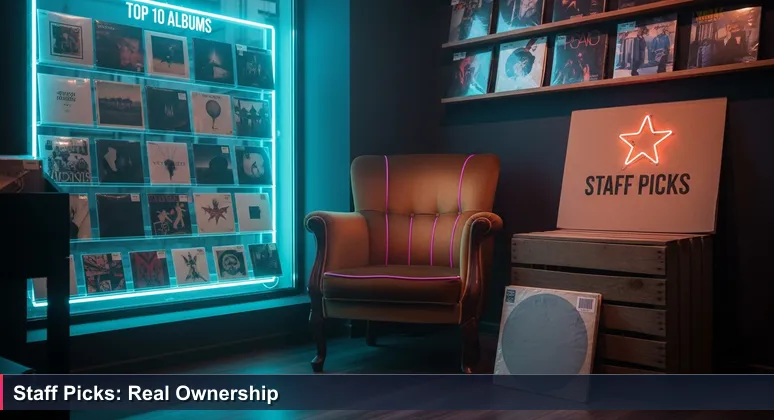
Inside a quiet Kyiv record store on Mezhyhirska Street, the front table catches every eye - sleek covers, familiar names, the obvious hits. But the real devotees always drift to the back, where a handwritten cardboard sign juts from a crate: “Staff Picks.” A single worn vinyl sleeve leans against it, no barcode, slightly scuffed. That’s where the discoveries live.
The 2026 junior developer market in Ukraine is that front table: brutally competitive, with over nine candidates per role according to the gold standard DOU.ua job board. Everyone chases the same polished logos - EPAM Systems, SoftServe, Grammarly. But the startups that actually mentor, promote fast, and let juniors own real features rarely make the glossy rankings. They’re the back crate.
As Ukrainian startups continue to scale despite a challenging macro environment, a new wave of product shops and defense-tech teams in Kyiv, Lviv, and Dnipro are quietly building the country’s most transformative engineering cultures. This listicle ranks ten of them by how much unscripted responsibility you’ll actually get. The next time you see a “Top 10” list, ask what the front display leaves out. The jobs that change your career are the ones filed under “Staff Pick.”
Table of Contents
- Introduction: The Back Crate Discovery
- VITA325
- SubSub
- SupportYourApp
- JustDone
- Genesis Technology Partners
- KodiX
- Military Tech Startup (Unnamed UAV Company)
- ORIL
- Military Tech Ecosystem (General Sector)
- B2beings (Portality)
- How to Find These Roles (The Back Crate Method)
- Evaluating Startup Stability in Ukraine
- Comparison to Regional Tech Hubs
- Frequently Asked Questions
- If you want to launch an AI career in Ukraine's tech hubs, this complete guide is essential reading.
VITA325
is a healthtech startup where juniors don’t wait years to touch production code. The engineering team is lean - small enough that a new hire often owns an entire microservice within their first few weeks. With a tech stack built on Python, React, and Node.js, the company develops mission-critical patient platforms that directly impact care delivery in Ukrainian clinics and abroad.
According to the Top 100 Rising Ukrainian Startups 2026 report on LinkedIn’s Ukrainian startup ecosystem analysis, VITA325 represents a new wave of post-2022 mission-driven tech companies that prioritize rapid ownership over rigid hierarchy. The startup operates a remote hybrid model with its home base in Kyiv, making it accessible to developers across Ukraine’s tech hubs.
Starting compensation for junior roles ranges between 20,000-28,000 UAH/month, with equity options denominated in foreign stock - a common structure for Ukrainian startups backed by US-based investors. The tradeoff is real: less formal structure than a multinational like EPAM, but a learning velocity that few large employers can match. For a junior developer who wants to build software that changes lives and is comfortable shipping fast, VITA325 offers a back-crate discovery worth chasing.
SubSub
SubSub operates at the intersection of creator economy and software engineering, building a platform that helps YouTubers grow their channels through intelligent collaboration tools. With a lean engineering team of fewer than fifteen people, the startup offers junior developers an accelerated path to full-stack ownership using React, Node.js, and TypeScript. New hires move from PR reviews directly with the CTO to deploying production code after a two-week ramp, according to Remote RocketShip’s April 2026 junior frontend listings.
The tradeoffs are real. SubSub is pre-Series A, which means runway depends entirely on organic growth and benefits remain minimal compared to established outsourcing firms like GlobalLogic or SoftServe. What the startup lacks in stability, it compensates with exposure: juniors here touch the full software development lifecycle, from requirements gathering to incident response. Three junior developers have been hired in 2026 alone, reflecting the company’s willingness to invest in raw talent.
For recent graduates from Kyiv Polytechnic Institute or Lviv Polytechnic who want to skip the ticket-sweeping phase, SubSub offers a remote-first environment accessible from anywhere in Ukraine. The trade-off between polished infrastructure and unscripted responsibility defines this back-crate pick - ideal for those who value learning velocity over comfort.
SupportYourApp
SupportYourApp operates what might be the most structured pipeline from entry-level to software engineer in Ukraine’s tech ecosystem. The company’s “Intelligent Support-as-a-Service” model serves as a deliberate training ground: support engineers spend 12-18 months learning Python and JavaScript through weekly code reviews with a dedicated senior buddy, then transition into internal product teams. According to Glassdoor’s ranking of top IT employers in Ukraine, this upward mobility model is a key differentiator for developers seeking a safety net without sacrificing growth.
Starting compensation for junior developer roles lands between 18,000-25,000 UAH/month - lower than the Kyiv startup average, but the tradeoff is unusually formal: a dedicated senior buddy, fixed weekly code reviews, and guaranteed internal mobility to product teams. The company operates fully remote across Ukraine, making it accessible to developers in Kharkiv, Dnipro, or Odesa who want a predictable path into software engineering without relocating to Kyiv.
Technically a service company, not a product startup, SupportYourApp lacks the equity upside of a B2beings or the adrenaline of a defense-tech team. Yet for graduates of Lviv Polytechnic or career-switchers from non-STEM backgrounds who want a structured ramp into development, it offers something rare in 2026’s hyper-competitive market: a back-crate discovery where the transition risk is largely removed. The growth may be slower, but the floor is solid.
JustDone
JustDone is building an AI-powered academic assistant that helps students and researchers with citations, paraphrasing, and source verification - essentially combining Grammarly’s writing intelligence with ChatGPT’s generative capabilities. The startup raised a seed round from local Ukrainian angels in early 2026, positioning itself within a rapidly growing space. According to Arab Founders’ analysis of Ukraine’s 2026 startup landscape, the AI and edtech sectors attracted significant seed-stage capital this year, validating JustDone’s market timing.
Juniors here work alongside just two senior engineers - both former team leads at Grammarly’s Kyiv engineering center. The culture explicitly encourages failing fast: one junior developer recently rewrote the entire editor plugin in three weeks, shipping to production without a formal sprint cycle. The tech stack runs on React, Node.js, and Python, giving new hires cross-stack exposure from day one. Remote work is standard, with optional co-working in Kyiv accessible through DOU.ua’s junior-filtered listings where the startup has actively recruited in 2026.
Compensation lands between 22,000-30,000 UAH/month plus a small ISOs equity stake - competitive for a seed-stage startup and comparable to what N-iX or Customertimes offer juniors in Kyiv. The tradeoff is direct: less process than a SoftServe, but the chance to work on AI features that reach thousands of users weekly. For graduates from Taras Shevchenko National University of Kyiv or Lviv Polytechnic who want to ship AI products rather than maintain enterprise tickets, JustDone is a back-crate find with real technical depth.
Genesis Technology Partners
Genesis Technology Partners operates as an internal startup studio: small teams of six engineers build entirely new products from scratch, working against tight deadlines with direct access to product managers and company founders. The tech stack runs on React, Node.js, and TypeScript - a modern combination that mirrors what you would find at fast-scaling product companies across Kyiv and Warsaw. According to the April 2026 job posting on DOU.ua, the company was actively hiring a Junior/Middle Frontend Engineer for a new product under development.
Unlike a typical early-stage startup, Genesis is backed by Genesis Investments, a well-known Ukrainian venture capital firm with a portfolio spanning edtech, fintech, and productivity tools. This financial backing provides higher stability than an unproven seed-stage company, which matters for juniors in a market where startup runway can be unpredictable. Compensation for junior roles lands between 24,000-32,000 UAH/month, competitive with what major outsourcers like N-iX or EPAM offer entry-level developers in Kyiv.
The tradeoff is real: because teams operate as independent squads with minimal oversight, direct mentorship is less structured compared to a true local startup like KodiX or ORIL. Juniors need to be proactive about asking questions and seeking code reviews. However, for developers graduating from Lviv Polytechnic or Taras Shevchenko National University of Kyiv who want to experience what it is like to ship a product from zero to launch, Genesis Technology Partners offers a rare blend of startup ownership with institutional backing - a back-crate find with a safety net attached.
KodiX
KodiX operates as a small product-and-agency hybrid in Lviv, building backend systems for logistics startups across Europe. What sets the company apart is its structured quarterly trainee cohort model: new hires spend 30% of their time on internal tools and 70% paired directly with a senior engineer on live client projects. According to Work.ua’s Lviv junior developer listings from April 2026, KodiX explicitly states its readiness to hire students and career-switchers, a rare signal in the hyper-competitive junior market.
The tech stack focuses on Node.js, PostgreSQL, and TypeScript, giving juniors deep backend exposure without the distraction of frontend frameworks. After six months in the program, most trainees are leading small features independently. The team consists of just twelve engineers, meaning everyone knows your name and skipped code reviews are impossible. This structure mirrors what a bootcamp graduate from Lviv Polytechnic or a local code school would need most: structured, repeatable exposure to production systems.
Starting compensation ranges from 18,000-22,000 UAH/month, notably lower than Kyiv’s average of 20,000-30,000 UAH/month. However, as highlighted by the Lviv IT Cluster’s ecosystem reports, the city’s lower cost of living makes this salary comfortable for a single person renting an apartment near the city center. For a junior developer who values personalized mentorship and real backend architecture work over a Kyiv office address, KodiX represents the back-crate ideal: unpolished on the surface, transformative underneath.
Military Tech Startup (Unnamed UAV Company)
The defense-tech sector in Ukraine is scaling at an unprecedented pace due to urgent national needs, and one unnamed UAV startup in Kyiv exemplifies what this means for junior developers. The company advertised a Junior Finance Controller and junior technical support roles on DOU.ua in late April 2026, signaling a willingness to invest in beginners for mission-critical positions. The tech stack spans C++, Python, React, and embedded systems, giving juniors rare exposure to both hardware-near and full-stack development within a single organization.
What makes this opportunity unique is the intensity of the learning curve. Code reviews happen daily, production bugs can have real-world consequences, and junior employees often work directly under senior experts on drone navigation or sensor integration. There is no ticket-sweeping phase - you jump straight into feature implementation. According to the LinkedIn analysis of Ukraine's top 100 rising startups, defense tech represents the fastest-growing hiring vertical in 2026, with numerous UAV companies actively recruiting entry-level engineers for on-site roles in Kyiv.
Compensation ranges from 20,000-26,000 UAH/month, below the Kyiv startup average but offset by unmatched hands-on experience. The startup prefers on-site presence in Kyiv, which means juniors get face-to-face mentorship from senior engineers with backgrounds at EPAM Systems or GlobalLogic. For a developer graduating from Kyiv Polytechnic Institute who wants to build code that directly impacts national security and gain transferable skills in embedded systems, this back-crate discovery offers a sense of contribution no other sector can match. The tradeoff is stress: this is not a place for those who need structured handholding.
ORIL
ORIL has built the most structured PropTech internship program in Lviv, designed specifically for trainee developers and QA engineers who lack commercial experience. The program rotates participants through frontend, backend, and QA over three months, followed by guaranteed placement into a junior role on a live client team. According to the Lviv IT Cluster’s ecosystem announcements, ORIL is heavily integrated with the city’s tech community, regularly sourcing candidates from university partnerships and local meetups.
The tech stack centers on React, Node.js, and QA automation, giving interns exposure to the full delivery pipeline rather than isolated ticket work. Since 2024, the company has placed over 30 interns into full-time positions, a track record that signals genuine commitment to junior development rather than cheap labour. Each intern receives weekly mentoring sessions with senior engineers who previously worked at firms like SoftServe or GlobalLogic, providing structured guidance without the bureaucracy of a large outsourcing company.
Compensation during the internship ranges from 15,000-18,000 UAH/month, with juniors earning 22,000-28,000 UAH/month upon conversion to full-time. This is competitive for Lviv, where the cost of living is roughly 20% lower than Kyiv according to the Glassdoor Lviv software trainee listings from March 2026. For a graduate of Lviv Polytechnic or a career-switcher seeking a reliable on-ramp into tech, ORIL is the closest thing to a formal bootcamp pipeline in western Ukraine - a back-crate discovery with a clear map and a known destination.
Military Tech Ecosystem (General Sector)
Beyond individual companies, Ukraine's broader defense-tech ecosystem has become the most dynamic hiring sector for junior developers in 2026. Multiple UAV and defense startups spanning Kyiv, Kharkiv, and Dnipro listed entry-level roles on Djinni.co and DOU.ua throughout March and April 2026, creating an unprecedented volume of opportunities for beginners. The tech stacks vary widely - from embedded C++ and Python to full-stack JavaScript and AI - meaning juniors can find a niche that matches their specific interests.
What distinguishes this sector from traditional outsourcing or product companies is the velocity of responsibility. Because these startups operate under urgent national timelines, they cannot afford the slow ramp-up typical of larger firms. Juniors skip the "ticket-sweeping" phase entirely and jump straight into feature implementation on mission-critical systems. The Kharkiv IT Cluster launched a dedicated Boot Camp 2026 program where students build MVPs alongside industry mentors from active defense startups, creating a direct pipeline from learning to deployment.
Typical junior compensation lands between 20,000-28,000 UAH/month, often supplemented with equity options for early employees. The mentorship is informal but intense - you learn because the mission demands it. Graduates of Kyiv Polytechnic Institute or Kharkiv National University of Radioelectronics who join these teams gain expertise in embedded systems, real-time data processing, or computer vision that transfers directly to commercial roles at firms like GlobalLogic or EPAM Systems after a year or two.
For a junior developer who wants to contribute to something historic while building skills that compound across any future career, this sector is the back-crate discovery that pays dividends beyond salary. The work is demanding, the stakes are real, but the growth trajectory is unmatched anywhere in Ukraine's 2026 tech landscape.
B2beings (Portality)
B2beings, operating under the brand name Portality, is building a supply chain automation platform that lets logistics companies reduce manual work by up to 80%. The startup won the YEP Accelerator Demo Day in early 2026, securing a $25,000 non-equity grant from u.ventures and signalling strong investor confidence. The team consists of just ten people - lean, high-growth, and explicitly designed to give juniors ownership from day one rather than after a probation period.
The tech stack spans Node.js, Python, and React, giving new hires full-stack exposure within a real product used by paying logistics clients across Europe. One junior developer hired in early 2026 now owns the entire invoice matching module - a production-critical component that processes thousands of transactions weekly. According to the Top 100 Rising Ukrainian Startups 2026 analysis on LinkedIn, B2beings represents the type of product-first company where junior engineers accelerate faster than in any outsourcing environment.
Compensation lands between 25,000-32,000 UAH/month - competitive even by Kyiv startup standards - plus equity in a foreign-option structure that gives upside exposure. The culture is “small team, big impact”: you will work directly with the founder, attend investor updates, and shape the product roadmap within weeks. For graduates of Taras Shevchenko National University of Kyiv or Lviv Polytechnic who want to skip the ticket-swamping phase entirely, B2beings is the definitive back-crate discovery - a worn sleeve leaning against a handwritten sign that, once played, changes everything.
How to Find These Roles (The Back Crate Method)
Forget the front table. Stop refreshing Glassdoor or LinkedIn for Ukrainian startups. Instead, adopt the back crate method: focus on the channels where early-stage founders actually post before their jobs hit the mainstream aggregators. Start with DOU.ua’s junior-filtered listings - B2beings, ORIL, and most product startups list here first, not on LinkedIn. Create an anonymous profile on Djinni.co, where early-stage founders often reach out directly to candidates without the noise of hundreds of applicants.
Beyond job boards, target the ecosystems where founders and juniors intersect naturally:
- Founder Telegram channels like "Ukrainian Tech Founders" and "Startup Job Board UA" - startups post roles here hours before they appear anywhere else
- Accelerator demo days from YEP, 1991 Ventures, and UNIT.City - founders in the room actively scout passionate juniors who ask smart questions
- VC portfolio pages of AVentures, TA Ventures, or Horizon Capital - their backed startups often hire quietly without public listings
- Local IT clusters including the Lviv IT Cluster and the Kharkiv IT Cluster, which run dedicated boot camps and internship matchmaking programs
When you find a founder, use a specific outreach template that signals readiness for ownership rather than a need for handholding. Try this on Telegram or LinkedIn: "Hi [name], I’ve been following [startup]’s growth. I’m a junior developer with experience in [tech stack] and would love to contribute to [specific product area]. I know you’re a small team - I’m comfortable taking ownership quickly. Could we chat for 10 minutes about what you’re building?" The startups that change your career are the ones that haven't updated their careers page yet - and that is precisely where you should be looking.
Evaluating Startup Stability in Ukraine
When you find a back-crate startup that excites you, the next question is whether it will survive long enough for your equity to vest. Evaluating startup stability in Ukraine requires looking beyond the pitch deck and checking five concrete signals that separate funded ventures from passion projects with limited runway.
- Runway: Ask directly how many months of cash the startup has. Public announcements like B2beings’ $25,000 YEP Accelerator grant signal at least 6-12 months of operational breathing room. If the founder hesitates or gives a vague answer, consider it a red flag.
- Recurring revenue: Look for public case studies, client logos on the website, or testimonials from paying customers. A startup with even a handful of signed contracts is fundamentally more stable than one still building for “future users.”
- Investor names: Startups backed by established Ukrainian funds like AVentures, TA Ventures, or Horizon Capital have passed a rigorous vetting process. According to the Alcor analysis of Ukraine’s 2026 developer market, VC-backed startups also tend to offer more structured equity packages and clearer growth paths.
- Hiring velocity: Are they hiring multiple engineers across different roles simultaneously? Healthy, deliberate growth signals confidence. Panic hiring of five people in one week after a single lost client does not.
- Legal context: Verify the company is registered in Ukraine or has a local entity like a ФОП-compatible structure. Avoid ambiguous “remote-only” setups without a contract. As noted by TechCrunch’s coverage of Ukraine’s resilient startup ecosystem, properly registered companies offer better legal protections and consistent tax documentation
For a junior developer weighing a role at a startup versus a stable outsourcer like SoftServe or EPAM, these five checks transform guesswork into informed risk assessment. The back-crate approach doesn’t mean ignoring stability - it means knowing exactly which risks you are taking and why.
Comparison to Regional Tech Hubs
Ukraine’s startup ecosystem in 2026 offers junior developers a fundamentally different value proposition than neighbouring regional hubs. While Warsaw and Prague boast higher nominal salaries, the tradeoff is striking: a junior developer in Kyiv earns 20,000-30,000 UAH/month (€500-750), compared to €1,500+ in Warsaw. However, the cost of living in Kyiv is roughly 40-50% lower, and the ownership opportunities at Ukrainian startups dwarf what most Polish or Czech companies offer entry-level engineers.The table below distills the key differences across three major hubs that compete for the same talent pool:
| Factor | Kyiv, Ukraine | Warsaw, Poland | Prague, Czech Republic |
|---|---|---|---|
| Junior salary (monthly) | 20,000-30,000 UAH (€500-750) | €1,500-2,200 | €1,300-1,800 |
| Cost of living (one-bedroom rent) | €250-400 | €700-1,000 | €600-900 |
| Talent density (junior roles) | 9+ candidates per role | 5-8 candidates per role | 4-7 candidates per role |
| Ownership velocity | Weeks to feature ownership | Months to first substantial feature | Months to first substantial feature |
| Major employers accessible | EPAM, SoftServe, Grammarly, Ciklum, GlobalLogic | Allegro, CD Projekt, Google | Avast, Kiwi.com, Microsoft |
As the Alcor analysis of Ukrainian developer talent highlights, the density of engineering talent in Kyiv, Lviv, and Kharkiv creates a competitive environment where startups must differentiate through mentorship and responsibility rather than salary alone. A junior who joins a Ukrainian startup in 2026 typically ships production code within their first month, not their first quarter. According to LinkedIn’s Ukrainian developer salary analysis, the gap in purchasing power between Kyiv and Warsaw narrows significantly when adjusted for rent and living expenses. For a junior developer at a bootcamp graduate from Kyiv Polytechnic Institute or Lviv Polytechnic, the choice is clear: lower cash compensation in exchange for faster career acceleration, real product ownership, and the chance to build something that matters rather than maintain someone else’s legacy system.
Frequently Asked Questions
Which startup on this list pays junior developers the most?
B2beings (Portality) leads with 25,000-32,000 UAH/month plus equity, closely followed by Genesis Technology Partners at 24,000-32,000 UAH/month. Both offer competitive pay for juniors in Ukraine, with B2beings offering direct feature ownership that accelerates growth.
How can I apply for junior developer roles at these startups?
Use the 'junior' filter on DOU.ua and Djinni.co - most startups list there first. Join Telegram channels like 'Ukrainian Tech Founders' and attend accelerator demo days from YEP or UNIT.City to network directly with founders.
Are these startups safe to work for given the war in Ukraine?
Most listed startups have stable funding, like B2beings' $25,000 non-equity grant, and many operate remotely from anywhere in Ukraine. Check runway, investor backing (e.g., AVentures, Horizon Capital), and verify the company has a local entity for legal protection.
Which startup is best for a complete beginner with no prior job experience?
ORIL's PropTech Internship Program is ideal: it offers rotations across frontend, backend, and QA with weekly mentoring, starting interns at 15,000-18,000 UAH/month and transitioning to junior roles at 22,000-28,000 UAH/month. SupportYourApp also provides a structured path from support engineer to developer.
Can I work remotely for these startups if I'm not based in Kyiv?
Yes, many are remote-friendly: SubSub, JustDone, and SupportYourApp hire from anywhere in Ukraine. Some like Genesis and KodiX offer hybrid options, while military tech startups prefer on-site in Kyiv for sensitive work - specifics are listed in each role description.
Read the 2026 guide to AI careers in Ukraine beyond big tech, ranked by real-world impact.
Discover whether Ukraine is a good country for a tech career in 2026.
Check out this comprehensive overview of AI communities and events in Kyiv and beyond.
Our team compiled the top 10 AI startups Ukraine tech professionals should follow, from defense tech to health AI.
Read our article on the best women in tech communities in Ukraine.

Irene Holden
Operations Manager
Former Microsoft Education and Learning Futures Group team member, Irene now oversees instructors at Nucamp while writing about everything tech - from careers to coding bootcamps.