









Top 10 Tech Jobs That Don't Require a Degree in Chicago, IL in 2026
By Irene Holden
Last Updated: February 25th 2026
Too Long; Didn't Read
In 2026, Chicago's tech job market offers accessible, high-paying roles without a degree, with top picks like Junior DevOps Engineers earning up to $115,000 and Cybersecurity Analysts making over $105,000 due to the city's skills-first hiring revolution. These opportunities are fueled by major employers like JPMorgan Chase and Google, and you can land them through hands-on training from bootcamps like Nucamp and industry certifications.
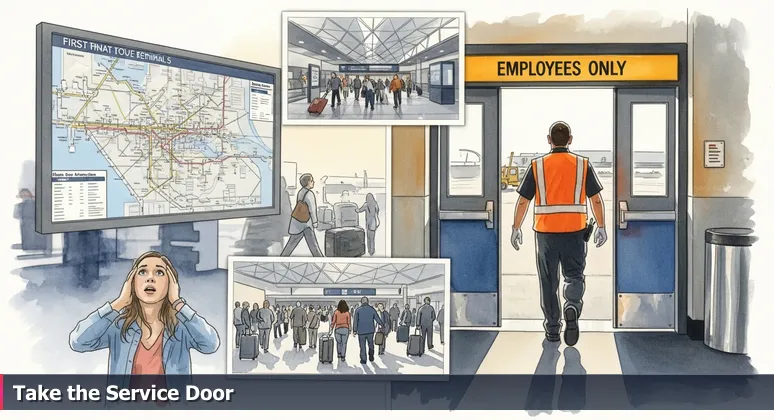
We’ve all stood frozen in O’Hare, squinting at the official terminal map, while watching airline staff glide through hidden doors to reach the tarmac in half the time. In 2026, Chicago’s booming tech sector operates on the same principle. Employers like JPMorgan Chase and Accenture are prioritizing the direct, practical skill over the formal credential, fueling a skills-first hiring revolution across finance, logistics, and retail.
This shift is powered by the region's massive and diverse economy. Giants from United Airlines at O'Hare to Walgreens in Deerfield, along with major tech offices for Google and Microsoft, create a constant demand for practical tech talent. According to a report by World Business Chicago, the city's tech growth is driving significant upward mobility, with 3,620 non-degree tech certificates awarded in 2023 alone leading to median wages of $49.42 per hour.
The landscape has fundamentally changed. As analysis from Apollo Technical notes, employers now often care more about certifications like CompTIA Security+ or a robust portfolio than a traditional diploma. This opens accessible, high-paying pathways into roles from cybersecurity to data analysis, bypassing the crowded traditional gate and stepping directly onto the runway of a rewarding career.
Table of Contents
- Unlock Chicago's Tech Career Pathways
- Junior DevOps Engineer
- Cybersecurity Analyst
- Junior Web Developer
- Data Analyst
- IT Support Specialist
- UX/UI Designer
- QA Tester
- Systems Administrator
- Technical Analyst Apprentice
- Tech Support Representative
- Launch Your Chicago Tech Future
- Frequently Asked Questions
This article provides a comprehensive overview of AI salaries and roles in Chicago.
Junior DevOps Engineer
Think of this role as the ultimate insider's shortcut, combining coding and system operations to keep software delivery fast and reliable for Chicago's corporate giants. As the city's tech sector expands, demand has skyrocketed for professionals who can manage cloud infrastructure and CI/CD pipelines, making it a premier entry point.
To land a position paying $75,000 to $115,000+, you'll need to demonstrate hands-on capability with Linux, containerization using Docker, cloud platform basics on AWS or Azure, and scripting in Bash or Python. Major players like JPMorgan Chase run dedicated Emerging Talent Programs for these roles, while firms like Accenture hire apprentices based purely on demonstrable technical aptitude.
Your path from zero to hired starts with foundational certifications like the AWS Certified Cloud Practitioner. Next, build a public GitHub portfolio featuring a project where you containerize an application, set up a CI/CD pipeline using GitHub Actions, and deploy it to a cloud service. On your resume, title your "Education" section as "Technical Training & Projects" to showcase these tangible skills.
Cybersecurity Analyst
In a city where finance and healthcare titans like JPMorgan Chase and United Airlines guard vast digital assets, protecting networks is a top priority. The entry-level cybersecurity analyst role involves monitoring for threats and responding to incidents, with Chicago employers actively seeking passionate, certified talent over degree-holders.
With a projected salary range of $70,000 to $105,742, this path demands skills in network security fundamentals, threat detection, and familiarity with SIEM tools. Employers such as Motorola Solutions and Discover Financial Services recruit analysts who hold certifications in lieu of degrees, a trend noted on platforms like Built In Chicago.
The proven entry ticket is the CompTIA Security+ certification, an industry-standard baseline highly respected by local hiring managers. Pair this with hands-on experience from virtual labs like TryHackMe. On your resume, lead with this certification and a "Lab & Projects" section detailing a home lab where you configured a firewall or analyzed packet captures to demonstrate practical, proactive defense skills.
Junior Web Developer
Building and maintaining the digital storefronts for Chicago's vast retail and services sector creates relentless demand for web developers. Your portfolio, not a diploma, is your passport to this field, where employers prioritize demonstrable coding skill over formal education.
Junior developers in Chicago can expect a salary range of $58,900 to $110,116, with an average around $76,652 according to Glassdoor data. Essential skills include mastery of HTML/CSS, JavaScript, a modern framework like React, and Git version control. Local icons like Lettuce Entertain You and global firms with Chicago offices actively seek bootcamp graduates with strong portfolios.
A structured, project-based education path is key. Bootcamps like Nucamp's Back End, SQL and DevOps with Python provide the collaborative project experience employers want. Your resume should feature a link to a live, deployed portfolio showcasing 3-4 projects, such as a Chicago restaurant finder app using a public API. In interviews, be ready to walk through your code and explain your development decisions.
Data Analyst
Businesses from The Loop to the Magnificent Mile run on data, creating consistent demand for analysts who can transform raw numbers into actionable insights. This role is a cornerstone of Chicago's diverse economy, where employers value problem-solvers who can wield SQL and visualization tools over candidates with just a formal degree.
The 2026 salary range for data analysts in Chicago is $65,000 to $98,500. Key skills to master include SQL for querying, advanced Excel, data visualization with Tableau or PowerBI, and basic statistical analysis. Companies like Catalyte use an aptitude-based apprenticeship model to hire and train analysts, while Accenture and Aon seek candidates who can showcase data-driven projects from the start.
Your pathway begins by mastering SQL and earning a certification on a free platform like Tableau Public. Then, tackle a real-world project using Chicago's open data portal: clean a dataset and create a dashboard that tells a story about city transit or business trends. As noted in industry analysis, many employers now prioritize your portfolio and logical reasoning over your diploma, making demonstrable projects your most valuable credential.
IT Support Specialist
As the critical frontline of tech, IT support specialists keep Chicago's corporate infrastructure running, providing essential help desk services. This role represents one of the most accessible entry points into the industry, with significant growth potential within the vast networks of local finance, healthcare, and retail giants.
In 2026, specialists can expect a salary range of $50,200 to $91,810, with an average of $83,651 according to ZipRecruiter data. The essential skillset combines hardware and software troubleshooting for Windows and macOS, exceptional customer service, and basic network knowledge. The universal key to unlocking these roles is the CompTIA A+ certification.
Chicago's skills-first employers are eager to fill these positions. Accenture's Apprenticeship Program and JPMorgan Chase offer structured pathways, while local firms like Noventech, Inc. explicitly seek candidates with "just a genuine interest in technology," as highlighted on Built In Chicago.
Your path begins with the CompTIA A+ cert. Gain practical experience by volunteering to manage tech for a local community group or small business, quantifying results like "reduced setup time by 30%" on your resume. For interviews, especially at customer-facing companies, practice explaining technical solutions calmly - your soft skills are half the job.
UX/UI Designer
In a city filled with global brands competing for customer attention, exceptional user experience is a critical competitive advantage. Junior UX/UI designers focus on crafting intuitive digital products, and in Chicago, your creative portfolio serves as your primary credential, opening doors more effectively than a traditional degree.
Entry-level designers can command a salary range of $67,000 to $125,757, with the high end confirmed by Glassdoor's Chicago data. Essential skills include proficiency in tools like Figma or Adobe XD, wireframing, prototyping, and a solid understanding of user research principles. Companies like Life360 and Preferred Hotels & Resorts hire based squarely on the strength and thought process demonstrated in a design portfolio.
Your journey begins by building a portfolio with 2-3 detailed case studies. Consider redesigning the checkout flow for a local Chicago business's website or creating a prototype for a community app. Crucially, document your entire process - from initial user research to final mockups. On your resume, replace a degree section with a direct link to your online portfolio and a list of tools you master. In interviews, be prepared to narrate the story behind your best work: who the user was, the specific problem you solved, and how your design decisions measurably improved their experience.
QA Tester
Every application and website launched by a Chicago company requires rigorous quality assurance, making the QA tester a vital gateway into the tech development lifecycle. This role focuses on methodical thinking and a keen eye for detail to ensure software quality before it reaches users.
The salary range for QA testers in Chicago spans $43,427 to $94,500, with an average of $59,379 according to ZipRecruiter. Essential skills include manual testing methodologies, writing clear test cases, and logging bugs in systems like Jira. To advance and command higher pay, learning automation basics with tools like Selenium is a major plus.
Chicago tech companies like Relativity and Synchrony actively hire testers who can demonstrate this systematic approach. Your path starts by learning software testing fundamentals and bug lifecycles through free online resources. Build experience by testing popular websites or apps, writing detailed bug reports as if for a real development team, and including these in a "Testing Projects" section on your resume.
Systems Administrator
Keeping the internal networks and servers of Chicago's sprawling enterprises operational is critical, behind-the-scenes work. This entry-level systems and network role focuses on configuration, maintenance, and support, with clear pathways established through industry-recognized certifications rather than four-year degrees.
Professionals in this field can expect a salary range of $70,000 to $85,000 in the Chicago market. The role demands demonstrated skills in network configuration, server maintenance, working with Active Directory, and supporting cloud migration projects. Employers like Motorola Solutions and local IT firms provide training programs to build these specific technical abilities, as noted in regional hiring data.
The most direct route is through certifications like the Cisco Certified Network Associate (CCNA) or CompTIA Network+. To build practical experience, set up a home lab using old equipment or simulation software to practice configuring routers and switches. On your resume, detail this hands-on lab work under a dedicated "Hands-On Network Experience" section. For interviews with major Chicago employers, emphasize your logical troubleshooting process and meticulous documentation skills, which are as valuable as your technical knowledge.
Technical Analyst Apprentice
This role is specifically engineered as a skills-first gateway into Chicago's corporate tech landscape. Technical analyst apprentices are trained to analyze business needs and translate them into technical requirements, with hiring based primarily on aptitude and problem-solving potential rather than prior experience or degrees.
During training, apprentices can expect a starting salary range of $45,000 to $65,000. The role requires demonstrating strong logical reasoning, analytical thinking, adaptability, and a genuine interest in how technology solves business problems. Renowned programs at companies like Catalyte and Accenture use proprietary assessments to identify high-potential candidates from all backgrounds.
Your pathway is distinct: these programs actively seek raw talent. Prepare by practicing logic puzzles and analytical reasoning tests. On your resume, emphasize any experience where you improved a process, analyzed information for a decision, or learned a complex system quickly. The application process itself serves as your interview; your goal is to demonstrate coachability, a structured problem-solving approach, and an eagerness to thrive in a fast-paced tech environment.
Tech Support Representative
Consider this role the ultimate "service door" into Chicago's tech ecosystem - a pure skills-and-attitude hire with massive demand across every industry from logistics to retail. As the frontline for software-specific or customer-facing support, it's a role defined by problem-solving under pressure and clear communication.
Tech Support Representatives in Chicago command a salary range of $52,000 to $70,000. The essential skills are less about deep technical knowledge and more about exceptional soft skills: advanced problem-solving, the ability to navigate CRM software, and maintaining calm, helpful phone and email etiquette. Numerous Chicago-area companies, including The Yecina Division and Hartford Technology Rental, offer 100% on-the-job training for candidates with the right demeanor, a trend visible on job boards like Indeed.
Your path is about showcasing potential and transferable experience. Any customer service background is highly relevant. On your resume, strategically reframe past retail or service jobs under a heading like "Customer Technical Support," highlighting specific times you resolved an issue by navigating a complex point-of-sale or booking system. In interviews, your demeanor is paramount; demonstrate that you're the person who stays friendly under pressure, listens carefully, and is resourceful enough to find answers you don't immediately know.
Launch Your Chicago Tech Future
The map is not the territory. Chicago's 2026 tech landscape, powered by its global employers and anchored by a robust research ecosystem from the University of Chicago to Argonne National Lab, has redesigned its entryways. The crowded, degree-required terminal is no longer the only route; a network of service doors - marked by certifications, portfolios, and demonstrable skill - now stands open.
The journey begins with a decisive shift in mindset: from seeking permission via a credential to proving capability through tangible work. As emphasized in broader industry analysis, employers increasingly value your reflective vest of hands-on experience over a traditional boarding pass. This is the core of the skills-first revolution transforming hiring at companies from The Loop to O'Hare's corporate campuses.
Your launch sequence is clear: identify your target role from finance tech to logistics software, acquire the key certification or build the pivotal portfolio project, and engage directly with Chicago's unique apprenticeship programs and employers. The region's growth, detailed by World Business Chicago, creates a runway of opportunity. Step beyond the official map, prove you can navigate the terrain, and step directly into a high-flying tech career.
Frequently Asked Questions
Is it really possible to get a high-paying tech job in Chicago without a degree?
Yes, Chicago's employers are shifting to a 'skills-first' approach, prioritizing practical abilities over formal credentials. For instance, Junior DevOps Engineers can earn $75,000 to $115,000+ with certifications and hands-on projects, thanks to demand from companies like JPMorgan Chase and Google in the metro area.
Which tech role in Chicago pays the most for someone without a degree?
Junior DevOps Engineers top the list, with a 2026 Chicago salary range of $75,000 to over $115,000. Other lucrative options include Cybersecurity Analysts ($70,000 to $105,742) and UX/UI Designers ($67,000 to $125,757), all accessible through certifications and portfolio work.
How can I start a tech career in Chicago if I don't have a degree or experience?
Begin by earning key certifications like CompTIA A+ for IT support or AWS Cloud Practitioner for cloud roles, and build a portfolio with real projects. Programs like Nucamp's bootcamps offer structured training that mimics industry work, making you a strong candidate for Chicago's apprenticeship initiatives at firms like Accenture.
Are there specific Chicago companies known for hiring tech roles without degrees?
Yes, major Chicago employers like JPMorgan Chase, Motorola Solutions, and Accenture run dedicated programs for non-degree holders. Local icons such as Lettuce Entertain You and tech offices like Google's in the city also value skills over formal education in their hiring practices.
What's the fastest way to gain the skills needed for these Chicago tech jobs?
Focus on project-based learning through bootcamps like Nucamp, which teach in-demand skills like Python or web development with hands-on experience. Pair this with certifications relevant to your target role, such as CompTIA Security+ for cybersecurity, to stand out in Chicago's competitive job market.
Read about the best industries for AI careers in Chicago outside of big tech.
Explore premier companies hiring machine learning engineers in Chicago for the upcoming year.
This article covers scholarships, grants, and government aid for Chicago tech careers.
This article ranks the top paying tech roles in Chicago based on 2026 salary data and market trends.
For a detailed look at the Top 10 AI Tech Bootcamps in Chicago for 2026, check out this comprehensive guide.

Irene Holden
Operations Manager
Former Microsoft Education and Learning Futures Group team member, Irene now oversees instructors at Nucamp while writing about everything tech - from careers to coding bootcamps.