









Top 10 Tech Jobs That Don't Require a Degree in Bangladesh in 2026
By Irene Holden
Last Updated: April 9th 2026
Too Long; Didn't Read
Junior web developer and junior data analyst top the list of tech jobs you can get in Bangladesh in 2026 without a degree because companies in Dhaka and Chattogram now hire on skills and portfolios; entry-level web developers typically earn about 25,000 to 45,000 BDT per month while junior data analysts start around 30,000 to 45,000 BDT. Career-focused bootcamps like Nucamp can fast-track you into these roles - Nucamp reports roughly 75 percent graduation and about 78 percent employment and connects graduates to local employers such as bKash, Brain Station 23 and DataSoft.
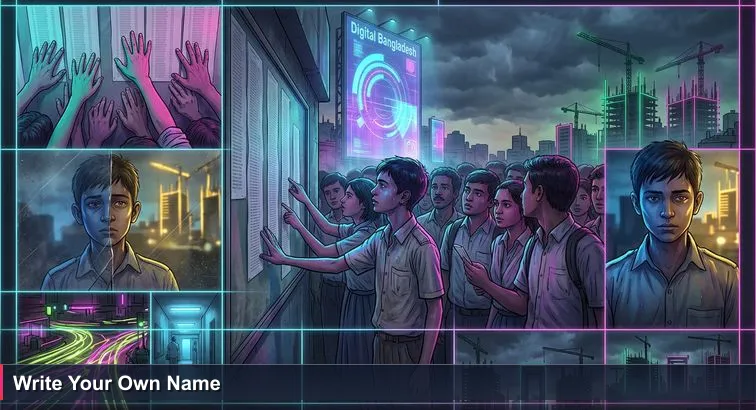
The glass is fogging up from all the breath. Outside a Farmgate coaching centre, shoulders press together, necks crane, fingers trace down photocopied columns of roll numbers. Someone finds their place and the tension snaps into shouted phone calls home. A boy in a faded college uniform reaches the bottom of the page, realises his number isn’t there, and just stands still as the crowd moves around him.
For years, that moment has felt like a verdict in Bangladesh: no name on the merit list, no seat at a public university, no “respectable” career. Our lives are organised by lists - GPA rankings, “top” campuses, coaching centre toppers framed on the wall. Another list that looks just as unforgiving is the “Top 10 Tech Jobs” article you scroll past on your phone, as if it’s yet another board deciding who gets in.
When the list changes sides
But if you walk a few hundred metres and open Bdjobs or a Facebook group like Dev for Hire (CSE/EEE/IT Jobs in Bangladesh), the pattern has shifted. By 2026, the tech sections are crowded with posts that say “Degree preferred, but not mandatory”, “GitHub link required”, or “Portfolio only” instead of BUET/DU only. Platforms tracking this shift, such as eShikhon’s overview of tech jobs without degrees, show how roles like web developer, data analyst, and QA tester are now openly accessible through skills, not certificates.
Powered by Digital Bangladesh, the Smart Bangladesh 2041 vision, and new Hi-Tech Parks rising from Kaliakair to Bangabandhu Sheikh Mujib Shilpa Nagar, Dhaka and Chattogram employers - bKash, Brain Station 23, TigerIT, BJIT, Samsung R&D Bangladesh - increasingly hire on what you can build, not where you once sat for exams.
This “Top 10 tech jobs without a degree” list isn’t another judgement board; it’s a different kind of noticeboard. Each role is a doorway you can choose: with a 6-9 month plan, a few Bangladesh-focused projects, and the right short courses, you’re not waiting to see if your name appears anymore - you’re learning how to write it there yourself.
Table of Contents
- From Farmgate to the 2026 Tech Job Board
- Junior Web Developer
- Junior Data Analyst
- Junior Mobile App Developer
- DevOps and Site Reliability Engineer
- Entry-Level Cybersecurity Analyst
- QA and Software Tester
- UI/UX Designer
- IT Support Specialist
- Technical Customer Support
- Advanced Data Entry Operator
- How to choose your path and get started
- Frequently Asked Questions
Students and bootcamp graduates should consult the complete AI career guide for Bangladesh (2026) for salary bands and role mapping.
Junior Web Developer
For junior web developers in Dhaka or Chattogram, the browser window becomes your new noticeboard. You’re the one building and maintaining everything from a Mirpur-based e-commerce site to a shipment tracking dashboard for a Chattogram freight forwarder. Day to day, that means turning designs into responsive pages with HTML, CSS, and JavaScript, then wiring them to a backend in Node.js or PHP.
Salary & hiring patterns
Entry-level web developers typically earn around 25,000-45,000 BDT/month, rising to roughly 55,000-110,000+ BDT/month by mid-career, in line with junior developer salary snapshots for Dhaka. Software houses like DataSoft and Brain Station 23, and export-focused firms in Dhaka’s and Chattogram’s tech hubs, regularly hire juniors who can show working projects rather than four-year CS degrees. Many job ads now ask for a GitHub link and live portfolio before they ask about your university.
Bootcamps and learning paths (no degree needed)
You can start with free MDN docs and YouTube playlists, then formalise your path through short, outcomes-focused bootcamps. Nucamp’s programs combine remote learning with local study groups in Dhaka and Chattogram, reporting a ~75% graduation rate and ~78% employment, plus a 4.5/5 Trustpilot rating with about 80% five-star reviews.
| Program | Duration | Primary Focus | Tuition (BDT) |
|---|---|---|---|
| Web Development Fundamentals | 4 weeks | HTML, CSS, basic JS | 49,000 |
| Front End Web & Mobile | 17 weeks | Responsive front end, React | 227,000 |
| Full Stack Web & Mobile | 22 weeks | React, Node.js, databases | 279,000 |
For deeper back-end skills, Nucamp’s Back End, SQL and DevOps with Python runs 16 weeks at 227,000 BDT, while its Complete Software Engineering Path spans 11 months at 604,000 BDT. More AI-oriented learners can move into the Solo AI Tech Entrepreneur (25 weeks, 426,000 BDT) or AI Essentials for Work (15 weeks, 383,000 BDT) once their web fundamentals are solid.
Practical 6-9 month roadmap
A realistic progression is:
- Months 1-2: Learn HTML, CSS, and basic JS; clone simple Bangladeshi sites.
- Months 3-6: Join a structured bootcamp; build 2-3 Bangla/BD-focused sites.
- Months 6-9: Ship at least 3 polished projects, deploy to Netlify/Vercel, and refine your CV/LinkedIn around them.
According to Nucamp’s breakdown of top coding bootcamps in Bangladesh, this kind of portfolio-first approach is exactly what Dhaka and Chattogram employers now reward in junior web developer roles.
Junior Data Analyst
Instead of debugging code, junior data analysts in Dhaka and Chattogram debug spreadsheets and databases. Your days revolve around cleaning messy CSVs, writing SQL queries, and building dashboards in Excel, Power BI, or Tableau so business teams can make decisions on everything from bKash transaction patterns to Pathao rider churn.
Entry-level roles typically pay around 30,000-45,000 BDT/month, rising to roughly 50,000-80,000+ BDT/month with 3-5 years of experience. A market analysis by the GTC Analytics Club on data analyst hiring in Bangladesh highlights strong demand for SQL and visualisation skills across banks, telecoms, and fintechs, naming tools like Power BI as “must-have” rather than “nice-to-have.”
A 6-8 month roadmap from zero
You don’t need a statistics degree to get started, but you do need a clear sequence:
- Months 1-2 - Excel & basics: Master formulas, pivot tables, and charts. Practice with Bangladesh Bureau of Statistics or Bangladesh Bank data.
- Months 3-5 - SQL + BI: Learn SELECT, JOIN, GROUP BY on free SQL practice sites. Then pick Power BI (very common in local banks) or Tableau to build interactive dashboards.
- Months 5-8 - Structured course + portfolio: Take a focused short course via BITM/BASIS or an institute from lists like Dewan ICT’s top IT training institutes, and turn class assignments into polished case studies.
Strong portfolios typically include three Bangladesh-centric dashboards: mobile financial services usage by division, ride-sharing trends for Dhaka/Chattogram, and a profit dashboard for a fictional Agrabad-based exporter. Add a certification such as the Google Data Analytics Professional Certificate or Microsoft Power BI Data Analyst to signal baseline competence.
On your CV and LinkedIn, lead with tools and outcomes: “Cleaned 100,000+ rows of MFS transactions using SQL; built a Power BI dashboard that highlights fraud risk by thana.” In interviews with teams at bKash, Nagad, Grameenphone, or local banks, expect a short case study using a CSV file and questions about how you handle missing values, outliers, and chart selection for non-technical stakeholders.
Junior Mobile App Developer
On the mobile side of Bangladesh’s tech scene, junior app developers are the ones turning wireframes into the apps people in Uttara, Mirpur, or Agrabad tap all day. You work with Flutter, React Native, or native stacks like Kotlin/Swift to build ride-sharing clones, e-commerce apps, or internal tools for logistics and garments exporters.
In 2026, entry-level salaries for junior mobile developers sit around 25,000-45,000 BDT/month, with mid-level roles reaching roughly 50,000-95,000 BDT/month. These bands line up with junior software developer ranges reported for Dhaka on platforms like Glassdoor’s salary snapshots. Local software houses such as Brain Station 23 and TigerIT, along with app-heavy startups, increasingly shortlist candidates based on GitHub repos and live apps rather than university names.
From zero to publishing your first app
A focused 6-9 month path looks like this:
- Months 1-2 - Programming basics: Learn fundamental concepts in Python or JavaScript: variables, loops, functions, data structures, and how APIs work.
- Months 3-6 - Pick a framework: Choose Flutter (very popular in Dhaka and Chattogram shops) or React Native. Build simple apps like a to-do list, expense tracker, or local bus schedule viewer.
- Months 6-9 - Structured learning + real projects: Enrol in a front-end or full-stack bootcamp from providers highlighted in overviews of Bangladesh’s IT and tech job market, then ship 2-3 portfolio apps.
Strong beginner portfolios often include:
- A Pathao/Foodpanda-style ordering app with mock data
- A Ramadan timetable app with prayer and iftar times for major cities
- A micro-learning app for SSC students following the NCTB syllabus
Publishing at least one app on Google Play and hosting others on GitHub shows hiring managers you can deliver. In interviews with Dhaka or Chattogram firms, expect take-home tasks like adding push notifications or integrating a simple REST API and be ready to explain performance decisions, offline support, and how you handled Bangla text rendering.
DevOps and Site Reliability Engineer
In many export-oriented software firms in Dhaka and Chattogram, DevOps and junior Site Reliability Engineers are the quiet force keeping overseas clients happy. You sit between developers and operations, scripting deployments, managing Linux servers, wiring up CI/CD pipelines, and watching dashboards so Bangladeshi-built apps stay fast and available for users in Europe, the Gulf, or North America.
Because a single hour of downtime can break an SLA with a foreign client, these roles command solid pay. Entry-level DevOps/SRE positions typically start around 35,000-55,000 BDT/month, with mid-level salaries reaching roughly 70,000-120,000+ BDT/month as you take ownership of cloud infrastructure and automation. Globally, specialised DevOps and AI-backend engineers working from Asia can earn far more in remote roles, with some drawing the equivalent of USD 45,000-80,000/year as highlighted in analyses of AI developer rates across regions.
Core skill stack
To be taken seriously for junior roles, you’ll need a blend of:
- Comfortable Linux command-line skills and basic networking (TCP/IP, DNS, HTTP)
- Experience with Git, Docker, and at least one CI tool (GitHub Actions, GitLab CI, Jenkins)
- Hands-on cloud exposure on AWS, Azure, or a VPS provider
- Monitoring and logging with tools like Prometheus, Grafana, or cloud-native dashboards
6-10 month roadmap without a degree
- Months 1-3 - Linux & networks: Learn shell commands, services, permissions, and core networking concepts using Network+ style resources.
- Months 3-6 - Containers & CI/CD: Dockerize a simple Node or Django app, push it to GitHub, and create a basic CI pipeline that runs tests and auto-deploys on push.
- Months 6-10 - Structured DevOps training: Take a focused program such as Nucamp’s Back End, SQL and DevOps with Python (16 weeks, 227,000 BDT), which combines Python, databases, and cloud deployment into one track.
- Certifications (ongoing): Aim for AWS Cloud Practitioner, then AWS Solutions Architect - Associate once you’ve deployed a few services.
On your CV and GitHub, highlight real systems you’ve deployed: a Dockerized API running on a cloud VM, a CI pipeline that cut deployment time, or a monitoring setup that caught an outage before users did. Those concrete stories are what convince Dhaka and Chattogram employers you can be trusted with their uptime - even without a degree.
Entry-Level Cybersecurity Analyst
On the security side of Dhaka’s and Chattogram’s networks, entry-level cybersecurity analysts are the ones quietly watching the logs while everyone else sleeps. You triage alerts, investigate suspicious IPs, review firewall rules, and run basic vulnerability scans so that banks, telcos, and SaaS startups don’t make headlines for the wrong reasons.
Locally, starting pay typically ranges from 30,000-50,000 BDT/month, with mid-level analysts and engineers earning about 60,000-120,000+ BDT/month once they take ownership of incident response or penetration testing. Firms like REVE Systems, Southtech, BRAC IT, and major banks increasingly invest in these roles as cyber risk and AI-driven infrastructure expand. Globally, information security is one of the fastest-growing IT occupations, with the US Bureau of Labor Statistics projecting much higher-than-average growth for related roles in its overview of computer and information technology careers.
A degree is helpful but not mandatory if you can show skills. A realistic 6-9 month path looks like this:
- Months 1-3 - IT & networking fundamentals: Study TCP/IP, ports, routing, and firewalls (Network+ level) while practicing packet capture with Wireshark.
- Months 3-6 - Core security concepts: Learn the OWASP Top 10, use Nmap and Burp Suite on safe lab targets, and complete beginner tracks on platforms like TryHackMe or Hack The Box.
- Months 6-9 - Structured training + projects: Join a focused course (many institutes listed in roundups of top IT institutes in Bangladesh now include cybersecurity), or Nucamp’s 15-week Cybersecurity bootcamp around 227,000 BDT, and document a mock security audit of a small Dhaka SME.
- Certifications: Target CompTIA Security+ first, then EC-Council CEH if you lean toward ethical hacking.
For your CV and LinkedIn, create a “Security Labs & Assessments” section: summarize 3-5 labs or CTFs, tools used, and what you discovered. In interviews with REVE Systems, BRAC IT, or bank SOC teams, expect scenario questions (“multiple failed SSH logins from one IP - what next?”) and be ready to walk through a real incident or lab you handled, step by step.
QA and Software Tester
In many Dhaka and Chattogram software houses, QA and software testers are the last line of defence before users touch a feature. You write and execute test cases, explore apps to break them in unexpected ways, and increasingly script automated checks with tools like Selenium so that a new release doesn’t crash the moment it reaches a Mirpur or Agrabad user’s phone.
For beginners, QA is one of the most accessible ways into tech. Entry-level testers typically earn about 15,000-35,000 BDT/month, with mid-level roles reaching roughly 40,000-60,000+ BDT/month. These bands align with QA salary snapshots and confirm QA as a solid on-ramp into the industry, especially at firms like Riseup Labs, Therap BD, Enosis, and the many product companies highlighted in overviews of top software companies in Bangladesh.
6-8 month roadmap into QA (no degree required)
- Months 1-2 - Testing fundamentals: Learn SDLC/STLC, test types (functional, regression, UAT), and bug life cycle from blogs and YouTube. Practice by informally testing familiar local apps (bKash, Pathao, Chaldal) and writing your own notes.
- Months 3-5 - Manual testing in depth: Create detailed test cases for a demo web app, learn to write clear bug reports, and get comfortable with tools like Jira or Trello.
- Months 5-8 - Automation basics: Learn Selenium WebDriver with Python or Java. Automate core flows (signup, login, checkout) for a sample e-commerce site.
- Training & certification: Short QA courses at BITM/BASIS or other institutes listed in Bangladesh-focused training roundups, plus the globally recognised ISTQB Foundation Level, will help your CV stand out.
For your portfolio, link three things: a test case document, a sample bug report, and a small Selenium script hosted on GitHub. On your CV and LinkedIn, emphasise communication as much as tools - clear steps to reproduce, expected vs. actual results, and how you worked with developers. In interviews at Dhaka or Chattogram firms, you’ll often be asked to design test cases for a simple form or mobile screen on the spot, so practice thinking out loud through edge cases and negative tests.
UI/UX Designer
Open any popular Bangladeshi app - bKash, Nagad, Pathao, Chaldal - and every tap, icon, and error message you see was once a UI/UX designer’s Figma frame. As a junior designer in Dhaka or Chattogram, your job is to turn fuzzy product ideas into clear user flows, wireframes, and high-fidelity screens that still work on low-end phones and patchy 3G connections in Rangpur or Barishal.
Entry-level UI/UX roles generally pay around 25,000-40,000 BDT/month, with mid-level designers earning roughly 50,000-90,000+ BDT/month once they can own full product journeys. These roles show up frequently at companies like Brain Station 23, Riseup Labs, BJIT, and a growing number of fintech and edtech startups. International career overviews such as SkillUp’s guide to no-degree tech careers consistently list UX and product design alongside development as paths where a portfolio matters far more than a formal design degree.
6-8 month path into UI/UX
A practical self-taught route looks like:
- Months 1-2 - Design fundamentals: Learn color, typography, hierarchy, and layout. Deconstruct local apps: what makes bKash’s home screen clear for first-time users? Where does Pathao confuse riders?
- Months 3-5 - Tools & process: Get fluent in Figma: components, auto layout, responsive constraints, interactive prototypes. Redesign one real flow (e.g., mobile recharge) for rural or low-bandwidth users.
- Months 5-8 - Research & case studies: Take a focused UI/UX course from a reputable local institute, run small usability tests with friends/family, and iterate based on feedback.
Portfolio and interviews
Instead of listing “Figma, UX, UI” as skills, build 3-4 full case studies: problem, research, sketches, iterations, final designs, and what changed based on user feedback. Host them on Behance or a simple portfolio site and link prominently on your CV/LinkedIn. In interviews at Dhaka and Chattogram firms, you’ll usually be asked to present one case in depth and to sketch a quick flow - like “send money to a new contact” - showing how you think through constraints such as Bangla support, small screens, and users with limited digital literacy.
IT Support Specialist
In every glass-fronted bank in Motijheel, every garments head office in Uttara, and every logistics company near Agrabad, there’s at least one person everyone calls when “net nai” or the printer jams: the IT support specialist. You set up PCs, install Windows, keep Wi-Fi stable, connect office branches via VPN, and handle first-line issues on servers or cloud tools so the rest of the team can work.
Pay and demand across offices
IT support is a steady on-ramp into tech. Entry-level roles usually start around 15,000-25,000 BDT/month, with mid-level specialists in larger organisations earning roughly 30,000-55,000+ BDT/month. These figures align with average IT support specialist salary data for Bangladesh, which shows clear progression as you gain certifications and handle more complex environments.
6-month practical roadmap (no degree needed)
A focused half-year plan can take you from “family computer fixer” to junior corporate support:
- Months 1-2 - Hardware & OS: Learn to assemble PCs, swap RAM/storage, install and troubleshoot Windows and a popular Linux distro.
- Months 3-4 - Networking basics: Set up a small LAN at home, configure routers, understand IP, DHCP, DNS, and simple port forwarding.
- Months 4-6 - Real environments: Take a short SEIP-funded or BITM/BASIS course, then volunteer to manage IT for a coaching centre, NGO, or small business.
Certifications and interviews
Certs like CompTIA A+ (hardware/OS) and Network+ or Cisco CCNA (networking) are strong signals for telecoms, banks, and large corporates. On your CV, list even informal experience: “Maintained 25+ PCs and Wi-Fi for a coaching centre; reduced average downtime by 40%.” In interviews at places like Grameenphone, Robi, Daraz, or Star Tech, expect scenario questions - slow internet, a machine that won’t boot, an email outage - and be ready to walk through one real incident you solved, from first user complaint to final fix and documentation.
Technical Customer Support
Technical customer support is where Bangladesh’s growing SaaS and ITES ecosystem meets real users. In a Dhaka startup or a Chattogram BPO floor, you’ll answer tickets, chats, or calls, translate “app ta kaj kortese na” into clear bug reports, guide customers through setup, and escalate real technical issues to engineering. For many export-oriented firms, you’re the voice of the product for clients in the US, EU, or Middle East.
Pay starts modestly but grows with product depth and language skills. Entry-level roles usually offer around 18,000-25,000 BDT/month, with experienced technical support specialists earning roughly 30,000-50,000+ BDT/month, and more for night-shift or purely international accounts. Job feeds like the IT and support listings on Bdjobs regularly feature roles in SaaS startups, BPOs, and telecom-adjacent companies where “strong English + product knowledge” outranks formal degrees.
A focused 4-6 month path can get you into your first role even from a non-tech background:
- Month 1 - Tech fundamentals: Learn how web apps work at a high level (browser, server, database, APIs) and get comfortable navigating common UIs quickly.
- Months 2-3 - Tools & workflows: Practice with mock tickets using free helpdesk-style boards (Trello, open-source tools). Learn to write clear steps, attach screenshots, and confirm resolution.
- Months 3-4 - Domain focus: Pick one niche - fintech, e-commerce, or B2B SaaS - and map typical flows like sign-up, payment, refund, or subscription renewal.
- Months 4-6 - Portfolio & applications: Create a mini “support portfolio” with sample tickets, email replies (Bangla + English), and a short Loom-style walkthrough where you explain a fake bug and how you’d handle it.
On your CV, highlight any customer-facing experience (call centre, retail, tutoring) alongside your technical literacy: “Resolved 20+ daily tickets with 95% CSAT in a test environment” is more convincing than generic soft-skill claims. In interviews with firms like TigerIT, SEBPO, Genex, or SaaS startups in Dhaka’s and Chattogram’s tech parks, expect scenarios such as a frustrated foreign client or a recurring bug; your calm communication, structured troubleshooting, and clear handover to engineers will matter more than where you studied.
Advanced Data Entry Operator
Advanced data entry in Bangladesh is a very different job from the stereotype of endless typing in a dim office. In Dhaka’s and Chattogram’s IT/ITES firms, you might be structuring thousands of product listings for e-commerce, annotating images and text to train AI models, or maintaining clean, standardised datasets for foreign clients. Your accuracy directly affects how well search, recommendation, or AI systems perform.
Pay starts on the modest side at around 10,000-18,000 BDT/month for entry-level roles, rising to roughly 20,000-30,000+ BDT/month as you move into specialised data work or lead positions. Salary snapshots compiled by PiHR place basic data entry at the lower end of IT pay, but niche or export-focused work (especially in English) can pay more consistently than many informal jobs. Global outsourcing guides, such as GigaBPO’s overview of data entry providers, note that companies now send not just typing tasks, but also complex data cleansing and annotation projects to lower-cost hubs.
A 4-6 month focused plan can move you from generic office work into “advanced” data roles:
- Months 1-2 - Speed & accuracy: Aim for 50+ WPM with high accuracy. Practice with spreadsheets: deduplication, text cleanup, and simple formulas.
- Months 3-4 - Tools & data quality: Go deep into Excel/Google Sheets and learn basic validation, filters, and conditional formatting. Understand why consistent formats and IDs matter.
- Months 4-6 - Specialisation: For AI/ML, study image/text/audio labelling concepts and try sample tasks on open datasets. For e-commerce, practice creating complete product records (titles, attributes, SEO descriptions) like Daraz or Amazon-style catalogues.
- Training: Use SEIP-funded or NGO programs that cover office applications and data entry, especially those linked with local BPOs.
On your CV, emphasise reliability and volume: “Processed 5,000+ product records at 99.5% accuracy” is powerful. Treat this as a launching pad; by steadily adding Excel, basic SQL, or QA testing skills, you can transition within 1-2 years into data analysis, software testing, or AI data operations roles that pay significantly more.
How to choose your path and get started
Standing at that Farmgate noticeboard, it’s easy to feel like the country has already decided who you’re allowed to become. This list is the opposite of that. Web dev, data, cybersecurity, UI/UX, support, “advanced” data entry - none is inherently better; each is just a different doorway into the same tech buildings rising across Dhaka and Chattogram.
A useful way to choose is to match roles to your natural tendencies:
- Love building things users touch? Web or mobile dev.
- Enjoy numbers and patterns? Data analysis or “advanced” data ops.
- Like breaking things or guarding systems? QA or cybersecurity.
- Prefer talking to people and explaining tech? IT support or technical customer support.
- Think visually and care about flows? UI/UX design.
Once you’ve picked one path, most journeys follow the same 6-9 month structure:
- Map the skills: write a simple syllabus from 3-5 job ads in your chosen role.
- Learn fundamentals in 2-3 months using free resources, then move into targeted practice.
- Join a structured course or bootcamp (SEIP, BITM/BASIS, or programs like Nucamp’s 4-22 week web and 15-25 week AI tracks, which range roughly from 49,000-426,000 BDT and report about 75% graduation and 78% employment with 4.5/5 reviews).
- Build 3-4 Bangladesh-relevant projects or case studies and publish them on GitHub, Behance, or a simple site.
- Add 1-2 focused certifications, then apply widely while networking in local Facebook/LinkedIn groups.
Industry voices tracking the shift to “skills over degrees” - like those in LinkedIn’s discussions on breaking into tech without a degree - note that aggressive outreach and proof-of-work now often beat a traditional CV. That brings you back to a different noticeboard: not the glass at Farmgate, but Bdjobs tabs, dev groups, and Hi-Tech Park incubator walls. Your task isn’t to hope your name appears; it’s to choose one of these ten paths, do the quiet 6-9 months of work, and then pin your own name there.
Frequently Asked Questions
Can I realistically get a tech job in Bangladesh in 2026 without a university degree?
Yes - many Dhaka and Chattogram employers now hire on skills and portfolios rather than degrees; job posts often note “degree preferred, not mandatory.” Entry roles pay competitively (for example, junior developers and mobile devs typically earn 25,000-45,000 BDT/month, and junior data analysts 30,000-45,000 BDT/month), so practical work and a few strong projects can get you interviews.
Which job on the list gives the fastest route to employment with decent pay?
Junior web development is often the quickest path: you can learn HTML/CSS/JavaScript in 2-3 months and build a hireable portfolio, with entry salaries around 25,000-45,000 BDT/month. Structured bootcamps (for example, Nucamp’s short web fundamentals course) accelerate placement by providing projects, code reviews and local study groups in Dhaka and Chattogram.
How long does it typically take to move from zero experience to being hireable in these roles?
Most people reach hireable level in 6-9 months with focused learning plus 3-4 real projects; roles like DevOps or cybersecurity may take 9-12 months due to extra cloud and security labs. Bootcamps such as Nucamp’s 17-22 week programs can compress that timeline while adding interview support and portfolio guidance.
Are local companies in Dhaka and Chattogram actually hiring without degrees, or is that just for remote work?
Local employers - including bKash, Brain Station 23, DataSoft, TigerIT and Samsung R&D Bangladesh - are increasingly hiring on skills and tests, not just degrees, driven by Digital Bangladesh and Hi-Tech Park growth. Many export-oriented firms and fintechs explicitly request portfolios or GitHub links on Bdjobs and LinkedIn, so the opportunities are local as well as remote.
Is taking a paid bootcamp (like Nucamp) worth it compared to free self-learning?
Bootcamps are often worth the investment if you need structure, mentorship and hiring support: Nucamp’s programs (examples in the article range from ≈49,000 BDT for short courses to ≈279,000 BDT for full-stack tracks) report strong graduation and employment outcomes and offer instructor feedback and local cohorts. Self-study is cheaper but typically takes longer and makes it harder to build an employer-ready portfolio quickly.
Students and bootcamp grads should read the comprehensive AI salaries guide for Bangladesh (2026) to plan ROI and career steps.
Top free tech training at Dhaka and Chattogram libraries and community centres - 2026 guide
This step-by-step tutorial for AI Engineer careers in Bangladesh maps skills, projects, and local employers.
Best places to work as an AI engineer in Bangladesh - Top 10 list
Networking Events in Bangladesh for AI professionals: a comprehensive 2026 roadmap

Irene Holden
Operations Manager
Former Microsoft Education and Learning Futures Group team member, Irene now oversees instructors at Nucamp while writing about everything tech - from careers to coding bootcamps.