









Top 10 Highest Paying Tech Companies in Taiwan in 2026
By Irene Holden
Last Updated: April 25th 2026
Too Long; Didn't Read
Google Taiwan tops the list with senior total compensation reaching NT$6.5 million, offering the best blend of equity and cash stability, while NVIDIA Taiwan follows closely with upside from stock appreciation. For engineers who prioritize immediate cash, MediaTek and TSMC deliver massive bonuses that can exceed NT$4 million, but with higher volatility and demanding workloads.
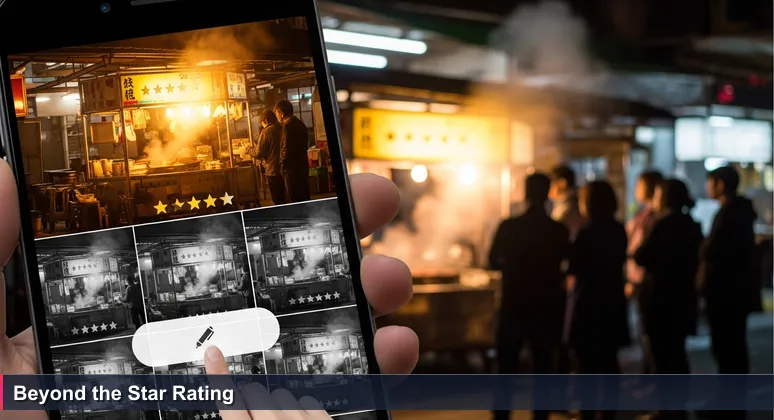
You're at a Taipei night market, phone in hand, staring at a 4.8-star rating for a stinky tofu stand. The line is suspiciously short. Should you trust that number? That moment of doubt - when a perfect score hides a messier reality - is exactly the feeling you should bring to every "Top Paying Companies" list you read. In Taiwan's 2026 tech market, a senior engineer role at MediaTek and a senior role at Google might carry similar star ratings on paper. But peek under the hood and you'll find two radically different compensation philosophies: one delivers 60% of your pay as cash bonuses, while the other gives you 35% as RSUs. Same rating, completely different experience.
According to Robert Walters Taiwan hiring research, 90% of Taiwanese employers plan salary increases in 2026 - yet the average bump hovers at just 3-6%, far below the leap from switching companies. Meanwhile, Taiwan's economic growth forecast has been hiked to 7.7%, fueled by AI-driven semiconductor exports. These macro numbers create a landscape where compensation figures become stories, not scores - narratives about risk tolerance, liquidity preferences, and how much of your life you're willing to trade for each NT dollar.
Before you chase the highest number, learn to read the ingredient list. A 4.8-star rating can't tell you about wait times, authenticity, or hidden costs. Neither can a total-compensation figure tell you about vesting schedules, bonus volatility, or the 10 PM MRT ride home from Hsinchu Science Park. Here's the definitive ranking of Taiwan's highest-paying tech employers - and what each actually puts on the table.
Table of Contents
- The Ingredient List Behind the Star Rating
- LINE Taiwan
- Appier
- Amazon/AWS Taiwan
- TSMC
- Realtek
- Microsoft Taiwan
- Novatek
- MediaTek
- NVIDIA Taiwan
- Google Taiwan
- How to Choose Your Employer
- Frequently Asked Questions
Taiwan's AI industry is booming in 2026 - this guide tells you everything you need to know to get started.
LINE Taiwan
If Google is the Michelin-starred omakase counter, LINE Taiwan is the neighborhood shabu-shabu spot that regulars swear by. Senior total compensation ranges from NT$2.5M to NT$3.8M, which places LINE at the bottom of this ranking by raw numbers - but the story doesn't end there. The company's Taipei office focuses on engineering for massive Japan and Southeast Asian user bases, giving engineers hands-on experience with large-scale systems without the 12-hour days common at Hsinchu semiconductor giants.
The compensation breakdown reveals why: base salary accounts for 65% of total comp (NT$1.6M-NT$2.3M), performance bonuses add 15%, and equity grants make up the remaining 20%. This cash-heavy structure means predictable take-home pay month after month. According to Glassdoor's Taipei salary data, LINE engineers consistently report above-median satisfaction scores compared to local competitors, largely because the Japanese corporate culture delivers stable annual raises and dependable year-end bonuses rather than dramatic swings tied to quarterly profits.
In 2026, LINE has been expanding its AI personalization features, actively recruiting machine learning engineers for recommendation systems and natural language processing pipelines. For early-career engineers graduating from National Taiwan University or National Tsing Hua University who prioritize mental health alongside income, LINE offers something rare in Taiwan's tech landscape: a high-paying role that doesn't demand your entire life. As Shareuhack's Taiwan negotiation guide notes, engineers who value work-life balance often overlook LINE - but those who join rarely regret the trade-off.
Appier
Appier represents the brightest star in Taiwan's homegrown AI startup ecosystem. Headquartered in Taipei's Xinyi district, this AI SaaS company grew from a scrappy startup to a publicly traded firm with a global footprint - and its compensation reflects that journey. Senior total compensation ranges from NT$2.8M to NT$4.2M, with a structure that leans more heavily on equity than traditional Taiwanese firms: base salary makes up 63% (NT$1.8M-NT$2.5M), performance bonuses add 13%, and stock options or RSUs account for the remaining 24%.
The company's stock has seen significant volatility since its Tokyo IPO, meaning the equity portion can swing wildly. But for engineers who believe in Taiwan's AI future, Appier offers something no semiconductor firm can match: the potential for life-changing upside if the stock appreciates. According to TEJ's analysis of Taiwan's best-paying companies, Appier's compensation philosophy reflects its need to compete with multinationals for top machine learning and data engineering talent in a tight labor market.
The work itself is equally distinctive. Appier focuses on AI-powered marketing solutions and has been aggressively hiring for deep learning pipelines that serve international clients. As Shareuhack's Taiwan negotiation guide notes, startup equity in Taiwanese companies comes with different tax treatment than RSUs at US firms - an important detail for engineers calculating real take-home value. Company all-hands meetings frequently emphasize the "ownership culture" that equity grants create, but the volatility means this is a bet on Taiwan's AI story, not a guaranteed paycheck.
Amazon/AWS Taiwan
Amazon's Taipei engineering hub offers a deal with a distinct catch: first-year compensation is intentionally lower, with RSUs heavily backloaded toward years three and four. Senior total compensation ranges from NT$3.3M to NT$4.6M, structured as 55% base salary (NT$1.8M-NT$2.5M), 10% performance bonus, and 35% RSUs. This philosophy means the real earning power kicks in only after you've survived the infamous "PIP" culture that Amazon is known for globally. According to Levels.fyi's Taiwan compensation data, the backloaded structure makes Amazon one of the most front-loaded risk profiles among multinationals in Taipei.
What keeps engineers coming is the scale of the work. AWS Taiwan teams build infrastructure that serves millions of customers globally, touching cloud services, machine learning pipelines, and logistics technology tied to Taiwan's hardware ecosystem. The experience transfers directly to any cloud-native role worldwide, making this office a recognized training ground. Engineers who spend three to four years here often move to Google, Microsoft, or return to local startups with invaluable cloud expertise that commands a premium in Taipei's job market.
The trade-off is well-documented. According to discussions common on Taiwanese tech forums, Amazon engineers in Taiwan report higher pressure than peers at other multinationals. The compensation includes this risk premium - reflected in RSUs that vest later rather than sooner. As Robert Walters Taiwan's 2026 hiring guide notes, multinationals expanding in Taiwan are creating "poaching wars" for cloud talent, but Amazon's structured vesting schedule means candidates must think carefully about whether they can endure to collect the full package.
TSMC
No discussion of Taiwan's tech compensation is complete without the world's most valuable semiconductor company. For senior engineers at Level 32/33, total compensation hits NT$3.5M to NT$4.8M, while principal engineers at Level 34 can command NT$6.0M to NT$8.0M+. What makes TSMC's structure unique in Taiwan is its reliance on massive cash profit-sharing bonuses paid twice yearly - typically in February and August - rather than equity grants. The breakdown tells the story: base salary accounts for just 38% (NT$1.4M-NT$1.8M), while profit-sharing alone delivers a staggering 35% of total comp.
The company's 2025/2026 record profits pushed average annual packages above NT$4M for experienced engineers for the first time. According to Levels.fyi's TSMC salary tracker, the profit-sharing system creates extraordinary upside when chip demand surges - a principal engineer earning NT$8M+ takes home more than most senior managers at traditional industries. As Glassdoor reviews consistently note, the compensation is "some of the highest pay in Taiwan" - but the number doesn't tell the full story.
The hidden price is workload. Engineers at TSMC's Hsinchu and Tainan fabs regularly work 12-hour days with limited work-from-home flexibility and intense pressure around production deadlines. The compensation figure doesn't show the 10 PM MRT ride home or the weekend calls that semiconductor manufacturing demands. Analysts from Taishin Securities have noted that the AI-driven surge in demand for advanced nodes is expected to sustain high revenue levels through 2026, but for engineers discussing their experiences on Reddit, the trade-off between life-changing cash and life-consuming hours is a deeply personal calculation.
Realtek
Realtek calls Hsinchu Science Park home, and that location alone shapes its compensation story. Headquartered in Taiwan's silicon valley, this IC design leader focuses on communications, networking, and multimedia chips that ship globally. Senior total compensation ranges from NT$3.6M to NT$5.0M, structured as 42% base salary (NT$1.5M-NT$2.1M), 16% performance bonus, 35% profit-sharing bonus, and 7% year-end bonus. The consistent profitability of Realtek's product lines means these bonuses are among the most reliable in Taiwan's semiconductor ecosystem.
What distinguishes Realtek from its larger neighbor MediaTek is intensity. Engineers here report a slightly more manageable pace while still earning compensation that places them among Taiwan's top earners. According to ERI SalaryExpert's Taiwan engineering data, average monthly salaries in Hsinchu range from NT$80K to NT$180K, consistently outperforming other regions due to the concentration of semiconductor leaders. For graduates of National Yang Ming Chiao Tung University who want to stay in Hsinchu without the 60% bonus gamble of MediaTek, Realtek offers a balanced alternative.
The trade-off is the Hsinchu factor itself. Housing costs have climbed alongside the Science Park's expansion, and engineers who prefer Taipei's night markets and cultural scene face a daily commute that eats into personal time. As TEJ's analysis of Taiwan's best-paying companies notes, firms like Realtek occupy a sweet spot: they pay like top-tier IC design houses while demanding slightly less than the most intense competitors. For engineers seeking a sustainable career in chip design without sacrificing all weekends, that distinction matters more than the raw salary number suggests.
Microsoft Taiwan
Microsoft Taiwan has carved out a distinct position in Taipei's tech landscape: the stable alternative to Google's equity volatility and MediaTek's bonus roller coaster. Senior total compensation ranges from NT$3.8M to NT$5.2M, structured with the highest base salary percentage among multinationals at 55% (NT$2.1M-NT$2.8M), 11% performance bonus, and 34% RSUs. This base-heavy philosophy makes Microsoft particularly attractive for risk-averse candidates who want predictable monthly income without depending on stock price swings or annual profit-sharing declarations.
The company's AI R&D center in Taipei's Xinyi District has been competing directly with Google for top machine learning talent, focusing on Azure cloud services, AI Copilot products, and hardware partnerships with Taiwanese OEMs like ASUS and Acer. According to Second Talent's Taiwan developer rate analysis, Microsoft's compensation philosophy creates a more stable trajectory than firms where equity depends heavily on stock price appreciation. Stock refreshers at Microsoft follow a structured system that varies predictably by performance rating, meaning engineers can forecast their total comp trajectory with unusual accuracy.
The trade-off is lower ceiling potential. While Google and NVIDIA engineers can see their RSUs compound dramatically during bull markets, Microsoft's equity grants grow at a more measured pace. As the German Trade Office Taipei's semiconductor analysis notes, Taiwan's AI hardware ecosystem creates unique advantages for Microsoft's cloud business - engineers here work at the intersection of global software and local hardware manufacturing. For professionals building careers that balance compensation with predictability, Microsoft's ingredient list reads like a deliberate choice rather than a consolation prize.
Novatek
Novatek's compensation sheet reads like a bet on display technology's relentless expansion. This fabless semiconductor giant, focused on display driver ICs and SoC solutions, offers senior engineers total comp between NT$4.0M and NT$5.5M. The ingredient list reveals a structure built for immediate cash impact: base salary accounts for just 40% (NT$1.6M-NT$2.2M), while profit-sharing bonuses deliver a whopping 38% of total compensation, often paid in a single February check that can equal an entire year's salary at other firms.
This bonus-heavy structure consistently places Novatek among Taiwan's top-paying employers. According to TEJ's analysis of Taiwan's best-paying companies, Novatek is "often ranked in the top three alongside MediaTek for high median annual salaries." For engineers who value massive immediate cash payments over long-term equity growth, this makes Novatek an extraordinary choice. A senior engineer who stays through the February bonus distribution can realistically deposit a year's salary in a single transaction - a feeling that stock grants at multinationals simply cannot replicate.
The trade-off is volatility baked directly into the compensation structure. Novatek's display driver business has boomed alongside high-resolution smartphone and television panels, but a downturn in panel demand could slice profit-sharing by 30% or more. According to Glassdoor Taiwan salary discussions, engineers at bonus-heavy IC design firms consistently report that while the good years are spectacular, the bad years test your financial planning. For engineers willing to ride that cycle, Novatek offers a concentrated dose of Taiwan's semiconductor wealth - cash now, with the understanding that next year's check depends on global display demand beyond anyone's control.
MediaTek
MediaTek is the crown jewel of Taiwan's IC design industry - and the compensation reflects its global ambition. For senior engineers at the E9 level, total comp ranges from NT$4.2M to NT$5.8M, while staff-level E10 engineers command NT$6.0M to NT$8.5M+. The structure is extreme by any standard: base salary accounts for just 40% (NT$1.7M-NT$2.3M), while cash bonuses deliver a staggering 60% of total compensation. These bonuses arrive in two massive payments each February and August, tied directly to the company's extraordinary profits from mobile processors and AI chips.
For E10 staff engineers, profit-sharing alone can exceed NT$4M in a single year. In years when MediaTek's mobile processor sales surge, senior engineers can see their total comp exceed that of their Google peers - entirely in cash, not restricted stock. According to Glassdoor's 2026 MediaTek salary data from 455 employee submissions, the bonus-heavy structure creates life-changing earning potential but comes with a built-in volatility that equity grants at multinationals don't share.
The trade-off is intense in both directions. When MediaTek had a market correction in 2023, many engineers took home significantly less than expected. The culture at the Hsinchu headquarters is engineering-driven in ways that can feel relentless - the company has transformed from a "second-tier chip designer" to a genuine global competitor, and that ambition permeates every team. Analysts from Taishin Securities have noted that AI demand continues to drive structural growth for Taiwanese chip firms, but for engineers at MediaTek, the compensation story is a bet on the company's ability to keep winning against Qualcomm and other global rivals.
NVIDIA Taiwan
NVIDIA has become the most valuable semiconductor company in the world - and its Taiwan compensation packages reflect that status in ways that surprise even seasoned engineers. Senior total compensation for IC4/IC5 levels ranges from NT$4.5M to NT$6.0M, with a structure that favors base salary at 60% (NT$2.8M-NT$3.5M), a modest 7% performance bonus, and the real story: 33% in RSUs that have seen extraordinary appreciation during the AI boom. A senior engineer who received RSUs at the start of this cycle has watched their equity grow far beyond initial projections.
The key differentiator is upside potential. According to Levels.fyi's Taiwan compensation data, NVIDIA offers the highest total compensation ceiling among semiconductor-focused companies in Taiwan, driven by compound stock growth that makes initial grant values look conservative in hindsight. In 2026, the company has been offering signing bonuses exceeding NT$500,000 for senior engineers, reflecting the intense "poaching wars" between multinationals and local firms documented by Shareuhack's Taiwan negotiation guide.
For engineers working on AI and machine learning, NVIDIA Taiwan offers a rare combination: global-leading compensation and direct access to technology that defines the industry. Taipei engineering center teams work on CUDA optimization, AI inference frameworks, and hardware-software co-design that shapes how the world deploys AI. The price of admission is high expectations, but for engineers willing to bet on the AI hardware boom continuing, the ingredient list at NVIDIA promises a payout that even Taipei's best night market find can't match.
Google Taiwan
Google remains the gold standard for software engineering compensation in Taiwan, and for good reason. Senior-level L5 engineers earn total comp ranging from NT$4.8M to NT$6.5M, while staff-level L6 engineers command NT$7.5M to NT$9.0M+. The breakdown reveals why this package is considered the most balanced in Taiwan's market: base salary accounts for 55% (NT$2.6M-NT$3.6M), performance bonuses just 10%, and RSUs the remaining 35%. According to Levels.fyi's Google Taiwan salary data, this structure gives engineers stable monthly income alongside meaningful equity upside.
What sets Google apart is not just the raw numbers but the optionality they unlock. The company's 4-year vesting schedule with quarterly releases - and a 2026 trend toward "front-loaded" initial grants - means engineers don't wait years to see stock value materialize. A Google Taiwan engineering stint is recognized globally, opening doors to transfers to the US, Singapore, or Tokyo. For graduates from National Taiwan University building careers with international mobility, Google offers the highest floor and highest ceiling simultaneously.
The trade-off is that Google's compensation is less extreme than the pure-cash model at MediaTek or Novatek. There's no single February bonus that equals a year's salary. What replaces that volatility is predictability: quarterly RSU vesting, structured promotion paths with 20-30% jumps, and benefits that include comprehensive health coverage and generous parental leave. For engineers who want the stability of a global brand with the flexibility to move between Taipei and other tech hubs, Google's ingredient list reads like the safest bet in Taiwan's high-paying tech landscape.
How to Choose Your Employer
Every night market offers the same choice: the stall with the longest line might not have the best taste, and the hidden gem requires knowing what you really want. Taiwan's tech compensation landscape is no different. After reviewing these ten employers, the decision comes down to a single honest question: what do you actually value? The highest number on paper might leave you exhausted at TSMC, the most stable equity at Google might cap your upside, and the massive bonus checks at MediaTek might disappear in a downturn.
The practical decision framework is straightforward. If you want immediate cash for a down payment or major purchase, target MediaTek, Novatek, or TSMC - their profit-sharing bonuses deliver life-changing sums in single payments. If you value predictable monthly income and work-life balance, Microsoft and LINE Taiwan offer the highest base salary percentages with reasonable expectations. If you're betting on equity appreciation and global career mobility, Google and NVIDIA provide RSUs with compound growth potential and international transfer options. According to Shareuhack's Taiwan negotiation guide, many engineers "never even try to negotiate," missing out on signing bonuses that range from NT$300,000 to NT$800,000 at multinationals - money that changes the equation entirely.
Taiwan's tech market is entering a golden era with AI-driven growth and 90% of employers planning raises. But the best choice isn't the highest star rating - it's the one whose compensation story matches the life you want to build. Read the ingredient list, negotiate with confidence, and trust your own taste over the crowd's opinion.
Frequently Asked Questions
Which company pays the most for senior engineers in Taiwan?
Google Taiwan tops the list with senior total comp ranging from NT$4.8M to NT$6.5M, followed closely by NVIDIA Taiwan at NT$4.5M-NT$6M. However, MediaTek and Novatek often offer higher cash bonuses, making them competitive depending on your priorities.
How do RSUs and cash bonuses compare at these companies?
Multinationals like Google and NVIDIA offer substantial RSUs (35% of total comp), while local firms like MediaTek and TSMC rely on cash profit-sharing bonuses that can exceed 50% of total pay. RSUs offer upside potential but are taxed as ordinary income, while cash bonuses are predictable but volatile depending on company performance.
Is it better to work at a multinational like Google or a local firm like MediaTek?
It depends on your goals. Google offers higher base salary, better work-life balance, and global career optionality, while MediaTek provides massive cash bonuses and deep involvement in Taiwan's semiconductor ecosystem. A Google L5 senior engineer takes home roughly NT$3.8M-NT$4.2M after taxes, similar to a MediaTek E9's NT$3.5M-NT$3.9M, but the stock appreciation potential differs.
How does Taiwan tech salary compare to Singapore or Japan?
Senior salaries in Singapore (NT$6M-NT$9M) are higher gross, but after higher living costs - especially rent - purchasing power is lower. Tokyo offers NT$3.5M-NT$5.5M with higher social insurance costs. Taiwan's effective tax rate of 15-30% and lower monthly living costs (NT$30K-NT$50K) give it the best purchasing power among the three.
What should I consider beyond the base salary when evaluating an offer?
Look at the compensation mix: cash bonuses vs. equity, vesting schedules, and tax treatment. Also consider signing bonuses (NT$300K-NT$800K common at multinationals), relocation packages, and career trajectory. A company like Appier offers startup equity with potential upside, while TSMC provides immediate high cash but demanding hours.
Learn how to land a role at top AI firms hiring in Taiwan with this comprehensive guide.
Find the top-ranked AI bootcamps in Taiwan for career changers.
Explore the top 10 women in tech resources in Taiwan to find mentorship and networking opportunities.
This list of top Taiwan incubators for AI compares pricing and community.
This article explains how to negotiate AI salaries in Taiwan.

Irene Holden
Operations Manager
Former Microsoft Education and Learning Futures Group team member, Irene now oversees instructors at Nucamp while writing about everything tech - from careers to coding bootcamps.