









Top 10 Women in Tech Groups and Resources in Tanzania in 2026
By Irene Holden
Last Updated: April 25th 2026
Too Long; Didn't Read
The top resource for women in tech in Tanzania is the Women and Technology Tanzania conference and its WhatsApp group, where over 1,200 women share jobs and mentorship daily. Google's Women Techmakers program follows, offering global visibility and free cloud credits. Despite 47% of STEM graduates being women, only 9% reach senior leadership - these communities are actively closing that gap.
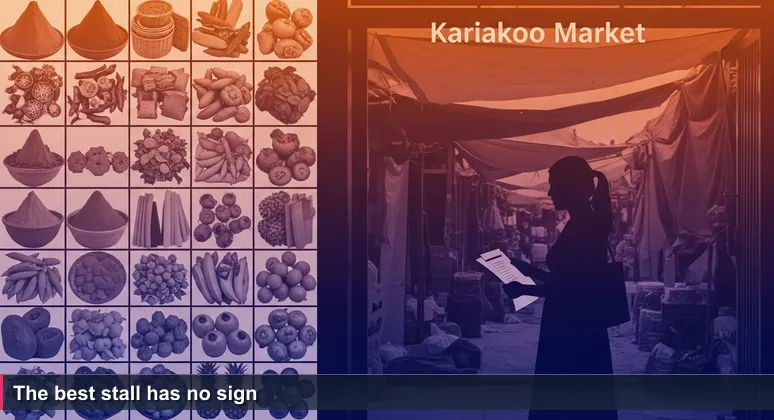
You have your list - the efficient, well-researched map of 10 top women-in-tech groups in Tanzania. But just like the freshest mboga at Kariakoo Market comes from a stall without a sign, the most transformative resources in this ecosystem rarely appear on any ranking. A weathered seller waves you toward an alley not marked on your paper, and that is where the real transaction happens. The same is true for Tanzania’s tech community: the visible networks are doorways, but the life-changing mentorship happens in the unlisted spaces - the WhatsApp thread of 20 women debugging code at 2 a.m., the hackathon teammate who becomes a co-founder.
This tension is sharpened by a stark statistic shared by Women in Tech®Tanzania on LinkedIn: across sub-Saharan Africa, 47% of STEM graduates are women, yet in Tanzania only 9% reach senior leadership. Lists alone cannot bridge that gap. They flatten the depth of a community built on late-night code reviews, impromptu mentorship calls with senior engineers at Vodacom Tanzania or Selcom, and the sheer grit of women in Mbeya, Mwanza, and Dodoma building solutions with scarce resources.
Consider this list a starting point - a doorway, not the room. The real value lies in what happens after you join: the mentor who spots your potential, the teammate who becomes a collaborator, the messy, unranked community that sustains you. The alley is where the future is being built, and it is already waving you in.
Table of Contents
- Introduction: The Unlisted Alleys
- Women Who Code
- She Code Africa Tanzania
- African Girls Can Code Initiative
- TGEE IT Boot Camp
- Women in Tech Tanzania
- Tanzania Women and Technology Association
- Girls in ICT TCRA
- UNDP FUNGUO and WISE Programs
- Women Techmakers
- Women and Technology Tanzania
- Beyond the List
- Frequently Asked Questions
Women Who Code
While Women Who Code no longer maintains a physical chapter in Tanzania, its global platform serves as a vital entry point for women outside Dar es Salaam - in Arusha, Mbeya, Mwanza, and Tanga - who lack local meetups. The network provides free weekly coding challenges, book clubs, and speaker sessions featuring African tech leaders, all accessible through their active Slack community. Members can filter into Africa-specific channels where they share job postings, ask technical questions, and receive mock interview feedback, according to the Women Who Code global platform.
The platform directly addresses rural connectivity and professional isolation. For a woman in Mbeya with no nearby tech peers, the Slack workspace becomes an always-on space to connect with developers at fintechs like NALA and Selcom, both of which post remote and hybrid roles through the network. This virtual lifeline is especially critical given that only 9% of Tanzanian women in STEM reach senior leadership, according to Women in Tech®Tanzania on LinkedIn - a gap that persistent networking can help close.
However, the experience differs sharply from Nairobi, where Women Who Code operates a formal chapter with monthly in-person meetups. Tanzanian members rely almost entirely on virtual engagement - a reminder that the country's tech ecosystem is still building physical infrastructure. The upside is access to a global talent pipeline, with sponsored cohorts from Google, Microsoft, and Vodacom Tanzania offering pathways into high-impact roles without requiring relocation to the commercial capital.
She Code Africa Tanzania
She Code Africa (SCA) positions itself as the "homegirl of African women in tech" - and the Tanzania chapter lives up to that reputation. With a free membership and a WhatsApp group of roughly 700 members, SCA Tanzania delivers quarterly virtual workshops focused on Python, JavaScript, and data science. The most popular session in early 2026, "Building APIs with Flask," is directly applicable to fintech roles at CRDB Bank and NMB Bank, where backend developers earn between TZS 2.5 million and TZS 4 million monthly.
The chapter directly addresses the skill gap many Tanzanian women face: learning theory in university without project-based experience. SCA runs six-week open-source sprints where members contribute to real projects - a clinic booking app for Kariakoo Market, an M-Pesa transaction visualizer. These sprints build a robust GitHub profile and the confidence to apply for roles at major employers like Vodacom Tanzania and Selcom. According to the She Code Africa official site, the network focuses on technical growth and leadership development across the continent.
“The community opened doors to learning, growth, and a community that truly empowers young women.”
- Maltilda, NairoBits Alumna and She Code Africa Mentor
Maltilda now advocates for girls in her home region of Tanga, a testament to how SCA's network extends beyond code to lift entire communities. As Tanzania undergoes a digital transformation, the chapter remains open to any woman with an internet connection - no application needed, just a DM to their Instagram handle @shecodeafricatz and a willingness to introduce yourself.
African Girls Can Code Initiative
For young women in rural Tanzania, the path into tech rarely begins with a laptop. The African Girls Can Code Initiative (AGCCI) meets them where they are - in secondary schools and community centers across Arusha, Manyara, Kilimanjaro, and Tanga - with an intensive two-week residential bootcamp that has already equipped over 200 girls with Python, web development, and leadership skills. Each participant receives fully-funded accommodation, meals, and transport, representing an estimated TZS 800,000 value per person, based on program data from UN Women Africa.
The program directly tackles the connectivity barrier that excludes rural women from online learning. Girls learn coding offline using Raspberry Pis, then receive data bundles after the camp to maintain their skills. This approach is critical in a country where the digital gender divide persists, as highlighted by the Women and Technology Tanzania Instagram page. AGCCI gives priority to applicants from rural districts with no prior coding experience - ensuring the opportunity reaches those furthest from Dar es Salaam's tech ecosystem.
This is not a drop-in community but a selective, structured pipeline. Applications open each January through the UN Women Tanzania website, and the partnership with the African Union signals a continental commitment to closing the gender gap in ICT. For the girl in Tanga who has never written a line of code, AGCCI offers more than skills - it offers a proof that she belongs in the shamba la tech.
TGEE IT Boot Camp
The Help to Help Foundation runs one of Dar es Salaam's most practical women-in-tech programs. Its TGEE IT Boot Camp 2026 offers 100 free slots for young women, covering web development, digital marketing, and professional branding over six weeks. Each participant receives a TZS 150,000 stipend for transport and lunch, removing the financial barrier that keeps many talented women from pursuing intensive training in the city.
The curriculum directly addresses what Women and Technology Tanzania calls the "resume gap" - many women graduate with strong degrees but zero internship experience. The bootcamp bridges this with a job fair where participants pitch to hiring managers from local tech firms, including Airtel Tanzania and Vodacom Tanzania. The skills taught - building a professional brand, creating a digital portfolio, and delivering a technical pitch - are precisely what these employers seek in associate-level roles.
The program builds digital literacy that extends beyond coding. As Cisco's partnership with African Child Projects demonstrates, bridging Tanzania's digital divide requires both technical skills and professional readiness. The TGEE bootcamp delivers both in a compressed, high-impact format. Applications for the 2027 cohort typically open in September via the Help to Help Foundation's Instagram page - a short window for a program that can turn a degree into a career.
Women in Tech Tanzania
The chapter directly addresses Tanzania's mentorship shortage through a structured three-month program pairing junior women with senior tech leaders from NALA, Selcom, NMB, and Vodacom Tanzania. This is the exact pipeline needed to move beyond the 9% senior leadership statistic highlighted by Women in Tech®Tanzania on LinkedIn. Each mentorship cohort focuses on practical career acceleration - from negotiating salary to navigating corporate politics at major banks and fintechs.
The chapter's flagship quarterly event, a "Fintech Career Night" in September 2026 at Buni Innovation Hub, costs just TZS 5,000 for tea - a trivial price for access to hiring managers and senior engineers shaping Tanzania's mobile-money economy. While this is the visible, listed resource, the chapter's real value materializes in the quieter connections made over that chaai: the referral that lands a backend role at NMB, the project collaboration that builds a portfolio strong enough for Selcom's product team.
Tanzania Women and Technology Association
The association tackles the financing barrier head-on. Unlike most gender-neutral incubation programs in Tanzania, TWTA runs quarterly investment pitches where female founders present to angel investors, with a minimum funding threshold of TZS 10 million. This is a rare focus in an ecosystem where women founders receive less than 5% of available venture capital. The flagship event, the Tanzania Women and Technology Conference, serves as the annual gathering point for all these initiatives, as documented by LP Digital's conference page.
The association explicitly trains women to pitch to venture capital firms - a skill rarely taught in Tanzanian universities. For a founder with a prototype but no network, TWTA provides both the investor introductions and the curriculum to prepare. The 2026 Annual General Meeting in November at COSTECH is the entry point; membership can be purchased at the door. As Women and Technology Tanzania continues to amplify these efforts, TWTA stands as the most formal bridge between female founders and capital in the country.
Girls in ICT TCRA
The hackathon's winner was Blandina Kakore from Mbeya University, who developed Hakiki Scanner - an AI-powered system designed to detect deepfakes and manipulated images. Her prize: TZS 3 million plus mentorship to pilot the project. Faraja Alnoor Ahmed from IIT Madras Zanzibar secured third place with Uzazi Salama AI, a pregnancy health tracking and early risk detection app. Both projects are now being piloted with the Ministry of Health, demonstrating how a targeted competition can produce scalable solutions for national challenges, as documented by Samia Scholarship highlights from Girls in ICT Day 2026.
Teams of 2-4 women apply in February each year, with priority given to those from underserved regions. The application process is free and open through the Women and Technology Tanzania X account (@TechWomenTZ). For a young woman in Mbeya with a problem-solving mindset, this hackathon is not just a competition - it is a direct pipeline to government backing and the mentorship needed to turn a prototype into a deployed solution.
UNDP FUNGUO and WISE Programs
Both programs share a January-to-March application cycle and a focus on removing structural barriers. FUNGUO requires only a one-page pitch and a simple budget - no elaborate business plans or expensive legal support. This low barrier to entry is intentional: the program recognizes that women founders in Tanzania often lack the networks and resources to navigate traditional grant applications. As Daily News reported from the women's executive summit, AI and tech leadership are increasingly central to national development conversations, yet without capital, brilliant ideas remain prototypes in notebooks.
The WISE scholarship addresses the pipeline from the other end - training engineers who will lead Tanzania's green energy transition. For a young woman from a rural district, a fully-funded degree at UDSM or NM-AIST is transformative, opening doors to roles at major employers like Vodacom Tanzania and NMB Bank. The application process is straightforward: follow the UNDP Tanzania website for announcements and prepare that one-page pitch. TZS 15 million can turn a wireframed idea into a deployed solution - and the next application window opens in January.
Women Techmakers
The program directly tackles the visibility gap that keeps many talented Tanzanian women working quietly without recognition. Women Techmakers puts members on Google's global stage, opening doors to speaking invitations at Google I/O and partnerships with regional tech hubs. For a woman in Dar es Salaam or Mwanza building an AI solution, a featured speaker slot can lead to mentorship from engineers at Google, investment from pan-African funds, or roles at fintechs like NALA. As noted on the WomenTech Global Conference community partners page, the program connects local talent to a worldwide network.
Beatrice Alphonce's work in AI development and Jennifer Mbuya's product leadership at Selcom exemplify what women in Tanzania can achieve with the right platform. Their stories, shared on the Women and Technology Tanzania Instagram page, inspire a new generation of engineers and product managers. Membership is free with no interview required - simply sign up at the Women Techmakers website and enter a community that amplifies your work beyond Tanzania's borders.
Women and Technology Tanzania
The network's flagship event, the Tanzania Women and Technology Conference 2026, takes place April 10 at COSTECH in Dar es Salaam. Early-bird tickets cost TZS 20,000; standard entry is TZS 35,000. The conference features five award categories - Rising Star, Women-Led Tech Companies, Community Builder - and dedicated matchmaking sessions with recruiters from Vodacom Tanzania, NMB, and CRDB. This is where fragmentation ends: the scattered WhatsApp groups, university clubs, and corporate initiatives converge into one room once a year, as highlighted by the conference announcement on Instagram.
The unlisted alley is where real transformation happens here. Maltilda found her first freelance client through this WhatsApp group. Blandina Kakore met her hackathon teammates there. The group is where the unlisted opportunities live - the referral for a backend role at Selcom, the late-night code review from a senior engineer at Vodacom, the co-founder who understands your vision. As Tanzania undergoes a digital transformation where the gender gap persists, this network ensures no woman navigates it alone.
Beyond the List
This list is your starting point, not your destination. The best produce at Kariakoo Market comes from a stall without a sign, and the most transformative community in Tanzanian tech will likely be a WhatsApp group of 20 women debugging code at midnight, a mentor who remembers you after the conference, a teammate who becomes your co-founder. These invisible networks are where the real work happens - beyond rankings, beyond formal membership lists, in the messy, sustaining web of relationships that keep you coding at 2 a.m.
The gap remains urgent: only 9% of Tanzanian women in STEM reach senior leadership, according to the Women in Tech®Tanzania LinkedIn community. But the groups on this list are building the pipeline - one hackathon, one scholarship, one late-night code review at a time. Blandina Kakore's Hakiki Scanner didn't emerge from a formal institution; it grew from a team formed in a WhatsApp group. Maltilda's freelance career began with a referral from a sister she met at a virtual workshop. The infrastructure is human, and it is already in motion.
Your move is simple: pick one resource from this list. Join it. Attend the Tanzania Women and Technology Conference on April 10 at COSTECH. Then step off the map and find the invisible community that sustains you. As one Tanzanian tech leader put it, the future of tech in Tanzania is female, it lives in WhatsApp groups, and it is already waving at you from an alley you haven't tried yet.
Frequently Asked Questions
Which women in tech group offers the best networking in Tanzania?
Women and Technology Tanzania (the #1 pick) is your hub - it runs the annual conference that brings together over 400 women from corporate, startup, and government sectors, plus a WhatsApp group of 1,200+ members where jobs and mentors are shared daily.
Are there any scholarships or grants for Tanzanian women in tech?
Yes - UNDP’s FUNGUO program offers up to TZS 15 million for women-led startups, and the WISE scholarship covers full tuition for engineering degrees at UDSM and NM-AIST. Also, the AGCCI bootcamp provides full accommodation and transport.
Do I need to live in Dar es Salaam to benefit from these resources?
Not at all. Women Who Code and She Code Africa Tanzania operate mainly online, and the AGCCI runs camps in Arusha, Mbeya, and other regions. Even the TCRA hackathon in 2026 prioritized teams from outside Dar es Salaam.
How do I join the WhatsApp groups mentioned in the article?
For Women and Technology Tanzania, send a DM to their Instagram @techwomentz with your name, location, and tech interest - you'll get added within 24 hours. She Code Africa’s WhatsApp link is on their Instagram @shecodeafricatz.
What’s the biggest challenge for women in Tanzanian tech right now?
Only 9% of Tanzanian women in STEM reach senior leadership, and women founders receive less than 5% of venture capital. But groups like TWTA and Women in Tech Tanzania are tackling this through mentorship and funding pipelines.
Read about Tanzania's top 10 startups that are hiring junior developers in 2026.
Check out the best coworking spaces in Tanzania for startup founders.
Compare the top 10 tech entry pathways in Tanzania 2026 including Vodacom, NMB, and NALA.
Get the full picture with this complete guide to what tech professionals earn and spend in Tanzania.
Our top 10 AI & tech bootcamps in Tanzania 2026 guide provides a side-by-side comparison of tuition and job outcomes.

Irene Holden
Operations Manager
Former Microsoft Education and Learning Futures Group team member, Irene now oversees instructors at Nucamp while writing about everything tech - from careers to coding bootcamps.