









Top 10 Tech Startups Hiring Junior Developers in Yuma, AZ in 2026
By Irene Holden
Last Updated: April 2nd 2026
Too Long; Didn't Read
In Yuma, AZ for 2026, top tech startups hiring junior developers include agile defense-tech spinouts and the Elevate Southwest innovation park cohort, which offer high-impact roles and salaries like those at TRAX International reaching up to $171,200. These opportunities leverage Yuma's unique advantages such as a cost of living nearly 40% lower than San Diego, year-round sunny weather, and strong ties to defense and agriculture industries, making it an ideal launchpad for early-career developers.
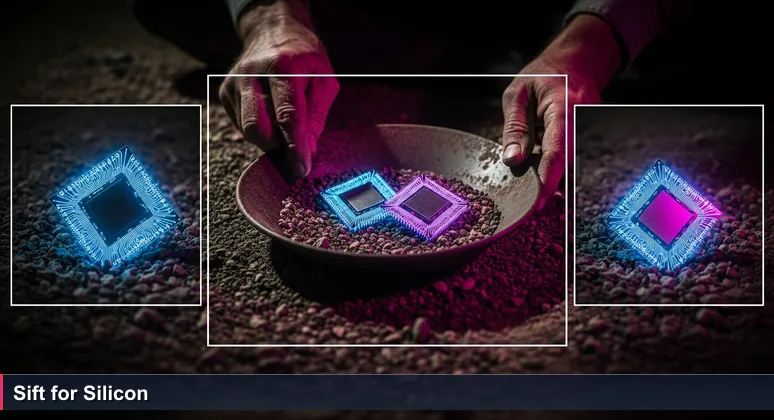
The old prospectors knew the secret of the Yuma desert: the most promising washes often look the most barren. In 2026, the landscape for junior developers feels similarly stark, with reports indicating entry-level tech hiring plummeted 73% as companies pivoted to production-ready AI engineers. The traditional junior role has undergone a "structural collapse," replaced by a demand for specialists who can leverage AI tools from day one.
But like a modern prospector sifting for silicon, the real opportunity isn't in the crowded hubs - it's in emerging ecosystems like Yuma. Fueled by initiatives like the 65-acre innovation park from Elevate Southwest, a new generation of startups is forming. They offer a different kind of wealth: immediate impact, deep mentorship, and a career launched under 300 days of sun, with a cost of living nearly 40% lower than San Diego.
The search itself has transformed; with 93% of recruiters planning to increase AI use in hiring, you must prospect strategically to be found. This list is your map to the top tech startups in Yuma where you can stake your claim, proving that for the determined junior developer, the silicon still gleams brightly in the Sonoran sun.
Table of Contents
- Introduction
- JetLock FX
- VirtuProbe Labs
- DataAnnotation
- MGM Design
- Davis Technology Management
- TRAX International
- VinSense
- PWRJoule
- Elevate Southwest Innovation Park Resident
- Agile Defense-Tech Spinout
- How to Prospect for Startup Gems in Yuma
- Conclusion
- Frequently Asked Questions
Get the latest on AI job markets and salaries in Yuma, Arizona in 2026 from this comprehensive resource.
JetLock FX
In a landscape where many startups chase software-only solutions, JetLock FX carves out a critical niche at the intersection of hardware and code. This seed-stage company specializes in advanced mechanical and software locking mechanisms for the aerospace sector, embodying the precision engineering that defines Yuma's defense ecosystem.
The founders champion a "craftsman" approach to mentorship, making it an exceptional launchpad for junior embedded systems developers. They actively recruit from local vocational and technical bootcamps, valuing practical, build-ready skills over pedigree. A junior here works directly on hardware-software integration, gaining rare, hands-on experience in a field where physical and digital systems must flawlessly interact.
The tech stack is purpose-built: Embedded C for core firmware, Java for Android-based controllers, and Flutter for mobile interfaces. As a small, seed-funded team, visibility into all business aspects is guaranteed. JetLock FX's local roots are a major advantage; as a featured startup at Yuma's innovation showcases, it is deeply networked within the region's core aerospace and defense sector, including potential collaborations with the Yuma Proving Ground. This connection provides a tangible career path from local education, like programs at Arizona Western College, to high-stakes, specialized tech work.
VirtuProbe Labs
As Yuma cements its reputation as a premier testing and validation hub, VirtuProbe Labs represents the logical evolution from physical proving grounds to virtual ones. This seed-stage startup develops digital twins and virtual testing environments for aerospace and defense hardware, allowing for rapid, cost-effective iteration long before a physical prototype is built.
For a junior developer, this translates into a high-velocity environment where titles are less indicative of responsibility. As noted in ecosystem analyses, "junior" roles here often involve mid-level tasks like building UI components for complex simulations or scripting behaviors within a digital twin. It's a crash course in cutting-edge simulation technology that's directly applicable to the region's major defense contractors, serving as a powerful career accelerator.
The tech stack is as immersive as the products: Unity or Unreal Engine (utilizing C# or C++), Three.js for web-based visualization, and Node.js for backend services. With a core engineering team of around ten, the culture is tight-knit, collaborative, and focused on solving high-stakes engineering problems through code.
The Yuma advantage is paramount. VirtuProbe Labs' mission aligns perfectly with the region's economic identity, and the experience gained is hyper-relevant to the established employers at the Yuma Proving Ground and its contractors. Operating within the growing STEM ecosystem fostered by Elevate Southwest, it offers a direct pathway into the future of Arizona's aerospace sector.
DataAnnotation
While not a traditional product startup, DataAnnotation represents the new, distributed model of tech work that is thriving in places like Yuma. It offers a flexible, high-paying entry point into the most transformative field of the decade: artificial intelligence. Developers here train and evaluate state-of-the-art AI models, honing critical skills in AI prompting, evaluation, and problem-solving.
This role provides a practical response to the 73% plummet in traditional entry-level tech hiring. It allows developers to build a substantial financial runway, with compensation ranging from $40 to $50 per hour, while directly contributing to advanced AI projects. The work is task-based and remote, focusing on Python proficiency and, more importantly, developing the AI literacy that a 2026 "AI-Augmented Developer" absolutely requires.
The Yuma advantage is profound. It epitomizes how the remote-work ecosystem enables residents to command competitive tech salaries while enjoying the area's significantly lower cost of living. This model is a testament to a larger shift, where companies pivot to AI-ready talent and geography becomes less of a barrier. For a junior developer in Yuma, it's an opportunity to participate in the global AI boom from home, building a specialized skill set that is increasingly becoming the industry's baseline.
MGM Design
For developers seeking a stable, client-facing introduction to the tech industry, MGM Design offers a proven path rooted in Yuma's own business community. This local web design and digital services firm has cultivated a sterling 5.0-star local reputation, built on delivering tangible results for the city's entrepreneurs and established companies.
Juniors here gain comprehensive full-stack experience on real-world projects, from building websites for major agricultural producers to creating digital storefronts for local retail. The mentorship is intensely practical, focused on the entire lifecycle of delivering clean, functional code that meets a client's specific needs. The tech stack typically involves modern JavaScript frameworks like React or Vue, alongside PHP or .NET for content-managed sites.
The Yuma advantage is one of deep, organic networking. Working at MGM Design means building connections within the local business ecosystem, gaining invaluable insight into the digital needs of the region's core sectors - agriculture, tourism, and logistics. This experience is more than just coding; it's a masterclass in the entrepreneurial challenges and opportunities unique to the border region. As a top-rated software service provider in Yuma, it represents the essential, growing tech layer that supports every other local industry, offering a stable launchpad closely tied to the community's economic heartbeat.
Davis Technology Management
In a startup landscape defined by volatility, Davis Technology Management provides a crucial counterbalance: professional stability and structured growth for junior developers. As an established IT solutions and technical services firm, it offers a blend of internal development work and client project management, serving as an ideal environment to learn industry standards, deployment cycles, and client communication.
The company is frequently listed as a top Arizona employer for those seeking foundational experience. Unlike pre-revenue startups, Davis Tech provides more formalized training paths and a supportive environment less subject to the dramatic pivots of early-stage ventures. Juniors gain exposure to a varied technology stack dictated by diverse client needs, building a broad, adaptable skill set that forms a robust professional foundation.
The Yuma advantage here is one of integration and stability. Developers build a career within the fabric of the local economy, serving a wide range of established industries from healthcare to logistics. This role offers a professional launchpad that connects directly to the ongoing tech demands of the region, as evidenced by its presence on lists of active employers within Arizona's tech job market. For many, it's the first step in a lasting career in Yuma, contributing to the skilled workforce that supports everything from local business digitization to major defense contracting.
TRAX International
For developers seeking the impact of startup work with the stability of established defense contracting, the Yuma test branch of TRAX International represents a unique hybrid. While the parent company is a major contractor, specific projects here operate with the agility and focus of a startup team, developing enterprise-level software and instrumentation for critical test range operations at the Yuma Proving Ground.
This environment is particularly valuable for junior developers. TRAX regularly hires entry-level .NET developers and has a demonstrated commitment to upskilling, often expecting and supporting juniors in obtaining certifications like the Microsoft Azure Developer Associate (AZ-204) within their first year. The work is project-based, offering clear objectives, structured mentorship, and the tangible satisfaction of supporting national defense and aerospace innovation.
The tech stack is centered on robust, enterprise-grade tools: primarily the Microsoft .NET ecosystem and cloud services via Azure. This provides juniors with highly transferable skills aligned with major government and corporate systems. As evidenced by active postings, roles range from instrumentation support to cloud development, with salaries in Yuma ranging from $118,700 to $171,200.
The Yuma advantage here is multifaceted: unparalleled job security and benefits within the tech sphere, direct contribution to the mission of a key regional employer, and a clear, certification-supported career ladder. It allows developers to build a high-value career at the heart of Arizona's aerospace and defense sector while enjoying the community's affordable cost of living.
VinSense
In Yuma, where agriculture is as fundamental as the desert sun, VinSense represents the intelligent fusion of technology with the land. This AgTech startup provides high-resolution soil and crop modeling to help the region's farmers optimize precious water use - a mission critical to sustainable farming in the arid Southwest.
For a junior developer, this translates into owning meaningful projects from the very beginning. You might be tasked with building and maintaining a specific data pipeline that directly informs an irrigation schedule, seeing your code translate into real-world conservation and efficiency. The team is small, collaborative, and mission-driven, with fewer than 15 members working in a grant-funded, early-stage environment that's part of Yuma's growing bioscience push.
The tech stack is modern and data-centric: Python for data science and analysis, PostgreSQL for database management, and AWS for cloud infrastructure. This experience builds directly applicable skills in one of tech's most impactful verticals. VinSense actively demonstrates its commitment to local talent development by scouting from Arizona Western College's programs, creating a direct pathway from local education to high-tech application.
The Yuma advantage is profound. You're not building abstract features; you're solving hyper-local, existential problems for the region's core industry. Operating within initiatives like the Elevate Southwest ecosystem, VinSense offers a career with immediate, visible impact, grounding a tech career in the very soil of the community.
PWRJoule
Operating at the critical intersection of hardware and software, PWRJoule tackles one of the modern world's fundamental challenges: next-generation energy storage and power solutions. This seed-stage startup has quickly become a standout in Yuma's innovation scene, recently featured in the region's inaugural Innovation Showcase for its work on physical prototypes and intelligent power management systems.
The culture is defined by a "build-and-break" mentality that is exceptionally valuable for junior engineers. Unlike purely software-focused roles, developers here work directly alongside founders on physical prototypes, gaining rare interdisciplinary experience in embedded systems, electrical engineering, and the software that brings it all to life. The tech stack reflects this duality: C++ and Python for programming embedded controllers, paired with React for building the monitoring dashboards that visualize system performance.
PWRJoule has established itself as a committed partner in developing local talent, frequently collaborating with Elevate Southwest to host technical interns and hire entry-level talent. This provides a structured pathway into a hands-on, experimental, and impact-focused engineering culture.
The Yuma advantage is perfectly aligned with PWRJoule's mission. The company operates at the nexus of Yuma's abundant sunny climate - ideal for testing and deploying renewable energy solutions - and its robust defense-tech ecosystem, where reliable, advanced power systems are in constant demand. This unique positioning, within the bold new STEM ecosystem, allows developers to build a highly distinctive skill set that blends the physical and digital worlds.
Elevate Southwest Innovation Park Resident
The most ambitious bet on Yuma's technological future isn't a single company, but an address: the 65-acre innovation park and 60,000 sq. ft. research facility being developed by Elevate Southwest. The 2026 cohort of resident startups housed within this ecosystem represents the vanguard of the region's STEM transformation, encompassing early-stage ventures in bioscience, aerospace, and advanced manufacturing.
For a junior developer, joining one of these resident startups means immediate immersion in a curated environment designed for growth. You gain access to shared resources, dedicated networking events, and a direct line to the institutional support of the Elevate Southwest initiative. Expect to work in tiny, agile teams where wearing multiple hats is the norm, with tech stacks likely focused on applied engineering challenges in IoT, robotics, and data-intensive systems.
The Yuma advantage here is foundational: this is ground zero for the city's tech renaissance. You're not just taking a job; you're securing a front-row seat to the creation of an entirely new innovation community. The trade-off is classic startup dynamics - less initial structure for greater ownership, equity-level upside, and the opportunity to solve frontier-level problems while helping to define the very culture of Yuma's emerging tech scene, as covered in local reporting on the ecosystem's launch.
Agile Defense-Tech Spinout
For the junior developer seeking the ultimate combination of cutting-edge work, elite mentorship, and career-defining stability, the agile defense-tech spinout represents the apex opportunity. These are small, specialized software teams that spin out of or contract directly for major defense primes, focusing on next-generation C4ISR or autonomous systems software with startup velocity.
This model directly counters the industry's harsh pivot by demanding "AI-Augmented Developers" who can leverage tools like Cursor or Claude Code to deliver robust code rapidly. Juniors work on classified or breakthrough projects using modern stacks: Python, Java, Kubernetes, and secure cloud platforms like AWS/Azure GovCloud. The mentorship comes from senior engineers with top-tier defense experience, operating in small, focused teams built for rapid prototyping.
The career acceleration is unparalleled. You gain a security clearance - a golden credential in the defense sector - and build a resume of work on existential national security challenges. As noted in analysis of the transformed job market, succeeding here requires specializing early and mastering AI coding assistants to achieve the required productivity.
The Yuma advantage is absolute. This opportunity leverages the region's single biggest economic engine: its concentration of military testing infrastructure and contractors. It allows you to work on the global stage of defense technology while living in an affordable community, with the potential for salaries competitive with the higher ranges seen in local defense tech roles. It's the definitive proof that Yuma's desert ground can yield the most valuable silicon of all.
How to Prospect for Startup Gems in Yuma
The 2026 job search demands a shift from passive applicant to active prospector. With hiring dynamics transformed, discovering Yuma's startup opportunities requires a strategic, multi-pronged approach that goes far beyond traditional job boards.
Tap the Hyper-Local Network
Your first investment should be in Yuma's own innovation infrastructure. Regularly monitor Elevate Southwest's announcements for upcoming showcases, open houses, and cohort launches. Simultaneously, engage with Arizona Western College’s innovation programs, which serve as a direct talent pipeline for local startups seeking practical, build-ready skills.
Cast a Wider Regional Net
Expand your search to encompass Arizona's broader startup scene. Use platforms like AngelList and Wellfound to filter for early-stage companies across the state. Many Phoenix or Tucson-based startups, including those in accelerators like the Arizona Commerce Authority's Venture Start program, are open to remote hires or are establishing presences in emerging hubs like Yuma, offering a gateway to a larger network.
Decode Startup Health Signals
Before committing, learn to assess a startup's stability. Prioritize companies with 18+ months of runway (cash reserves divided by monthly burn). Look for positive indicators like revenue growth or recent grant funding, common in Yuma's agtech and defense sectors. Monitor LinkedIn for team growth signals - active hiring for multiple roles often indicates a startup that has recently closed a funding round and is entering its most aggressive hiring phase, making it an ideal time to engage.
Conclusion
The junior developer role hasn't disappeared; it has transformed. The 2026 market demands specialists who are AI-literate, proactive, and willing to dig where others aren't looking. Yuma, with its nascent innovation park, significantly lower cost of living, and deep ties to aerospace and agriculture, represents a compelling new frontier.
The startups here offer a powerful trade: less initial structure for unparalleled hands-on experience, direct mentorship from founders, and the chance to grow alongside a burgeoning tech community. For those willing to pan carefully, the opportunity is real - to build a competitive tech career while enjoying the Sonoran sun, far from the overcrowded and costly coastal hubs.
Equipping yourself for this landscape is crucial. This often means pursuing targeted, affordable upskilling to become the "AI-Augmented Developer" these startups seek. Programs like the Back End, SQL and DevOps with Python bootcamp provide the foundational data and cloud skills critical for modern roles, while specialized AI courses build the prompt engineering and model integration expertise that sets candidates apart in a market where traditional entry-level hiring has plummeted.
The path forward is clear. Embrace the prospector's mindset, target the emerging ecosystems rich with potential, and arm yourself with the specialized tools for the job. In Yuma, under 300 days of sun, the most promising ground is just beginning to yield its silicon.
Frequently Asked Questions
How were these top 10 startups selected for junior developers in Yuma?
We ranked them based on mentorship quality, relevance to Yuma's industries like aerospace and agtech, and growth potential. For instance, the Agile Defense-Tech Spinout offers high-stability roles with salaries up to $171,200, while VinSense provides hands-on experience in local agricultural innovation.
Is the junior developer job market in Yuma really growing despite national hiring drops?
Yes, Yuma's tech ecosystem is expanding even as entry-level hiring fell 73% nationally. Startups here, supported by initiatives like Elevate Southwest's innovation park, offer unique opportunities with a cost of living nearly 40% lower than San Diego, making it a viable career path.
What makes Yuma a better choice for tech careers compared to bigger cities?
Yuma combines affordability with over 300 sunny days a year and proximity to major employers like Yuma Proving Ground. This allows junior developers to gain hands-on experience in defense or agtech startups while enjoying a lower cost of living and strong local networks.
Are these startups hiring for specific skills or remote roles?
They seek diverse skills, from embedded systems for aerospace to AI literacy for remote work. For example, DataAnnotation offers $40-$50/hr for Python and AI tasks, while TRAX International looks for .NET developers with Azure certifications, reflecting Yuma's varied tech needs.
How can I stand out when applying to these startups in 2026?
Focus on building AI-augmented development skills and tap local resources like Elevate Southwest's programs or Arizona Western College connections. Evaluate startup stability by checking for grant funding or revenue growth, as highlighted in the prospecting section, to target the best opportunities.
Read about grants and scholarships for AI and machine learning training in Yuma to advance your career.
Uncover the hidden expenses of tech careers in Yuma, Arizona like utility bills and transportation costs.
Learn about AI Meetups, Communities, and Networking Events in Yuma, AZ in 2026 in this detailed guide.
Get started with this step-by-step tutorial for aspiring AI engineers in Yuma covering tools and phases.
Discover the AI startups in Yuma that are making waves in 2026.

Irene Holden
Operations Manager
Former Microsoft Education and Learning Futures Group team member, Irene now oversees instructors at Nucamp while writing about everything tech - from careers to coding bootcamps.