









Top 10 Tech Startups Hiring Junior Developers in Bangladesh in 2026
By Irene Holden
Last Updated: April 9th 2026
Too Long; Didn't Read
ShopUp (SILQ Group) and Pathao are the top picks for junior developers in Bangladesh in 2026 because ShopUp’s Fast Track programme and strong funding offer structured, production-scale backend experience while Pathao delivers rapid, high-impact learning across mobile and real-time systems. Even as global entry-level hiring has dropped by up to 73%, Dhaka and Chattogram’s growing ecosystem - backed by Hi-Tech Parks and firms like Brain Station 23 - still provides clear pathways, with juniors at leading startups commonly earning about ৳50,000 to ৳70,000 per month.
The courtyard and the code
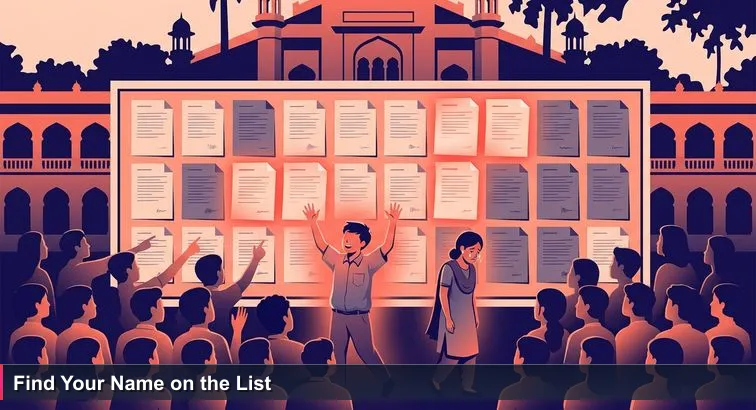
Everyone who has stood in front of Curzon Hall or a college notice board in Dhaka knows that feeling: the heat rising off the bricks, students pushing closer, fingers running down columns of roll numbers. For a moment, your entire future is compressed into a few crumpled A4 sheets. One shout of joy, one silent step back, and two completely different lives begin.
Today, the “notice boards” are Bdjobs links, LinkedIn posts and startup careers pages, but the emotion is the same. Your first offer letter as a developer in Dhaka or Chattogram can feel like that admission result - proof that all the sleepless nights with DSA, MERN, or TensorFlow were not a mistake.
The new result sheet for junior devs
Globally, entry-level tech hiring has reportedly dropped by up to 73%, with commentators calling it a “junior crisis” as companies cut trainee-style roles and expect production-level output from day one. For Bangladeshi juniors, that means refreshing job boards feels even more high stakes: will you get “Software Engineer” at a funded startup, or another generic unpaid internship?
At the same time, Dhaka and Chattogram’s startup scene is maturing. According to LightCastle Partners’ Bangladesh Startup Investments Report 2025, funding is concentrating in proven Series B+ players like ShopUp (now SILQ Group), while a layer of smaller teams keeps experimenting - and quietly hiring juniors through internship-to-hire pipelines.
Lists as lenses, not verdicts
In this market, a “Top 10 startups hiring juniors” list feels a lot like that roll-number sheet. It offers clarity - real companies, real stacks, real salary bands (from around ৳25,000-৳45,000 at many startups up to ৳50,000-৳70,000 for stronger juniors in top-funded firms) - but it also hides everything that doesn’t fit on one page.
What the list can’t show are the trade-offs: fast learning at Pathao versus stability at an IT services giant, Dhaka prestige versus Chattogram breathing room, or the quiet power of off-list routes through bootcamps, Hi-Tech Park companies, or Facebook communities. Your job is not just to spot your “roll number” on a famous brand, but to learn how to read between the lines.
Beyond the paper
Many engineers working at places like Brain Station 23, remote EU startups, or fintechs like bKash never saw their names on the “right” admission sheet. They found side doors - small internships, freelance gigs, GP Accelerator-backed startups, community groups like Dev for Hire - and treated each as a stepping stone.
Use this Top 10 list the same way: as a map of real, concrete options, not a final judgement. Whether or not your first dev job is on that sheet, your career will be written in the projects you ship, the skills you stack, and the ecosystems in Dhaka and Chattogram you choose to plug into.
Table of Contents
- Why your first dev job feels like an admission result
- ShopUp
- Pathao
- Brain Station 23
- Arogga
- Vivasoft
- Interactive Cares
- CodersBucket
- Gigalogy
- Xponent InfoSystem
- Ontik Technology
- How to find and judge startup jobs
- Frequently Asked Questions
Students and bootcamp graduates should consult the complete AI career guide for Bangladesh (2026) for salary bands and role mapping.
ShopUp
Dhaka’s flagship B2B rocket
ShopUp, now rebranded under SILQ Group, sits at the centre of Bangladesh’s startup storyline: a heavily funded B2B commerce, logistics and embedded finance platform serving millions of small retailers. Ecosystem analyses describe it as a flagship Series B+ player, often bracketed with the country’s unicorns and “soonicorns” that signal real product-market fit, not just hype. For a junior engineer, that means your code ships into kirana shops from Mirpur to Mymensingh, not just a demo server.
Stack and roles built for scale
On the engineering side, you’ll mostly work with modern backend stacks and data-heavy services.
- Stack: Node.js, TypeScript, Go, microservices, queues, analytics pipelines.
- Roles: “Software Engineer”, “Associate Software Engineer”, plus the structured Fast Track (Tech) programme designed for fresh graduates.
- Work spans order management, inventory, payments, routing and risk systems for Bangladeshi SMEs.
Pay, pressure and what you learn
For those who clear the bar, junior salaries in top-tier Dhaka startups like this typically land around ৳50,000-৳70,000/month, higher than many generic outsourcing roles. Glassdoor reports a structured 5-7 round interview process with aptitude, logic and easy-to-mid coding rounds, matching candidate accounts of a serious, but fair, selection funnel. In return, you’re exposed early to distributed systems, monitoring, data-informed product tweaks and reliability work that mirrors what peers in Bengaluru or Jakarta see.
Trade-offs and how to get in
The flipside is intensity: long interview loops, a strong emphasis on fundamentals, and a culture where targets matter. It’s not ideal if you want a very gentle start or a 9-5 support role. To earn your spot as a junior, you’ll need to:
- Ship at least one serious Node.js/TypeScript project (for example, multi-tenant inventory with payments) on GitHub.
- Practise timed logic/aptitude and easy-medium coding problems regularly.
- Show confidence with SQL and basic system design ideas like caching, pagination and rate limiting, since interviews go beyond simple CRUD.
Pathao
From traffic jam to training ground
If you code in Dhaka, you’ve probably taken a Pathao bike or ordered food through the app. Behind that simple interface sits a hyper-growth engineering team working on ride-sharing, food delivery and logistics at national scale. On Glassdoor, employees describe Pathao as a “hyper-growth” place where juniors level up fast but also feel the pressure, echoing mixed pros and cons in detailed Pathao employee reviews.
What you actually work on
- Stack: Kotlin (Android), Swift (iOS), Go-based microservices and REST APIs.
- Roles: “Associate Software Engineer”, “Android/iOS Engineer”, backend engineering posts.
- Problems: real-time location tracking, maps and routing, surge pricing, and high-concurrency order systems.
For juniors, this feels like an intense engineering school: you see how a bug in one service ripples across riders, eaters and merchants in seconds, much like case studies on resource-constrained startups highlighted in the South Asian startup literature.
Pay, pace and politics
Junior devs in Dhaka startups generally fall in the ৳30,000-৳55,000/month range, with Pathao often on the higher side for strong mobile or backend candidates. In return, you get exposure to A/B testing, feature flags and real-time monitoring that looks very similar to regional peers in Jakarta or Ho Chi Minh City.
The trade-off is intensity. Engineers mention late nights during big launches and shifting management decisions, including some criticism around internal politics and perceived “nepotism” in a subset of Pathao Glassdoor comments. It’s an environment for those who can handle both speed and ambiguity.
How to break in as a junior
- Publish at least two mobile apps (one Kotlin, one Flutter or Swift) with maps, location or payments.
- For backend, learn Go well enough to build a small ride-hailing or food delivery API (bookings, pricing, notifications).
- Prepare for interviews that focus on DSA, concurrency basics and debugging scenarios, as described in associate engineer interview experiences.
Brain Station 23
Where service work meets startup energy
Among Bangladeshi software firms, Brain Station 23 has become a kind of “dream company” for many BUET, Dhaka University, BRAC University and NSU grads. With around 700-850+ employees and a reputation for strong engineering culture, it appears consistently in rankings of leading software companies in Bangladesh, including lists by peers such as Vivasoft’s 2026 industry overview and export-focused round-ups from Dhaka’s tech community.
Unlike single-product startups, Brain Station 23 runs multiple project teams for telecom, fintech, healthcare and enterprise clients across Europe, North America and the Middle East. That mix of global exposure and local roots makes it feel halfway between a startup and a multinational for juniors entering the industry.
Stack, roles and global exposure
You’ll find a broad mix of technologies here:
- Web: React, Angular, .NET, Java, Node.js
- Cloud & DevOps: AWS, Azure, CI/CD, containerisation
- Domains: fintech, telecom, enterprise SaaS, and increasing AI/ML integrations
Junior titles include “Junior Software Engineer”, “Associate Software Engineer”, cloud-focused roles and QA engineering. For strong candidates, salaries often sit at the upper end of the Dhaka market, around ৳40,000-৳70,000/month, reflecting its status as one of the country’s higher-paying firms in multiple “top companies” lists such as the Ontik Technology 2026 ranking.
Trade-offs and how to get in
The upside is serious: structured teams, regular code reviews, and real cloud deployments for demanding overseas clients. The trade-off is that, as a services company, you may rotate across projects and not every team will work on cutting-edge AI or product experiments all the time.
To maximise your chances of joining as a junior, focus on one backend stack plus one frontend framework (for example, ASP.NET + React) and build a production-style project with authentication, role-based access and reporting. Adding an associate-level AWS or Azure certification and polishing your English communication will help you stand out for client-facing teams.
Arogga
Medicine delivery is one of those problems you feel every time a relative in Dhaka or Chattogram can’t find a prescribed drug nearby. Arogga steps straight into that gap as a health-tech super-app for medicines, diagnostics and teleconsultations, backed by seed investment that includes Silicon Valley’s Hyper. It is often mentioned as part of the new wave of digital consumer services emerging alongside better-known unicorns and “soonicorns” profiled in analyses like TechNews180’s overview of Bangladeshi startups.
For juniors, Arogga is unusually accessible. The team regularly posts openings on Bdjobs, including internships and junior developer roles, as visible in recent Arogga job listings on Bdjobs. The core stack centres on MERN (MongoDB, Express, React, Node.js) plus mobile apps and REST APIs, with titles like “Junior Software Engineer”, “Frontend Developer (React)” and mobile-focused roles.
Compensation typically falls around ৳30,000-৳45,000/month for juniors, aligned with Dhaka startup norms but with the added benefit of clear product ownership. You may work on:
- End-to-end e-commerce flows: carts, discounts, payment gateways and delivery optimisation.
- Healthcare features such as e-prescriptions, refill reminders and medicine substitution logic.
- Production-scale performance tuning for users well beyond central Dhaka.
The flip side is volatility: in a fast-moving seed-stage environment, product priorities, processes and even tech choices can shift quickly, and there may be fewer senior engineers than at a Brain Station 23 or ShopUp. To thrive and get in the door, you’ll want to:
- Build and deploy a small MERN-based pharmacy or booking app with real authentication and order tracking.
- Highlight reliability details like pagination, robust form validation and error handling.
- Connect your CV to Arogga’s mission - access to medicine and affordable healthcare still resonates strongly with founders and hiring managers.
Vivasoft
Modern stack, fast growth
Vivasoft has quietly become one of Dhaka’s fastest-growing software houses, known for pairing a startup-like culture with steady offshore work. Industry round-ups, such as Bdtask’s 2026 ranking of top software companies, routinely list Vivasoft alongside brands like Brain Station 23 and REVE Systems, reflecting its status in the export-focused IT/ITES sector that underpins initiatives like Digital Bangladesh and the Hi-Tech Parks.
For juniors, that combination means you are not just fixing HTML for local clients; you’re contributing to production systems used by startups and enterprises in Europe, North America and the Middle East.
Stack, roles and how you’ll work
The engineering culture is built around modern web and cloud technologies:
- Stack: backend with Python, Go, .NET, Node.js; frontend with React; mobile with Flutter; plus CI/CD and cloud deployments.
- Roles: “Junior Software Engineer”, “Trainee Software Engineer”, mobile dev and QA positions, often embedded into remote client teams.
- Projects range from HR products like PiHR to greenfield SaaS builds and team augmentation for overseas companies.
Pay, learning and trade-offs
Junior salaries typically sit around ৳35,000-৳55,000/month, with increments as you become client-facing. In exchange, you learn Git-based workflows, agile delivery, code review discipline and continuous deployment practices that mirror offshore teams in Bengaluru or Kuala Lumpur.
The trade-offs are classic for a services firm: you may switch domains and tech stacks as contracts change, and expectations from foreign clients can include tight deadlines or occasional late meetings across time zones.
Getting in from campus or a bootcamp
To align with Vivasoft’s hiring, pair one backend language (Python or Go is ideal) with React and build a full-stack project that includes authentication, dashboards and basic testing. Show that you’re comfortable with Git, pull requests and reading API documentation, and highlight any remote collaboration experience - freelancing, open-source or group projects - as proof you can thrive in their distributed, export-oriented model from Dhaka, Chattogram or a nearby Hi-Tech Park hub.
Interactive Cares
Edtech with a jobs-first mission
Interactive Cares sits in a growing wave of Bangladeshi edtechs that treat courses as a means, not an end. While pioneers like 10 Minute School and Shikho pushed high-quality content online, Interactive Cares has doubled down on one promise: turning learners into employable juniors. Backed by accelerators such as Accelerating Asia and programmes like Startup Bangladesh, the company publicly targets enabling 1 million job placements by 2026, making its internal tech team central to that goal.
Stack, roles and the kind of work you ship
Most engineering work revolves around a modern web and mobile stack:
- Stack: React and Next.js on the frontend; Laravel or Node.js on the backend; React Native or Flutter for mobile; analytics pipelines tracking learner and job data.
- Roles: “Junior Full-Stack Developer”, “Frontend Engineer”, “Product Engineer” for internal tools, plus occasional data/ML roles for recommendation and matching.
- Features: live class infrastructure, learning management systems, and job-matching workflows that connect graduates to real openings.
Pay, learning curve and trade-offs
Early-stage edtechs in Dhaka typically offer around ৳25,000-৳40,000/month for juniors. At Interactive Cares, the upside is rapid responsibility: you may own entire modules of the LMS, deploy code weekly and see your work directly affect thousands of learners trying to move into IT, banking or creative sectors.
The trade-offs are familiar to small mission-driven teams: a lean engineering bench, processes that evolve quickly, and frequent juggling between product, support and ops - especially around big admission seasons or national exams.
Breaking in as a junior engineer
To stand out, build a mini edtech platform of your own: user registration, course catalogue, video integration, quizzes and basic progress tracking. Highlight measurable impact - completion rates, active users - alongside your GitHub link. Showing up at ecosystem events, such as youth-focused summits like the Youth Impact & Innovation Summit, and talking thoughtfully about youth employment in Bangladesh often matters as much as your framework choice when hiring managers decide which junior to bet on.
CodersBucket
For many juniors in Dhaka, the first break doesn’t come from a big name like Pathao or Brain Station 23, but from a smaller firm willing to invest in raw potential. CodersBucket is one of those companies: a software house that has formalised internship-to-hire as its main gateway for new developers, clearly advertising trainee roles on its own careers page.
The work leans heavily towards practical web development for local and overseas clients. You’ll mostly touch:
- Stack: PHP (Laravel), Python, HTML/CSS and JavaScript, with some WordPress and custom dashboards.
- Roles: “Software Engineer Intern”, “Web Developer Intern”, with a clear path into junior full-time positions for strong performers.
- Project types: business websites, admin panels, basic e-commerce and internal tools for SMEs.
Compensation starts modestly but realistically for Dhaka. Interns usually receive stipends of around ৳10,000-৳20,000/month, with successful conversions to full-time landing in the ৳25,000-৳35,000 junior band. That aligns with broader Bangladesh software engineer salary guides, which place many entry-level roles in the mid-20k to 40k range. In exchange, you get daily contact with senior developers, client feedback cycles, and your first serious Git history on production work.
The trade-off is that much of what you build will be classic web projects rather than deep product engineering or AI-heavy systems. But if you’re coming from a non-CS background, a regional university, or a bootcamp, that first line on your CV - “Software Engineer Intern, CodersBucket” - can be exactly what unlocks interviews at larger Dhaka or Chattogram employers later.
To get in, focus on proving you can execute reliably:
- Build 2-3 small client-style sites (company profile, blog, simple dashboard) using Laravel or Python.
- Pay attention to clean HTML/CSS, responsiveness and basic security like input validation.
- Emphasise your willingness to learn and ship; for many CodersBucket internships, attitude and consistency weigh as heavily as raw problem-solving.
Gigalogy
Intern-first product lab
Some startups in Dhaka quietly act as training grounds long before they become household names. Gigalogy is one of these: an early-stage company that consistently recruits through Software Engineer Intern roles, using internships as its primary pipeline into junior positions. A recent listing on Startup Jobs for Bangladesh-based interns makes this strategy explicit, positioning the role as a pathway to full-time work rather than a throwaway attachment.
Stack, roles and what you actually build
Engineering at Gigalogy leans on pragmatic full-stack skills rather than a single “fancy” framework. Interns and juniors typically work with:
- Stack: Python, Node.js, PHP and JavaScript, often deployed on modern cloud platforms.
- Roles: “Software Engineer Intern” leading to junior backend or full-stack positions.
- Work type: rapid prototyping of new products, internal dashboards and tools that support evolving business ideas.
This means you are likely to touch everything from database schema design to basic frontend components, mirroring the end-to-end exposure juniors in other South Asian hubs crave.
Pay, learning curve and trade-offs
Interns can expect stipends around ৳15,000-৳25,000/month, with full-time junior roles typically moving into the ৳25,000-৳40,000 band. In exchange, you learn by doing: scoping features with founders, reading unfamiliar documentation on the fly, and pushing code into production systems without layers of corporate bureaucracy.
The trade-offs are real. Brand recognition is smaller than names like Pathao or ShopUp, processes may be lightweight or undocumented, and priorities can pivot from one month to the next. This suits juniors with an entrepreneurial mindset who want to experiment, but it can feel chaotic if you prefer a highly structured environment.
How to stand out in applications
To maximise your chances, arrive with proof that you can ship:
- Build a full-stack project in Node.js or Python - for example, a small SaaS-style dashboard or analytics tool.
- Demonstrate comfort picking up new libraries quickly, showing clear commit history and readable documentation in your repos.
- Monitor startup-focused boards and communities where early-stage teams like Gigalogy recruit, then tailor your CV to highlight autonomy and problem-solving over exam results alone.
Xponent InfoSystem
Not everyone can or wants to fight Dhaka rent and traffic just to start a dev career. For juniors in Chattogram, Xponent InfoSystem offers a way to build a modern portfolio while staying closer to home. Based in the port city’s growing tech corridor, Xponent focuses on frontend and e-commerce work for international clients, positioning itself as a local gateway into export-oriented IT/ITES without requiring a move to the capital.
The company openly courts freshers. Its careers page lists “Trainee Developer” and junior positions aimed at new graduates, with clear entry points for those who can show basic project work rather than a top-tier admission rank, as seen on the Xponent InfoSystem jobs section. Day to day, you’ll work primarily with a focused, commercially relevant stack:
- Stack: React.js, Next.js, Shopify and related frontend tooling.
- Roles: “Trainee Web Developer”, “Junior Frontend Developer”, Shopify theme and app developers.
- Work: building storefronts, custom themes, and performance-tuned frontends for global e-commerce brands.
Junior salaries in Chattogram are typically 20-40% lower than Dhaka for similar roles, so you can expect around ৳20,000-৳35,000/month at the start. The trade-off is a lower cost of living, less competition for each opening, and a front-row seat as Chattogram’s own ecosystem expands under national initiatives like the Hi-Tech Parks and export-focused IT policy. With strong frontend skills, you can also later tap into remote opportunities listed on platforms that now feature Bangladesh, such as global remote job boards.
To break in, treat Xponent as both a first job and a training ground. Build a small portfolio of 2-3 React/Next.js projects, including at least one e-commerce clone with cart and checkout. Learn the basics of Shopify Liquid and app extensions using a demo store, and showcase attention to UX, SEO and page speed. Active participation in local developer groups and Chattogram-focused tech communities will often get your CV seen faster than anonymous applications alone.
Ontik Technology
MVP factory for global clients
Ontik Technology sits in the newer wave of Bangladeshi software firms that specialise in building MVPs and providing flexible team augmentation for overseas startups. In its own 2026 write-up on top local software companies, Ontik describes this model as “the future of the software industry” because small, agile teams in Dhaka and Chattogram can ship full products for founders in Europe or Asia at competitive rates. For a junior, that means your first pull requests can land in live products used far beyond Bangladesh.
Stack and roles tuned for speed
Engineering work here is unapologetically full-stack and product-focused:
- Stack: web with ReactJS and Next.js; backend in Laravel or Node.js; mobile via React Native or Flutter; plus DevOps and cloud hosting.
- Roles: “Junior Software Engineer”, “React Developer”, mobile engineer and QA positions supporting cross-functional squads.
- Domains: early-stage SaaS, booking platforms, dashboards and tools for international founders.
Pay, exposure and expectations
Juniors can expect around ৳30,000-৳50,000/month, depending on stack and direct client exposure. Day to day, you will typically:
- Build MVPs from scratch, from database schema to UI.
- Collaborate with foreign startups that treat your team as their in-house dev squad.
- Practise agile delivery, rapid prototyping and clear written communication in English.
This mirrors the kind of export-oriented work highlighted in reports on community-backed Bangladeshi startups and offshore teams, such as investor round-ups on Shizune’s list of community investors in Bangladesh.
Trade-offs and breaking in
The flip side of this freedom is pace: project timelines are tight, expectations from overseas clients are high, and documentation quality can vary from project to project. You’ll need strong self-discipline to track requirements and avoid regression bugs across multiple codebases.
To get hired, build one or two MVP-style projects - for example a SaaS admin dashboard or booking platform - and deploy them publicly. Show familiarity with project management tools like Jira or Trello, remote-friendly workflows (issue tracking, pull requests, code reviews) and clear English communication, so Ontik’s founders know you can represent their team confidently in calls with clients who might otherwise hire directly through global remote platforms like specialised remote job boards.
How to find and judge startup jobs
Job boards feel a lot like those old admission sheets outside Curzon Hall: a fixed list of names, with no hint of how they got there. In a market where many companies are cutting trainee-style roles and expecting production-ready juniors, you cannot rely on Bdjobs and LinkedIn alone. You need to know both where Bangladeshi founders actually post junior roles, and how to judge whether a shiny startup offer is worth betting your early career on.
| Channel | Where to look | Best for | Watch out for |
|---|---|---|---|
| Facebook & local groups | Groups like Dev for Hire, TechnTalents Bangladesh, campus communities | Unadvertised junior/intern roles, direct access to founders and CTOs | Unstructured posts, unpaid “internships”, vague job descriptions |
| Startup job boards | Bangladesh filter on Startup Jobs and similar platforms | Early-stage tech roles, remote-friendly positions, product teams | Short runways, experimental ideas that may pivot or shut down |
| Accelerators & VCs | Startup Bangladesh, GP Accelerator, new funds like BSIC | Backed companies with some due diligence and mentorship | Brand halo can hide weak engineering culture or low pay |
| Campus & community events | BUET/DU/NSU/BRACU incubators, programmes like Onnorokom Uddokta | Meeting founders early, getting referrals, side projects | Opportunities are informal; you must follow up consistently |
Once you start getting interviews, treat each startup like a system design problem. Ask about cash runway (anything below 9-12 months without clear revenue is risky), who their investors are, whether they earn in BDT or export dollars, and how many seniors you’ll actually work with day to day. Export-oriented IT/ITES firms often have more stable dollar revenue than purely local apps, but some small Dhaka product teams offer better code ownership and faster learning.
- Clarify whether you’ll have at least one strong mentor reviewing your code regularly.
- Check if juniors have shipped real features in the last six months, not just “support tasks”.
- Look for evidence of real product-market fit: paying customers, repeat usage, not just pitch decks.
Finally, remember that in this “junior crisis” era, you’re being judged less as a button-clicker and more as a mini-architect. Essays like The Disappearance of the Junior Developer and LinkedIn discussions by practitioners such as Emmanuel Addo all point to the same truth: if you can own a feature end to end, communicate clearly and use AI tools wisely, you’ll have options far beyond whatever appears on today’s result sheet.
Frequently Asked Questions
Which startup on this list is most likely to get me hired as a junior developer quickly?
ShopUp (SILQ Group) has a formal Fast Track tech programme and is a good quick entry for ambitious juniors, while CodersBucket and Gigalogy run internship-to-hire pipelines that routinely convert interns to full-time roles. Top-tier Dhaka startups often hire juniors who show deployed projects and can move fast - pay for those roles typically reaches ৳50,000-৳70,000/month for strong candidates.
Should I move to Dhaka or start with a Chattogram startup?
Dhaka offers bigger hiring volume and higher pay (typical junior ranges ৳30,000-৳70,000/month), while Chattogram roles pay about 20-40% less (roughly ৳20,000-৳35,000) but come with lower living costs and a growing ecosystem supported by Hi-Tech Parks. If you need higher salary and faster product exposure choose Dhaka; if family, cost or local networks matter, Chattogram is a solid alternative.
What concrete projects or skills should I show to pass interviews at these startups?
Ship one deployed full-stack project (e.g., Node.js/TypeScript + React or a MERN e-commerce) on GitHub and a live URL, and demonstrate SQL plus basic system design (caching/pagination). Also highlight familiarity with Git, a cloud hobby project or an AWS/Azure associate cert, and any mobile app with maps/payments if applying to Pathao or ShopUp.
How much can I expect to earn as an entry-level developer at these startups in 2026?
Intern stipends usually range ৳10,000-৳25,000/month with conversions to juniors around ৳25,000-৳45,000 in many startups; Dhaka’s stronger firms and service companies pay higher, typically ৳35,000-৳70,000. Remote roles for international clients can exceed $1,000/month (≈৳120,000+), but those require stronger portfolios.
How can I quickly judge a startup's stability before accepting an offer?
Ask about runway in months - anything under 9-12 months is riskier - and check whether they have paying customers or export contracts (export-oriented IT/ITES firms tend to be steadier). Also look for investor citations in reports like LightCastle, consistent hiring velocity, and at least one strong senior engineer who can mentor you.
Use this comprehensive Cost of Living vs Tech Salaries in Bangladesh in 2026 breakdown to model your take-home after tax and PF.
Best AI employers in Bangladesh 2026 - Top 10 companies for ML talent
This learn about AI salaries in Bangladesh for 2026 anchor summarizes expected pay for AI/ML, MLOps, and applied research roles.
Complete guide to AI Communities and meetups across Dhaka and Chattogram in 2026
Our piece highlights the best AI startups in Bangladesh for 2026 and what makes them scalable.

Irene Holden
Operations Manager
Former Microsoft Education and Learning Futures Group team member, Irene now oversees instructors at Nucamp while writing about everything tech - from careers to coding bootcamps.