









Top 10 Tech Coworking Spaces and Incubators in Palau in 2026
By Irene Holden
Last Updated: April 22nd 2026
Too Long; Didn't Read
Palau's top tech coworking and incubator pick is the RNS Digital Residency Program, costing just $248 annually and offering zero tax on foreign-earned income, making it a portable incubator for global tech businesses. The PICRC Innovation Hub ranks second for conservation AI professionals, providing funded projects and international visibility. These spaces, along with free SBDC training and NDBP loans, create a distributed ecosystem where AI and machine learning professionals can thrive.
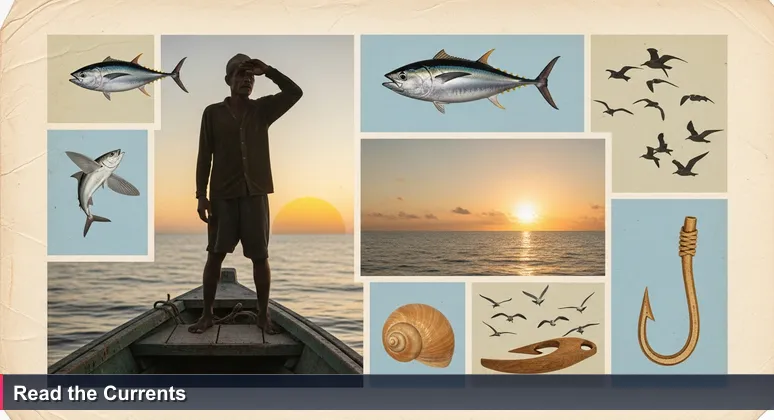
The fisherman doesn't look for a spot on a map. He reads the horizon - the tilt of the sun, the arc of a frigatebird, the color change in the current. That's how you find Palau's best tech coworking spaces: not by searching for a street address, but by learning to see the signs.
Palau doesn't have a WeWork or a gleaming tech tower. What it has is something more valuable: a distributed, living network of spaces, programs, and people that function like a single, organic incubator. The Palau Small Business Development Center offers free training but rotates venues. The National Development Bank of Palau provides low-interest startup loans that become your virtual desk. The Palau Community College marine lab serves as a de facto blue-tech prototyping facility where you can test a coral reef AI model in the morning and dive the same reef in the afternoon.
This isn't about square meters and coffee quality. It's about which spaces connect you to the right currents - the government agencies, tourism operators, marine research centers, and NGOs that make up Palau's unique ecosystem. President Surangel Whipps Jr. has stated that Palau is proving "innovation and stewardship can go hand in hand," emphasizing marine technology and ocean-based economies as the country's strategic advantage.
The best coworking "spaces" in Palau aren't rooms - they're networks. The fisherman's knowledge is distributed across generations and conditions. Palau's tech hubs are similarly distributed: the Chamber of Commerce networking mixers, the NDBP loan programs for eco-startups, the digital residency itself as a mobile incubator. The question isn't "Where should I cowork?" but "What currents do I need to follow?"
For Palauan freelancers, remote workers, and job seekers in AI and machine learning, these are the places where opportunities flow - if you learn to read the signs.
Table of Contents
- A Fisherman’s Guide to Palau’s Tech Ecosystem
- Palau Central Hotel Business Center
- WCTC Plaza Hotel Meeting Spaces
- Mapmelon Palau Coliving
- Nomad Stays Palau
- Palau Chamber of Commerce Networking Hub
- National Development Bank of Palau (NDBP) Entrepreneurship Programs
- Palau Small Business Development Center (SBDC)
- Palau Community College (PCC) Cooperative Research & Extension Labs
- Palau International Coral Reef Center (PICRC) Innovation Hub
- RNS Digital Residency Program
- Conclusion: Reading Palau’s Currents
- Frequently Asked Questions
Check out this complete guide to starting an AI career in Palau in 2026.
Palau Central Hotel Business Center
When the afternoon storms hit Koror and your home internet flickers, the Palau Central Hotel business center is your insurance policy. Located in central Koror, it offers high-speed internet, air conditioning, meeting rooms, and - critically - backup power that keeps you online when the rest of the island goes dark. According to analysis of Palau's emerging technology landscape, reliable connectivity is the backbone of remote work in island nations, and this space delivers precisely that.
This isn't a community space. You won't find networking mixers or startup posters on the walls. For the freelance data scientist who needs to submit a model before a 5 PM deadline, it's a lifeline. The walkable waterfront location means you can grab a quick lunch between training runs, and the hotel's front desk can connect you with local business contacts. Pricing runs approximately $30-50/day for meeting room access, though it's complimentary for hotel guests - making it the most reliable fallback for short-term remote workers.
Use this space during Palau's peak tourism season (November-April) when other venues fill up. It's also your best bet for video calls with Asia-Pacific clients, thanks to the Belau Submarine Cable connection that has made internet reliability across Koror and Babeldaob significantly stronger. The corporate, functional vibe won't inspire your next breakthrough, but when your home connection drops and your model needs deploying, it's the difference between a missed deadline and a delivered project.
Practical tip: Book ahead during high season. The backup power here is genuinely tested - ask the front desk about their generator runtime before you commit to a long training session.
WCTC Plaza Hotel Meeting Spaces
The WCTC Plaza Hotel has become an informal gathering point for Palau's growing tech community. Its meeting rooms are frequently used by the Palau Chamber of Commerce for industry forums and by government agencies for digital infrastructure planning sessions. Pricing runs approximately $40-75 per hour for conference rooms, with event packages negotiable for longer bookings.
What makes this space valuable isn't the furniture - it's the foot traffic. The hotel sits at the heart of Koror's business district, meaning you're likely to run into officials from the Palau Visitors Authority, conservation NGO staff, or fellow entrepreneurs grabbing coffee at the lobby café. For job seekers in AI and machine learning, this serendipity is gold: Palau's small, close-knit beluu (community) means that a single conversation can open doors to projects in tourism tech, marine conservation AI, or government data systems.
Unlike coworking spaces in Guam or Honolulu, where you're one of hundreds, here you're one of a handful. Your face gets remembered. The WCTC meeting rooms are where I've seen a marine biologist connect with a data engineer over lunch, leading to a real-time coral monitoring project funded by the Palau International Coral Reef Center.
Palau-specific insight: The professional, neutral atmosphere works well for pitch days and client meetings. The hotel's central location means you're within walking distance of the waterfront, the Chamber of Commerce office, and multiple banks - practical for the founder who needs to run between meetings and loan applications.
Mapmelon Palau Coliving
Mapmelon has carved out a niche as Palau's most recognized platform for community-driven housing that integrates private living with built-in coworking spaces. It's not a traditional incubator, but it functions as one: the shared tables and common areas become de facto brainstorming rooms for tech professionals working on everything from fintech to conservation data platforms. Pricing runs $800-1,500 per month for a private room with shared coworking areas.
The platform specifically vets accommodations for wifi reliability - a non-negotiable for the machine learning engineer who needs to upload large datasets. Users report that the community aspect is the real draw. Unlike the isolation of a hotel room, Mapmelon spaces foster "meaningful connections between remote workers in tropical settings," according to one long-term resident. Digital nomads using Palauan workspaces consistently prioritize stable data and reliable wifi over luxury amenities, often using international eSIMs as backup for inconsistent local networks.
Cost comparison: At $800-1,500/month, Mapmelon is significantly cheaper than comparable coliving in Honolulu ($2,000-3,000/month) or Guam ($1,500-2,500/month). You're paying less for less luxury but more for community density - a trade-off that makes sense for early-stage startup founders and freelancers building their Palau network. For the Palauan AI engineer returning home to work remotely, or the international digital nomad establishing roots in Koror, this price point makes long-term stays feasible.
The informal, tropical vibe means you're more likely to find a shared dinner conversation about coral reef monitoring algorithms than a formal networking event. That's the point: in Palau's close-knit beluu, the most valuable connections happen when you're not trying to make them.
Nomad Stays Palau
Nomad Stays provides instantly confirmed accommodations specifically vetted for wifi reliability and workspace availability. For the AI researcher arriving from Manila or Tokyo for a two-week project with the Palau International Coral Reef Center, this removes the uncertainty that plagues remote work in island nations. Short-term rates run $60-120 per night, with monthly long-term stays from $700-1,400 - pricing that undercuts most Koror hotels while delivering guaranteed connectivity.
The platform's listings include detailed speed tests and workspace photos, so you know before you book whether your video call will hold. This is particularly valuable during Palau's rainy season (June-October), when satellite connections can be spotty and power outages more common. For the machine learning engineer training models on coral reef imagery, that certainty matters: a dropped upload halfway through a 12-gigabyte dataset means lost hours.
Use Nomad Stays as your base during job hunting. Many Palau-based conservation and tourism tech roles require on-island presence for at least part of the year. Having reliable wifi from day one means you can hit the ground running on applications while you explore permanent housing options. The curated, travel-oriented vibe makes it a natural transition point - a temporary dock before you find your permanent berth in Palau's tech ecosystem.
Palau Chamber of Commerce Networking Hub
The Palau Chamber of Commerce functions as the island's closest approximation to a traditional coworking hub. Its monthly "Networking Mixers" and Industry Forums are the primary gathering points for anyone serious about tech in Palau. Membership costs ~$100 per year for individuals, with non-member event access from $10-20 - a small investment for access to the island's business decision-makers. What sets the Chamber apart is its focus on B2B connections. While other spaces cater to the individual remote worker, the Chamber connects you to established local businesses, government contractors, and tourism operators who need tech solutions. The Chamber hosts approximately 12 major networking events per year, with attendance ranging from 50-150 professionals. In a country of ~18,000 people, that's a significant concentration of decision-makers in one room. For the Palauan AI freelancer, this is where you find clients. For the incoming remote worker, this is where you learn which government departments are digitizing their data systems. Unlike the anonymous networking of Guam's larger business councils, Palau's Chamber events mean you can have a real conversation with the director of the Palau Visitors Authority about their AI-powered tourism analytics needs - and follow up the next day. The Chamber's support for local business initiatives and its role in fostering business collaboration across the islands make it the essential entry point for anyone looking to integrate into Palau's professional community. The professional, slightly formal atmosphere works well for making first impressions that stick.National Development Bank of Palau (NDBP) Entrepreneurship Programs
The National Development Bank of Palau is an incubator in financial form. Through its $5 million re-lending project specifically targeting youth and women entrepreneurs, the bank provides the capital that turns a garage project into a registered business. Loans range from $5,000 to $100,000 at low interest rates, with training sessions often offered free of charge. The bank's Energy Efficiency Support Program and MSME development initiatives are particularly relevant for Palauan tech founders. If you're building an AI-powered energy management system for Palau's hotels, or a booking platform that optimizes tourist flow across the Rock Islands, the NDBP can fund your prototype development. The NDBP's mandate prioritizes eco-tech and tourism tech that aligns with Palau's strategic economic goals, making it the primary funding source for founders working at the intersection of technology and the island's core industries. The NDBP requires a solid business plan and often partners with the Palau SBDC for training. Use this sequence: attend SBDC workshops to refine your idea, then apply to NDBP for funding. This two-step path has launched several of Palau's most promising eco-tech startups. While Guam's Small Business Development Center offers similar services, Palau's NDBP has the advantage of smaller applicant pools and more personalized attention from loan officers who know the local market intimately. For the Palauan data scientist who has identified a real problem in tourism logistics or conservation monitoring, the NDBP is where you trade your technical prototype for actual operating capital. The bank's community engagement efforts ensure that loan officers understand the unique constraints of building tech businesses in an island economy - from shipping delays for hardware to the seasonal cash flow patterns of tourism-dependent clients.Palau Small Business Development Center (SBDC)
The Palau Small Business Development Center, operated in partnership with the University of Guam and the Palau Ministry of Public Infrastructure, is the primary hub for business coaching on the island. It doesn't have a permanent physical address - it meets at rotating venues across Koror and Babeldaob - but its impact is unmistakable. All training and counseling are offered free of charge, removing the financial barrier that would otherwise send Palauan founders to Manila or Honolulu for business education. The SBDC offers practical workshops covering digital tools like QuickBooks, marketing strategies for tourism tech, and one-on-one counseling for early-stage founders. For the Palauan data scientist thinking about launching an AI-powered tour guide app, this is where you learn the business fundamentals that your coding bootcamp didn't cover. In a recent year, the SBDC reported training over 200 entrepreneurs, with approximately 30% focused on digital or tech-enabled businesses - a significant number for a country of 18,000 people. Even if you're not starting a business, SBDC workshops are excellent networking opportunities. You'll meet the people who are actively building Palau's tech ecosystem - the future employers and collaborators in AI and machine learning roles. The SBDC's rotating venue model means you'll find yourself in community halls across both Koror and Babeldaob, building relationships with entrepreneurs from different parts of the island. The educational, supportive atmosphere makes this the ideal starting point for anyone who has a technical skill but needs the business framework to turn it into a sustainable venture. Think of the SBDC as your navigation chart - it won't catch the fish for you, but it will show you where the currents run.Palau Community College (PCC) Cooperative Research & Extension Labs
The PCC Cooperative Research & Extension program is Palau's most underrated incubator. While technically an academic unit, it provides lab space, research farms, and fieldwork facilities that no city coworking space can match. The CRE focuses on aquaculture - clam and fish farming - and germplasm conservation, offering a unique environment for tech professionals working at the intersection of data and ocean ecosystems. For the AI engineer building predictive models for sustainable fisheries, or the machine learning researcher training computer vision systems on coral reef health, this is your ideal workspace. The labs sit on Babeldaob, near the Belau Submarine Cable infrastructure that has made remote work feasible across the island. Access is free for PCC affiliates, with negotiated rates for external researchers - a fraction of what you'd pay for lab space in Guam or Honolulu. The CRE offers "non-traditional" online curriculum support, meaning you can take courses while working on projects. If you're a Palauan looking to upskill in AI while contributing to local marine conservation, this dual path is invaluable. The PCC catalog details programs that combine technical training with hands-on fieldwork - a combination no urban coworking space can replicate. While the University of Guam has more extensive marine science facilities, PCC's labs are more accessible for Palauan residents and offer a closer connection to the actual ecosystems you'd be modeling. No other Pacific incubator lets you test your coral reef AI model in the morning and dive the same reef in the afternoon. For the marine-tech founder, that proximity isn't a luxury - it's the difference between data and wisdom.Palau International Coral Reef Center (PICRC) Innovation Hub
The PICRC Innovation Hub hosts international researchers and tech workers focused on conservation technology. It's less a coworking space than a mission-aligned incubator for blue-tech solutions that address Palau's most pressing environmental challenges. As Palau pushes tech-based ocean protection at global summits, this hub serves as the physical manifestation of that strategy - a place where machine learning engineers work alongside marine biologists to build tools that protect the reefs sustaining Palau's culture and economy. Recent projects include AI-powered coral bleaching prediction models, drone-based mangrove monitoring systems, and data platforms for tracking illegal fishing activity. The hub's connection to global conservation networks means your work here gets international visibility, often leading to published research and follow-on funding from organizations like the Nature Conservancy and the Global Environment Facility. Access is project-dependent, typically funded through NGO or government grants, which means your work must align with PICRC's conservation mission."Innovation and stewardship can go hand in hand" - President Surangel Whipps Jr., Republic of PalauPICRC frequently posts project-based roles for data scientists and AI engineers. If you're a Palauan with machine learning skills, this is where you can work on problems that directly impact your home islands - and get funded by international conservation organizations. The hub's location in Koror puts you minutes from the reefs you're modeling, allowing for rapid prototyping cycles that would take weeks at a mainland research institution. For the AI professional who wants their work to matter beyond a quarterly report, this is the most meaningful desk you'll find in Palau.
RNS Digital Residency Program
The RNS Digital Residency Program is Palau's single most powerful incubator - and you carry it in your pocket. This isn't a room with desks. It's a legal and digital infrastructure that turns Palau into a launchpad for global tech businesses. For an annual fee of ~$248, you receive a digital ID that unlocks access to crypto exchanges and payment providers globally, combined with 0% income tax on foreign-earned income. That makes this incubator cheaper than a month's rent in Koror."The Palauan ID solved access issues where other country IDs failed, particularly in the fintech space." - Long-term digital resident, r/Nomad communityEvery other space on this list requires you to be physically present. The digital residency lets you build your tech business from anywhere in the world while maintaining Palau as your legal base. For the Palauan AI engineer working with Asia-Pacific clients, or the international founder who wants to leverage Palau's regulatory environment for fintech, this is the foundation. The practical workflow: use the digital residency to establish your company, use NDBP funding to develop your prototype, test at PCC labs if you're in blue-tech, and network at Chamber events when you're on island. The digital residency is the hub; everything else is a spoke. It costs less than a month's coworking pass in Honolulu and gives you something no physical space can: the ability to operate globally while anchored to a jurisdiction that understands innovation. For the fisherman who knows the best boat is the one that can go anywhere, the RNS digital residency is exactly that - a vessel that holds all waters.
Conclusion: Reading Palau’s Currents
The fisherman doesn't need a map of every reef. He needs to know how to read the signs - the frigatebird circling, the current changing color, the baitfish breaking the surface. Palau's tech ecosystem works the same way. The spaces and programs on this list aren't a checklist of addresses. They're a set of signals: the SBDC workshop schedule, the NDBP loan application deadline, the PICRC project call, the Chamber networking mixer date. Analysts from PanamericanWorld note that emerging ecosystems in 2026 are moving beyond "survival mode" into a sustainable "Efficiency Era," focusing on long-term relevance rather than short-term attention. Palau embodies this shift: its incubators aren't built on venture capital hype but on the steady currents of conservation need, tourism demand, and government modernization. The shift toward regional clusters means Palau's unique position - close to Asia-Pacific markets, with a supportive regulatory environment and a mission-driven culture - becomes a competitive advantage, not a limitation. For Palauan AI and machine learning professionals, the path isn't about finding the perfect desk. It's about learning which currents to follow. Start with the RNS digital residency to establish your base. Use the free SBDC training to refine your business model. Apply for NDBP funding to build your prototype. Test your model at PCC or PICRC. Network at the Chamber. Each step connects you to the next current. The map isn't the territory. The signs are all around you. Learn to read them, and you'll find your place in Palau's tech ecosystem - wherever that place happens to be. The boat, like the digital residency, goes anywhere. The question is whether you know how to read the water.Frequently Asked Questions
Which coworking space is best for AI and machine learning professionals in Palau?
For AI/ML professionals, the PICRC Innovation Hub offers mission-aligned projects in conservation tech, such as AI-powered coral bleaching prediction models. Palau Community College labs provide hands-on marine-tech prototyping. Both connect you to real-world data and international research networks, making them ideal for applied machine learning work.
How do I apply for the RNS Digital Residency and what does it cost?
The RNS Digital Residency costs approximately $248 per year for a digital ID. Apply online through the official government portal; you'll need to verify your identity and provide a Palauan mailing address. Benefits include 0% income tax on foreign-earned income and access to global financial platforms like crypto exchanges.
Are there any free or low-cost options for networking in Palau's tech scene?
Yes, the Palau Chamber of Commerce hosts free networking mixers for members ($100/year) and low-cost non-member events ($10-20). The Palau Small Business Development Center (SBDC) offers free workshops and one-on-one counseling, rotating venues across Koror and Babeldaob - a great way to meet local entrepreneurs and potential clients.
What's the best option for a short-term remote work stay in Palau?
Nomad Stays Palau offers vetted accommodations with guaranteed wifi from about $60-120 per night or $700-1,400 per month. For a community-focused experience, Mapmelon Palau Coliving provides private rooms with shared coworking areas at $800-1,500 per month. Both are cheaper than similar options in Guam or Honolulu.
How can I get funding for a tech startup in Palau?
The National Development Bank of Palau (NDBP) provides low-interest startup loans from $5,000 to $100,000, especially for eco-tech and tourism tech businesses. Pair this with free training from the Palau SBDC to refine your business plan before applying. This two-step path has launched several successful startups in 2025-2026.
Learn about the cybersecurity job market in Palau 2026 salaries and certifications in this comprehensive article.
Discover the most impactful women in tech groups in Palau and how they foster community.
Our guide to top entry-level tech jobs in Palau breaks down the options.
Our 2026 AI salary guide for Palau breaks down compensation by employer type.
Our analysis of tech salary rankings in Palau for 2026 reveals trade-offs beyond the paycheck.

Irene Holden
Operations Manager
Former Microsoft Education and Learning Futures Group team member, Irene now oversees instructors at Nucamp while writing about everything tech - from careers to coding bootcamps.