









Is Tyler, TX a Good City for a Tech Career in 2026?
By Irene Holden
Last Updated: March 31st 2026
Quick Explanation
Yes, Tyler, TX is a strong option for a tech career in 2026, providing stability in essential sectors like healthcare and education with lower living costs. Tech salaries here are modestly about 9% lower than in cities like Dallas, but the overall cost of living is 10% below the national average, amplified by Texas's no state income tax for better financial flexibility. Plus, its proximity to the DFW metroplex and growing remote work opportunities let you tap into larger markets while enjoying Tyler's affordable, family-friendly environment.
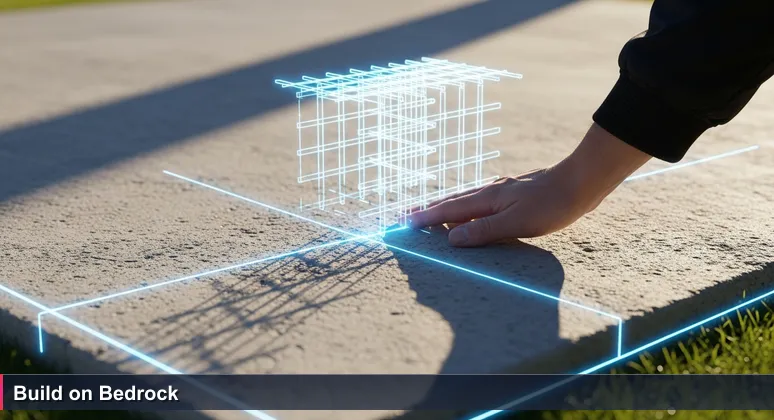
As a savvy homeowner inspects the concrete slab that will support their family for decades, so too must tech professionals in 2026 evaluate where they build their careers. The industry’s narrative often fixates on the next “smart” trend or unicorn startup, creating pressure to chase opportunities in the most hyped zip codes.
Yet, a quieter, more stable blueprint for success is emerging far from the volatile coasts. Tyler, TX, represents a foundational choice - a career built on the bedrock of essential services that society cannot function without. Here, technology powers the systems within regional healthcare, education, and local government, offering unparalleled stability.
This isn't about missing out on the latest innovation; it's about constructing a durable life. With job growth projected to outpace the Texas state average through 2050, Tyler’s economy is built for the long haul. The financial logic is compelling: while tech salaries are modestly lower, living in Tyler is about 24% cheaper than in Plano, a major DFW tech suburb, turning a slightly smaller paycheck into significantly greater purchasing power and peace of mind.
What We Cover
- Introduction: Beyond the Hype
- The Bedrock of Institutional Tech in Tyler
- Lifestyle ROI: Cost of Living and Salary Insights
- Satellite Hub and Remote Work Opportunities
- Is Tyler Right for You? A Profile Guide
- Moving to or Staying in Tyler: A Decision Framework
- The 2026 Outlook: Solid Foundations Over Flashy Trends
- Common Questions
This article offers a comprehensive guide to starting an AI career in Tyler in 2026.
The Bedrock of Institutional Tech in Tyler
Tyler’s tech ecosystem is engineered for endurance, not hype. Forget speculative venture capital; here, the economy is anchored by massive, recession-resistant institutions where technology is not a product but the critical infrastructure for daily life.
The primary drivers are healthcare and public service. CHRISTUS Trinity Mother Frances Health System, with over 5,000 local employees, and the UT Health Science Center create sustained, non-cyclical demand for IT, cybersecurity, and health informatics professionals. In the public sector, Tyler Technologies focuses exclusively on software for government, recently being named a “Strong Performer” in Industry Cloud Solutions by Forrester Research.
This creates what industry observers call a “low-hire, low-fire” environment. Job security is prized, with professionals frequently citing high satisfaction with stability. This bedrock is supplemented by the institutional needs of The University of Texas at Tyler, Tyler ISD, and large regional operations for companies like Brookshire Grocery Company and Trane Technologies, ensuring a diverse and durable demand for tech talent.
Lifestyle ROI: Cost of Living and Salary Insights
In 2026, savvy tech professionals measure success not just by gross salary, but by purchasing power and quality of life. This is where Tyler’s value proposition becomes undeniable, offering a high "lifestyle return on investment" where financial metrics translate directly into tangible living benefits.
Let’s examine the math. While tech salaries in Tyler are generally about 9.3% lower than in Houston or Dallas, the overall cost of living is roughly 10% lower than the national average. The most dramatic savings come from housing, which sits 14% below the national average. A direct comparison shows living in Tyler is about 24% cheaper than living in Plano, Texas, a major DFW tech suburb.
Combine this with Texas’s no state income tax, and you have a formula for building equity and savings at an accelerated pace. The daily calculus extends beyond finances. The average commute is a manageable 15-20 minutes, gifting back hours each week - time that can be invested at Tyler State Park, on Lake Palestine, or with family in a community known for highly-rated schools. This isn't a trade-off; it's a strategic optimization of your entire life.
Satellite Hub and Remote Work Opportunities
Tyler’s tech scene doesn't operate in isolation. Its strategic location, roughly 90 minutes east of downtown Dallas, allows it to function as a critical satellite and remote gateway for the massive DFW tech corridor, creating a hybrid career model that defines modern opportunity.
This connectivity manifests in three primary pathways. First, you can build a deep career with major local employers like CHRISTUS or UT Tyler. Second, as a satellite commuter, you can live in Tyler’s affordable neighborhoods while occasionally traveling to offices in Plano or Dallas. Third, and increasingly popular, is becoming a "Zoom Town" resident. With approximately 3% of local job postings explicitly remote, you can leverage the city's fiber infrastructure and quiet environment to work for companies in Austin, Chicago, or Silicon Valley while enjoying East Texas' cost of living.
This means your career isn't geographically limited. You can start locally, gain experience, and then pivot - either into a remote role for a national firm or into a hybrid position leveraging the DFW market - all without the major upheaval of relocating your life. Tyler becomes your stable, connected home base in a dynamic digital workforce.
Is Tyler Right for You? A Profile Guide
Tyler isn't for every tech professional, but for the right person, it can be the perfect foundation. The city excels for those valuing stability and lifestyle over breakneck career velocity.
Tyler is best for career starters and changers who benefit from a lower barrier to entry and excellent foundational training in enterprise systems. Accessible education pathways, like the 16-week Back End, SQL and DevOps with Python Bootcamp, provide the practical skills needed to launch into Tyler's core industries. It's also ideal for family-focused professionals prioritizing homeownership, highly-rated schools, and shorter commutes, a sentiment echoed in community discussions where Tyler is described as ideal for those raising a family.
Conversely, Tyler is less ideal for those seeking rapid salary bumps through frequent job-hopping, as the market is smaller and more relationship-driven. It lacks the dense network of venture-backed startups found in Austin, and its social scene is community-focused rather than offering vibrant 24/7 nightlife, better suiting those who enjoy outdoor and family activities.
Moving to or Staying in Tyler: A Decision Framework
The decision to plant your career in Tyler hinges on whether you value optimization of your entire life over maximizing a single metric like salary. For the professional in Dallas fatigued by long commutes and housing costs, relocating east can feel like discovering a strategic advantage, trading marginal income potential for substantial gains in time, disposable income, and well-being.
For those relocating from high-cost states, Tyler offers the classic Texas advantage: more home, more land, and more of your paycheck remaining thanks to no state income tax and lower overall expenses. You gain strategic proximity to the DFW job market without being subjected to its premium costs.
If you're already in Tyler, the message is one of validated opportunity. Your hometown is a connected node in the national tech economy. The decision is no longer "stay or leave for opportunity," but "build here and connect globally." You can pursue advanced, affordable skills through local pathways like the 15-week AI Essentials for Work bootcamp, and deploy those skills with local institutions, with DFW satellite companies, or in a fully remote role for a firm anywhere.
The 2026 Outlook: Solid Foundations Over Flashy Trends
Choosing Tyler for a tech career is ultimately a philosophical decision about what you're building. It's selecting the reinforced concrete slab over the trendy smart doorbell - the element that bears weight for decades, not the feature that becomes obsolete in a season. You're investing in the bedrock of healthcare, government, and education technology, sectors that society cannot pause or outsource.
The trade-offs are clear: salaries are competitive but not astronomical, and the social energy is calm rather than frenetic. Yet the rewards are profound and tangible. You gain notable job security in a "low-hire, low-fire" market, a cost of living that amplifies your earnings, and a daily rhythm that reclaims hours for living. As one software engineer noted, it provides a "good place to start your software development journey," building a resilient skillset on stable ground.
In 2026, the smartest career strategy is multidimensional. It's about optimizing your entire life - financial, professional, and personal. Tyler, TX, offers a proven blueprint for that holistic build. It may not be the flashiest address, but for a growing number of tech professionals, it’s proving to have the most solid and enduring foundation.
Common Questions
Is Tyler, TX really a viable option for building a tech career in 2026?
Yes, Tyler offers a stable tech career rooted in essential sectors like healthcare and government, with high job security and a lower cost of living that amplifies your earnings. For instance, tech salaries are about 9.3% lower than in Dallas, but the overall cost of living is 10% below the national average, making it a solid foundation for long-term growth.
How do tech salaries in Tyler compare to bigger Texas cities, and is it worth the trade-off?
Tech salaries in Tyler are roughly 9.3% lower than in Houston or Dallas, but this is offset by significantly lower costs, such as housing being 14% below the national average. With Texas's no state income tax and a cost of living about 24% cheaper than in Plano, your purchasing power and savings potential are often higher here.
What types of tech jobs are most common and stable in Tyler?
Tyler's tech demand focuses on institutional roles in healthcare IT, GovTech, and EdTech, driven by major employers like CHRISTUS Trinity Mother Frances and Tyler Technologies. This creates steady opportunities in areas like cybersecurity and health informatics, with less volatility compared to startup-heavy markets.
Can I work remotely from Tyler while staying connected to larger tech hubs like Dallas?
Definitely! Tyler is about 1.5 to 2 hours from Dallas, making it a satellite hub with fiber infrastructure ideal for remote work. Around 3% of local job postings are explicitly remote, allowing you to live affordably in Tyler while working for companies in the DFW metroplex or beyond.
Who is Tyler best suited for in terms of tech professionals, and who might it not fit?
Tyler is perfect for career starters, family-oriented professionals, and specialists in institutional tech, offering stability and a high lifestyle ROI with shorter commutes. It's less ideal for those seeking rapid salary bumps through job hopping or a vibrant nightlife, as the market is more relationship-driven and community-focused.
Explore the best AI engineering jobs in Tyler, TX with competitive salaries in 2026.
Find the best tech jobs in Tyler that don't need a college degree, from cybersecurity to software development.
Explore AI talent opportunities in Tyler's key industries for stable careers beyond tech hubs.
Read a breakdown of compensation packages at Tyler's leading tech employers for valuable career tips.
See the real numbers on tech affordability in Tyler for 2026 to make informed decisions.

Irene Holden
Operations Manager
Former Microsoft Education and Learning Futures Group team member, Irene now oversees instructors at Nucamp while writing about everything tech - from careers to coding bootcamps.