









Who's Hiring Cybersecurity Professionals in Suffolk, VA in 2026?
By Irene Holden
Last Updated: March 27th 2026
Key Takeaways
In Suffolk, VA for 2026, cybersecurity professionals are in high demand with over 600 openings driven by defense giants like Huntington Ingalls Industries, tech hubs such as Amazon's local fulfillment center, and critical infrastructure players including Sentara Healthcare. Defense roles often pay over $100,000 for analysts, while Amazon offers up to $202,400 for security engineers, capitalizing on the Hampton Roads area's unique naval and logistics ecosystem.
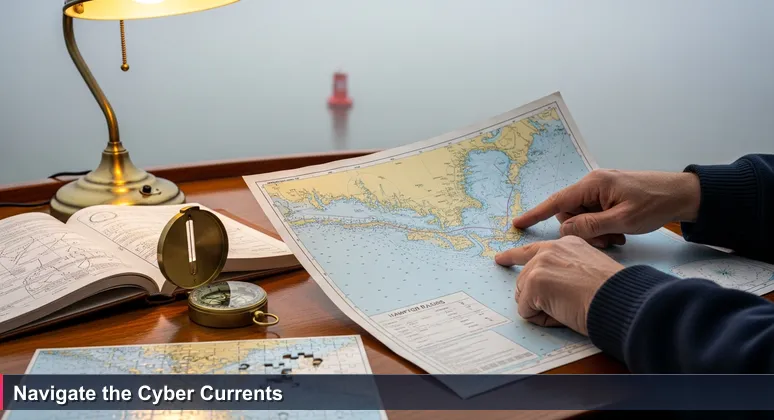
In the pre-dawn fog on the Nansemond River, navigating by a single channel marker is a sure way to run aground. The same is true for a cybersecurity career in Suffolk. The job seeker who sees only a listing for a "Cybersecurity Analyst" makes a critical decision with dangerously limited visibility, risking a career stuck in the shallows.
The stakes are high, but the opportunity is vast. As of early 2026, data shows over 600 active cybersecurity-related openings in the broader Hampton Roads metro area, a clear signal of intense regional demand according to LinkedIn's job market analysis. The problem isn't a lack of jobs, but fragmented visibility - seeing employers as isolated buoys instead of parts of a vast, navigable system.
Suffolk’s hiring landscape is a living estuary where three major economic currents converge: the Defense Depth, the Logistics Flow, and the Critical Infrastructure Shallows. Understanding this convergence is the key to a successful career. For example, a "Cyber Security Analyst" role at a firm like Huntington Ingalls Industries (HII) operates in a completely different environment than one at the local Amazon fulfillment center, each with its own salary scales, required certifications, and mission focus.
True navigation means learning to read the local charts. It requires seeing how a position supporting naval networks at Joint Base Langley-Eustis differs from one securing the cloud infrastructure for a regional logistics hub or protecting patient data at Sentara Obici Hospital. This guide provides that harbor chart, transforming a scattered set of job listings into a coherent, dynamic map for building a lasting career in the unique waters of Hampton Roads.
In This Guide
- Introduction to Suffolk's Cybersecurity Harbor Chart
- The Defense Depth: Naval and Aerospace Opportunities
- Tech and Logistics Flow: Amazon and Cloud Ecosystem
- Critical Infrastructure Shallows: Healthcare, Ports, and More
- Universal Requirements: Certs, Clearances, and Cloud Skills
- Building Your Career: Bootcamps and Local Pathways
- Actionable Navigation Tips for 2026 Success
- Conclusion: Commanding Your Cyber Career in Hampton Roads
- Frequently Asked Questions
For a step-by-step approach to starting an AI career in Suffolk, VA, refer to this resource.
The Defense Depth: Naval and Aerospace Opportunities
The Region's Dominant Current
This deep-water channel is powered by the world's largest naval base in Norfolk and Joint Base Langley-Eustis, creating sustained demand for professionals who can secure the nation's most sensitive systems. Prime contractors like Leidos, Booz Allen Hamilton, and Northrop Grumman perennially hire for roles such as Information Systems Security Officers (ISSOs) and Cyber Network Defense Analysts to support naval and aerospace projects.
Salary, Clearance, and Certification
Compensation reflects the high-stakes environment. For instance, Cybersecurity Analysts at Huntington Ingalls Industries (HII) earn an average of $101,368 to $127,515, while senior architects at firms like Booz Allen can command up to $198,000. An active Secret or Top Secret security clearance is the non-negotiable ticket to entry, creating a powerful pipeline for transitioning military personnel from nearby installations.
Mandatory adherence to DoD Directive 8570/8140 means certifications are your vessel's seaworthiness papers. The CompTIA Security+ certification is the universal baseline for IAT Level II, with advanced roles requiring CISSP or CISM. These credentials, combined with a clearance, allow you to operate in the deepest and most lucrative career channels the region offers.
The Suffolk Proximity Advantage
Working in Suffolk provides an irreplaceable advantage: direct proximity to the mission. Professionals here are often minutes away from the commands and shipyards they support, such as Newport News Shipbuilding, allowing for closer collaboration and a tangible view of their impact on national security, a benefit unmatched by remote defense roles elsewhere in the country.
Tech and Logistics Flow: Amazon and Cloud Ecosystem
The Amazon Anchor in Suffolk
The massive Amazon fulfillment center in Suffolk is far more than a warehouse; it's a critical IT and security operation protecting one of the world's most automated logistics networks. The company hires Security Engineers and SIEM Engineers locally, with salaries for these engineering roles typically ranging from $110,000 to $202,400, as detailed in regional job listings for Amazon cybersecurity. The distinct challenge here is securing both physical supply chain automation and the vast troves of consumer data flowing through this digital pipeline.
A Supporting Cloud Ecosystem
Fueling this high-volume flow is a growing network of regional Managed Service Providers (MSPs) and tech firms that manage cloud environments for local businesses. They are consistently hiring for positions that form the backbone of the modern tech economy in Hampton Roads:
- Cybersecurity Analysts and SOC Analysts for threat monitoring.
- Cloud Infrastructure Engineers specializing in AWS and Azure platforms.
These roles often serve as a vital on-ramp into the field, with junior positions starting around $80,000 and requiring foundational certifications like CompTIA Security+ paired with vendor-specific cloud credentials. The demand is clear, with over 148 cloud security jobs active in the metro area, supporting everything from e-commerce to local government IT.
Critical Infrastructure Shallows: Healthcare, Ports, and More
Healthcare: Protecting Patient Data and Medical Devices
With major facilities like Sentara Obici Hospital in Suffolk, Sentara Healthcare is a significant employer seeking Cybersecurity Architects and Risk & Compliance Analysts. Their unique challenge is dual: protecting sensitive patient data under HIPAA regulations and securing an ever-growing network of Internet of Medical Things (IoMT) devices, from insulin pumps to MRI machines. Senior architects in this domain can earn competitive salaries, up to $198,000.
Agribusiness, Manufacturing, and Supply Chain
Headquartered nearby, Smithfield Foods hires IT Security Managers and Cloud Engineers with a security focus. Their operations present a classic "industrial cyber" challenge: defending a complex global supply chain while also securing the Operational Technology (OT) that runs physical processing plants, where a cyber incident can halt production lines, impacting both revenue and food supply.
Ports, Energy, and Public Operations
Entities like the Port of Virginia and Dominion Energy are on the front lines of critical infrastructure security. They require niche OT/SCADA Security Specialists to protect the systems that manage container cranes and the electrical grid from cyber-physical threats. Meanwhile, the City of Suffolk and Suffolk Public Schools hire IT and Network Operations Specialists with an infosec focus, offering stability and competitive local salaries typically ranging from $75,000 to $115,000 for these essential public-sector roles, as seen in local government cybersecurity job postings.
These sectors represent the critical shallows - often with less competitive hiring processes than giant defense contractors but offering the profound impact of securing the systems that make daily life in Hampton Roads function, from keeping the lights on to ensuring the flow of goods through the region's vital supply chains.
Universal Requirements: Certs, Clearances, and Cloud Skills
The Foundational Certification: Your Seaworthiness Papers
Regardless of which current you navigate, the CompTIA Security+ certification serves as the universal baseline in Hampton Roads. This is especially critical for any role touching Department of Defense contracts, as it fulfills the IAT Level II requirement under the mandatory DoD Directive 8570/8140. It's the essential proof that your vessel is seaworthy for the region's largest employer: the defense industrial base.
Clearance is King: The Controlling Depth
An active Secret or Top Secret security clearance is the single greatest asset a cybersecurity professional can possess in this market. It acts as the "controlling depth," dictating who can operate in the deepest, highest-paying channels. This requirement creates the powerful and unique military-to-cyber pipeline in our region, as transitioning personnel from Naval Station Norfolk or Joint Base Langley-Eustis often arrive with both clearance and hands-on technical experience, making them immediately competitive.
Cloud Competency: Navigating Modern Currents
With major AWS operations and Azure integrations rooted in Suffolk's logistics and corporate sectors, cloud security skills are no longer a specialty but a standard expectation. Certifications like the AWS Certified Security - Specialty or Microsoft Azure security credentials are significant differentiators. As evidenced by salary data, even entry-level cyber security roles in Norfolk now often require or strongly prefer foundational cloud knowledge, reflecting its integration across all three economic currents.
Building Your Career: Bootcamps and Local Pathways
Accelerated Training for Career Changers
For those building their career from the berth up without a computer science degree or military background, Suffolk's ecosystem offers proven on-ramps. Accelerated programs like the 15-week Nucamp Cybersecurity Bootcamp provide the concentrated, foundational skills needed to pass key certification exams like Security+ and qualify for entry-level analyst roles at regional MSPs or in critical infrastructure. This represents an efficient investment to enter the field, with a focus on practical, hands-on skills demanded by local employers.
State-Supported Pathways and Apprenticeships
Virginia actively fosters homegrown cyber talent through initiatives like the Commonwealth Cyber Initiative (CCI) Cybersecurity Traineeship, which connects candidates with paid, on-the-job training at local companies. This pathway is ideal for those seeking to combine formal education with immediate, practical experience, often leading directly to full-time positions within the Hampton Roads cyber ecosystem.
Developing the "Industrial Cyber" Hybrid
Suffolk's unique concentration of ports, shipyards, and manufacturers has spawned demand for a specialized professional: someone who understands both traditional IT security and the Operational Technology (OT) that runs physical machinery. Proactively developing skills in ICS/SCADA security through specialized courses or lab work can make you indispensable to employers like the Port of Virginia, HII, or Smithfield Foods, turning a niche into a commanding career advantage.
Actionable Navigation Tips for 2026 Success
Decode the Job Description's "Local Water Conditions"
A job title is just the marker buoy. Look for keywords that reveal which of Suffolk's three currents you're entering. Terms like "NIST 800-171," "CMMC," and "ISSO" point definitively to the defense depth. "Logistics," "fulfillment," and "AWS" signal the tech/logistics flow, while "HIPAA," "OT," "SCADA," and "public sector" indicate the critical infrastructure shallows. This discernment allows you to tailor your application and prepare for sector-specific interview questions.
Network at the Region's Professional "Harbor Masters"
The Hampton Roads tech and cyber ecosystem is tight-knit, making local referrals powerful. Engage with chapters of ISC2 or ISACA in Norfolk and Virginia Beach, or attend meetups hosted by the Hampton Roads Cybersecurity Education and Workforce Development Alliance. These connections often provide the "local knowledge" that isn't in the job listing, such as which defense contractors are ramping up hiring for a new shipyard contract or which MSP is expanding its SOC. Platforms like LinkedIn show numerous cyber defense roles concentrated in Norfolk, highlighting the value of a metro-wide network.
Target the Less Congested, High-Value Channels
While hundreds apply to the giant defense contractors, consider the in-house security teams at Sentara, Smithfield Foods, the Port of Virginia, or the City of Suffolk. These employers often have more accessible hiring processes for foundational roles and offer excellent quality of life and stability. Searching on local job boards for "cyber security" in Suffolk can reveal these opportunities, which might be overlooked in a broader search.
Leverage Your "Locational IQ" in Interviews
In interviews, speak directly to the threats and challenges relevant to that Suffolk-based employer. For a defense role, discuss securing maritime industrial control systems. For Amazon's local operations, focus on supply chain integrity and data protection at scale. For a utility or port, demonstrate knowledge of grid or crane OT resilience. This local fluency demonstrates genuine investment and sets you apart from remote applicants who lack contextual understanding of Hampton Roads' unique cyber-physical landscape.
Conclusion: Commanding Your Cyber Career in Hampton Roads
The fog has lifted. What appeared as a scattered set of over 600 cybersecurity job listings across Hampton Roads reveals itself as a coherent, dynamic harbor chart. The question for 2026 is no longer if you can find a role, but which channel you will confidently navigate to build a lasting, impactful career.
Success hinges on moving from a generic job search to a targeted strategy informed by local currents. Whether you plot a course through the Defense Depth with its high-clearance requirements, harness the Logistics Flow of cloud and supply chains, or secure the essential Critical Infrastructure Shallows, your path is defined by understanding this convergence. The universal requirements - certifications like Security+, cloud competency, and for many, a security clearance - are your essential navigational tools, as emphasized by regional workforce initiatives like the Commonwealth Cyber Initiative.
By leveraging Suffolk’s unique advantages - proximity to naval commands, a booming tech-logistics hub, and a dense network of critical infrastructure - you position yourself not just for a job, but for a career with deep roots and high growth. The intense demand across the metro area signals a sustained need for professionals who can think beyond the tool and understand the system. Your journey begins not by looking for a single buoy, but by charting your own course through the rich, interconnected waters of Hampton Roads.
Frequently Asked Questions
Who's hiring cybersecurity professionals in Suffolk, VA right now?
In Suffolk and the broader Hampton Roads metro area, major employers include defense contractors like Huntington Ingalls Industries and Booz Allen Hamilton, tech giants such as Amazon at its local fulfillment center, and critical infrastructure players like Sentara Healthcare. As of early 2026, there are over 600 active cybersecurity openings across these sectors, offering roles from analysts to engineers tailored to the region's defense, logistics, and healthcare ecosystems.
What salaries can cybersecurity professionals earn in the Hampton Roads area?
Salaries vary by sector: in defense, Cybersecurity Analysts at HII earn $101,368 to $127,515, while Amazon's Security Engineers in Suffolk can make $110,000 to $202,400. Entry-level positions in tech or public sectors often start around $80,000, with senior architects in healthcare or defense reaching up to $198,000, reflecting the high demand in Suffolk's job market.
Do I need a security clearance for cybersecurity jobs in Suffolk?
For roles in the defense and aerospace sector, which is dominant due to proximity to Naval Station Norfolk, an active Secret or Top Secret clearance is often mandatory and key to accessing higher-paying positions. In other sectors like tech, logistics, or critical infrastructure, clearance may not be required, but foundational certifications like CompTIA Security+ are still essential for most local roles.
Are there cybersecurity opportunities for beginners or career-changers in Suffolk?
Yes, Suffolk offers pathways for newcomers through accelerated training like the Nucamp Cybersecurity Bootcamp and state-supported programs such as the Commonwealth Cyber Initiative Traineeship. Entry-level roles in managed service providers or public sectors, such as with the City of Suffolk, often hire analysts starting around $80,000, making it accessible to start a career here.
What certifications should I focus on for cybersecurity jobs in this region?
The CompTIA Security+ certification is a universal baseline in Hampton Roads, especially for defense roles under DoD mandates. For advancement, CISSP is valuable for senior positions, and cloud certifications like AWS Certified Security - Specialty are increasingly important for tech and logistics roles, given Suffolk's growing cloud ecosystem and proximity to major employers like Amazon.
For a detailed breakdown of AI salaries in Suffolk, VA in 2026, this comprehensive guide is essential.
Get insights on AI engineering opportunities in Suffolk for 2026 from this article.
Assess your financial outlook with the comprehensive cost analysis for tech professionals in Suffolk, VA.
If you're interested in AI engineering careers in Hampton Roads, this article has valuable insights.
Explore the top 10 free tech training spots in Suffolk, VA for 2026 to kickstart your career.

Irene Holden
Operations Manager
Former Microsoft Education and Learning Futures Group team member, Irene now oversees instructors at Nucamp while writing about everything tech - from careers to coding bootcamps.