









Top 10 Tech Apprenticeships, Internships and Entry-Level Jobs in Bangladesh in 2026
By Irene Holden
Last Updated: April 9th 2026
Too Long; Didn't Read
For tech apprenticeships, internships and entry-level jobs in Bangladesh in 2026, the top two picks are Nucamp’s AI & coding bootcamps for career-changers and Grameenphone’s technology graduate programme for students aiming at telco-scale roles, because Nucamp builds in-demand AI, backend and DevOps skills with local Dhaka and Chattogram support while GP offers deep systems exposure and strong conversion to permanent roles. Nucamp’s tracks cost between BDT 227,000 and BDT 426,000 and report about a 78% employment rate with career services, whereas Grameenphone trainees typically start above BDT 60,000 per month, which is a clearer pathway than typical internships paying around BDT 10,000-15,000 or junior roles that begin near BDT 25,000-40,000.
From noticeboard to newsfeed
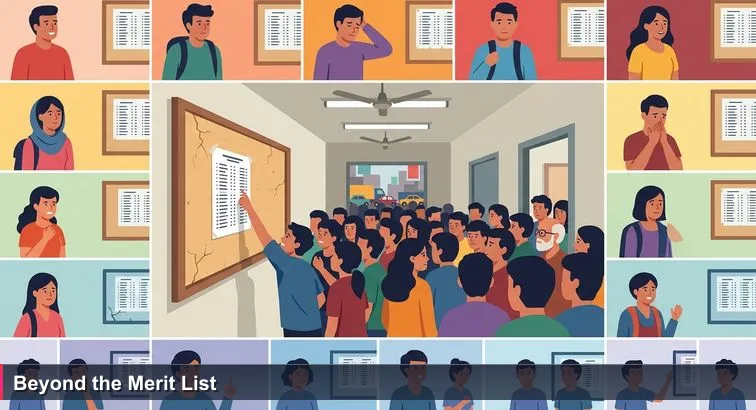
The smell of damp paper and sweat, flickering tube lights, a cracked noticeboard at Dhaka University: for years, that single A4 merit list felt like destiny. You balanced on a window ledge, neck stretched, hunting for your name as Shahbagh traffic screamed outside. Today, the corridor has moved to your phone. Instead of ink on paper, it’s “Top 10 Internships in Bangladesh 2026” posts, BDJobs alerts, and Facebook groups that seem to decide who makes it into tech - and who gets left at the edge of the list.
Dhaka-Chattogram tech is bigger than one ranking
Yet the real landscape is far messier than any neat Top 10. Under the Digital Bangladesh vision and new Hi-Tech Parks, you now face a maze of options: government-backed trainings like the Skills for Employment Investment Program (SEIP), paid corporate apprenticeships at Grameenphone or bKash, e-commerce internships at Daraz, and junior roles at Pathao, Chaldal, ShopUp or Brain Station 23. Each comes with a very different trade-off between time, money, and learning: internships often pay around BDT 5,000-15,000/month, while entry-level jobs start nearer BDT 25,000-40,000/month, but expect you to be productive from day one.
Four lenses that make “top” personal
So when you see a ranked list, the real question isn’t “What’s #1?” but “What’s #1 for me?” Four lenses change everything:
- Money: How quickly do you need income - can you survive on a low stipend, or do you need a full junior salary now?
- Mentorship: Are you getting structured coaching, or just cheap labour for a startup that can’t pay?
- Specialisation: Will this path build real depth in AI/ML, cybersecurity, or data, or just add another generic “web development” line to your CV?
- Selectivity: Are you chasing ultra-elite schemes with thousands of applicants for a few seats, or aiming for strong but realistic options?
“Easy growth is over… those who thrive will specialise in niche demand areas, not just stack tutorial certificates.” - Mir Mursalin Ankur, DEV Community guide to Bangladesh’s software industry
Turning this list into your map
Economists writing in the Daily Sun warn that Bangladesh’s jobs crisis is now about capability, not just vacancies. That’s why this article treats “Top 10 tech opportunities in Bangladesh” as a route map, not a merit list. The pages that follow unpack what those four lenses - money, mentorship, specialisation, selectivity - look like for SEIP trainings, GP and bKash schemes, Daraz internships, Dhaka and Chattogram startups, and more. The ink on any list is just a starting point; what matters is how you read it, and which turn you take next.
Table of Contents
- Beyond the Merit List - Choosing Your First Tech Path
- Nucamp AI & Coding Bootcamps
- Grameenphone Technology Graduate Program
- Elite Telco & Fintech Trainee Schemes
- BASIS-SEIP and BITM/PencilBox Trainings
- bKash bNext Internship
- Grameenphone Nextern
- Daraz Tech & Product Internship
- Grameenphone Accelerator
- Junior Software Engineer Roles
- Entry-Level Data Analyst Roles
- How to Choose Your Path and When to Apply
- Frequently Asked Questions
Students and bootcamp graduates should consult the complete AI career guide for Bangladesh (2026) for salary bands and role mapping.
Nucamp AI & Coding Bootcamps
For Dhaka and Chattogram learners staring at a maze of SEIP courses, unpaid internships, and expensive foreign bootcamps, Nucamp sits in a very specific niche: structured, part-time training that directly targets the AI, backend, and DevOps skills the Bangladesh IT job market is now screaming for. All programmes run online but are anchored by community meetups and study groups in both cities.
Programs and pricing at a glance
While many global bootcamps charge the equivalent of BDT 10,00,000+, Nucamp’s AI and coding tracks span roughly BDT 227,000-426,000, with flexible monthly plans that mid-income families in Mirpur or Agrabad can realistically budget for.
| Program | Duration | Tuition (BDT) | Primary focus |
|---|---|---|---|
| Solo AI Tech Entrepreneur | 25 weeks | 426,000 | AI products, LLM integration, prompt engineering, AI agents, SaaS monetization |
| AI Essentials for Work | 15 weeks | 383,000 | Workplace AI, AI-assisted productivity, prompt engineering, ChatGPT and tools |
| Back End, SQL & DevOps with Python | 16 weeks | 227,000 | Python, SQL databases, DevOps, cloud deployment for AI/ML foundations |
| Full Stack Web & Mobile | 22 weeks | 279,000 | End-to-end web and mobile development |
| Cybersecurity | 15 weeks | 227,000 | Defensive security, threat detection, secure systems |
| Web Development Fundamentals | 4 weeks | 49,000 | Introductory web dev skills |
| Front End Web & Mobile | 17 weeks | 227,000 | Front-end and mobile UI development |
| Complete Software Engineering Path | 11 months | 604,000 | Full multi-stack journey to junior engineer |
Outcomes and learning model
Nucamp reports an employment rate of about 78% and a graduation rate near 75%, with a 4.5/5 Trustpilot score from roughly 398 reviews and around 80% five-star ratings. The model blends self-paced content with weekly live sessions, plus 1:1 career coaching, portfolio feedback, mock interviews, and a job board tuned to Bangladesh and regional employers.
Who in Bangladesh gets the most value?
The Solo AI Tech Entrepreneur and AI Essentials for Work tracks suit founders and professionals who want to apply AI immediately in fintech, telecom, or export-oriented IT firms; the Back End, SQL & DevOps with Python and Complete Software Engineering Path give BUET, DU, NSU, or BRAC graduates a concrete road from theory to deployable systems. For readers tracking the best IT skills to master in Bangladesh - AI/ML, backend, cloud, and cybersecurity - Nucamp offers a way to specialise without leaving your current job or campus.
Grameenphone Technology Graduate Program
A year inside GP House
Among all early-career options in Dhaka, the technology-focused graduate track at Grameenphone feels closest to a European or Singapore-style scheme. Based at GP House in Bashundhara, it’s a structured, full-time programme where you’re paid around BDT 60,000+ per month while rotating through core technology teams that keep Bangladesh’s largest mobile network running.
Structure, rotations, and mentorship
The programme typically runs for 12 months, fully on-site, and is designed to turn fresh CSE/EEE grads into future technical leaders. According to the official Grameenphone student careers page, trainees rotate across multiple domains, gaining exposure to large-scale systems rather than a single narrow role.
- AI/ML initiatives that automate network planning and customer analytics
- Cloud infrastructure and platform engineering
- 5G and core network operations
- Digital services and internal IT products
Each rotation is backed by structured learning and a senior mentor, so you’re not just “shadowing” but owning real parts of projects that affect millions of subscribers.
Outcomes and competitiveness
The scheme is explicitly framed as a pipeline for “future leaders”: internal numbers indicate that almost all successful trainees are absorbed into permanent roles, often at Senior Officer or Assistant Manager level, with full corporate benefits (insurance, medical, subsidised facilities). That payoff explains why acceptance sits in the low single digits, with multi-stage online assessments (often via platforms like TestGorilla), case interviews, and assessment centres filtering thousands of applicants.
Is this your #1 route?
Applications usually open in late Q3 for the following year’s batch, targeting final-semester students who will graduate by year-end. For a BUET, KUET, IUT, NSU, or BRAC engineer who wants to work at the intersection of telco-scale data, cloud, and AI inside a blue-chip brand, this programme can outrank almost any internship or junior role. But as tech commentators like Mohammad Adib Abtahi argue in his analysis of Bangladesh’s evolving tech horizon, getting in requires proof of specialised capability - projects, competitions, and hands-on work with modern stacks - not just a high CGPA.
Elite Telco & Fintech Trainee Schemes
Where tech meets boardroom
In the glass towers of Gulshan, Tejgaon and Bashundhara, Robi Axiata, Banglalink and bKash run their own elite trainee schemes that feel very different from a typical junior developer job. These year-long tracks blend hardcore technology with product, analytics and business rotations, grooming you to understand both the source code and the P&L. Industry estimates place compensation at around BDT 50,000-60,000/month for full-time trainees, with health insurance and other corporate perks roughly on par with senior staff.
How the rotations work
Programmes usually run for about 12 months, fully on-site in Dhaka headquarters. Trainees might spend one quarter in network engineering, another in IT operations, then move into digital services, product or data analytics. Descriptions of roles on the bKash graduate program overview highlight tracks in technology, product development, and business that mirror this hybrid approach, with clear performance reviews at each stage.
Conversion, competition and signaling power
Internal targets in these schemes often aim for 80%+ conversion to permanent roles, typically at Senior Officer or Assistant Manager level. That upside drives brutal competition: postings shared via platforms like The CV Guy’s graduate opportunity group routinely attract tens of thousands of applicants, and the combined acceptance rate across major telco/fintech MT programmes is estimated below 0.5%. Expect online aptitude tests, case interviews, group discussions and panel vivas.
Who should prioritise these schemes?
These tracks favour recent graduates with less than a year of experience from CSE, EEE, ETE, statistics or business analytics who can show both coding or data projects and comfort with strategy problems. If your long-term dream is to become a product manager, data leader or digital transformation head in a bank, MFS provider or regional telco, an MT badge from Robi, Banglalink or bKash can outweigh several smaller internships on your CV. But it’s also a high-risk play: you may invest months preparing and still not clear the first shortlist, which is why many candidates pair these applications with more accessible routes like SEIP or junior developer roles.
BASIS-SEIP and BITM/PencilBox Trainings
If you’ve ever queued outside a small training centre in Kawran Bazar or Mirpur with a brown envelope of photocopies, you’ve probably brushed past BASIS-SEIP. Backed by the government and development partners, the Skills for Employment Investment Program channels funds into partner institutes like BITM and PencilBox to offer free, apprenticeship-style IT training that would otherwise be out of reach for many families in Dhaka and Chattogram.
The structure is simple but powerful: courses run for 3-6 months, mostly on-site, and are officially listed on the SEIP skills portal at sp.seip-fd.gov.bd. Trainees receive completely free tuition plus a daily allowance of BDT 150 - BDT 100 for conveyance and BDT 50 for refreshments - provided they maintain at least 80% attendance, a detail repeated across admission circulars and partner announcements.
Training partners like BITM and PencilBox Training Institute typically follow a 70% theory / 30% practical model, with soft skills woven in. Popular tracks include:
- PHP with Laravel and related web technologies
- Mobile app development, especially Android
- Graphics, UI/UX, and basic digital design
- Server administration and networking fundamentals
On paper the allowance is modest, especially against Dhaka rents, but for students living with family or commuting from nearby areas it can offset daily costs enough to focus on learning instead of taking a low-skill job. Entry is competitive - batches fill quickly and most centres run basic aptitude or IT literacy tests - but the bar is still far more accessible than elite telco or fintech schemes, and programmes are open to graduates from any discipline.
SEIP documentation and BASIS communications often cite a target of around 70%+ job placement into BASIS member companies, ranging from small design shops to export-focused software firms. In practice, many graduates use these courses as a launchpad: first into junior developer, designer, or support roles, and then into more specialised AI, data, or DevOps training once they have some income and confidence. If the telco programmes are Dhaka’s “fast track” for the top few percent, SEIP is the wide on-ramp that keeps thousands from being blocked at the gate.
bKash bNext Internship
Among all the glossy internship posts that flood your LinkedIn feed, bKash’s bNext stands out as a genuine launchpad into fintech. Based in Dhaka, it places you inside the systems that move millions of taka every day, rather than in a corner doing “intern tasks.” For students at BUET, DU, BRAC, NSU, IUB or CUET who want to see how digital payments actually work in Bangladesh, this is one of the most coveted badges you can earn.
The programme typically runs for around 3 months, full-time and on-site, with intakes in Spring, Summer and Fall. bKash advertises a paid stipend, and crowd-sourced salary data for serious internships on Glassdoor’s Bangladesh intern reports puts competitive tech internships in the BDT 10,000-15,000/month range. That’s not a full Dhaka living wage, but it does ease the pressure compared with unpaid roles common in smaller startups.
bNext isn’t a single catch-all role. According to detailed breakdowns shared by career blogs such as The CV Guy’s internship roundup, interns are placed into tracks like:
- Software engineering, often using the MERN stack on real product features
- Data analytics, working with transaction and customer data
- Product operations, coordinating launches and process improvements
You’re assigned a manager, work with production code or live processes, and see how security, compliance and scale shape every technical decision in a regulated financial institution.
Competition mirrors the brand. Each cycle, thousands of final-year students and fresh grads sit written tests in maths, English and analytical reasoning, followed by interviews. Those who perform well are sometimes considered for extended internships or entry-level roles in tech, data or business. If you want your first line on a CV to say you’ve touched mission-critical systems in Bangladesh’s flagship MFS provider, bNext is one of the clearest, if most competitive, doors you can knock on.
Grameenphone Nextern
For many tech students in Dhaka, Nextern is the first realistic way to get “Grameenphone” onto a CV. It’s a paid internship route into telco-tech where you’re not just observing from a corner cubicle, but embedded in teams handling nationwide connectivity and digital services.
Nextern typically runs for 3-6 months, in a hybrid or on-site format centred on GP House in Bashundhara. Interns receive a monthly stipend widely estimated at BDT 10,000-15,000, roughly in line with serious tech internships tracked on platforms like Internshala’s Bangladesh CS internship listings. On top of cash, GP promotes access to on-campus perks such as subsidised food, events, and modern workspaces - benefits that many local startups simply can’t match.
The core promise is “learning by doing”. Nextern placements sit across:
- Tech Operations - keeping the network stable for tens of millions of users
- Digital - working on apps, self-care portals, and customer-facing journeys
- IT - internal platforms, automation, and data pipelines
Interns are assigned supervisors, contribute to real tickets and sprints, and see how large teams use monitoring, scripting and emerging AI tools to automate repetitive work - exactly the shift towards capability that analysts describe in broader tech job market outlooks.
Recruitment happens in seasonal waves, often around March-April and September-October. The bar is competitive but more forgiving than elite graduate schemes: GP looks for relevant academic projects, initiative, and communication skills rather than only a perfect CGPA. Many Nextern alumni later use this experience to apply for Grameenphone’s own technology graduate programme or jump to roles at Robi, Banglalink, Samsung R&D Bangladesh, or high-growth SaaS firms in Dhaka and Chattogram. If you can manage the commute to Bashundhara, Nextern is one of the strongest branded first steps into Bangladesh’s telco-tech ecosystem.
Daraz Tech & Product Internship
Step into the Daraz office on any weekday and you’ll feel it immediately: screens full of live order graphs, warehouse dashboards ticking upwards by the second, engineers debugging services that serve not just Bangladesh but multiple South Asian markets. As part of the Alibaba ecosystem, Daraz is one of the few Dhaka-based employers running truly regional-scale e-commerce systems - making its tech and product internships especially attractive to students who want more than a basic CRUD app on their CV.
Internships here usually run for 3-4 months, full-time and on-site in Dhaka. Community reports put stipends in the BDT 10,000-12,000/month range - modest, but competitive with other serious tech roles. Intakes typically happen twice a year, with positions announced on major job boards and social platforms; selections emphasise practical skills, problem-solving, and cultural fit rather than only CGPA.
Interns are placed directly into high-impact teams, for example:
- Backend engineering using languages like Python or Go to support catalog, payments, recommendation, and logistics services
- Frontend and mobile work on customer-facing web and app experiences tuned for Bangladeshi shoppers
- E-commerce operations and product, where you help optimise seller onboarding, last-mile delivery, and promotion engines
Because Daraz runs on microservices and heavy automation, even short projects can expose you to CI/CD pipelines, monitoring, and experimentation frameworks that many smaller firms in Dhaka and Chattogram haven’t adopted yet.
That exposure matters. Employers like Brain Station 23, BJIT and export-focused IT/ITES shops increasingly prize experience with high-traffic systems and disciplined processes. Entry-level role analyses on the Bikroy IT careers blog show junior developers starting around BDT 25,000-40,000/month, with strong performers scaling to BDT 80,000+ within a few years. A Daraz internship can be the project-based evidence that gets you into those tracks faster, or even opens doors to remote and regional roles across the wider Alibaba and e-commerce ecosystem.
Grameenphone Accelerator
Instead of polishing CVs for telco trainee schemes, some Bangladeshi tech students spend their final year polishing pitch decks. For them, the Grameenphone Accelerator (GPA) is less a job and more a structured apprenticeship in building a startup - a way to treat your idea as seriously as your friends treat campus recruitment.
Funding that feels like a stipend, but for your own company
GPA offers up to USD 12,000 (around BDT 14,00,000) in equity-free funding for each selected startup, plus about BDT 1,00,000 grants for standout “idea-preneurs”. Spread across a small founding team over 4-6 months, that money functions like a stipend that lets you focus on your product instead of cramming in tuition coaching or low-paid part-time work. Programmes are hybrid, with Dhaka-based sessions at GP’s spaces and regional design bootcamps that bring in teams from across the country.
What you actually learn inside GPA
Rather than generic entrepreneurship talks, the accelerator runs a tight curriculum built around real validation and growth:
- Design thinking and structured customer discovery
- Market research and competitive analysis for Bangladesh and beyond
- Financial modelling and unit economics
- Pitching to investors, corporates, and media
Startups are paired with mentors from the local ecosystem and community builders, echoing the success patterns highlighted in analyses like “How Startups in Bangladesh Thrive” on Tipsoi, which emphasise networks and guidance as much as raw funding.
Who should prioritise GPA over a job offer?
The accelerator typically runs one major cohort a year, with applications opening around Q1-Q2. It’s best suited to founder-minded students and fresh grads who already have a prototype or at least a validated problem in areas like fintech, logistics, edtech, or AI tools. You won’t get a salary or a corporate brand name, but if your startup gains traction, you may end up creating jobs instead of applying for them. Commentators tracking Bangladesh’s emerging founder class on platforms like Muslamic Makers argue that programmes like GPA are a key bridge between campus hacker culture and sustainable, investment-ready companies in Dhaka and Chattogram.
Junior Software Engineer Roles
By the time your fourth-year friends are cramming for telco tests, Dhaka and Chattogram’s product companies - Pathao, Chaldal, ShopUp, Sheba.xyz and a growing wave of SaaS exporters - are quietly hiring junior software engineers who can ship code from day one. These roles don’t come with the ceremony of a management trainee programme, but they often give you real responsibility faster, especially in teams building logistics, fintech, and on-demand services for the local market.
Compensation typically starts in the mid-twenties: Junior Software Engineer salaries often fall in the BDT 25,000-40,000/month range, with some firms adding a 6-month trainee period at BDT 25,000-35,000 before confirmation. In well-run product or export-focused IT companies, engineers who specialise - whether in AI/ML integration, DevOps, or security - can climb to around BDT 80,000+ at senior level within 3-5 years. Smaller shops highlighted in guides like Dewan ICT’s overview of IT firms often use internships as feeders into exactly these junior roles.
Stacks vary by company, but common patterns are emerging:
- Mobile: Flutter or Kotlin for superapp-style platforms (ride-sharing, food, parcel)
- Backend: Node.js, Python, Java or .NET for payments, fulfilment, and marketplace logic
- QA/Automation: Selenium, Cypress or similar, with a growing emphasis on security testing
What hiring managers care about most is proof you can build and maintain real systems. A strong candidate usually brings a GitHub portfolio with at least three solid projects - for example a MERN or Django e-commerce clone, a Flutter app wired to a mock or sandbox payment gateway, and an automated test suite hitting a public API. Stories from freelancers who later built agencies, like those shared in accounts of Bangladesh’s freelancing boom, show that once you have this level of practical skill, opportunities multiply quickly - inside companies and on global platforms.
If you need income soon and already have solid fundamentals (from a CSE degree, SEIP course, or focused bootcamp), a junior developer role can be the fastest way to turn your portfolio into both a salary and on-the-job learning.
Entry-Level Data Analyst Roles
Walk into any large telco, e-commerce warehouse office, or fintech floor in Dhaka and you’ll find at least one quiet corner where a junior analyst is wrestling with messy spreadsheets, SQL queries, and dashboards. Entry-level Data Analyst roles have quietly become one of the strongest on-ramps into Bangladesh’s AI and analytics ecosystem, especially for graduates of statistics, CSE, economics, or business departments.
Compensation typically starts around BDT 25,000-35,000/month for on-site roles in Dhaka or Chattogram, with rolling recruitment rather than a single “intake season.” Telecoms, e-commerce platforms, banks, NGOs, and export-oriented IT firms all hire analysts to turn raw logs, survey results, and transaction histories into decisions about pricing, marketing, and product features. Sector trend pieces note annual demand growth in analytics-driven roles around 25-30%, particularly in e-commerce and telco, as more decisions move from gut feeling to dashboards.
The core skill stack is both accessible and powerful:
- SQL and Excel for querying and cleaning data
- Python or R for analysis, automation, and basic modelling
- Power BI, Tableau or similar for building interactive dashboards
- Understanding of A/B testing, funnels, cohorts in digital products
Many Bangladeshi graduates already touch some of this during theses or coursework; the gap is usually in turning scattered knowledge into a coherent, portfolio-ready story.
Strong candidates build 2-3 projects that feel local and real: a Power BI dashboard analysing mock Pathao-style order data, a Python notebook forecasting sales for a Chattogram-based retailer, or an A/B test report on a landing page for a fictional bKash campaign. For women, these roles can be a comparatively accessible way into tech, though investigative pieces like The Business Standard’s report on “missing” women in ICT remind us the field is still far from balanced.
From here, paths diverge: some analysts deepen into data engineering, others move towards product analytics or ML engineering. With a few years of experience and targeted upskilling in cloud and machine learning, data analysts are increasingly among the first in line for Bangladesh’s emerging AI-heavy roles.
How to Choose Your Path and When to Apply
Choosing between SEIP-style apprenticeships, glossy telco internships, and immediate junior roles can feel like standing in front of that DU noticeboard again, hoping the list will decide for you. This time, though, you need to choose your own ranking based on your finances, skills, and how quickly you want to specialise in AI, data, or security.
Three paths side by side
| Path | Time & pay snapshot | Best for | Main trade-off |
|---|---|---|---|
| Apprenticeships / trainee schemes | 3-12 months, stipend-level income, heavy structured learning | Final-year or fresh grads who can delay full earnings to build capability | Excellent mentorship and brand (SEIP, telcos, fintechs) but highly competitive and financially tight |
| Internships | 3-6 months, short-term stipends, part of student life | Students testing industries like fintech, telco, e-commerce before committing | Great exposure, but no guarantee of conversion and income rarely covers Dhaka living costs |
| Entry-level jobs | Immediate full-time salary, limited formal training | Grads or career changers with solid portfolios who need income now | Faster earnings and responsibility, but you must arrive mostly job-ready and keep upskilling on your own |
Timing your applications across the year
Dhaka-Chattogram tech hiring follows a loose rhythm. Early in the year, just after major convocations, companies push hard for junior dev and data roles. Mid-year favours internships and SEIP batches, as programmes like the PKSF-implemented SEIP spin up new cohorts. Q3 is when many telco and fintech trainee schemes open for the following year, while late Q4 becomes a quieter period ideal for building projects, polishing CVs, and preparing for assessments.
Building your own ranking, not copying one
Policy analysts at organisations such as the Urban Institute note that structured tech apprenticeships can be powerful equalizers - but only if candidates can afford to participate. That’s your real filter: how long you can live on a stipend, how much mentorship you still need, and how quickly you want to specialise in AI, data, DevOps, or cybersecurity. The rest of this article has laid out the strongest options; your task now is to mark up your own shortlist, with dates, backups, and a clear plan for which skills you’ll sharpen before each application window opens.
Frequently Asked Questions
Which path - apprenticeship, internship or entry-level job - is best for starting a tech career in Bangladesh in 2026?
If you need income immediately, aim for entry-level jobs (typical starting pay BDT 25,000-40,000/month). If you can invest 3-12 months to build deep skills, apprenticeships (telco/fintech trainees often pay BDT 50,000-60,000/month) or structured programmes like SEIP are better for mentorship, while internships (BDT 5,000-15,000) are ideal for testing sectors before committing.
How did you rank the Top 10 roles and programmes in this list?
Rankings combined four weighted criteria: skill depth (AI/data/DevOps), earning potential, quality of mentorship and realistic access for Dhaka/Chattogram applicants, plus employer pipeline strength. We also fact-checked outcomes and signals (for example Nucamp’s reported ~78% employment rate and Trustpilot scores) to prioritise programmes with measurable placement evidence.
When should I apply for telco/fintech graduate trainee programmes (Grameenphone, bKash, Robi) and how competitive are they?
Main application windows are typically late Q3 (Aug-Oct) for the big telco/fintech trainee intakes, with internships concentrated in Apr-Jun. These programmes are extremely competitive (Grameenphone and similar schemes see low single-digit acceptance rates, and some programmes effectively below 0.5% acceptance), so practise aptitude tests and submit a strong project portfolio.
Is a Nucamp bootcamp affordable for someone in Dhaka, and will it give a return on investment?
Nucamp bootcamps range roughly BDT 200,000-426,000 depending on the track, with flexible monthly payment plans to ease upfront cost; they target job-readiness and report ~78% employment in outcomes. Given Dhaka entry salaries of BDT 25,000-40,000/month, tuition can be recouped in roughly 6-18 months depending on your role and living costs, making it a realistic investment for many career changers.
What projects should I include in my portfolio to get hired by Dhaka or Chattogram tech firms in 2026?
Show 3+ GitHub projects with deployed demos: a MERN or Django e-commerce clone with a local payment gateway sandbox, a Flutter mobile app (ride/delivery or wallet flow), a data dashboard (Power BI/Tableau) with cohort and funnel analysis, and a small ML/LLM integration end-to-end notebook. Employers in Dhaka/Chattogram value deployed apps plus clear READMEs and video walkthroughs that demonstrate impact and production readiness.
Top 10 tech jobs you can get in Bangladesh in 2026 without a degree
For a step-by-step guide on funding tech training in Bangladesh, including SICIP, Her Power and BHTPA options, read our article.
Read our complete guide to Cost of Living vs Tech Salaries in Bangladesh in 2026 to see if a Dhaka tech job will cover your bills.
Best non-tech employers hiring AI talent in Bangladesh (Top 10)

Irene Holden
Operations Manager
Former Microsoft Education and Learning Futures Group team member, Irene now oversees instructors at Nucamp while writing about everything tech - from careers to coding bootcamps.