









Top 10 Tech Coworking Spaces and Incubators in South Korea in 2026
By Irene Holden
Last Updated: April 17th 2026
Too Long; Didn't Read
Pangyo Techno Valley TIPS Incubators tops the list for South Korea's best tech coworking spaces in 2026, offering startups up to KRW 1 billion in government-backed funding and strategic location near major employers like Samsung and Naver. For those needing corporate resources, D2 Startup Factory by Naver provides exclusive access to tech giant ecosystems, while Daedeok Innopolis in Daejeon is ideal for deep-tech R&D with university partnerships.
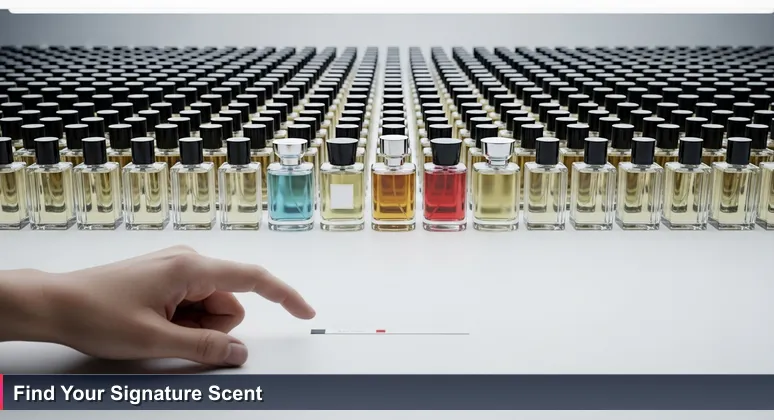
That moment of choice at a perfume counter, where every elegant bottle promises a different future, is the perfect analogy for navigating South Korea's booming tech workspace landscape. Beyond the universal promises of high-speed WiFi and ergonomic chairs, each space carries a distinct cultural and professional fragrance - a unique blend of ambition, network, and unspoken rules that will fundamentally shape your startup's early trajectory.
With the national coworking market projected to near $1 billion by 2030, the options are vast but the stakes are uniquely high in Korea's interconnected ecosystem. Your choice is more than a monthly expense; it's about positioning yourself in the sillage - the lingering trail - of major employers like Samsung and Naver in Pangyo, or within the bureaucratic support of government hubs in Seoul. Selecting a desk at the wrong address could mean missing the crucial connection that accelerates growth.
This guide is designed to help you develop an olfactory sense for workspaces. We'll move beyond surface-level amenities to identify the base notes of deep-tech R&D funding in Daejeon, the heart notes of Kakao's corporate accelerator culture, and the top notes of serendipitous connection in Gangnam's coffee shops. By learning to sniff out these subtleties, you can find the environment where your venture's idea will travel furthest on Korea's tech winds.
Table of Contents
- Finding Your Signature Scent
- WeWork Korea
- HEYGROUND
- SparkPlus
- d·camp
- Global Startup Center
- FastFive
- Seoul Startup Hub
- D2 Startup Factory and Kakao Ventures Spaces
- Daedeok Innopolis and University Pipelines
- Pangyo Techno Valley TIPS Incubators
- Choosing Your Workspace Fragrance
- Frequently Asked Questions
Navigate the 2026 AI employment landscape in Korea with insights from experts.
WeWork Korea
WeWork Korea operates with the crisp, recognizable top note of a global citrus scent - polished, corporate-adjacent, and immediately familiar. Having rightsized its footprint, it remains a staple for international remote workers and teams that require turnkey, professional infrastructure from day one.
Its prime locations, such as Seolleung III in the heart of Gangnam's business corridor, are prized for seamless connectivity. Members highlight the convenience of transit and high-end dining, with one reviewer describing the space as a "distinctive green escape" from the Seoul bustle. The vibe is that of a global corporate lounge, ideal for freelancers servicing overseas clients or satellite teams from foreign tech firms conducting market tests in Korea.
Pricing for a dedicated desk runs between KRW 400,000-550,000 per month, with day passes around KRW 38,900. The standout value is the "All Access" membership, offering unparalleled flexibility across multiple locations in Seoul and other Asia-Pacific hubs like Tokyo - perfect for professionals who split their time. The lingering sillage here is a broad, international professional network, though it may lack the deeply rooted local connections found in homegrown Korean spaces.
HEYGROUND
Located in the trendy Seongsu-dong, often called the "Brooklyn of Seoul," HEYGROUND offers an artisanal, earthy blend focused on community and social consciousness. It diverges from the high-finance energy of Gangnam, cultivating a vibe that is youthful, design-focused, and intentionally alternative.
This space champions a community-driven model that explicitly prioritizes social value alongside innovation. It's less suited for silent coding marathons and more designed for collaborative projects, workshops, and building ventures with a purpose-driven mission. The environment actively attracts social enterprises, design-tech hybrids, and founders building consumer apps with a strong brand story.
While pricing is competitive with mainstream brands - with hot desks around KRW 350,000 per month - membership is often curated to ensure mission alignment among residents. The standout perk is this deeply engaged community, which functions as a built-in beta-testing group and sounding board. The scent is a heart note of collaborative idealism, and its sillage is a potent network of changemakers across Seoul’s creative districts.
SparkPlus
With the structured, energetic aroma of a woody spice, SparkPlus is engineered for scale. As a dominant homegrown brand, it's known for its "Custom Office" solutions tailored specifically for growing tech teams and R&D units spinning out from larger corporates.
The environment is intensely results-oriented, mirroring the ambitious pace of Korea's scale-up scene. Its advanced IT infrastructure and direct pipeline to the prestigious SparkLabs accelerator provide a tangible path from a coworking desk to mentorship and investment opportunities. This makes it ideal for startups at Series A and beyond that have moved past the initial bootstrap phase.
Pricing is competitive, with dedicated desks around KRW 400,000 per month and private offices scaled for team size. The base note here is aggressive, measurable growth. The sillage is the sound of deal-making and the serious ambition of Korea's next-generation tech leaders, amplified by its strategic locations in hubs like Pangyo Techno Valley near major employers.
d·camp
d·camp emanates the exclusive, complex scent of rare oud - influential, bank-backed, and not accessible to all. Operated by a consortium of major Korean financial institutions, this is not a typical coworking space but a prestigious non-profit hub that functions as an inner sanctum for startups on a clear trajectory toward major funding or acquisition.
The model is unique: it provides highly subsidized, low-cost office space, but exclusively to a vetted cohort of startups demonstrating exceptional promise. For those selected, pricing can be 70-80% below the market rate in prime Gangnam, making the space itself virtually priceless and allowing founders to redirect capital toward growth. The vibe is high-stakes and intensely networked, placing residents adjacent to traditional finance power.
The unparalleled value is access. As highlighted in analyses of Seoul's fintech and B2B SaaS ecosystem, d·camp offers direct connections to decision-makers at Korea's largest banks and their venture arms. The primary benefit is less the physical desk and more the powerful stamp of credibility and the network that bridges traditional finance with tech innovation, creating a sillage of validation and capital.
Global Startup Center
Run by the Seoul Business Agency (SBA), the Global Startup Center is the embodiment of a welcoming gift set - accessible, foreigner-friendly, and designed as a frictionless gateway. It offers free coworking space and meeting rooms specifically for international entrepreneurs, serving as the government's front door for global talent and providing a crucial soft landing pad in Seoul's competitive market.
The center provides more than a desk; it delivers administrative support and networking events specifically tailored to help global founders navigate the unique business culture and connect with local partners. It is particularly valuable for participants in programs like the K-Startup Grand Challenge, the major gateway for international startups, and those in early-stage piloting phases. The environment is supportive and intentionally diverse, creating a multilingual hub of founders sharing similar cross-cultural challenges.
The standout perk is the zero-cost entry combined with structured integration. It functions as the ultimate "test strip" for the Korean market, allowing founders to validate their business model and build initial networks without financial commitment. The scent is an officious, welcoming top note, and its sillage is a global network actively navigating the exciting complexities of Korea's tech ecosystem.
FastFive
FastFive carries the classic, popular aroma of a national signature fragrance - polished, trusted, and community-centric. As Korea's largest homegrown coworking brand, it maintains a remarkable 99% occupancy rate in prime locations, establishing itself as the safe, premium choice for a wide spectrum from early-stage founders to established corporate teams.
The vibe is energetically Korean and polished, with a strong emphasis on local networking through frequent seminars and events. Market analysts note its "aggressive expansion" and dominance in attracting e-commerce, marketing, and solid tech companies seeking a reputable Korean address and high-quality local services. Its consistency across a vast national network reduces the risk of a poor workspace experience, making it a default choice for many.
Pricing reflects its premium position, with hot desks ranging from KRW 350,000 to 450,000 per month and private offices starting from KRW 700,000+ per person monthly. The standout perk is this reliability and deep local integration. The scent is one everyone in the ecosystem knows, and its pervasive sillage is the steady hum of Korea's mainstream startup and corporate innovation economy.
Seoul Startup Hub
The Seoul Startup Hub in Mapo District is the laboratory alcohol of workspaces - a clean, neutral base of pure potential before the perfume is added. This massive 10-floor, government-run incubator is defined by its zero-cost entry, making it a haven for pre-revenue founders and solo developers on a strict budget.
The environment is purposefully no-frills and democratic, designed for deep, uninterrupted build phases. As noted in user reviews, the space fosters a "quiet and focused" atmosphere, with quirky, practical amenities that underscore its frugal innovation ethos.
Visitors describe the environment as "quiet and focused," with one user specifically praising the "eggshell hanging chairs" for naps and the building's free facilities (cafeteria, ATM, and high-speed Wi-Fi) as ideal for pre-startups on a tight budget.
With all facilities free for accepted applicants, the hub allows founders to conserve every won of early capital for product development rather than overhead. It is perfectly suited for solo developers building an MVP, students from nearby universities like Yonsei and Hongik testing a business idea, or anyone needing a risk-free environment for pure experimentation. Its sillage is the origin story of countless frugal beginnings in Seoul's startup scene.
D2 Startup Factory and Kakao Ventures Spaces
These corporate incubators emit the intoxicating aroma of a proprietary elixir - resource-rich, strategic, and vertically focused. D2 Startup Factory (Naver) and Kakao Ventures Spaces are not public coworking venues but exclusive R&D floors operated by Korea's tech giants. Access is typically earned through acceptance into their competitive accelerator programs, which focus on strategic fields like AI, robotics, and mobility.
The environment mimics a skunkworks project inside a tech titan, offering unparalleled access to proprietary APIs, massive datasets, and engineering mentorship unavailable elsewhere. The vibe is one of deep integration, where a startup's product development can directly align with the corporate parent's future roadmap, such as AI vision for Naver or mobility services for Kakao.
As tech ecosystem commentator Fabrizio states, "Korean innovators show up... from global tech giants to a fast-growing cohort of startups," largely due to programs that propel them to the world stage.
The ultimate perk is the potential for strategic acquisition or a lifelong partnership. Pricing is typically covered by program investment, meaning access is curated, not rented. The sillage is the powerful prestige and technical validation that comes from being associated with a Korean web giant, a credential that resonates strongly with domestic investors and global partners alike.
Daedeok Innopolis and University Pipelines
Daedeok Innopolis in Daejeon is the academic compound - a scent with sharp, clean top notes of a research laboratory and deep, thesis-driven base notes. Centered around world-class institutions like KAIST and UNIST, this is Korea's premier hub for deep-tech R&D, where coworking and incubator spaces function as direct extensions of the lab.
The environment is academically rigorous and IP-focused, catering to PhD founders, university spin-offs, and startups in fields like biotech, advanced materials, and quantum computing. As highlighted in regional ecosystem analyses, such as Busan's parallel rise as an innovation hub, these clusters leverage proximity to top-tier engineering talent and specialized government R&D grants aimed at commercializing technology.
Pricing is often subsidized for university-affiliated teams and grant recipients, reflecting a model where cost is secondary to accessing unparalleled technical resources and a concentrated talent pool of graduates and professors. Spaces linked to accelerators like Bluepoint Partners epitomize this fusion of science and business. The sillage here is one of patented technology and groundbreaking science, a trail that begins in the lab and extends to global deep-tech markets.
Pangyo Techno Valley TIPS Incubators
Anchored in Korea's premier tech cluster, the ecosystem around Pangyo Techno Valley offers the most complex and coveted fragrance in the collection: the gold standard amber. This is less a single space and more a concentrated ecosystem powered by the Tech Incubator Program for Startups (TIPS), which provides selected companies with up to KRW 1 billion in combined R&D funding and direct investment.
The environment across spaces like the Pangyo Startup Campus is intensely competitive and high-reward, strategically focused on cultivating global players. The area's ongoing expansion through the Second and Third Pangyo Techno Valleys includes specialized housing for entrepreneurs, with rates as low as KRW 220,000 per month, creating a live-work ecosystem. Proximity to the HQs of Samsung, Naver, and Kakao is unmatched, facilitating unparalleled partnership and talent acquisition opportunities.
As ecosystem commentator Fabrizio noted regarding Korea's presence on the global stage at CES 2026, "Korean innovators show up... largely due to government programs like TIPS that propel them onto the world stage." The scent profile is definitive: a top note of robust government support, a heart of cutting-edge R&D, and a base note of relentless ambition toward tech sovereignty. Its sillage is what consistently puts Korean deep-tech and AI startups on the global map.
Choosing Your Workspace Fragrance
Your final selection should align with your venture's current life cycle, treating the cost not as mere overhead but as strategic investment. For freelancers and remote workers, a hot desk (KRW 350,000-550,000/month) is justified if you need to break isolation or build a local network. Use day passes at spaces like WeWork or FastFive to sample different environments before committing, targeting areas near Gangnam Station for casual networking with professionals from major tech firms.
Early-stage founders must prioritize capital preservation and finding their tribe. Begin with free government options like the Seoul Startup Hub or Global Startup Center for your essential "test strip" phase. Consider the massive new Seoul Unicorn Startup Hub in Seongsu-dong, aiming to host 1,000 startups by 2030. Upgrade to a paid space only when you need the credibility for investor meetings or a community for hiring.
For scaleups and corporate teams, reliability, scalability, and strategic networks are paramount. SparkPlus or FastFive offer proven, scalable solutions. Corporate innovation teams should view a location in Pangyo near partners or in Gangnam for business development as a strategic cost. Remember, networking extends beyond official events. In Korea, the shared meal is an unspoken protocol; cafeterias in Pangyo or Gangnam spaces are where unplanned conversations with engineers from Samsung SDS or Coupang product managers happen.
In 2026, your workspace is your launchpad's signature scent. It announces your ambition before your first pitch. Seek the base notes of government grants, the heart notes of a founder community that speaks your language, and the top notes of serendipity that only the right address provides. Your venture's perfect fragrance awaits.
Frequently Asked Questions
What is the best tech coworking space in South Korea for 2026?
Pangyo Techno Valley TIPS Incubators are ranked #1, offering up to KRW 1 billion in government-backed R&D funding and strategic proximity to tech giants like Samsung and Naver. This makes it the top choice for deep-tech startups with global aspirations.
How were these top 10 coworking spaces ranked?
Spaces were evaluated based on criteria like ecosystem support, unique perks such as investment access, pricing, and target audience suitability. For instance, Pangyo's TIPS program and d·camp's bank connections were key factors in the ranking.
Which coworking space is best for early-stage founders with limited funds?
Seoul Startup Hub offers zero-cost entry with free facilities, ideal for pre-revenue founders on a tight budget. The Global Startup Center also provides free space specifically for foreign entrepreneurs, helping conserve early capital.
Are there any free coworking options available for startups in South Korea?
Yes, Seoul Startup Hub and the Global Startup Center offer free coworking. Seoul Startup Hub is free for accepted startups, while the Global Startup Center targets international founders with no cost for qualified participants.
What is the recommended coworking space for AI or deep-tech startups in South Korea?
Daedeok Innopolis, centered around KAIST, is premier for deep-tech with access to top research talent and government grants. Pangyo Techno Valley is also excellent, offering heavy subsidies and proximity to AI hubs like Naver for tech-focused ventures.
If you're considering a tech career in Seoul or Pangyo, this review of the 2026 market is essential reading.
For insights into 2026's most promising startups for junior devs in Korea, refer to this guide.
This AI engineer roadmap for South Korea provides step-by-step instructions for 2026.
For 2026 tech internships in South Korea, check out this detailed article with salary insights.
For a complete list of AI meetups and events in South Korea, see this resource.

Irene Holden
Operations Manager
Former Microsoft Education and Learning Futures Group team member, Irene now oversees instructors at Nucamp while writing about everything tech - from careers to coding bootcamps.