









Top 10 Tech Apprenticeships, Internships and Entry-Level Jobs in South Korea in 2026
By Irene Holden
Last Updated: April 17th 2026
Too Long; Didn't Read
The top tech apprenticeships in South Korea for 2026 are Samsung's SSAFY and Naver's BoostCamp, which stand out for their hands-on training and direct industry pipelines. SSAFY offers a monthly stipend of ₩1 million with an 85% employment rate, while BoostCamp provides real-world project experience under Naver's mentorship, leveraging South Korea's vibrant tech ecosystem near major employers like Samsung and Naver.
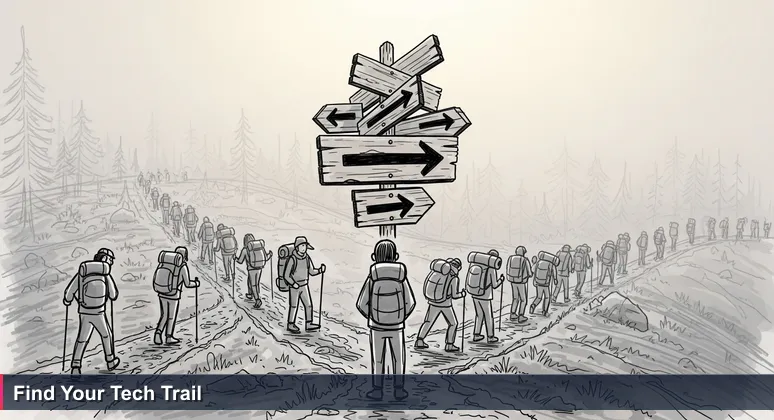
You stand at a crowded trailhead, dawn fog mixing with the breath of a hundred other hikers. In South Korea's 2026 tech job market, this feeling of choice overload is all too familiar. The traditional map - your degree - is no longer sufficient. Companies now overwhelmingly prefer "used-new hires" (경력직 신입) with practical experience, a structural shift that has seen youth employment in information and communications decline sharply.
This isn't a true wilderness, but a network of maintained trails built by the ecosystem itself. As analysis from the Chosun Ilbo notes, corporations seek candidates who can be deployed immediately, reducing traditional entry-level training. Your success depends on shifting from hacking through the underbrush of open job postings to qualifying for these structured, signposted pathways.
The landscape is defined by this pivot to experience-first hiring. The Korea Herald reports that the rapid adoption of AI is paradoxically reducing demand for standard entry-level roles while increasing urgency for specialized pre-graduation experience. Entry-level annual compensation typically ranges from ₩45 million to ₩65 million, but access is gated by proven capability.
Your journey begins not with a blind application, but with targeted preparation for the high-probability routes maintained by Samsung, Naver, Kakao, and the government. In this market, the right pathway isn't just an option; it's the entire strategy.
Table of Contents
- The Trailhead: Navigating Tech Entry in Korea 2026
- Samsung SW Academy for Youth
- Naver BoostCamp
- Intern-to-Hire Tracks at Major Corporates
- Kakao Tech Campus
- K-Digital Training
- Startup Internship Models
- Corporate Gong-chae
- SAP STAR Korea Program
- University Industry-Academia Cooperation
- Global Digital Transformation Leadership
- Packing Your Bag: Actionable Preparation for 2026
- Frequently Asked Questions
Navigate the 2026 AI employment landscape in Korea with insights from experts.
Samsung SW Academy for Youth
Samsung SW Academy for Youth (SSAFY) is the gold-standard, corporate-led retraining program that has redefined tech entry in Korea. It functions as a year-long, intensive bootcamp where you are paid to learn, blending advanced software with cutting-edge Physical AI like robotics and data analysis on enterprise-grade hardware.
The program offers a powerful financial and educational package: participants receive a ₩1,000,000 monthly education stipend over two semesters, totaling 1,725 training hours. This practical, hands-on approach is designed to create job-ready talent, a principle highlighted in Samsung's own storytelling about the academy.
Outcomes solidify its premier status. SSAFY boasts a cumulative employment rate of 85%, with over 170 domestic companies prioritizing its graduates. This makes it a direct pipeline into Samsung and its vast partner network. Recruitment for cohorts like the 16th typically runs from late April to early May for a July start, with preparation focused on algorithmic problem-solving. Asiae confirms this 85% employment success rate, cementing SSAFY's role as the most reliable trailhead in the ecosystem.
Naver BoostCamp
Run by the Naver Connect Foundation, BoostCamp is a practice-oriented developer training program renowned for its rigor and direct industry mentorship. It focuses on building production-ready projects and receiving code reviews from senior Naver field developers, dramatically accelerating professional readiness.
The program offers 5-6 month tracks in Web/Mobile and AI Tech, with selected tiers often being tuition-free. The core value is immersion in real-world problem-solving under the guidance of practicing engineers. The Naver Connect Foundation has positioned this program as a key talent pipeline for the broader NAVER ecosystem, which includes major subsidiaries like Naver Cloud and Naver Labs.
Recruitment for these intensive tracks usually starts in June for Web/Mobile and July for AI Tech. Success requires more than basic knowledge; applicants must showcase a strong portfolio demonstrating a deep, practical understanding of a specific tech stack. This focus on deployable skills directly addresses the market's demand for "used-new hires" who can contribute from day one.
Intern-to-Hire Tracks at Major Corporates
For students, the most coveted path is a summer or semester internship at a major chaebol or tech giant with a high conversion rate to a full-time "return offer." This is the essence of becoming a "used-new hire," providing unparalleled resume credibility by working on real projects in high-demand areas like AI model optimization or large-scale system engineering.
The compensation reflects the high stakes and value of this experience. Monthly pay is highly competitive, ranging from ₩2 million to over ₩3 million. At leading firms like Naver or Coupang, return-offer rates for top performers can exceed 50-70%, making this a near-direct corporate ascent. Programs like the 2026 P&G Korea Summer Internship in Information Technology exemplify this model, focusing on impactful work in data analytics and digitalization.
Application windows are critical and require foresight. Major companies typically recruit for summer internships in the preceding fall (September to November). Preparation must involve excelling in technical coding tests and showcasing relevant project experience through platforms like GitHub. This pathway, as reported on the rise of 'used-new hires', is now a fundamental corporate strategy for identifying ready-to-deploy talent.
Kakao Tech Campus
Kakao Tech Campus represents a strategic, ESG-driven initiative specifically designed for university students outside the Seoul Capital Area, aiming to decentralize tech talent and empower regional innovation. This 8-month program, typically running from April to November, integrates structured learning directly with the Kakao platform ecosystem.
The program offers significant incentives beyond education, including university credits, completion scholarships, and the invaluable benefit of 1:1 code reviews from current Kakao developers. The 2026 curriculum is expanding to include a new Agentic AI track, keeping pace with industry demands. As reported by Maeil Business Newspaper, this model focuses on hands-on project development that connects students directly with a major tech employer.
Outcomes are centered on creating a viable talent pipeline from regional universities. Participants gain preferential hiring consideration, effectively bridging the geographical gap to Korea's tech epicenters. The recruitment period is typically in March, and as Digital Today covered, Kakao actively recruits cohorts to train this regional talent, seeking applicants with foundational coding skills and a strong motivation to engage with their platform services.
K-Digital Training
Spearheaded by the Ministry of Employment and Labor (MOEL), K-Digital Training funds a wide array of full-time tech retraining programs through partnered institutions, creating a financially viable pathway for career switchers. This public initiative directly addresses the market's shift toward "used-new hires" by enabling candidates to build the required practical experience from the ground up.
The program's accessibility is a key differentiator. Trainees receive monthly stipends ranging from ₩200,000 to over ₩1,000,000, depending on the specific program's intensity and duration. This support structure opens doors to intensive, 6-month tracks in high-demand fields like Data Science, Cloud Infrastructure, and AI Software, often delivered through accredited partners like Le Wagon Seoul.
Success in this pathway requires a full-time commitment to building a professional-grade portfolio project that demonstrates newly acquired skills. As noted in analysis of the employment shift, corporate preference for immediately deployable skills makes such government-subsidized retraining not just an option, but a strategic necessity for many entering the tech wilderness.
Startup Internship Models
Interning at a Korean "unicorn" startup offers a starkly different experience from the traditional chaebol track. Companies like Toss (Viva Republica), Karrot (Daangn Market), and Woowa Bros provide higher autonomy, faster project ownership, and exposure to agile scaling within a less hierarchical, more meritocratic culture.
Interns are often integrated directly into product teams, contributing to live features and updates that impact millions of users. This model serves as an agile experience accelerator, where the ability to adapt and take initiative is paramount. The Startup in Korea ecosystem is renowned for offering unique growth potential precisely through this hands-on responsibility.
Recruitment patterns differ significantly from corporate giants. Startups typically utilize year-round "rolling" recruitment rather than fixed seasonal windows, allowing for greater flexibility in application timing. Success often depends on proactive networking - attending demo days and community meetups in tech hubs like Pangyo Techno Valley - and showcasing an entrepreneurial spirit through a portfolio of self-driven projects. Success stories from events like startup job fairs at COEX highlight candidates pivoting into AI and tech roles by strategically entering through these dynamic internship channels.
Corporate Gong-chae
Corporate Gong-chae (공채) represents the classic, highly competitive entry path for new graduates (신입사원). This traditional system involves major corporations holding biannual mass hiring drives where thousands apply for a limited number of spots through a standardized, multi-stage process.
The recruitment timeline follows a strict seasonal rhythm, with peak application periods in March-May (Spring) and September-November (Fall). The process is notoriously rigorous, involving sequential testing phases: standardized aptitude exams, personality assessments, and demanding technical coding tests. Resources like university career centers meticulously track these windows, underscoring their importance in the graduate calendar.
Success in this arena requires near-perfect test scores and demonstrable alignment with a company's specific culture, making it the most numerically challenging and guidance-scarce path. Preparation is a dedicated discipline, often involving membership in university job preparation clubs (스펙준비 동아리) and diligent practice on Korean coding test platforms like Programmers. As analysis of the employment landscape confirms, this path has become increasingly difficult as corporate hiring pivots toward candidates with pre-built experience, making the traditional Gong-chae a true test of broad academic and test-taking prowess.
SAP STAR Korea Program
The SAP STAR (Student Training and Rotation) Korea Program offers a distinct global enterprise software traineeship for students and new graduates. This 18-month structured program provides a deep dive into enterprise solutions within the Korean operations of a worldwide tech leader, blending technical skill development with essential business acumen.
Trainees choose between two focused tracks: Customer Success (covering Sales and Presales) or Technology & Innovation (focusing on Cloud, Database, and Analytics). Each path includes structured coaching and mentorship from SAP leaders, providing a comprehensive foundation in the enterprise B2B tech sector, which remains robust within the Korean market.
Outcomes are geared toward creating well-rounded professionals equipped for roles that bridge technology and client needs. As detailed on the official SAP Careers page for the STAR program, this pathway is ideal for those targeting careers in global software environments. Applicants should monitor this portal for openings and highlight any relevant experience with ERP systems or cloud platforms, while also demonstrating strong communication skills crucial for client-facing roles.
University Industry-Academia Cooperation
Programs like the government's LINC+ initiative facilitate direct partnerships between universities and corporations, creating a pathway for students to engage in credit-earning R&D internships. This model allows participants to work on authentic corporate research and development projects while simultaneously fulfilling academic requirements, merging theoretical study with practical application.
This path is particularly valuable for students at research-oriented universities - such as DGIST (Daegu Gyeongbuk Institute of Science and Technology), KAIST, or POSTECH - who aim to build expertise in deep-tech fields like semiconductors, advanced AI, or biotechnology. The benefit is direct immersion in cutting-edge industrial challenges, providing a significant advantage for those targeting specialized technical careers.
Access to these roles is typically network-driven rather than advertised publicly. Positions are often arranged through a professor's research lab or the university's dedicated industry cooperation office, providing a trusted referral system that bypasses the open job market. Students should proactively engage with their department's industry liaison office and build strong relationships with professors involved in applied research to discover these opportunities.
Global Digital Transformation Leadership
For those targeting strategic roles in technology leadership, the Global Digital Transformation Leadership program offers a funded advanced degree pathway. This government-funded scholarship covers a master’s or doctoral program at Seoul National University, specifically designed to cultivate leaders who can effectively bridge cutting-edge technology with business strategy.
The support package is comprehensive, designed to allow full immersion in studies. It includes full tuition coverage, a monthly living stipend, and health insurance. This makes it a viable long-term investment for professionals aiming to specialize at an advanced level and drive innovation within organizations. The program is detailed on the official page managed by the Ministry of Foreign Affairs, which oversees this global talent initiative.
The target audience includes individuals with notable professional experience or exceptional academic records seeking to pivot into or advance within tech leadership. The application process is rigorous, with a deadline typically in July for the following Spring semester. Success requires a clearly articulated research proposal aligned with digital transformation trends and strong academic references, positioning it as a premier route for those destined for executive and strategic roles in Korea's tech-driven future.
Packing Your Bag: Actionable Preparation for 2026
Regardless of your chosen trailhead, systematic preparation is the non-negotiable foundation for success in Korea's 2026 tech landscape. The baseline expectation has shifted, demanding demonstrable skills over theoretical knowledge alone.
Your technical portfolio is your primary credential. Cultivate a GitHub profile with 2-3 deployed projects - such as a functional web service, a complete data analysis report, or a trained AI model - that solve concrete problems. Crucially, quantify your impact within project descriptions (e.g., "improved model accuracy by 15%" or "reduced page load time by 200ms").
Targeted upskilling through certifications adds formal validation. For AI and data roles, credentials in frameworks like TensorFlow or major cloud platforms (AWS, GCP) are highly valuable. For developers, deep, project-proven proficiency in one main stack (e.g., Spring Boot, React) is far more effective than superficial knowledge of many. Focus on the most in-demand skills identified for the Korean market, which increasingly include AI integration and cybersecurity.
Proactive networking unlocks hidden opportunities. Attend 교내 채용설명회 (on-campus recruitment sessions) and online community meetups hosted by tech hubs. Many internships and roles are filled through referrals before public posting. Simultaneously, understand the compensation landscape: entry-level annual salaries typically range from ₩45 million to ₩65 million, with top apprenticeships or successful internships leading to offers at the higher end, as confirmed by reporting on hiring trends. Performance-driven increases of 20-30% are common within the first 1-3 years, making your initial pathway a critical determinant of long-term trajectory.
Frequently Asked Questions
Which tech apprenticeship in South Korea is best for someone starting an AI or machine learning career?
Naver BoostCamp's AI Tech track is ideal for hands-on experience with production-ready AI projects and direct mentorship from Naver engineers. Alternatively, Samsung SW Academy for Youth (SSAFY) includes Physical AI modules and has an 85% employment rate, making it a reliable path into companies like Samsung and its network.
How much can I earn from these tech internships and entry-level jobs in South Korea?
Entry-level annual salaries typically range from ₩45 million to ₩65 million, with top performers starting higher. Internships at major corporates like Coupang or Naver often pay ₩2-3 million per month, while apprenticeships like SSAFY offer a ₩1 million monthly stipend during training.
When are the key application periods for programs like SSAFY or corporate internships in South Korea?
SSAFY recruits from late April to early May for a July start, while corporate summer internships open in the preceding fall (September to November). For Naver BoostCamp, apply in June for Web/Mobile and July for AI Tech tracks to align with their timelines.
Is it better to intern at a large corporation or a startup in South Korea's tech industry?
Large corporations like Samsung or Naver provide structured programs with high return-offer rates, often 50-70%, ideal for stable career paths. Startups like Toss or Karrot in Pangyo offer more autonomy and agile experience, with rolling recruitment and faster project impact.
What should I include in my portfolio to stand out for these tech apprenticeships?
Showcase 2-3 deployed projects on GitHub, such as an AI model with measurable improvements (e.g., 15% accuracy gain) or a web service. Complement this with certifications in TensorFlow or cloud platforms like AWS, and highlight networking through South Korea's tech meetups for referrals.
Learn about tech incubators in Gangnam and Pangyo for AI and machine learning ventures.
To find your place in Korea's AI scene, explore the list of must-attend tech meetups.
Discover where AI talent is in high demand in South Korea beyond major tech companies.
This article covers a comprehensive list of AI coding bootcamps in South Korea with salary benchmarks.
The highest paying tech employers like Google Korea and Coupang are ranked here for 2026.

Irene Holden
Operations Manager
Former Microsoft Education and Learning Futures Group team member, Irene now oversees instructors at Nucamp while writing about everything tech - from careers to coding bootcamps.