









Top 10 Tech Coworking Spaces and Incubators in Nepal in 2026
By Irene Holden
Last Updated: April 20th 2026
Too Long; Didn't Read
Impact Hub Kathmandu and Doerspace top the list of tech coworking spaces and incubators in Nepal for 2026, offering specialized environments like maker labs for hardware innovators and premium networking for startups. With costs from NPR 4,500 for budget options to over NPR 30,000 for private offices, these hubs tap into Nepal's growing IT export goal of $500 million and connections to employers like Fusemachines and CloudFactory. Choosing the right space can accelerate your career, whether you're a student at TUBIC or a remote worker at rem.work HQ.
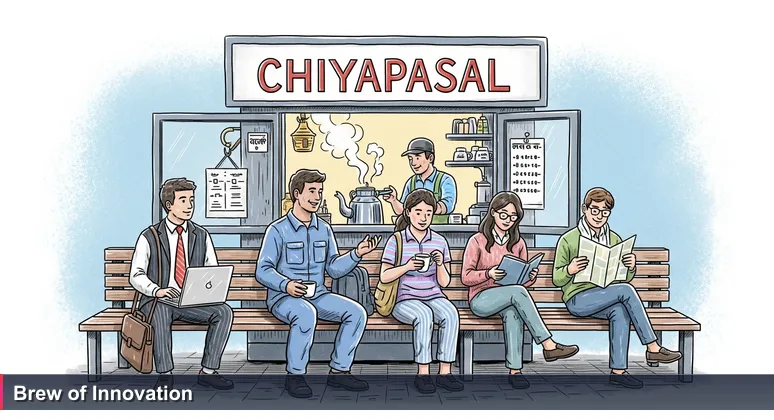
The best ideas in Nepal have never started in boardrooms. They've started on a shared bench at a chiyapasal, over a cup of chiya, where a chance conversation sparks something new. Your choice of a tech workspace is about finding that same alchemy - a place where code, community, and opportunity cross-pollinate.
With Nepal racing towards its goal of $500 million in IT service exports, the ecosystem has matured from simple rented desks into vibrant, specialized hubs. This growth is fueled by a competitive cost base, a strong English-speaking talent pool, and the active presence of major employers like Fusemachines and CloudFactory who scout these communities for talent.
Whether you're a freelancer, a student founder building an AI prototype, or a remote developer, your workspace is a strategic career node. It connects you to the expanding network of ICT parks, government-supported incubators, and the burgeoning startup scene across the Kathmandu Valley and emerging hubs like Pokhara. As the race to grow the tech sector accelerates, the community you join can define your trajectory.
This guide is not just about amenities and price-per-desk. It’s about finding the right soil - the unique brew of mentorship, resources, and serendipity - where your specific idea and career are most likely to grow. Your next groundbreaking conversation is waiting, but now it might just happen in a FabLab or at a demo day.
Table of Contents
- The Brew of Innovation: Finding Your Bench in Nepal's Tech Hubs
- Impact Hub Kathmandu
- Doerspace
- Nepal Technology Innovation Center
- Tribhuvan University Business Incubation Center
- Regus
- Karkhana Makerspace
- Nucleus Co-Working
- rem.work HQ
- Kathmandu Living Labs
- Work Around
- Choosing Your Brew: Coworking as a Strategic Career Move
- Frequently Asked Questions
Explore the steps to succeed in starting an AI career in Nepal's evolving tech ecosystem.
Impact Hub Kathmandu
For founders building solutions with purpose, Impact Hub Kathmandu is the definitive epicenter. It’s far more than a coworking space; it's an incubation ecosystem where the brew of social tech and tangible innovation comes to life. Its crown jewel is the integrated FabLab Nepal, equipped with laser cutters, 3D printers, and CNC machines, making it the prime destination for hardware, IoT, and robotics innovators - a community often collaborating with the Robotics Association of Nepal.
Monthly coworking passes start around NPR 9,000-15,000, but the real value is in its structured programs. In partnership with entities like the Industrial Enterprise Development Institute, it runs intensive 3-month coaching for registered startups, turning local talent into investable ventures.
“The initiative helps turn local talent into a 'cohesive ecosystem story' that global investors can trust and engage with.” - Mike Harker, U.S. Embassy Public Affairs Chief (on pre-accelerator programs)
For a developer, this is the space to move from software into tangible, world-changing tech, surrounded by mentors and a global network. It’s where the cross-pollination of engineering, design, and social impact creates the alchemy for a new generation of Nepali tech founders.
Doerspace
Doerspace has cemented its reputation as the go-to for serious startups and remote developers who prioritize professional infrastructure and relentless networking. With 24/7 access, ergonomic seating, and regular networking nights, it’s engineered for growth and mirrors the high-energy environment of international tech hubs.
Pricing reflects its premium position, with hot desks around NPR 15,000 and private offices from NPR 30,000 per month. The community here is dense with ambitious founders and senior tech talent, creating direct pipelines to major employers and investors. If your goal is to scale a startup or land a lead developer role at a top firm like F1Soft or Deerwalk, the connections made at Doerspace’s events are invaluable.
This hub offers the polished, competitive atmosphere needed to attract both local venture capital and attention from global clients. It serves as a critical node in Kathmandu’s tech ecosystem, where the brew of ambition and opportunity fuels the scaling journeys of Nepal’s next wave of tech companies.
Nepal Technology Innovation Center
For students and researchers spinning tech out of the lab, the Nepal Technology Innovation Center at Kathmandu University is Nepal's premier deep-tech launchpad. It provides the crucial early-stage alchemy that transforms theoretical AI models and engineering projects into viable businesses, with a noted focus on green energy and health tech ventures.
While not a traditional drop-in coworking space, its incubation program offers subsidized residency, mentorship, and lab access. Its crown jewel is a Startup Fund offering up to NPR 500,000 in seed capital for selected ventures. This structured support system, part of Kathmandu University's broader business incubation ecosystem, is designed to de-risk innovation.
For a computer science graduate or PhD researcher, engaging with NTIC is a direct path to becoming a founder or joining a specialized R&D team. Companies like Fusemachines actively scout such academic talent pools for cutting-edge AI expertise. It represents a unique brew of academic rigor and entrepreneurial support, planting the seeds for Nepal's most advanced technological exports.
Tribhuvan University Business Incubation Center
As Nepal's largest university, Tribhuvan University channels its massive student energy through the Tribhuvan University Business Incubation Center. It offers a powerful brew of raw ideas and structured support, providing comprehensive pre-incubation and incubation services including legal, financial, and mentorship frameworks specifically tailored for student-led startups.
This center is a furnace of early-stage innovation, from educational technology to local e-commerce solutions. Engaging here as a student provides not just a workspace but validation and a foundational network. The community is your first ecosystem - your future co-founder, developer, or marketing head is likely at the next desk.
For job seekers, TUBIC’s demo days are prime recruiting grounds. Major tech employers like Daraz and Ncell frequently attend, looking for fresh, trainable talent fluent in the latest tech stacks. This direct pipeline from academic project to professional role makes TUBIC a critical cross-pollination point in Nepal's tech talent landscape.
Regus
When your client is in New York or your employer is a Silicon Valley firm, Regus offers a globally consistent, professional standard. With premium facilities at Trade Tower and the IT Plaza in New Baneshwor, it caters specifically to established teams, enterprise remote workers, and international companies setting up a Nepali office.
Coworking day passes start around NPR 3,500, with private offices from NPR 25,500/month and meeting rooms from NPR 1,900. The value is in seamless credibility: a prestigious business address, high-security infrastructure, and no surprises - a brew of professionalism that meets global expectations.
For a remote employee earning in USD or EUR, the cost (often reimbursable by an international employer) is justified by the clear separation between professional and home life, and the logistical ease of a hassle-free operation. It provides the polished, reliable environment necessary for daily collaboration across time zones, anchoring Nepal's talent firmly within the global marketplace.
Karkhana Makerspace
Karkhana is where curiosity is built into physical form. While primarily an ed-tech hub, its makerspace fosters a powerful brew of creativity and technical skill among young engineers, artists, and hackers. It’s a community-centric space for prototyping everything from simple Arduino projects to complex interactive installations.
This environment is the ideal supplemental soil for a software engineer wanting to understand hardware integration or a designer exploring digital fabrication. The collaborative, workshop-driven culture, visible in community showcases like MakerTour Asia, emphasizes hands-on problem-solving and interdisciplinary collaboration.
For those building a career in Nepal's tech scene, contributing at Karkhana builds the practical, cross-disciplinary skills highly valued by innovative employers and product-based startups. It represents a unique node in the ecosystem where the theoretical knowledge from classrooms and online courses is welded, coded, and assembled into tangible prototypes, fueling a culture of makers who are essential to the country's growing hardware and IoT sectors.
Nucleus Co-Working
Pokhara’s rise as a secondary tech cluster is led by spaces like Nucleus Co-Working. Offering plans from around NPR 5,000/month, it provides an affordable, scenic alternative to Kathmandu’s bustle, catering to a mix of local freelancers, remote workers, and the growing number of digital nomads choosing Nepal.
The lower cost of living in Pokhara, combined with reliable infrastructure, makes it a strategic base for building a tech career. For a developer or digital marketer, a salary from an international remote role stretches significantly further here, while you remain connected to Nepal's tech pulse through local community events.
This hub represents a different kind of brew - one blended with lakeside inspiration and operational efficiency. It underscores the geographic diversification of Nepal's "Silicon Peaks" ecosystem, proving that innovation isn't confined to the capital and that quality workspaces are cultivating talent nationwide.
rem.work HQ
Designed for pure productivity, rem.work HQ emphasizes high-speed internet (100mbps+), 24-hour access, and a professional yet flexible environment. With monthly plans starting around NPR 10,000, it attracts a focused brew of remote employees, consultants, and scale-ups for whom reliability is the non-negotiable foundation.
“A co-working space like ours is the perfect solution for a good space for people starting their businesses.” - Nirakar Sharma, Co-founder of rem.work HQ
Its location in Kamalpokhari and efficient setup make it a strategic choice for individuals and small teams who need to interface seamlessly with international clients across different time zones. The alchemy here is one of streamlined operation and minimal friction, enabling professionals to plug into the global economy without distraction.
This hub meets the critical need for dependable infrastructure that supports Nepal’s expanding remote workforce, serving as a key enabler for the country’s integration into the international tech services market.
Kathmandu Living Labs
For technologists driven by social impact, Kathmandu Living Labs is a unique hub in Nepal's ecosystem. Operating as a non-profit tech engine, it focuses on open mapping, data science, and civic technology, creating a distinct brew of code and community service.
It regularly hosts collaborative events like "Weekly Mapping Hours," attracting developers, GIS specialists, and data analysts to work on real-world challenges. While not a commercial coworking space, its project-based environment offers deep, hands-on experience with large-scale data problems, from disaster response mapping to urban planning.
Contributing here builds a specialized portfolio that is highly attractive to organizations like the World Bank, UN agencies, and local tech companies like Deerwalk that manage complex datasets. For a data scientist or software engineer, KLL represents the ideal soil to grow a career at the intersection of technical skill and tangible social good, grounding innovation in immediate community needs.
Work Around
Proof that great value fuels great beginnings, Work Around has built its reputation on helping startups graduate from its affordable desks. With coworking plans from approximately NPR 4,500/month, it stands as one of the most budget-friendly professional options in the capital, offering a fertile and low-risk soil for early ideas to take root.
This accessibility makes it a vibrant launchpad for student entrepreneurs, part-time freelancers, and founders bootstrapping their first MVP. The informal, collaborative vibe fosters organic networking, where conversations at the shared bench often lead to referrals and project collaborations. As founder Tanka Ram Poudel noted in The Kathmandu Post, the future of such spaces depends on "how well entrepreneurship develops and grows in the country."
Success stories, like the interior design studio Live in Space that started there and successfully scaled, underscore its role as a proven incubator. For those taking their first steps, Work Around provides the essential brew of community, credibility, and cost-effectiveness, proving that in Nepal's growing ecosystem, monumental ventures can indeed begin at a modest desk.
Choosing Your Brew: Coworking as a Strategic Career Move
Is a coworking space or incubator worth the cost? The answer depends entirely on your stage and goals. Your choice is a strategic investment in your network, growth, and daily productivity. Use the table below to match your current career path with the hub type that offers the best return on that investment.
| Career Stage & Typical Earnings | Recommended Hub Type & Examples | Key Rationale & Expected ROI |
|---|---|---|
| Part-Time Freelancer (~NPR 30,000-50,000/month) | Budget-friendly coworking (e.g., Work Around, HUB108 day pass ~NPR 10,000) | Combats isolation; community leads to client referrals and skill-sharing, transforming a side hustle into a full-time venture. |
| Full-Time Startup Founder | Premium startup ecosystem (e.g., Doerspace, Impact Hub: NPR 15,000-30,000+) | The desk cost is a critical operational expense for relentless access to mentors, co-founders, investors (like those on the 2026 VC lists), and pilot customers. |
| Remote Employee (for an international firm) | Reliable, professional infrastructure (e.g., Regus, rem.work HQ) | Justified by employer reimbursement or self-funded for professional/home-life separation and flawless connectivity for global team syncs. |
| Student Entrepreneur | University incubator (e.g., TUBIC, NTIC at zero to low cost) | Leverages subsidized residency, seed funding (up to NPR 500,000), and structured mentorship with minimal personal risk; prime recruiting ground for top employers. |
Ultimately, Nepal's tech ecosystem provides diverse soil for every seed. Your chosen bench should be the node that best connects your ambition to the network of mentors, employers, and collaborators actively building the country's digital future.
Frequently Asked Questions
How did you choose the top 10 tech coworking spaces in Nepal for 2026?
We selected them based on criteria like community vibe, cost-effectiveness, specialization for tech roles, and their role in Nepal's growing IT ecosystem, which aims for $500 million in exports. Factors included networking opportunities with major employers like Fusemachines and CloudFactory, and support for innovation hubs.
Which coworking space is best for AI and machine learning professionals in Nepal?
For deep-tech AI research, Nepal Technology Innovation Center offers incubation and funding up to NPR 500,000, while spaces like Doerspace provide networking with companies like Fusemachines. Both cater to Nepal's competitive talent pool in AI and software startups.
What are the typical costs for a coworking space in Kathmandu for tech freelancers?
Costs range from budget options like Work Around at around NPR 4,500/month to premium hubs like Doerspace from NPR 15,000/month. This reflects Nepal's competitive cost base, making it affordable for freelancers earning around NPR 30,000-50,000/month.
Are there good coworking spaces outside Kathmandu, like in Pokhara, for remote workers?
Yes, Nucleus Co-Working in Pokhara offers plans from about NPR 5,000/month, providing an affordable, scenic base for remote workers and digital nomads. It taps into Pokhara's lower cost of living while staying connected to Nepal's tech scene.
How can joining an incubator help me get a job at a major tech company in Nepal?
Incubators like TUBIC host demo days that attract recruiters from companies like Daraz and Ncell, offering direct exposure. Additionally, hubs like Impact Hub provide mentorship and global networks, enhancing your chances in Nepal's expanding job market.
Read about Nepal's tech ecosystem and career paths in this comprehensive article.
This article provides a comprehensive overview of tech apprenticeships and internships in Kathmandu for 2026, tailored for Nepali graduates.
Understand 2026 AI salary expectations in Nepal by role and experience.
This article ranks the leading AI startups in Nepal in 2026 for career opportunities.
Understand the top AI companies in Kathmandu Valley for 2026 and their unique offerings.

Irene Holden
Operations Manager
Former Microsoft Education and Learning Futures Group team member, Irene now oversees instructors at Nucamp while writing about everything tech - from careers to coding bootcamps.