









AI Meetups, Communities, and Networking Events in Nepal in 2026
By Irene Holden
Last Updated: April 20th 2026
Key Takeaways
Nepal's AI meetups, communities, and networking events in 2026 revolve around accessible monthly groups like Global AI Chapter Kathmandu, major conferences including AI Conf 2026 in January and AI Summit Nepal in April, and selective hackathons such as Fusemachines AI Fellowship. Engaging in these events is key to career growth, with one developer tripling his monthly earnings to NPR 125,000 through community networking. They provide direct access to employers like CloudFactory and F1Soft International, helping professionals thrive in Nepal's dynamic tech scene.
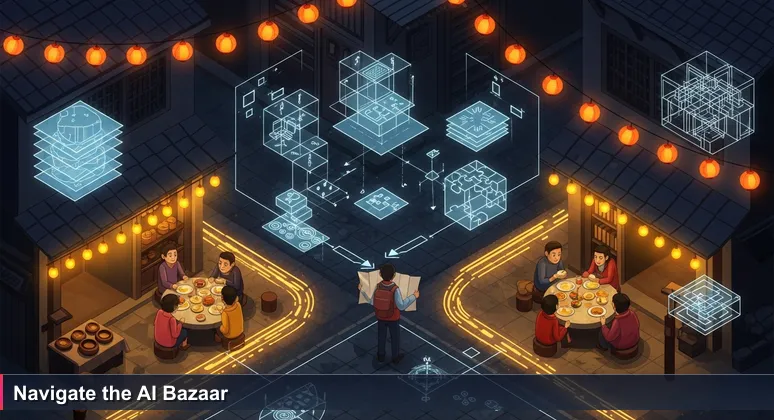
You find yourself at the edge of a packed Kathmandu night market, the air electric with potential. You see the event listings - the public maps on Nepvents and Meetup.com - yet every huddle of developers feels like an impenetrable circle. You hold the directory, but the real pathways of trust and collaboration remain hidden.
This is the essence of navigating Nepal’s AI ecosystem in 2026. It has rapidly evolved from niche academic discussions into a vibrant, multi-layered bazaar of builders, thinkers, and entrepreneurs. As noted in a Fuse Insights report, the landscape is now defined by a pragmatic, "hands-on" culture where global advancements meet local implementation. The community is your most powerful career accelerator, proven by developers who have tripled their monthly earnings from NPR 40,000 to NPR 125,000 through deep engagement.
Your success hinges on moving from an overwhelmed observer to a knowing participant. It requires understanding the social topography - knowing which regular meetup acts as a "tea stall" for peer learning, which major summit serves as the "festival ground" for policy, and how to earn an invitation to the selective "kitchen table" hackathons where real careers are launched. This guide is your navigation manual to that vibrant, chaotic, and incredibly welcoming market.
In This Guide
- The Night Market of Nepal's AI Community
- Why Career Breakthroughs Happen in Person, Not Online
- Regular AI Meetups: The Monthly Tea Stalls of Kathmandu
- Major AI Conferences: The Annual Festival Grounds
- Selective Hackathons and Fellowships: The Invited Kitchen Tables
- Culturally Smart Networking Tactics for Nepal
- Your 2026 AI Community Calendar: A Practitioner's Guide
- Joining the Conversation: Nepal's AI Future Awaits
- Frequently Asked Questions
Explore the steps to succeed in starting an AI career in Nepal's evolving tech ecosystem.
Why Career Breakthroughs Happen in Person, Not Online
In a world of remote work, the power of physical presence in Nepal’s AI community cannot be overstated. The ecosystem thrives on a unique fabric of proximity, trust, and shared mission that digital channels cannot replicate. Major employers like Fusemachines, CloudFactory, and Daraz don’t just post jobs online; their technical leads are active speakers and judges at local meetups, scouting for talent in real time.
This direct access translates into tangible opportunity. Consider the Lalitpur-based developer who, after engaging with advanced training and community networking, tripled his monthly earnings from NPR 40,000 to NPR 125,000, landing an AI solutions architect role. This story exemplifies what experts call a “narrow window of opportunity” for Nepal to build a globally competitive, AI-ready workforce.
Senior figures recognize this localized advantage. U.S. Embassy Spokesperson Frank Sellin noted that Nepal’s ecosystem is “perfectly positioned to attract international firms” precisely because it demonstrates that connected local talent can solve global problems. This tailoring of solutions happens in post-talk conversations and hackathon collaborations - spaces where trust is built and ideas are pressure-tested.
For you, this means the community is your ultimate career accelerator. It’s the channel to unadvertised roles at F1Soft International or Deerwalk, the source of co-founders for your startup, and the venue for getting direct feedback from senior engineers at NAAMII. Your social currency here is measured not by who you know, but by the collaborative ideas you bring to the table.
Regular AI Meetups: The Monthly Tea Stalls of Kathmandu
Think of the regular meetup as your neighborhood tea stall - a consistent, accessible hub for connection and peer learning. These gatherings form the resilient backbone of Kathmandu's AI community, offering low-pressure environments where you can move from observer to participant. Attendance at these events typically ranges from 20 to 50 passionate individuals, creating an ideal scale for meaningful interaction.
Global AI Chapter - Kathmandu
This is one of the most active regular hubs, hosting monthly or bi-monthly sessions that frequently feature speakers from major local firms like Ncell. Recent practical topics have included AI implementation, Microsoft Copilot Studio, and AI-enabled software development lifecycles. You can join their sessions for free via the Global AI Chapter Meetup page.
Kathmandu Data+AI Meetup
For those specializing in the data pipeline, this group is essential. It delves into large-scale data processing with tools like Apache Spark and shares cutting-edge insights from global conferences, serving as a crucial community for aspiring data and ML engineers building robust infrastructure.
National AI Club Nepal & University Circles
The National AI Club often explores the intersection of AI with Nepali society, while university buildathons at Kathmandu University and Tribhuvan University - like the high-energy KUMSC Infinity 24-hour event - are goldmines for meeting the next generation of builders.
Actionable Takeaway: Your goal at these "tea stalls" should be to have one substantive conversation. Ask a thoughtful question, or offer to help organize the next meetup. Consistency is your greatest asset here; showing up regularly transforms your face from "new" to "familiar," building the social currency needed to navigate deeper into the ecosystem.
Major AI Conferences: The Annual Festival Grounds
These are the flagship gatherings - the annual melas that draw hundreds, set the national agenda, and magnetize international attention. They offer a panoramic view of the ecosystem and opportunities for high-density connections that can alter career trajectories.
AI Conf 2026: The Practitioner's Deep-Dive
Scheduled for January 10-11, this conference is engineered for those serious about their craft. As tech professional Avinash Kundaliya described, it focuses on "how real teams design and evaluate LLM applications" beyond introductory concepts. Uniquely, it features a “Community Hike Day,” where conversations continue on Kathmandu’s trails, dissolving formal barriers. This event is a direct portal to networking with senior engineers and exploring niche tech stacks.
AI Summit Nepal 2026: Where Policy Meets Infrastructure
Set for April 5, this summit is where national direction is charted. It will serve as the historic launchpad for announcing Nepal’s first major AI compute infrastructure, the Nepal AI Data Center Cluster (NAIDC). With over 300 attendees from banking, health, media, and government, it’s the nexus for understanding the business and policy landscape. As covered by The Startup Network, it’s where ideas catalyze tangible impact.
Actionable Takeaway: At these large festivals, strategy is key. Identify 2-3 speakers or attendees you want to meet beforehand. Use event apps or social media to initiate thoughtful contact. Prioritize the dedicated networking sessions - these are where collaborations are born and opportunities are discovered, reflecting the hopeful energy of Nepal's AI boom.
Selective Hackathons and Fellowships: The Invited Kitchen Tables
This is the most selective layer of the ecosystem - the "invited kitchen tables" where deep immersion happens and direct pathways to employment or investment are forged. Access isn't granted by simple registration; it's earned by demonstrating exceptional skill or by excelling within the first two, more accessible community layers.
Corporate-Led Talent Pipelines
Programs like the Fusemachines AI Fellowship and associated hackathons are intensive, hands-on pipelines designed to transform students into job-ready AI engineers. Similarly, the Global IME AI/ML Hackathon, sponsored by a leading bank, is a prime venue for talent to solve real-world financial problems and be spotted by corporate tech teams. These initiatives, part of the evolving landscape of AI education, are recognized credentials within the local industry.
High-Intensity Build Sessions
Events like JunctionX Kathmandu represent another tier. This intense 3-day hackathon at AITM College, detailed on its official event page, attracts top student talent to build prototypes under pressure, often serving as a breeding ground for future startup teams and serious collaborations.
Actionable Takeaway: Your ticket to this inner circle is a demonstrably sharp skill set. Build a public portfolio on GitHub, contribute to open-source projects relevant to Nepal's market, or present a mini-project at a Layer 1 meetup. When applying, reference specific community members you've learned from - this shows you're not just skilled, but already integrated into the ecosystem's fabric.
Culturally Smart Networking Tactics for Nepal
Knowing where to go is only half the battle; the other half is mastering how to engage within Nepal's unique social fabric. Success here relies on culturally resonant strategies that build genuine trust.
Master the Bilingual Pitch
Prepare a concise 30-second introduction about your AI passion and goals. Practice it in both English and Nepali to seamlessly enter mixed-language conversations. For example: “Ma computer vision ma YOLO models optimize garne project ma chhu. Ahile ma yaha sathi sanga kura garera naya idea khojdai chhu.” This simple effort demonstrates respect and immediately bridges communication gaps.
Leverage Local Digital Channels
While LinkedIn is essential, platforms like Facebook and Messenger are often the primary real-time channels. Proactively join groups like “IT Students of Nepal (ITSNP)” on Facebook, a major digital hub for Q&A and resources. For follow-ups, a polite Facebook message referencing your meeting can be more effective than a standard LinkedIn request.
Embrace 'Sanga Sanga' and Follow Local Insights
Networking here often happens in groups. If you hear plans for momo after a meetup, politely ask, “Ma pani auna sakchu?” (“Can I join too?”). These informal gatherings are where real connections solidify. Furthermore, stay informed by following local tech press like Kantipur Tech or TechSansar, which cover local success stories and event roundups - mentioning a recent article makes for a powerful conversation starter.
Your 2026 AI Community Calendar: A Practitioner's Guide
To navigate Nepal's AI ecosystem effectively, think of your year in strategic rhythms. Different seasons offer different types of events, each serving a distinct purpose in your professional growth and networking strategy. Below is a consolidated view of the 2026 landscape to help you plan your engagement.
| Timeframe | Event Type | Sample Events / Venues | Primary Networking Goal |
|---|---|---|---|
| Weekly | Online Study Groups | ITSNP Discord channels, specialized Slack groups. | Deep skill-building & peer code review in niche areas. |
| Monthly (1st-2nd Weekend) | Regular Meetups | Global AI Chapter, Data+AI Meetup. | Build recurring, trusted relationships with active peers. |
| January | Major Practitioner Conference | AI Conf 2026 (Jan 10-11). | Connect with senior engineers on production-level AI systems. |
| March | Focused Hackathon | AI Hackathon 2026 (Mar 15-16). | Form intense, project-based bonds and create a portfolio piece. |
| April | Policy & Business Summit | AI Summit Nepal 2026 (April 5). | Engage with policymakers, C-level executives, and infrastructure investors. |
| May | Student-Centric Hackathon | JunctionX Kathmandu (May 29-31 at AITM College). | Network with top student developers and scout emerging talent. |
| October | Entrepreneurship Festival | Startup Summit Nepal (Multi-day). | Connect with founders, investors, and cross-disciplinary talent. |
This calendar highlights the ecosystem's layered accessibility. Your strategy should balance consistent participation in weekly and monthly "tea stalls" with targeted immersion in the major "festival grounds." Always verify final dates on primary sources like dedicated event pages, as details can evolve. This rhythm ensures you're not just attending events, but strategically cultivating your place within Nepal's collaborative AI future.
Joining the Conversation: Nepal's AI Future Awaits
Leaving the metaphorical night market, your perspective has shifted. What once seemed a maze of closed circles is now a network of familiar pathways. You understand that Nepal's AI future isn't built in isolation by a few elite institutions, but collectively, in the shared spaces between events, over tea, and through the sanga sanga spirit of collaboration. This ecosystem offers a rare blend of global ambition and local intimacy.
The journey from a student project to an international showcase, like the startup Ting Ting presenting at Web Summit Qatar, or from a salary of NPR 40,000 to NPR 125,000, begins with a decision to actively participate. It starts by putting down the generic map of event listings and stepping into the vibrant, sometimes chaotic, bazaar with curiosity and a willingness to contribute.
For those looking to build the foundational skills to enter this conversation, structured pathways exist. Accessible education programs, like a 16-week bootcamp in Python and DevOps for around NPR 282,492, can provide the technical grounding. The key is to combine this learning with community immersion.
Your seat at the table is waiting. The community is actively scripting Nepal's digital chapter, focused on reliable, transparent AI for local needs. By engaging your curiosity, offering your skills, and building genuine connections, you cease to be a visitor. You become a builder, and your voice joins the conversation shaping what comes next.
Frequently Asked Questions
What are the most active AI meetups in Nepal I can join right now?
The Global AI Chapter - Kathmandu and Kathmandu Data+AI Meetup are highly active, hosting monthly or bi-monthly sessions with 20-50 attendees. These are free, low-pressure events where you can connect with peers and speakers from major local employers like Fusemachines and CloudFactory.
How does attending these events actually help with job opportunities in Nepal's tech industry?
Networking at these events can lead to unadvertised roles; for example, one developer tripled his monthly earnings from NPR 40,000 to NPR 125,000 after community engagement. Employers like Daraz and F1Soft International often recruit directly through these connections, making it a powerful career accelerator.
Are these meetups free to attend, and what's the typical crowd size like?
Many regular meetups, such as the Global AI Chapter, are free and draw 20-50 passionate individuals. Larger conferences like AI Conf 2026 might have registration fees, but they offer high-density networking with hundreds of attendees from Nepal's growing AI scene.
What big AI conferences are scheduled for Nepal in 2026?
Key conferences include AI Conf 2026 on January 10-11, focusing on engineering deep-dives, and AI Summit Nepal on April 5, which will launch the Nepal AI Data Center Cluster. These events attract hundreds and set national agendas for AI innovation.
I'm shy at events; how can I network effectively in Nepal's AI community?
Prepare a thoughtful question for Q&A sessions or offer to help organizers with setup - this gives you a natural role. For introverts, focusing on one substantive conversation or joining post-event gatherings, like momo outings, can build trust and connections in Nepal's collaborative culture.
Read about Nepal's tech ecosystem and career paths in this comprehensive article.
Discover where AI talent is in high demand in Nepal beyond major tech companies.
This complete guide to government programs for tech training funding in Nepal 2026 is essential reading.
Check out this ranked list of tech incubators in Nepal for funding and mentorship opportunities.
For a detailed how to become an AI engineer in Nepal in 2026, this guide is essential.

Irene Holden
Operations Manager
Former Microsoft Education and Learning Futures Group team member, Irene now oversees instructors at Nucamp while writing about everything tech - from careers to coding bootcamps.