









Top 10 Industries Hiring AI Talent in The Bahamas Beyond Big Tech in 2026
By Irene Holden
Last Updated: April 9th 2026
Too Long; Didn't Read
Fintech and banking top the list in The Bahamas for AI hiring in 2026, with education and edtech - anchored by Nucamp - right behind because the live Sand Dollar CBDC, offshore banks and local fintechs are creating steady, well-paid demand for AI skills. Expect fintech roles commonly paying between BSD 65,000 and 110,000 plus while education roles sit around BSD 45,000 to 78,000, and real-world AI is already driving up to 40% efficiency gains and 30% lower operating costs; with Nassau’s no personal income tax and a local wage premium often above fifty percent, Nucamp’s affordable bootcamps from BSD 2,124 to 3,980 and roughly 78% employment outcomes make them a practical launchpad.
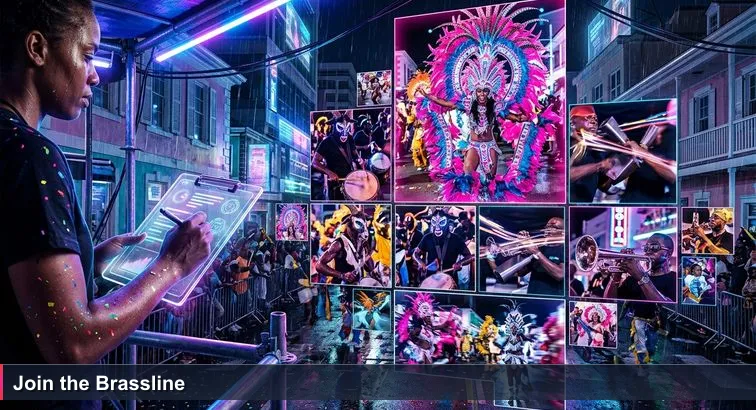
The brassline hits you in the chest before you even see the banner. By the time the Valley rushes past Rawson Square, one Junkanoo judge is still staring at a cramped scoring sheet, trying to squeeze an entire universe of sound and colour into one line: “Overall Performance - 9.3”. Confetti sticks to their arm; the goatskin drums drown out their thoughts.
From scorecard to street
That’s what most “Top 10 careers” lists do to AI in The Bahamas. On paper, it’s one neat label: “AI jobs”. On Bay Street, it’s cowbells, brass, dancers, banner, off-the-shoulder section - each with its own rhythm and role. Our AI job market has the same hidden sections: Central Bank analysts tuning Sand Dollar models, Atlantis teams testing guest personalisation, BPL engineers forecasting solar output, GBPA staff optimising Freeport’s port traffic, BTC and Cable Bahamas squeezing more bandwidth out of aging infrastructure.
National leaders are blunt that this isn’t optional. Non-resident ambassador Sebastian Bastian has warned that The Bahamas “cannot afford to be left behind” and must use AI and data analytics to turn local organisations into agile, innovative entities. A Nassau op-ed calling to “future-proof The Bahamas” through AI adoption makes the same point from the private sector side: skills, not slogans, will decide who benefits.
“We cannot afford to be left behind… we must adopt AI and data analytics to transform Bahamian organisations.” - Sebastian Bastian, Non-resident Ambassador
Why this matters for Bahamian paycheques
Local tech CEO Chris Humes estimates that Bahamian businesses using AI well are seeing up to 40% better efficiency and 30% lower operating costs. Layer that on top of Nassau’s no personal income tax and a wage premium often around 50% higher than similar AI roles in Kingston or Bridgetown in finance and high-end tourism, and suddenly “staying home” looks like the smarter financial model.
For you, that means AI careers are not limited to Big Tech abroad. They live inside familiar uniforms: at banks rolling out Sand Dollar products, at resorts on Paradise Island, at utilities, ports, and government agencies. The “Top 10 industries” list that follows is the clipboard view - useful, but incomplete. Your real job is to step off the bleachers, pick the section you want to rush with, and use training pipelines from UB and bootcamps like Nucamp to plug your skills into real Bahamian problems - and collect those BSD paycheques right here in Nassau.
Table of Contents
- Why AI Careers in The Bahamas Matter
- Fintech & Banking
- Education & Edtech
- Tourism & Hospitality
- Government & Public Sector
- Maritime & Port Operations
- Energy & Utilities
- Financial Services & Insurance
- Real Estate & Proptech
- Logistics & Supply Chain
- Healthcare & Biotech
- Conclusion: Choosing Your Section
- Frequently Asked Questions
See role breakdowns and salary ranges in our complete guide to AI careers in the Bahamas (2026).
Fintech & Banking
On a Nassau workday, this is the section of the “AI Junkanoo group” that keeps the financial rhythm steady: Central Bank teams watching Sand Dollar flows in real time, risk analysts at RBC and Scotiabank tuning credit models, compliance officers at CIBC FirstCaribbean testing new AML dashboards. It’s not flashy, but it’s where AI decisions can literally move millions of BSD with a few lines of code.
What you actually do all day
Inside local banks, trust companies, and the Central Bank, AI-focused roles cluster around a few high-stakes problems:
- AI Compliance Specialist / AML Analytics Officer - building models that flag suspicious Sand Dollar and wire patterns while satisfying strict AML/KYC rules.
- Model Risk Manager - validating credit, liquidity, and stress-testing models so regulators sign off.
- CBDC Data Engineer - piping Sand Dollar transaction data into secure analytics platforms.
Global hiring analyses, like HRFinEase’s fintech trends review, show that compliance, fraud detection, and risk modelling are the fastest-growing AI roles in financial services, which maps exactly to what Bahamian institutions are building.
Why the paycheque hits different in Nassau
Because these systems touch money, salaries run high by local standards: expect roughly BSD 65,000 - 110,000+, with senior risk and model roles toward the top end. Most positions sit in downtown Nassau or on nearby corporate campuses, so you’re a short commute from the Central Bank, major commercial banks, and policy-makers. Add Nassau’s no personal income tax, and your take-home from an on-island role can rival mid-level AI jobs in larger cities once rent and taxes are factored in.
Who can transition into this lane
This is one of the most accessible AI paths for people already in finance. If you’ve worked in banking, compliance, audit, or accounting and you add Python, SQL, and basic machine learning, you become exactly the “bilingual” hire recruiters want: someone who can speak both regulations and regression. You may not be inventing new neural network architectures, but you’ll be applying proven models to problems that matter for national financial stability - and getting paid in BSD to do it from Nassau, not from a cubicle in Silicon Valley.
Education & Edtech
In the national AI “Junkanoo group”, education is the backline keeping everyone on time. Lecturers at the University of The Bahamas, instructional designers inside the Ministry of Education, trainers in HR departments, and bootcamp instructors are the ones turning buzzwords into actual Bahamian skills. Many of the first paid AI roles here sit in this sector, with positions like Instructional AI Designer, Edtech Data Analyst, Virtual Learning Architect, and AI Bootcamp Instructor typically earning around BSD 45,000-78,000 in local institutions.
Why this lane matters
The Government has been clear that Bahamians must “learn to survive in a world of AI,” using initiatives like DigiLearn to push AI literacy into classrooms and workplaces. In its own words, education policy links digital skills directly to economic survival, as laid out in the Ministry’s “Learning to Survive in a World of AI” statement. Globally, the AI-in-career-development space is expanding fast, with market analysts estimating growth of roughly 25% compound annually, which signals long-term demand for trainers who can teach AI, not just use it.
How Nucamp fits into the ecosystem
Nucamp has become a practical bridge for Bahamians moving from hospitality, banking, or teaching into AI-enabled roles. Its programs are priced between BSD 2,124 and BSD 3,980, compared to overseas bootcamps that often start around BSD 10,000. The 25-week Solo AI Tech Entrepreneur Bootcamp (BSD 3,980) focuses on building AI-powered products and agents, while the 15-week AI Essentials for Work program (BSD 3,582) helps working professionals plug tools like ChatGPT into their day jobs. With an employment rate of about 78% and a 4.5/5 Trustpilot rating, Nucamp shows that affordable, structured training can actually move Bahamians into tech roles.
| Program | Duration (weeks) | Tuition (BSD) | Main Focus |
|---|---|---|---|
| Solo AI Tech Entrepreneur | 25 | 3,980 | AI products, LLMs, agents, SaaS monetisation |
| AI Essentials for Work | 15 | 3,582 | Workplace AI, prompt engineering, productivity |
| Back End, SQL & DevOps with Python | 16 | 2,124 | Python, databases, DevOps foundations for AI/ML |
What this means for your career
For a Bahamian teacher, hotel supervisor, or bank clerk, this sector is often the first stop on the AI parade route. You might start as a learner in a Python or AI bootcamp, then step into roles designing digital curricula, analysing student or employee performance data, or leading AI upskilling inside a Nassau employer. Education and edtech won’t always have the highest salaries on this list, but they offer one unique perk: you’re not just chasing your own promotion; you’re helping the rest of the country keep time with the AI brassline.
Tourism & Hospitality
In the parade of AI industries, tourism and hospitality is the big, glittering banner section. On Paradise Island and Cable Beach, AI is already hiding under the costume at places like Atlantis, Baha Mar and Sandals: shaping rates behind the scenes, powering guest chatbots, and quietly trimming utility bills in massive towers that never really sleep.
How AI is changing resort life
Local resorts and event companies are moving beyond spreadsheets into applied AI that touches guests directly. Common use cases include:
- Dynamic room pricing that updates daily based on demand forecasts and competitor signals.
- 24/7 chatbots for pre-arrival questions, upgrades, spa bookings and on-property service requests.
- Energy and climate-control systems that learn occupancy patterns and shave peak usage in towers and villas.
- AI-assisted content creation for weddings, conferences and destination marketing campaigns.
An AI specialist told The Nassau Guardian that artificial intelligence can significantly boost The Bahamas’ “top vertical market” - tourism - especially through better personalisation and pricing, echoing global analyses like Medium’s reviews of AI-heavy industries that consistently highlight travel and hospitality.
Roles, pay, and where you fit
Typical roles in Nassau and the Family Islands include Personalisation Engineer, Revenue Management AI Analyst, Demand Forecasting Specialist, and AI-powered Content Strategist. Salaries generally fall between BSD 55,000 and 95,000, depending on the property and seniority, with higher bands at large integrated resorts.
A strong lane for industry insiders
This is one of the easiest AI pivots if you already understand the hotel game. People coming from front office, reservations, revenue management, or events bring deep knowledge of seasonality, RevPAR and group business. Add Python, basic machine learning, and a comfort level with tools like property-management and CRM systems, and you can become the “translator” between data teams and operations. You may not be inventing new algorithms, but your models can shift tens of thousands of BSD in high-season revenue - and you collect that impact with a tax-free paycheque in Nassau instead of chasing visas abroad.
Government & Public Sector
Government is the quiet rhythm section of our AI Junkanoo group: not always on the flyer, but shaping everything the crowd feels. In Nassau, that means teams inside the Office of the Prime Minister, DICT, NEMA, and the Ministries of Education and Health experimenting with automation, data platforms, and decision-support systems that affect every resident, from business licence renewals to hurricane shelters.
Where AI shows up in public service
AI-focused public-sector roles usually sit at the intersection of IT, policy, and operations, with titles like Automation Architect, e-Government Systems Integrator, Disaster Response Data Scientist, and AI Policy Analyst earning around BSD 50,000-85,000, depending on ministry and seniority. Day to day, these roles work on:
- e-Government portals that route licences, permits and social benefits more efficiently.
- Predictive models for hurricane impact, evacuation routes, and shelter capacity with NEMA.
- Education and health analytics to track student outcomes and manage hospital pressures.
Projects already on the table
The Department of Information and Communications Technology’s public roadmap of “Projects in the Works” highlights foundations that are natural homes for AI: a national digital ID, integrated e-services, and shared data platforms. A separate government statement on “advancing strategies to take advantage of the benefits of AI” links these projects directly to higher productivity and better public service delivery, not just tech for its own sake.
Why this lane matters for Bahamian talent
Because government systems touch every citizen, AI here raises questions about privacy, bias, and transparency sooner than in most private companies. That gives Bahamian AI professionals rare early-career exposure to policy and ethics alongside code and data. It’s a natural fit if you come from civil service, project management, GIS, or emergency management and add Python, SQL, and analytics skills. Salaries may sit mid-range on this list, but the impact is national scale: better hurricane prep, faster paperwork, and public services that feel less like a line on Bay Street and more like a well-tuned parade.
Maritime & Port Operations
On the trade side of our national parade, maritime and port operations are the brassline keeping containers, fuel, and cruise passengers moving in time. From Freeport’s container terminal to Nassau Cruise Port’s berths, AI is starting to sit behind the scenes - scheduling ships, monitoring cranes, and helping staff squeeze more throughput out of fixed waterfront.
AI roles here often wear hard hats as well as headsets. Job titles like Port Automation Specialist, Logistics AI Consultant, Maritime Data Engineer, and Vessel Routing Analyst typically earn around BSD 60,000-100,000. Key employers include the Grand Bahama Port Authority (GBPA), Bahamas Maritime Authority, Nassau Cruise Port, and ship-management and logistics firms that base their regional operations in Freeport and Nassau. GBPA’s Tech Edge 2.0 initiative, highlighted in local business coverage, explicitly targets Bahamians (including the diaspora) with tech and AI skills to support this digital shift.
On the ground - or rather, on the dock - AI is being used for:
- Predictive maintenance on cranes, berths, and fleet assets to cut unplanned downtime.
- Berth, yard, and gate optimisation so ships spend less time waiting offshore.
- Automated document analysis for complex maritime contracts, bills of lading, and compliance forms.
An in-depth analysis of AI in port operations stresses that human oversight remains crucial, especially when algorithms propose changes to safety-critical routines. That aligns with Bahamian realities: Freeport’s special economic zone lets companies pilot new digital workflows quickly, but union rules, safety regulations, and hurricane risk still demand experienced people in the loop.
For career changers from port operations, shipping, customs, or logistics, this lane is attractive. Much of the work involves turning tacit knowledge about tides, berth conflicts, and paperwork bottlenecks into data features and optimisation rules. You probably won’t be inventing new AI techniques - but you will see your models show up as faster turnarounds, lower demurrage bills, and steadier work for teams across the harbour.
Energy & Utilities
If tourism is our glitter, energy is the generator truck pulling the whole parade. When the lights flicker in Nassau or Abaco, everybody feels it. That’s why utilities are leaning hard into AI: every percentage point of efficiency saves real money on fuel, reduces blackouts, and eases political pressure.
AI-heavy roles here include Smart Grid Analyst, Renewable Energy Forecasting Specialist, Utility Data Scientist, and Asset Performance Engineer, with salaries typically around BSD 58,000-92,000. The big players are Bahamas Power & Light, Grand Bahama Utility Company, independent solar developers, and water and wastewater utilities building out smarter networks across the islands.
The Davis Administration’s plan to secure The Bahamas’ energy future calls for utility-scale solar, microgrids, and advanced metering infrastructure. All of that depends on people who can turn raw data into reliable decisions. Day to day, AI teams typically work on:
- Load forecasting by island and feeder to reduce outages and expensive diesel peaking.
- Renewable forecasting so solar farms and microgrids integrate smoothly without destabilising the grid.
- Predictive maintenance for transformers, lines, and generators to catch failures before they cause blackouts.
- Smart-meter analytics to detect theft, leaks, or unusual consumption patterns.
For Bahamians with electrical engineering, SCADA, or field operations experience, this is an especially strong pivot: add Python, statistics, and basic machine learning and you can move from “keeping the lights on” manually to designing the systems that predict when and where problems will hit. You’re not just improving a balance sheet; on small islanded grids where there’s no big neighbour to lean on, your models help decide whether the parade stays lit or goes dark.
Financial Services & Insurance
Beyond the core banks and Sand Dollar teams, there’s another money-focused section of the AI Junkanoo group: insurers, captive managers, and wealth firms quietly wiring algorithms into their spreadsheets. From offices in downtown Nassau and along West Bay Street, they’re using models to price hurricane risk, speed up claims, and understand high-net-worth clients across the region.
Typical roles here include Insurtech Data Scientist, Catastrophe Risk Modeler, AI Claims Automation Specialist, and Wealth Analytics Manager. Salaries generally fall around BSD 62,000-105,000, with the upper end at firms handling complex regional portfolios or captive structures. Employers range from Bahamas First and Colonial Group International to local brokerages, captive insurance managers, and trust and wealth firms serving clients across the Caribbean, Latin America, and beyond.
Day to day, AI teams in these organisations work on problems such as:
- Catastrophe modelling that captures our specific Atlantic hurricane patterns and storm-surge risks.
- Claims triage and automation, so payouts move faster after a major weather event or large loss.
- Customer value and churn models to retain profitable policies and spot cross-sell opportunities.
- Portfolio analytics for wealth managers balancing multi-currency, multi-jurisdiction assets.
Globally, financial and insurance services are among the most active adopters of AI talent. The PwC AI Jobs Barometer highlights sustained growth in AI-related hiring in these sectors, reflecting exactly what’s happening in Nassau’s insurance and trust clusters.
If you come from actuarial work, underwriting, claims, accounting, or investment analysis, this is a natural pivot. Add Python, statistics, and some machine-learning basics, and you can move from manually crunching numbers to designing the models decision-makers lean on. It’s meticulous work in a heavily regulated space, but it sits at a rare intersection of climate science, finance, and law that very few professionals in the region can claim - making Bahamian experience in this lane highly exportable.
Real Estate & Proptech
Real estate is one of the biggest wealth engines in The Bahamas, and AI is fast becoming the hidden wireframe under the costume. From luxury condos at Cable Beach to mixed-use projects in western New Providence, more of the spreadsheets, valuations, and building systems behind the scenes are being guided by algorithms instead of gut feel.
On the job board, this shows up as roles like Proptech Systems Manager, Real Estate Data Analyst, Smart Building Technician, and Digital Twin Specialist, with salaries typically around BSD 52,000 - 88,000. Employers range from agencies such as HG Christie and Morley Realty to major resort-residential developers, property managers, and condo associations that manage large, complex buildings across Nassau and the Family Islands.
Day to day, AI and analytics teams in this sector tend to work on:
- Pricing and valuation models that factor in tourism demand, foreign-buyer activity, and hurricane exposure.
- Smart building operations for energy management, access control, and predictive maintenance in high-end condos and resort communities.
- Digital twins and simulations to test design choices or retrofits before spending real money.
- Tokenised real-world assets (RWA) that let smaller investors buy fractions of major properties.
Global proptech leaders are treating AI as core infrastructure, not a side project. An overview from MRI Software on emerging proptech trends describes AI-enabled insight as a key competitive edge for real estate decision-makers, especially around revenue optimisation and operating efficiency. That’s exactly where Bahamian developers and managers are heading as they juggle luxury expectations, strict building codes, and rising climate risks.
For career changers, this lane favours people who already understand property: agents, appraisers, quantity surveyors, facility managers, even HOA board members. If you can read a site plan and a service charge statement, then add SQL, Python, and dashboarding skills, you become the person who can turn messy sales logs and utility bills into clean, actionable insight. You may be reusing standard models rather than inventing new ones, but the stakes are high: a better forecast or smarter building system can swing multi-million-dollar decisions in Nassau and Paradise Island.
Logistics & Supply Chain
Behind every stocked grocery shelf and on-time courier in Nassau is a quiet logistics section of the AI parade. In an import-heavy country, even small improvements in routing, inventory, and port timing can mean the difference between full freezers and “no shipment yet” signs at the neighbourhood shop.
AI-focused titles here include Supply Chain Manager (AI-focused), Logistics Data Specialist, Fleet Route Optimiser, and Warehouse Analytics Coordinator, with salaries typically around BSD 42,000 - 87,000. That aligns with salary surveys from ERI Economic Research Institute for Bahamian logistics roles, which place logistics associates and supply chain managers in the mid-to-high five-figure BSD range. Employers include DHL Bahamas, Tropical Shipping, MSC, AML Foods’ supply chain division, and major wholesalers and distributors moving goods through Nassau and Freeport.
- Inter-island routing optimisation for boats and planes balancing fuel, demand, and weather windows.
- Demand forecasting for food, pharmaceuticals, and hardware to cut both stockouts and costly over-ordering.
- Warehouse layout and labour planning that use historical pick data to reduce walking time and overtime.
- Port and customs analytics that spot bottlenecks in documentation, inspections, and truck turn times.
Globally, supply chain and operations are among the fastest adopters of applied AI, even when other hiring slows, because optimisation has such a direct payoff. In The Bahamas the stakes are higher: our dependence on imports means a misjudged forecast or poorly optimised route can ripple into empty shelves and frustrated families, especially during hurricane season or global disruptions.
For Bahamians already working as logistics coordinators, warehouse supervisors, purchasing officers, or operations managers, this lane is a natural upgrade. Most transitions start by moving from Excel to SQL and Python, then learning standard forecasting and optimisation techniques. You’ll wrestle with messy data - handwritten bills, inconsistent SKUs, legacy systems - but you’ll also see immediate, tangible results: fewer “out of stock” notices, smoother mailboats, and a supply chain that keeps the parade moving across every island.
Healthcare & Biotech
Walk into a radiology room at Doctors Hospital or Princess Margaret, and the AI isn’t the robot from a movie; it’s the decision-support software quietly marking suspicious pixels before the consultant takes a second look. Healthcare and biotech here are smaller than tourism or finance, but they form a high-impact, skills-hungry section of the AI parade.
Common roles include AI Healthcare Researcher, Clinical Data Analyst, Bioinformatics Technician, and Diagnostic AI Operator, with typical salaries around BSD 53,000 - 87,000. Highly specialised biotech engineers can earn more, and international benchmarks for biotechnology engineer salaries in The Bahamas confirm that advanced technical skills in this space command a premium. Employers range from major hospitals and private clinics to diagnostic labs and regional research collaborations that often plug into US or Latin American networks.
- Diagnostic imaging analysis where AI highlights potential tumours or fractures for human review.
- Risk scoring and triage for chronic illnesses, helping limited staff prioritise high-risk patients.
- Lab analytics and bioinformatics supporting everything from genetic tests to epidemiological studies.
- Operational analytics to reduce wait times, manage bed capacity, and forecast demand for key services.
Global biotech salary and demand reports point to a persistent shortage of AI-literate professionals in life sciences. That shortage is amplified in small markets like ours, where systems still need to comply with local medical privacy rules while integrating with foreign insurers, labs, and telemedicine providers. Often, Bahamian teams aren’t building brand-new algorithms; they’re adapting proven tools to our smaller datasets, mixed public/private systems, and regional disease patterns.
This lane is particularly strong for nurses, lab technologists, pharmacists, and health administrators who pick up Python, statistics, and data-wrangling skills. You may have less access to flashy research hardware than a big-city teaching hospital, but you gain something else: daily collaboration with clinicians and patients, and a clear line of sight between your models and real-world outcomes across Bahamian communities.
Conclusion: Choosing Your Section
Step back from the clipboard for a moment and picture Bay Street at 4 a.m.: brassline pushing the tempo, banners catching the breeze, off-the-shoulder dancers locking in the groove. That’s The Bahamas’ AI economy right now. Fintech, tourism, ports, energy, government, logistics, healthcare, real estate, insurance, and education aren’t competing for one “Overall Performance” score; they’re different sections of the same national group, each with its own rhythm and space to join.
The real question isn’t “What’s the #1 AI industry?” It’s “Where does your temperament fit?” If you like regulations and numbers, lanes like fintech, banking, and insurance reward patience and precision. If you’re operations-minded and people-facing, tourism, logistics, and government services let you see your models play out in real time. If resilience and sustainability speak to you, energy, ports, and healthcare put your skills against hurricanes, blackouts, and clinical bottlenecks. And if you want to build the pipeline, education and edtech give you a front-row role in training the next wave of Bahamian talent.
Whatever lane you choose, the Nassau context changes the payoff. You’re working in a country with a live central bank digital currency in the Sand Dollar, a growing fintech and startup scene, and major employers like Atlantis, BTC/Flow, RBC, and the University of The Bahamas all starting to depend on AI-literate staff. Global AI-in-career-development research shows that workers who deliberately build AI skills enjoy stronger wage growth and mobility; in a no-income-tax environment, that advantage lands directly in your take-home pay.
The remaining variable is how you get skilled up. Some Bahamians will go the traditional degree route; others will use focused bootcamps and short courses. Programs from providers like Nucamp, priced in the low four-figure BSD range with options spanning workplace AI, Python/SQL foundations, and solo AI entrepreneurship, are designed exactly for career changers who can’t pause life for a full-time campus. The path forward isn’t to stand on the sidewalk judging which industry “wins,” but to pick your section, commit to structured learning, and step into the parade with skills the whole group can feel.
Frequently Asked Questions
Which industry should I target first for AI jobs in The Bahamas?
Target fintech and banking first - working on the Sand Dollar and AML/model risk roles is the hottest lane, with senior roles paying roughly BSD 65,000-110,000+. Nassau’s advantages (no personal income tax, proximity to the Central Bank, local banks and fintechs) mean higher take-home pay and faster hiring than many other sectors.
How do AI salaries in The Bahamas compare to nearby Caribbean markets?
AI roles in Nassau often command a wage premium of around 50% over similar roles in Kingston or Bridgetown for finance and high-end tourism; for example, fintech roles can be BSD 65,000-110,000 while tourism roles range BSD 55,000-95,000. Add in no personal income tax and the effective advantage to living and working in Nassau becomes significant.
Can I move into AI from hospitality or banking without a computer science degree?
Yes - applied AI roles prize domain expertise plus practical skills like Python, SQL and basic ML, and many employers hire career changers from hospitality or banking. Upskilling through local-friendly bootcamps such as Nucamp (programs from about BSD 2,124-3,980 and reported ~78% employment outcomes) is a common, effective pathway.
Which local employers in Nassau and Grand Bahama are hiring AI talent right now?
Major local employers include the Central Bank of The Bahamas, Atlantis Paradise Island, BTC/Flow (Cable Bahamas/Liberty Latin America operations), major banks (RBC, Scotiabank, FirstCaribbean), GBPA and the University of The Bahamas. These organisations run active projects across CBDC analytics, personalised tourism, telecoms optimisation and port/logistics automation.
What specific skills get you hired fastest for applied AI roles here?
Practical skills like Python, SQL, data engineering, basic ML, and cloud deployment combined with domain knowledge (AML for fintech, RevPAR and forecasting for tourism, or grid modelling for energy) are in highest demand. Short, focused courses - for example Nucamp’s Back End, SQL & DevOps with Python - provide the most direct route from upskilling to entry roles.
See this ranked roundup: Top tech jobs in the Bahamas that don’t require a degree - 2026.
Top AI & Tech Bootcamps in the Bahamas for Nassau job market (2026)
Our guide to Cost of Living vs Tech Salaries in the Bahamas shows how Sand Dollar, BTC jobs, and Atlantis roles factor into pay.
Complete guide: Who’s hiring cybersecurity professionals in The Bahamas and what they pay
Read the top ranked tech employers in The Bahamas 2026 to find opportunities at BTC, Liberty, RBC, and more.

Irene Holden
Operations Manager
Former Microsoft Education and Learning Futures Group team member, Irene now oversees instructors at Nucamp while writing about everything tech - from careers to coding bootcamps.