









Top 10 Free Tech Training at Libraries and Community Centers in Finland in 2026
By Irene Holden
Last Updated: April 13th 2026
Too Long; Didn't Read
Helsinki Central Library Oodi's Urban Workshop and MOOC.fi by the University of Helsinki are the top free tech training resources in Finland in 2026, offering hands-on access to professional equipment and university-grade courses. Oodi enables practical learning with tools like 3D printers, while MOOC.fi's Elements of AI course has educated over 1% of Finland's population, providing a strong foundation for local tech careers. These curated public resources support zero-cost skill development in Finland's innovation hubs.
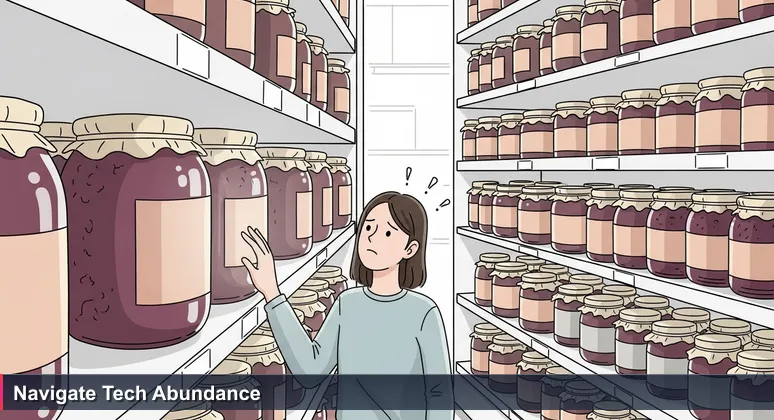
That familiar paralysis of choice, faced in a supermarket aisle, mirrors the modern learner's dilemma. An ocean of free online courses, tutorials, and tools promises a tech career, yet discerning a credible, efficient path aligned with Finland's job market is the real challenge. This is where Finland's public infrastructure becomes the essential guide.
Instead of adding to the noise, Finland's libraries and community centres have evolved into curated innovation hubs. These physical spaces provide not just free access to technology, but the expert human guidance to navigate it. They act as the "tasting spoons" of the tech world, transforming overwhelming data into a coherent learning journey rooted in community support.
The impact is measurable. Initiatives like the University of Helsinki's Elements of AI course have reached over 1% of Finland's entire population, a global benchmark for public AI literacy driven by this accessible, trusted ecosystem. For anyone in Helsinki, Espoo, or Tampere pursuing a career in AI or web development, this network offers a zero-cost foundation to build upon, directly connecting you to the local tech clusters and employer needs.
Table of Contents
- Start Your Tech Journey
- Helsinki Central Library Oodi's Urban Workshop
- MOOC.fi by the University of Helsinki
- HelMet Library Network's Digituki & E-Resources
- FITech Network University
- Hacklabs & Makerspaces
- TE-palvelut (Employment Services)
- Coding Pirates Finland
- Kansalaisopistot (Adult Education Centres)
- Library Recording Studios & VR Labs
- Library of Things & Repair Workshops
- Your 30-Day Free Learning Plan
- Frequently Asked Questions
Get everything about AI careers in Finland in 2026 from this complete guide.
Helsinki Central Library Oodi's Urban Workshop
Step into Helsinki Central Library Oodi, and you leave the concept of a traditional library behind. The Urban Workshop on its second floor is a fully equipped fabrication lab, offering professional-grade 3D printers, laser cutters, vinyl cutters, and high-spec media workstations to any citizen with a free HelMet library card.
This is hands-on, project-based learning that online courses cannot replicate. A practical example: design a case for a Raspberry Pi using free software like Tinkercad, then 3D print it for a minimal material fee. It’s peer-supported making, where staff and fellow creators offer guidance, turning abstract code into a tactile portfolio piece.
"Imagine a library where knowledge isn’t the only thing you borrow… they’re about empowering creativity, learning practical skills, and showing how sharing resources can replace unnecessary buying." - KnowledgeFactory India
Open with generous hours (Mon-Fri 8-21, Sat-Sun 10-20), Oodi embodies the modern Finnish library as a "giant community living room" for innovation. It provides the crucial physical dimension to tech learning, connecting digital skills to the maker ethos prevalent in Helsinki’s ecosystem.
MOOC.fi by the University of Helsinki
For structured, university-grade learning that forms the theoretical core of any tech career, MOOC.fi is unparalleled. Developed by the University of Helsinki’s Department of Computer Science, these courses are identical to those taken by degree students and are the engine behind Finland's ambitious digital literacy goals.
The platform's globally renowned courses offer a direct pipeline to in-demand skills. Key offerings include the phenomenon Elements of AI, which has reached over 1% of Finland's population, and comprehensive programming tracks:
- Python Programming 2026 & Java Programming: From absolute beginner to competent programmer.
- Full Stack Open: Covers modern web development with React, Node.js, and GraphQL.
Access is completely free with a simple email registration, and the self-paced format allows you to start anytime. This resource provides the indispensable academic foundation, perfectly complementing the hands-on, community-based learning found elsewhere in Finland's ecosystem. According to a University of Helsinki announcement, this initiative directly challenges the world to understand AI, making high-level education a public utility.
HelMet Library Network's Digituki & E-Resources
Beyond the flagship Oodi, the entire HelMet library network (Helsinki, Espoo, Vantaa, Kauniainen) provides critical, human-led support that bridges the gap between access and understanding. Its Digituki (Digital Help) service offers free one-on-one or drop-in sessions for everything from using a smartphone to mastering specific software.
This service addresses the initial overwhelm many learners face. As researchers confirm, librarians are actively "bridging the digital divide" by acting as a primary, neutral point of contact. Furthermore, your library card unlocks vast digital collections, most notably free, full access to the commercial platform LinkedIn Learning, with over 16,000 expert-led video courses.
This combination is powerful: immediate, personalized help for foundational issues, paired with a structured portal for deep skill development in coding, data analysis, and design. It ensures that the journey from curiosity to competency is supported at every step, seamlessly integrating with the academic rigor of MOOC.fi and the hands-on experimentation of makerspaces.
FITech Network University
For learners targeting Finland's strategic strengths in telecommunications, cybersecurity, and sustainable technology, the FITech Network University is a unique powerhouse. This consortium of Finnish universities of technology, including Aalto University, offers their credit-bearing ICT and engineering courses completely free to all permanent residents.
This is not simplified content but actual university-level study. The offering includes cutting-edge modules in 5G network technology, cybersecurity, and renewable energy systems, directly aligning with the expertise demanded by employers like Nokia and the growing Finnish cybersecurity sector. Access typically requires Finnish e-identification for the formal credit track, making it a deeply integrated part of the national education framework.
FITech represents a direct investment in the domestic talent pipeline. By removing tuition barriers for residents, it ensures the local workforce can develop the high-level, specialized skills that fuel Finland's R&D environment and tech exports, creating a clear, state-supported pathway into these critical industries.
Hacklabs & Makerspaces
For the social, collaborative, and hardware-centric dimension of tech learning, Finland’s network of community-run hacklabs is indispensable. Spaces like Hacklab Helsinki operate on a principle of radical knowledge-sharing, regularly hosting weekly "Open Nights" where anyone can walk in with a laptop and curiosity.
This is peer-led learning in its purest form. You might find someone debugging a robotics project, another building a custom keyboard, and a group experimenting with Arduino microcontrollers. It’s an environment designed to ask questions, get unstuck on a project from your MOOC course, and organically build a local network. As noted in discussions on community innovation, these hubs transform learning from a solitary activity into a shared, practical experience.
While 24/7 access typically requires a modest membership, the open nights are completely free. They serve as a low-pressure gateway into Finland’s maker community, offering the invaluable human connection and spontaneous problem-solving that completes the learning ecosystem alongside formal courses and library resources.
TE-palvelut (Employment Services)
Finland’s public employment and economic development offices, TE-palvelut, are a crucial component of the social safety net that actively supports skill building. For residents, particularly those registered as job seekers, TE offices offer free digital skill clinics and workshops focused on workplace competencies and essential software tools.
These services help bridge the gap between self-directed learning and market needs. A visit to your local TE-toimisto can provide guidance on contextualizing your free library or MOOC studies within formal frameworks like apprenticeships (oppisopimus) or other state-subsidized training paths. This public infrastructure ensures that skill development is aligned with labor market demands.
As part of Finland's robust adult education system, which, according to Eurydice data, serves approximately 1.776 million learners, TE-palvelut acts as a strategic access point. It transforms individual curiosity into a structured career pathway, leveraging the nation's supportive policies to reduce the financial risk of upskilling.
Coding Pirates Finland
For a creative, project-based introduction to technology - whether for a young person or a young-at-heart beginner - Coding Pirates Finland offers an exemplary model. This volunteer-led organization runs free workshops where participants aged 7-17 learn to code by creating games, animations, and digital art, moving beyond dry syntax to showcase the joy of creation.
In these sessions, young pirates might use visual programming tools like Scratch to build their first game or learn the basics of web design. This approach aligns with a broader Finnish ethos of introducing computational thinking early in a social, playful setting that prioritizes exploration over pressure. It turns the library or community centre into what participants describe as a vibrant workshop for imagination.
While focused on youth, Coding Pirates represents a foundational layer in Finland's tech ecosystem, fostering digital literacy and a lifelong interest in fields like game development - a major sector in Helsinki with companies like Supercell. Checking for local chapters via their website connects learners to a supportive network, embodying the community-driven spirit that makes Finland’s learning infrastructure so effective. This model demonstrates how free access to creative tools and guided play can plant the seeds for future innovation.
Kansalaisopistot (Adult Education Centres)
Municipal adult education centres, or kansalaisopistot, serve as accessible local classrooms across Finland, offering a wide array of low-cost courses and, importantly, free introductory sessions. They provide a more formal learning environment than a library drop-in, acting as a helpful intermediate step before committing to university-level studies.
The key to navigating this resource is the national course portal Ilmonet.fi. By searching for terms like "digitaidot" (digital skills), "ohjelmointi" (programming), or "tietoturva" (cybersecurity), you can discover free "taster" workshops and open-door advice sessions in your city. This allows you to sample a topic with expert guidance at zero cost.
These centres are a fundamental pillar of Finland's lifelong learning infrastructure. According to Eurydice data, the broader adult education system in Finland serves approximately 1.776 million learners. For anyone in Helsinki, Espoo, or Tampere building tech skills, kansalaisopistot offer a structured, local on-ramp to digital competency, perfectly complementing the self-paced online and community-based resources elsewhere in the ecosystem.
Library Recording Studios & VR Labs
Finland's libraries have expanded into full multimedia production hubs. Spaces like Oodi offer professional recording studios and media workstations equipped with software like the Adobe Creative Suite, available for free reservation with a library card. Similarly, many larger community centres now feature VR and gaming labs open for public use.
This access transforms recreational spaces into serious skill-building environments. You can learn video editing to produce a technical portfolio, experiment with virtual reality environment design, or create a podcast - all skills directly relevant to Helsinki's strong game development and UX design sectors. As highlighted by Oodi's Urban Workshop page, these are not just amenities but tools for digital creation.
"We love to spend time in the library… because it feels like a second living room, an extension of our home." - Anu Guttorm on LinkedIn, describing Finland's library transformation.
This philosophy turns public infrastructure into what users call a "giant community living room" for multimedia innovation. It provides barrier-free access to professional tools that would otherwise require significant private investment, embodying the Finnish commitment to equitable access for creative and technical upskilling.
Library of Things & Repair Workshops
Extending the principle of shared access, many Finnish libraries now feature a "Library of Things" where you can borrow everything from power tools to sewing machines. More importantly, some branches host free, hands-on workshops focused on repairing electronics like laptops and smartphones, moving beyond consumption to understanding.
These sessions teach critical hardware skills, logical troubleshooting, and sustainability principles. As highlighted in social discussions, this model is about "reducing unnecessary consumerism and waste" while fostering a deeper, practical relationship with technology. Learning to replace a smartphone battery or fix a laptop screen provides tangible knowledge that perfectly complements software-focused learning.
"In Finland, public libraries are redefining what it means to borrow. Beyond books, they lend tools, 3D printers, and even sewing machines..." - Unwaste The Planet on the transformation of Finnish libraries.
This initiative embodies the innovative, circular economy principles championed within Finland's tech scene. It transforms the library into a workshop for resilience and practical knowledge, ensuring that the journey toward a tech career includes an understanding of the physical devices that power our digital world.
Your 30-Day Free Learning Plan
Free resources are powerful but require a plan. This 30-day roadmap uses only the resources ranked above to build a foundational understanding of web development, a high-demand field in Helsinki's tech ecosystem.
Guiding Principle: Combine structured theory (MOOC.fi) with hands-on practice (Library) and community support (Hacklab).
- Weeks 1-2: Foundations & Navigation
- Goal: Complete Part 0 of Full Stack Open on MOOC.fi. Get your HelMet library card.
- Actions: Study 1 hour daily. Visit your library to get your card and ask about accessing LinkedIn Learning online. Browse Ilmonet.fi for any free introductory sessions at a local adult education centre.
- Weeks 3-4: Deep Dive & Community
- Goal: Complete Part 1 (React basics). Create a physical component of your journey.
- Actions: Continue daily MOOC study. Attend a free Open Night at a local Hacklab. Use a library's Urban Workshop or computers to follow a LinkedIn Learning Git tutorial and consider 3D printing a small token of your progress.
Moving Forward: After 30 days, you'll have a simple web app and community connections. Use this foundation to strategically invest in your next step: research Junior Frontend Developer roles at companies like Wolt, then choose a logical paid course at an ammattikorkeakoulu, an open university module, or visit TE-palvelut to explore funded training paths. Finland's network provides the essential, zero-risk foundation for a targeted career investment.
Frequently Asked Questions
What kind of free tech training can I actually access through libraries and community centers in Finland?
In 2026, you can access hands-on workshops like Helsinki Central Library Oodi's Urban Workshop with 3D printers and laser cutters, plus structured courses from University of Helsinki's MOOC.fi, such as 'Elements of AI' and Full Stack Open, all free with a library card or registration.
As a complete beginner, can I really use these resources to learn tech skills effectively?
Yes, resources like MOOC.fi's 'Elements of AI' are designed with no math or programming required, and HelMet libraries offer Digituki digital help sessions for personalized guidance, making it easy to start from scratch in Finland's supportive learning environment.
How will this free training help me get a job in Helsinki's competitive tech market?
These programs target in-demand skills; for example, Full Stack Open teaches web development used by companies like Wolt and Supercell, and FITech Network University offers courses in areas like cybersecurity, aligning with Helsinki's tech hub needs near Aalto University.
Are there any hidden costs or requirements for accessing these training options?
Access is mostly free, but some hands-on activities, such as 3D printing at Oodi, might involve small material fees of a few euros. Digital resources like LinkedIn Learning are included with your HelMet library card, and most services are open to residents without prerequisites.
What's the best way to start if I'm interested in AI or machine learning through these free resources?
Begin with MOOC.fi's 'Elements of AI', which has reached over 1% of Finland's population, then complement it with practice at Oodi's Urban Workshop or hacklabs, leveraging Helsinki's strong AI research clusters around Aalto University for networking and skill-building.
Understand the dual reality of Finland's tech job market in 2026 from this strategic analysis.
Find out about AI career change bootcamps in Finland with salary data.
This article lists the top companies for AI engineers in the Helsinki area in 2026.
Learn about the cybersecurity hiring trends in Finland for 2026 driven by NIS2 and NATO integration.
Explore where AI job opportunities are booming in Finland outside of big tech.

Irene Holden
Operations Manager
Former Microsoft Education and Learning Futures Group team member, Irene now oversees instructors at Nucamp while writing about everything tech - from careers to coding bootcamps.