









Who's Hiring Cybersecurity Professionals in Samoa in 2026?
By Irene Holden
Last Updated: April 26th 2026
Key Takeaways
Government agencies like MCIT, telcos like Digicel, and banks like ANZ are hiring cybersecurity professionals in Samoa in 2026, with salaries from WST 27,000 for entry-level roles to over WST 150,000 for remote positions. The launch of the National Cybersecurity Strategy has created new roles at SamCERT and critical infrastructure operators, making now the best time to enter the field.
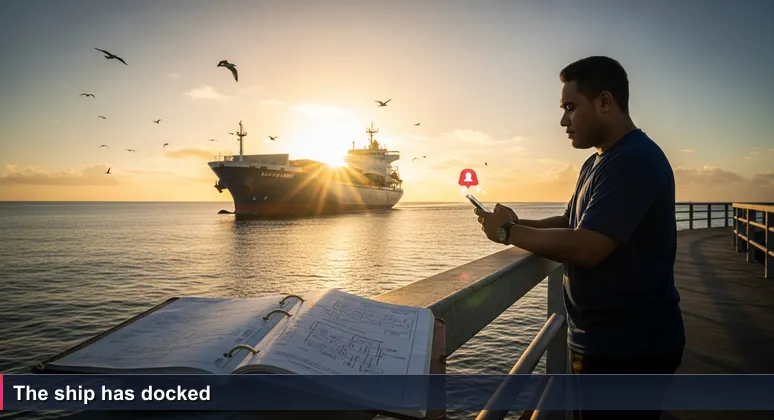
The Ship Appears on the Horizon
Stand on Mulifanua Wharf at dawn and watch the container ship materialise out of the sea haze - steel and light where there was only grey a moment before. That is precisely how Samoa’s cybersecurity job market arrived in April 2026. On the 17th, the Government of Samoa officially launched the National Cybersecurity Strategy 2025/26-2030/31, a World Bank- and UNDP-backed framework that regional specialist Elvin Prasad called “a remarkable achievement” and “a massive leap towards a secure, inclusive, and thriving digital economy.” The strategy simultaneously announced a new national incident-response capability, cybersecurity standards for critical infrastructure, and a clear signal: Samoa is now hiring for security - and hiring seriously.
For most of us, these roles felt like rumours not long ago. The Tui-Samoa submarine cable switched on, mobile money surged, and centralised e-health records at Tupua Tamasese Meaʻole Hospital went live - yet the talent pipeline remained a trickle. 74% of organisations globally report an active shortage of cybersecurity talent in 2026, and Samoa is no exception. The jobs are real: government roles from WST 27,000 entry-level to WST 94,624 senior, telco and bank positions between WST 45,000 and WST 110,000, and remote roles clearing WST 150,000+. But the “how do I get hired?” question remains the quiet reef many Samoans hit.
That email notification on your phone - “Cybersecurity Analyst, Apia-based, remote hybrid” - is not a mirage. The ship has docked. What matters now is whether you have packed your gear. The gangplank is lower than you think: a CompTIA Security+ certification (WST 1,500), a helpdesk role at Digicel or Vodafone, a six-month professional certificate at the National University of Samoa or USP Alafua campus. The transition from “I help people reset passwords” to “I protect the national cable” is a 12- to 18-month journey, not a miracle. This guide is your chart. Let’s navigate the hiring landscape together.
In This Guide
- Introduction: The Cybersecurity Job Market Opens in Samoa
- Government & Public Sector: The New Frontline
- Telcos & Connectivity: Protecting the Tui-Samoa Cable
- Financial Services: AML, Fraud, and Regional Scale
- Local Tech Firms & Startups: The Pacific’s Security Scene
- Education & Regional Multilaterals: Building the Pipeline
- Remote & Regional Opportunities: The WST 150,000+ Frontier
- Training Pathways: How to Get Certified (Without Leaving Samoa)
- How to Get Hired: A Samoan’s Action Plan
- Conclusion: The Ship Has Docked
- Frequently Asked Questions
Learn how to start an AI career from Samoa with this complete guide for 2026.
Government & Public Sector: The New Frontline
Roles and Salary at the Ministry
The Ministry of Communications, Information and Technology (MCIT) is the nerve centre of Samoa's cybersecurity hiring push. Through the Digitally Connected and Resilient Samoa Project, funded by the World Bank, MCIT is building a new national incident-response capability called SamCERT. Active roles include the Principal Cyber Emergency Incident Handling Officer (the lead at SamCERT), an IT Officer - Digital Transformation securing citizen-facing platforms, and an ACEO ICT management role paying WST 94,624 per annum. Entry-level IT officer positions start at WST 27,000 and provide the most direct on-ramp into security work.
Protecting Critical National Infrastructure
Government cybersecurity professionals face unique threats that commercial roles rarely touch. The Electric Power Corporation (EPC) and Samoa Water Authority operate legacy industrial control systems never designed for modern network segmentation - a single vulnerability in a programmable logic controller could disrupt power to entire districts. At Tupua Tamasese Meaʻole Hospital, sensitive national health records require constant protection against ransomware and insider threats. Certifications valued here include CISA for auditing government systems, GIAC for incident response, and foundational CompTIA Security+.
How to Board This Track
Start with an entry-level IT officer role at any ministry, hospital, or state enterprise. The Samoa Public Service Commission lists contract vacancies regularly, and many roles do not require prior cybersecurity experience - only solid IT fundamentals and a willingness to learn. Once inside, pivot to security through internal secondments or study support. Government employers often fund the certifications you need along the way, making this the most accessible pathway for Samoans who want to stay home while building a career that protects the nation.
Telcos & Connectivity: Protecting the Tui-Samoa Cable
The Cable's Guardians
Samoa’s entire digital economy arrives on a thin strand of glass fibre called the Tui-Samoa Cable - a single point of failure vulnerable to ship anchors, tsunamis, and state-sponsored espionage. The network security teams at Digicel Samoa, Vodafone Samoa, and the Samoa Submarine Cable Company (SSCC) are the frontline defenders. Active roles include Network Security Engineer, configuring carrier-grade firewalls and implementing DDoS mitigation at the ISP backbone, and Infrastructure Security Specialist, managing both physical and logical security of subsea cable landing stations and data centres. As Digicel Samoa’s recent Facebook recruitment posts show, the company actively seeks local IT professionals to fill security-critical roles.
Salary, Certifications, and the Entry Point
Telco cybersecurity salaries range from WST 45,000 for early-career engineers to WST 95,000 for specialised management positions. Employers demand CCNP Security, Fortinet NSE, or CompTIA Security+ certifications, but the most accessible entry point is a helpdesk or network technician role. Many current Samoan security analysts working in remote SOCs started on those same telco helpdesks, building the networking fundamentals that later convert into security specialisation. As one Reddit community member put it:
“Cybersecurity is not a field you walk straight into from a uni degree. Success stories often involve starting in foundational IT roles like helpdesk or sysadmin.”
The distinct challenge of telco security in Samoa is geopolitical: when the Tui-Samoa Cable went down briefly in 2022 due to a ship anchor, the entire nation lost connectivity. Telcos now actively recruit security analysts who understand both maritime risk and advanced persistent threats. For early-career Samoans, a helpdesk role at Digicel or Vodafone is the most reliable on-ramp, and the improving digital infrastructure means those jobs lead directly into the security roles that protect the nation’s only connection to the world.
Financial Services: AML, Fraud, and Regional Scale
Banks Under a Microscope
Banks in Samoa operate under relentless scrutiny. International financial systems demand strict anti-money laundering (AML) compliance and data privacy standards, yet the local talent pool remains thin. That supply-demand gap makes ANZ Bank Samoa and Bank of South Pacific (BSP) two of the most consistent cybersecurity hirers in the country. Active roles include Governance & Compliance Analyst, navigating regional financial regulations and conducting risk assessments, and Fraud Analyst, monitoring remittance flows and payment operator security as mobile money adoption surges. Salaries range from WST 50,000 to WST 110,000, often aligned with regional ANZ and BSP scales that outpace pure government pay.
The Remittance Security Case
A local Samoan credit union recently suffered a business email compromise attack that cost WST 80,000. The response was instructive: the credit union hired a compliance analyst from the local IT pool and seconded them to an ANZ security training programme. That single event created a career springboard. Employers in financial services value CRISC, CISSP, and CISM certifications, but they also value practical understanding of how remittance flows work in a Pacific context - a skill no textbook teaches.
Pathway to Regional Mobility
BSP operates across seven Pacific countries and strategically posts regional leadership roles from its headquarters in Port Moresby. For example, BSP recently advertised for a Team Lead - Information Security Administration based in Papua New Guinea. While those top jobs are often located in Fiji or PNG, the pathway is clear: perform well in a Samoan branch, and you become a candidate for regional mobility within the bank. The global cybersecurity job market confirms that financial services roles are among the most consistently posted vacancies in 2026, and Samoan professionals who invest in compliance and governance certs position themselves for both local stability and regional advancement.
Local Tech Firms & Startups: The Pacific’s Security Scene
Three Firms Building Security from Day One
A small but growing ecosystem of Samoan-owned technology companies is embedding cybersecurity into their products from the ground floor. These firms often offer more ownership, faster advancement, and greater visibility than larger employers. TuiSoft Solutions in Vaitele, listed among the best software companies in Samoa for 2026, focuses on fintech and remittance software with PCI-DSS certified security protocols - they urgently need developers who understand secure coding and penetration testing. SkyEye Samoa provides cloud migration and cybersecurity services, maintaining partnerships with AWS and Microsoft Azure, offering a direct route to cloud security certification. Lagoona Tech in Apia, described as a rising star in AI-driven analytics, values professionals who can operate in AI-native security environments.
These firms care less about years of experience and more about demonstrable skills. If you can script a basic log parser, configure a firewall rule, or explain PCI-DSS compliance, you are interview-ready. Salary ranges from WST 40,000 to WST 85,000, often supplemented with equity or performance bonuses - a structure rarely seen in government or telco roles. As security architect Taimur Ijlal observes, 2026 is the first year where “AI-native cybersecurity teams become the norm, emphasizing AI as a workforce multiplier.”
For Samoans who want to build something that scales across the Pacific, these local firms offer a unique advantage: you are not just an employee but a co-creator of the region's emerging security infrastructure. The Global Cyber Security Capacity Centre notes that small island states like Samoa benefit from context-specific security solutions - exactly the kind of work these homegrown companies are pioneering.
Education & Regional Multilaterals: Building the Pipeline
Teaching Security Where It Matters Most
The National University of Samoa (NUS) and the University of the South Pacific (USP) Alafua campus are the institutions shaping Samoa's next generation of cybersecurity professionals. Both actively hire security specialists and cybersecurity lecturers to develop and deliver local curriculum. Active roles include Digital Resilience Program Coordinator, managing donor-funded cyber capacity building through UNDP or ADB programmes, and Cybersecurity Lecturer/Trainer, building the workforce from the ground up. Salaries range from WST 40,000 to WST 85,000, with valued certifications including CompTIA Security+, CEH, or advanced academic degrees.
The Brain Drain Challenge
Balancing high academic standards with practical vocational training is uniquely difficult in Samoa. The best graduates often migrate to New Zealand or Australia for higher-paying roles, creating a constant pipeline gap. For mid-career professionals who want to stay in Samoa and shape the next generation, however, this is the most rewarding track. NUS offers short courses and vocational IT diplomas starting at WST 2,000 per module, while USP provides professional cybersecurity certificates in 6 to 12 months. The Global Cyber Security Capacity Centre notes that such local educational infrastructure is critical for small island states seeking to develop indigenous security talent.
Regional Multilaterals as Career Stepping Stones
The Asian Development Bank (ADB) maintains a Samoa/Tonga Pacific Country Office and periodically recruits for Senior Operations Officer roles that oversee digital resilience projects across the region. These positions come with international salary scales and excellent benefits, making them stepping stones to global organisations like the UNDP or World Bank. For Samoan professionals seeking to influence regional policy while living at home, these multilateral roles offer the best of both worlds: a global career anchored in Pacific soil.
Remote & Regional Opportunities: The WST 150,000+ Frontier
Global Salaries, Samoan Lifestyle
Not all cybersecurity jobs in Samoa require sitting in an Apia office. Thanks to the Tui-Samoa Cable and rapidly improving broadband access, many Samoan professionals now work remotely for firms in Auckland, Brisbane, or Suva. Active roles include SOC Analyst (Remote), providing 24/7 monitoring for Pacific operations on rotating shifts that favour Samoa’s time zone, and Cloud Security Engineer, managing AWS or Azure environments for regional clients. Salaries range from WST 80,000 to WST 150,000+, paid in AUD or NZD equivalents that stretch significantly further in Apia than they would in a major city. Globally, more than 58% of cybersecurity roles in 2026 are remote or hybrid, and the Pacific is no exception to that trend.
What You Need to Qualify
A remote role paying AUD 80,000 (approximately WST 140,000) in Samoa effectively delivers a six-figure lifestyle - your rent, food, and transportation costs remain a fraction of what they would be in Auckland or Brisbane. The non-negotiable requirements are a rock-solid home internet connection (SSCC fibre is the standard) and at least one cloud security certification: AWS Certified Security, Azure Security Engineer, or CISSP. Platforms like Himalayas list remote cybersecurity jobs specifically for Samoa-based candidates, while recruitment agencies such as Hire Resolve, Nexus IT Group, and LT Harper actively place Pacific talent into international teams.
The Real Advantage
The economics are simple: earn in a strong foreign currency while spending in Samoan tala. For mid-career professionals with three to five years of experience and a cloud security certification, this is the most lucrative frontier in Samoa’s cybersecurity market. The top cybersecurity recruitment agencies consistently confirm that remote security talent from the Pacific is in high demand, particularly for SOC and cloud roles tied to the region’s time zone. You keep the global salary and the local life - the best of both worlds, anchored right here in Apia.
Training Pathways: How to Get Certified (Without Leaving Samoa)
Learn Where You Live
Cybersecurity in 2026 is “not a field you walk straight into from a uni degree,” as the Reddit community frequently reminds newcomers - and Samoan professionals have more local training options than ever. The National University of Samoa (NUS) offers short courses and vocational IT diplomas for WST 2,000 to WST 4,000 per module, covering foundational networking and security concepts. The University of the South Pacific (USP) Alafua campus provides professional certificates in cybersecurity over 6 to 12 months, delivering a structured pathway from beginner to job-ready. UNDP and ADB also support specialised workshops and the IGF Fellowship programme, often subsidised, otherwise costing WST 6,000 to WST 10,000 for intensive multi-week formats.
Certifications That Open Doors
The following table maps the most impactful global certifications available to Samoan candidates, showing approximate costs and which local employers value them most. Many employers - especially MCIT and the major banks - will fund your certification if you commit to staying for 1 to 2 years, so always ask about professional development budgets during interviews.
| Certification | Approximate Cost (WST) | Relevance in Samoa 2026 |
|---|---|---|
| CompTIA Security+ | 1,500 | Entry-level; accepted by government and telcos |
| CCNP Security | 4,000 | Required for network security roles at Digicel and SSCC |
| Fortinet NSE | 3,500 | Telco firewall specialist roles |
| CISSP | 5,000 | Senior roles at banks and government ministries |
| AWS Certified Security | 2,000 | Remote cloud security positions |
| CEH | 3,000 | Penetration testing for local tech firms |
Stack Certs While You Work
The most practical path is to start in an entry-level IT or helpdesk role, then stack certifications one at a time while employed. CompTIA Security+ takes roughly 3 months of self-study and costs only WST 1,500, making it the ideal first step for any Samoan serious about a cybersecurity career. The MCIT annual report confirms that government agencies are actively seeking candidates with these credentials, and the improving digital infrastructure across Samoa means online study resources are more accessible than ever. From there, each additional cert builds a clearer path toward the role you want - whether that’s protecting the Tui-Samoa Cable or securing national health records.
How to Get Hired: A Samoan’s Action Plan
Two Tracks, One Destination
The cybersecurity job market in 2026 sends mixed signals globally. Chris Camacho, industry expert, notes that “visibility is no longer optional” and advises candidates to educate in public - build a portfolio, write about what you learn, share on LinkedIn. In Samoa, that visibility starts with solving real local problems rather than waiting for the perfect job title to appear on the Samoa Public Service Commission page. The transition from “I help people reset passwords” to “I protect the Tui-Samoa Cable” is a 12- to 18-month journey, not a miracle, and it follows two distinct paths depending on where you stand today.
For Early-Career Samoans
- Take an entry-level IT role first. Helpdesk at Digicel, IT support at MCIT, sysadmin at EPC. As the Reddit community confirms, you start in foundational roles and grow into security.
- Stack certs while you work. Use NUS evening courses or self-study for CompTIA Security+. It costs WST 1,500 and takes 3 months.
- Network in the right rooms. The new SamCERT runs tabletop exercises and workshops. Attend them. The people running those events are the same ones hiring.
- Apply for government graduate programmes. MCIT and the Samoa Public Service Commission regularly hire ICT officers. The entry salary of WST 27,000 is modest, but the experience is unmatched.
For Mid-Career Professionals Pivoting
If you already work in law enforcement, customs, or regulatory roles, you understand threat investigation. Get a GIAC certification and apply to SamCERT or the Ministry of Justice’s digital forensics unit. If you work in finance, transition to a compliance analyst role at ANZ or BSP. The CRISC certification takes 4 months and qualifies you for governance positions. The Governments of New Zealand and Australia also fund cybersecurity capacity-building programmes that include paid secondments for Samoan professionals - watch for calls from MCIT and UNDP.
The key insight is this: don’t wait for a perfect “cybersecurity” job listing. The engineers who protect the Tui-Samoa Cable started as network technicians. The analysts securing Tupua Tamasese Meaʻole Hospital’s patient records started as hospital IT support. Your boarding pass is not a degree - it is a certification earned while you worked, a network connection made at a workshop, a skill demonstrated on the job. The ship is in port. Step aboard.
Conclusion: The Ship Has Docked
The Gangplank is Down
The container vessel that appeared at Mulifanua Wharf in our opening - decks stacked high with roles at Digicel, MCIT, ANZ, and remote SOCs in Auckland - did not announce itself. It simply arrived. The National Cybersecurity Strategy 2025/26-2030/31 is the same: here, funded, and creating real jobs with real salaries for Samoans willing to invest in the right skills. The government needs you. The telcos need you. The banks need you. The question is no longer whether the opportunities exist but whether you have packed your gear.
That gear does not have to cost a fortune or require leaving home. Nucamp, an international online bootcamp serving students across Samoa and the Pacific, offers programs from WST 5,735 for a Cybersecurity Bootcamp to WST 10,746 for the Solo AI Tech Entrepreneur program - with flexible monthly payment plans designed for Samoan budgets. The Back End, SQL and DevOps with Python course (16 weeks, WST 5,735) builds the foundational skills that underpin cloud security roles. The AI Essentials for Work program (15 weeks, WST 9,671) prepares professionals for the AI-native security environment that industry experts call the new normal in 2026. With a 78% employment rate, a 4.5/5 Trustpilot rating, and community-based learning cohorts that reach outer islands, Nucamp is built for the realities of living and working in Samoa.
One student said it plainly: “It offered affordability, a structured learning path, and a supportive community of fellow learners.” Another called it “the perfect fit - flexibility to study on my schedule, while still offering great support from instructors.” The Solo AI Tech Entrepreneur Bootcamp, focused on building AI-powered products and LLM integration, directly addresses the demand for professionals who can operate where AI and security meet. The only thing missing is your boarding pass. Start with a certification, a community cohort, or a conversation with an admissions advisor. In 18 months, you will not be standing on the wharf watching the ship. You will be on the deck, signalling back to shore.
Frequently Asked Questions
Which employers in Samoa are hiring cybersecurity professionals in 2026?
The main hirers are the government (MCIT, SamCERT, ministries), telcos (Digicel Samoa, Vodafone Samoa), banks (ANZ, BSP), local tech firms (TuiSoft, SkyEye, Lagoona Tech), and remote employers in Australia and New Zealand. The National Cybersecurity Strategy launched in April 2026 has opened dedicated roles across the public sector.
What salary can I expect for cybersecurity roles in Samoa?
Salaries range from WST 27,000 (entry-level government IT) to over WST 150,000 for remote roles paying in AUD or NZD. Mid-level positions at telcos and banks typically pay WST 45,000-110,000, while senior government roles like ACEO ICT reach WST 94,624.
How can I enter cybersecurity in Samoa without prior experience?
Start with an entry-level IT support or helpdesk role at Digicel, MCIT, or a hospital. While working, earn CompTIA Security+ (WST 1,500, about 3 months) and attend SamCERT workshops. Many employers fund certifications if you commit to staying for 1-2 years.
Which certifications do Samoan employers value most?
CompTIA Security+ is the entry-level standard for government and telcos. CCNP Security is required for network roles at Digicel and SSCC, while CISSP and CISM are preferred for senior bank positions. For remote cloud roles, AWS Certified Security is key.
Can I work remotely for overseas companies while living in Samoa?
Yes, thanks to the Tui-Samoa Cable, many Samoans work remotely as SOC analysts or cloud security engineers for firms in Auckland and Brisbane. Remote salaries range from WST 80,000 to over WST 150,000, which goes further in Samoa. Platforms like Himalayas list these roles.
Wondering if you can afford to live in Apia? This comprehensive analysis of 2026 salaries and expenses has the answers.
Explore tech job opportunities in Samoa with no degree required.
To understand the job market, learn about the best Samoan industries for AI jobs in 2026.
Don't miss everything you need to know about AI salaries in Samoa in 2026 before applying.
Our list of the best AI bootcamps in Samoa includes pricing, duration, and employer demand.

Irene Holden
Operations Manager
Former Microsoft Education and Learning Futures Group team member, Irene now oversees instructors at Nucamp while writing about everything tech - from careers to coding bootcamps.