









AI Meetups, Communities, and Networking Events in Pittsburgh, PA in 2026
By Irene Holden
Last Updated: March 20th 2026
Key Takeaways
In 2026, Pittsburgh's AI networking scene offers essential meetups and events that connect you directly to the city's deep talent pipeline from Carnegie Mellon University and major employers like UPMC. Weekly gatherings such as Claude Code Saturdays draw over 150 developers, while annual summits attract thousands, all supported by a cost of living 30-40% lower than coastal tech hubs and a top 10 ranking for AI venture investment. This vibrant ecosystem is your key to career growth and practical skill-building in one of America's emerging AI hubs.
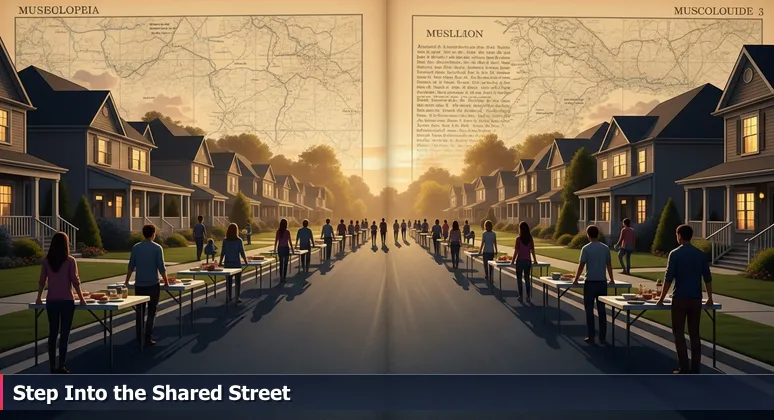
That moment when a familiar street becomes a shared block party perfectly captures the shift in Pittsburgh's AI landscape. The once-isolated porches of individual study are now connected by a vibrant, collaborative ecosystem where knowledge, code, and opportunity flow freely.
This activation is built on tangible, local advantages. With a cost of living 30-40% lower than coastal tech hubs, Pittsburgh offers financial breathing room for innovators. It fuels and is fueled by a relentless talent pipeline from world-class institutions like Carnegie Mellon University and the University of Pittsburgh, creating a density of expertise that industry leaders recognize. As Gupta of Skild AI noted, “Pittsburgh brings a huge amount of dense talent... It makes you think much bigger. This is tangible.”
This environment has propelled the region into the top 10 U.S. markets for AI and autonomous vehicle venture investment. The map of a tech career here changes fundamentally. You are no longer searching for a lone guide through a foreign city; you are stepping onto a transformed street where your neighbors - from researchers and startup founders to engineers at UPMC, PNC, and PPG - are your greatest resources for growth and discovery.
In This Guide
- Welcome to Pittsburgh's AI Block Party
- Why Community is Your Most Valuable AI Tool
- Weekly Builders: Grassroots Code & Collaboration
- Monthly Connectors: Focused Learning & Local Innovation
- Major Crossroads: Annual Conferences & Summits
- Your 2026 Pittsburgh AI Community Calendar
- Networking for Everyone: A Guide for Introverts
- From Community to Career: Turning Connections into Opportunity
- Step Into the Street: Shaping Your AI Future
- Frequently Asked Questions
To understand the AI job market in Pittsburgh for 2026, refer to this guide to AI careers in Pittsburgh.
Why Community is Your Most Valuable AI Tool
Learning AI concepts in isolation is like studying your neighborhood from a window. You can memorize every architectural detail, but you'll never understand the flow of life, the shared resources, or the hidden shortcuts until you step outside. The critical gap between theoretical knowledge and practical, career-advancing skill is bridged in the communal spaces where ideas are stress-tested and the "how" is demystified by those already building.
Pittsburgh has emerged as an epicenter for this practical, human-first AI. As Zico Kolter, head of machine learning at Carnegie Mellon University, notes, the city's growing resources represent a "transformative step" that will "fundamentally change what we are able to accomplish". This transformation spills into the community through a dense network of events where the focus, as echoed by organizers of the Think!AI Summit, has moved decisively "beyond theory or hype - it’s about execution and impact."
This environment makes structured, community-based learning pathways exceptionally effective. Programs like the 15-week AI Essentials for Work bootcamp are designed to propel professionals into this live exchange, equipping them with practical prompt engineering and AI tool skills they can immediately discuss and refine within Pittsburgh's ecosystem. Your most valuable tool isn't just the code you write alone; it's the collective intelligence of the transformed street waiting outside your door.
Weekly Builders: Grassroots Code & Collaboration
These are the engine rooms of practical skill development, where the focus is on doing, debugging, and building together on a weekly basis. They are the streetlights that first illuminate the block party, turning theoretical knowledge into functioning code through collaboration.
The standout story of grassroots growth is Claude Code Saturdays. What began as niche "vibecoding" sessions have exploded into weekly events that regularly draw 150+ developers. The format is intensely practical, featuring collaborative build sessions and AI pair programming workflows. It's the premier place to move from passive prompting to building real applications, with networking that often includes Q&As with visiting engineers from leading AI firms. You can join the collaboration via the Claude Coders group on Meetup.
For those rooted in the Python ecosystem, PyData Pittsburgh serves as a steadfast hub. Monthly meetings dive deep into machine learning libraries, data engineering pipelines, and emerging tools, making it ideal for connecting with peers tackling similar technical challenges. Meanwhile, the AI Tinkerers Meetups embody a "show, don't tell" ethos, mandating that presentations be live, running code - no slides allowed. Participants describe it as the best place to share unfinished work and get real feedback in a demystifying environment, with details available on the Pittsburgh AI Tinkerers website.
Monthly Connectors: Focused Learning & Local Innovation
While weekly builders focus on hands-on coding, monthly communities prioritize depth and meaningful conversation, creating intimate settings where local innovation shines. These gatherings are the shared tables where connections deepen beyond quick introductions.
Steel City AI Innovators: Intimate & Intentional
This community intentionally caps attendance at 20-30 people for its monthly meetups, fostering an environment for accessible education and direct connection. The focus is on hands-on workshops and candid success stories from Pittsburgh founders, creating a pipeline between local practitioners and emerging startup talent. You can secure a spot via their Eventbrite page.
University-Hosted Forums: Academic Insight Meets Community
Beyond the classroom, Carnegie Mellon University and the University of Pittsburgh host public-facing events that are goldmines for cutting-edge insight. The joint CMU-Pitt Summit on Health, AI and Technology exemplifies the collaborative powerhouse the city offers, while Pitt’s DataSci+AI Forum is praised for "centering context and community," using data as a shared storytelling tool.
Code & Coffee Pittsburgh: Low-Pressure, High-Reward
Hosted monthly at Prototype PGH in Oakland, this is the ultimate low-barrier entry point. The informal "bring your laptop" setting is perfect for newcomers to get unstuck on a project or for experienced developers to offer casual mentorship over coffee, transforming solo struggles into collaborative solutions.
Major Crossroads: Annual Conferences & Summits
These are the block parties that draw the entire city and beyond, offering unparalleled scale for vision and networking. They represent the annual moments when Pittsburgh's AI street becomes a bustling boulevard, connecting local talent with global industry leaders and solidifying the region's status on the national stage.
- Robotics & AI Discovery Day: Hosted at the David L. Lawrence Convention Center, this is Pittsburgh's flagship physical AI event. In recent years, it has drawn 4,000-6,000 attendees and 130+ exhibitors, making it a non-negotiable career networking day for anyone in robotics and autonomous systems. Plan your visit through the Pittsburgh Robotics Network.
- AI Horizons Pittsburgh Summit: Recognized as a historic moment that positioned Pittsburgh as a premier "AI tech community," this summit gathers global researchers and C-suite leaders for discussions on AI in healthcare, manufacturing, and defense. The networking caliber is top-tier, reflecting the city's growing thought leadership.
- Beyond Big Data: AI/ML Summit: Presented by the Pittsburgh Technology Council, this event focuses on the practical integration of AI into business, covering generative AI, organizational efficiency, and cybersecurity. It’s ideal for understanding how local enterprises are operationalizing AI for impact.
Attending these major crossroads transforms the city's dense talent from a theoretical asset into a visible, collaborative force, opening doors that simply don't appear on job boards.
Your 2026 Pittsburgh AI Community Calendar
Building a sustainable rhythm of engagement is key to moving from occasional visitor to active community member. Here’s how a typical month unfolds, offering a blueprint to integrate Pittsburgh’s AI ecosystem into your regular schedule.
The month kicks off with Claude Code Saturday on the first weekend, an immersive session for collaborative building. The second Wednesday features the intentionally intimate Steel City AI Innovators Meetup, followed by the casual, project-focused Code & Coffee Pittsburgh on the second Saturday. The third week typically hosts either the technical deep-dives of PyData Pittsburgh or the running-code demos of the AI Tinkerers. Throughout it all, you should regularly check university event calendars from CMU and Pitt for public lectures and specialized forums.
Mark your calendar for these major annual anchors that draw the wider region:
- February: Beyond Big Data Summit (Pittsburgh Tech Council)
- April: Pitt Business Impact Conference on AI
- July: CMU AI Day
- November: Robotics & AI Discovery Day at the David L. Lawrence Convention Center
- Fall (Date TBD): AI Horizons Pittsburgh Summit
This cadence allows you to diversify your engagement - attending a grassroots coding session one week, a focused monthly meetup the next, while saving time for the large-scale summits that offer unparalleled networking. Planning around this rhythm turns community participation from a sporadic effort into a powerful career-development engine.
Networking for Everyone: A Guide for Introverts
The thought of walking into a room full of strangers can feel daunting. The key to overcoming this isn't to become an extrovert, but to shift your mindset from "networking" to "community participation." Pittsburgh's interconnected ecosystem is built for this approach, offering multiple low-pressure entry points.
Start with practical, role-based strategies. Volunteering to check people in at an event gives you a defined purpose and ensures brief, natural interactions with every attendee. Instead of collecting business cards, set a "one connection" goal: aim for one substantive conversation about someone's project or current challenge. Leverage the "Pittsburgh Advantage" by using the city's dense talent pool as a conversation starter - asking "Did you also study at CMU/Pitt?" or showing interest in how local giants like UPMC apply AI creates instant common ground.
Follow up meaningfully; a brief LinkedIn message referencing your conversation solidifies the connection. Finally, engage on digital streets first. Joining channels referred by the Pittsburgh Technology Council allows you to participate in discussions before an event, so you can look for familiar usernames and have ready-made topics to discuss in person, transforming a room of strangers into a gathering of potential collaborators.
From Community to Career: Turning Connections into Opportunity
Pittsburgh’s AI community is a living funnel for talent, where the connections forged at meetups and summits directly translate into career pathways. The city’s breakout into the Top 10 U.S. Markets for AI and Autonomous Vehicle Venture Investment is fueled by these very networks, creating a tangible bridge from learning to earning.
Engagement informs your skill development. At Robotics & Tech Happy Hours, you hear directly from engineers at Argo AI, Aurora, and startups about real technical challenges, clarifying exactly what to learn next. Collaborative sessions at Claude Code Saturdays are where you witness problem-solving skills in real-time, often leading to co-founder matches or team formation. This community-based path is reinforced by structured education; graduates of programs like the 16-week Back End, SQL and DevOps with Python bootcamp often cite the "supportive community of fellow learners" as critical to their transition, entering the ecosystem with both foundational skills and a built-in network.
"I searched and searched for a bootcamp I could afford and Nucamp was the best option for me." - Nucamp Student
Ultimately, being a recognized member of this ecosystem makes you a known quantity. When a hiring manager at a growing startup like those highlighted by the Pittsburgh Business Times asks for referrals, your name surfaces. You get referred, not lost in an automated system. This is the tangible career advantage of stepping off your porch and into Pittsburgh’s collaborative street.
Step Into the Street: Shaping Your AI Future
Your porch light is on. You’ve done the solo study, perhaps through foundational courses or by tackling online tutorials. Now, the most critical step remains: stepping into the transformed street. Pittsburgh’s AI future isn't shaped in isolation; it's built at the shared table where code meets collaboration and ideas meet execution.
This journey from learner to practitioner is supported by accessible pathways designed for this very ecosystem. For example, the project-based 25-week Solo AI Tech Entrepreneur Bootcamp equips aspiring builders with the skills to ship AI products, perfectly aligning with the "show, don't tell" ethos of Pittsburgh’s maker communities. These structured programs, noted for their affordability and flexibility, serve as powerful on-ramps, providing the foundational knowledge and confidence to actively contribute to conversations at Steel City AI Innovators or collaborative sessions at Claude Code Saturdays.
The tangible outcomes speak for themselves. Graduates of such community-focused paths often achieve an employment rate around 78%, a success fueled by the combination of structured learning and immersive community integration. As one student reflected, the perfect fit came from "affordability, a structured learning path, and a supportive community of fellow learners."
The table is set, the neighbors are gathering. Your place in Pittsburgh’s AI story awaits - not as a spectator on the porch, but as an active participant in the collective build. Come join the block party.
Frequently Asked Questions
What AI meetups and events should I prioritize in Pittsburgh in 2026?
Prioritize grassroots sessions like Claude Code Saturdays, which draw over 150 developers weekly for hands-on coding, and intimate monthly meetups like Steel City AI Innovators for deep learning. Also, save time for major annual events such as the Robotics & AI Discovery Day, which attracted 4,000-6,000 attendees in 2025.
Why is Pittsburgh a great place for AI networking compared to other cities?
Pittsburgh offers a cost of living 30-40% lower than coastal tech hubs and a dense talent pipeline from Carnegie Mellon University and the University of Pittsburgh. This, plus proximity to AI-first industries at companies like UPMC and PPG, fosters a collaborative, high-impact community.
Are there free or low-cost AI events in Pittsburgh for someone on a budget?
Yes, many events are free or affordable, such as Code & Coffee Pittsburgh at Prototype PGH and university-hosted forums at CMU and Pitt. These provide accessible ways to engage with the community without financial strain.
How can introverts or newcomers start networking at these AI events?
Try volunteering at events or setting a goal for one substantive conversation. Leverage Pittsburgh's interconnected community by asking about local AI projects or shared university backgrounds to ease into discussions.
Can attending AI meetups in Pittsburgh really help me land a job or advance my career?
Definitely. Regular participation in groups like PyData Pittsburgh or summits leads to personal referrals and insight into hiring needs, with Pittsburgh ranking in the Top 10 U.S. markets for AI venture investment in 2026.
This article provides an introduction to Pittsburgh's tech job market in 2026.
Find out which Pittsburgh firms are leading in AI recruitment for 2026 with this comprehensive guide.
Find 2026 salary bands for AI engineers in Pittsburgh in this detailed report.
For the top tech roles in Pittsburgh in 2026 that don't require a degree, see this article.

Irene Holden
Operations Manager
Former Microsoft Education and Learning Futures Group team member, Irene now oversees instructors at Nucamp while writing about everything tech - from careers to coding bootcamps.