









Who's Hiring Cybersecurity Professionals in Monaco in 2026?
By Irene Holden
Last Updated: April 18th 2026
Key Takeaways
In 2026, key hirers of cybersecurity professionals in Monaco include sectors like telecom with Monaco Telecom, luxury hospitality with SBM, and financial services, all driven by the principality's high-stakes digital infrastructure. Salaries range from 45,000 euros for junior roles to over 150,000 euros for senior positions, enhanced by Monaco's no personal income tax advantage. Success in this specialized market demands AI-augmented skills and deep sector expertise, from maritime security to financial compliance.
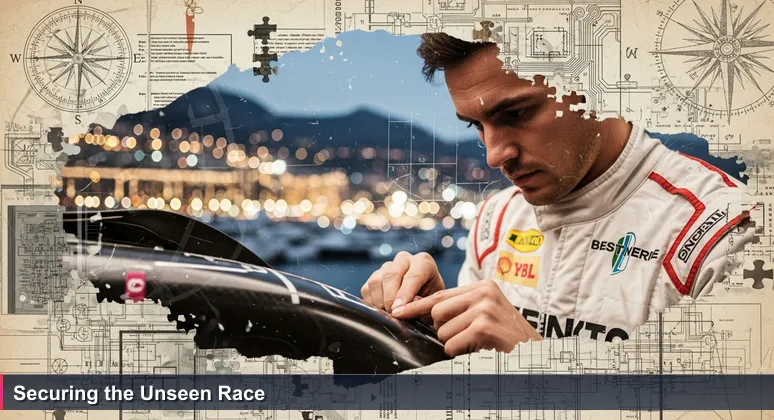
Monaco's economy operates as a perpetual, high-stakes digital event. Its dense ecosystem of finance, luxury, and critical infrastructure makes its data a prime target, transforming every cybersecurity professional into a specialized pit crew member for this ongoing Grand Prix. The integrity of a single, unseen system can determine the success of the entire spectacle.
The tension in the market is palpable, defined by a brutal specialization gap. As cybersecurity expert Taimur Ijlal notes, "2026 will be the first year where AI-native cybersecurity teams become the norm." Employers are no longer hiring for generic technical skill but for guardians with deep fluency in sector-specific threat models, from private banking to superyacht navigation.
This intensity is reflected in the competition. Events like the Monaco Job Forum 2026 attracted 5,800 candidates, all vying for roles that demand niche expertise. Compensation reflects this premium, with senior roles commanding €100,000 - €150,000+ (gross per year), a figure amplified by Monaco’s no personal income tax policy for residents, making net take-home pay significantly higher than in neighboring regions.
Success now depends on moving beyond foundational knowledge. Professionals must cultivate AI-augmented skills to manage the new era of AI-exposed risk and develop a precise understanding of the specific digital track - whether financial, maritime, or governmental - they are built to defend.
In This Guide
- The Starting Grid: Monaco's Cybersecurity Landscape
- Telecom, Tech & Critical Infrastructure
- Financial Services & Wealth Management
- Luxury, Hospitality & Major Events
- Maritime, Yachting & Port Operations
- Healthcare & Public Services
- Government, Utilities & Digital Sovereignty
- Consulting, R&D & Education
- Salary and Certifications for 2026
- Regional Entry Points and Strategic Advice
- Building Your Career in Monaco's Cyber Ecosystem
- Frequently Asked Questions
Get all the details in the comprehensive guide to AI careers in Monaco.
Telecom, Tech & Critical Infrastructure
This sector forms the backbone of Monaco's digital sovereignty, where cybersecurity professionals act as guardians of the national nervous system. The work focuses on preventing catastrophic failure in 5G networks, government portals, and the data centers that power the Principality.
Monaco Telecom: The Frontline Defender
As the steward of national infrastructure, Monaco Telecom is a primary direct employer. Their security team operates on the frontline, with hiring concentrated on roles like SOC Analysts (Level 1-3), Network Security Engineers, and Incident Responders specialized in anti-DDoS operations. A recent posting for an Information Systems Security Manager highlights the need for expertise in risk management and protecting technical architecture, a role critical to national security.
The Regional Tech Hub: Sophia Antipolis
While Monaco Telecom defends the Principality's core, the nearby Sophia Antipolis tech cluster serves as an essential employment basin. Global players like Thales, Sopra Steria, and Fortinet maintain large security teams here, hiring for scalable, cloud-native roles. Positions such as Cloud Security Architects and Product Security Engineers are common, offering a project-based pace that contrasts with in-house Monaco roles but demands deep technical expertise in serving multinational clients across the Côte d'Azur.
Compensation in this sector reflects its critical nature. Junior analysts and engineers can expect salaries ranging from €45,000 to €65,000 (gross per year), with the principality’s tax-free status for residents significantly amplifying net take-home pay compared to similar roles in Nice. The threat landscape is defined by the need for constant availability and resilience, making this pit crew essential for keeping Monaco’s digital race running without interruption.
Financial Services & Wealth Management
In the world of ultra-high-net-worth (UHNW) asset management, cybersecurity is less about building firewalls and more about fortifying digital vaults. The Principality's financial institutions are prime targets for sophisticated, AI-driven attacks aimed at discreet, high-value transactions.
Employers and the Threat Landscape
The sector is dominated by private banks such as Barclays, institutions like CFM Indosuez, and a myriad of discreet family offices. The primary threats are advanced phishing and business email compromise (BEC) schemes designed to manipulate large asset transfers. This creates a unique defense profile focused on process integrity over penetration testing.
In-Demand Roles: GRC and IAM
Consequently, hiring heavily favors Governance, Risk, and Compliance (GRC) specialists and Identity & Access Management (IAM) Managers. Compliance with GDPR and local regulations from the Monégasque Commission de Contrôle des Informations Nominatives (CCIN) is non-negotiable. Professionals in this space act as regulatory interpreters and process architects, ensuring every digital transaction is legitimate and traceable.
As noted in analyses of cybersecurity jobs in Europe, roles in financial technology risk and control are in sustained demand. In Monaco, this is amplified by the concentration of wealth. Compensation reflects this premium, with senior architects and managers commanding €100,000 to €150,000+ (gross per year). When combined with Monaco’s no personal income tax for eligible residents, the net value of these packages becomes exceptionally competitive, attracting top talent to guard the Principality's financial core.
Luxury, Hospitality & Major Events
In Monaco's luxury and hospitality sector, cybersecurity is intrinsically tied to brand reputation and the seamless, discreet experience demanded by a global elite clientele. A single data breach can shatter the trust built over centuries, making digital defense a core component of luxury service.
Flagship Employer: Société des Bains de Mer (SBM)
Operating iconic institutions like the Casino de Monte-Carlo, luxury hotels, and exclusive clubs, Société des Bains de Mer (SBM) defends against a unique threat model. Security teams must protect against "whaling" attacks that target high-stakes gamblers and executives, secure complex e-commerce and booking platforms handling immense transaction volumes, and safeguard vast streams of highly sensitive guest PII and payment data across countless point-of-sale (POS) systems.
Specialized Roles for a Converged Environment
Roles here uniquely blend IT and physical security. Demand is high for Application Security Engineers who can harden booking platforms and for POS Security Specialists who understand the convergence of digital payments and in-person luxury service. French language proficiency is often mandatory for these client-facing, locally embedded roles. Professionals must be as adept at understanding the flow of high-value transactions as they are at configuring security protocols.
Compensation reflects the sector's high stakes. According to industry salary analyses, such as those from Training Camp, specialists in application and critical infrastructure security command premium salaries. In Monaco, mid-level professionals in this sector can expect gross annual salaries of €70,000 to €100,000, a figure significantly enhanced by the principality's favorable tax regime for residents, ensuring the talent protecting these iconic brands is among the best.
Maritime, Yachting & Port Operations
This niche sector represents where cybersecurity converges with physical safety and the protection of assets of astronomical value. In Monaco's world of superyachts and high-stakes port operations, a digital breach can have immediate, dangerous real-world consequences.
A Unique Threat Model on the Water
Employers include premier yacht management firms like Fraser Yachts, Port Hercules management, and specialized IT suppliers to the maritime industry. The threat landscape is distinct: GPS spoofing to misdirect vessels, satellite communication hijacking, and attacks on onboard Operational Technology (OT) networks that control navigation, propulsion, and engineering systems. This isn't just data theft; it's a threat to safety and sovereignty.
The Rare Specialist: OT/ICS Security
This creates demand for some of the rarest and most specialized professionals in cybersecurity. The market seeks OT/ICS Security Engineers, Maritime Cybersecurity Auditors, and Satellite Communications Security experts. As highlighted in analyses of the highest-paid cybersecurity specializations, expertise in securing critical infrastructure commands a premium. Here, a deep understanding of maritime protocols and systems is as crucial as security certifications.
Compensation reflects the specialization required and the value of the assets protected. Senior roles in this domain can reach €100,000 to €140,000+ (gross per year). For eligible residents, Monaco's no personal income tax policy makes these roles exceptionally lucrative on a net basis, attracting the unique talent needed to secure the Principality's prestigious maritime frontier.
Healthcare & Public Services
In Monaco's healthcare sector, cybersecurity directly impacts human life. The Centre Hospitalier Princesse Grace (CHPG) and private clinics must balance innovative telemedicine and connected medical devices against the imperative to protect confidential patient data and ensure the continuous operation of life-critical systems.
The Ransomware Threat to Life and Data
The expanded attack surface created by remote care and IoT medical devices makes healthcare a prime target. The primary threat is ransomware that can lock access to essential patient records or, more dangerously, disrupt the functioning of critical medical equipment. This elevates cybersecurity from an IT concern to a fundamental component of patient safety and care delivery.
Roles Defined by Regulation and Precision
Key hires in this environment include Data Protection Officers (DPOs) and Health Information Security Officers who navigate the complex intersection of medicine, technology, and law. They operate within stringent EU regulations like GDPR and specific Monégasque health data laws. Specialists in medical device security are also increasingly crucial, tasked with hardening equipment that forms part of both the treatment plan and the network perimeter.
As reflected in broader analyses of Monaco's cybersecurity job market, roles requiring this blend of technical and regulatory expertise command strong compensation. Mid-level professionals in healthcare cybersecurity can expect gross annual salaries of €70,000 to €100,000. For professionals seeking to build the foundational skills for such a critical field, pathways like Nucamp's 15-week Cybersecurity Bootcamp (€1,975) provide an accessible entry point, covering essential principles that can be specialized for the healthcare context.
Government, Utilities & Digital Sovereignty
This sector is dedicated to national resilience, protecting the very infrastructure that defines the Principality's sovereignty. Cybersecurity here is a matter of state security, focused on ensuring continuity during both daily operations and high-profile international events.
Employers and the Event-Driven Landscape
The Agence Monégasque de Sécurité Numérique (AMSN) leads this mission, alongside various government departments and critical utilities like SMEG. The threat landscape is uniquely event-driven, with massive, short-notice security spikes during occasions like the Monaco Grand Prix or the Monaco Yacht Show, requiring rapid threat mitigation to protect both national assets and the global spotlight.
Roles for National Defense
Positions in this arena are mission-driven. They include National SOC Operators monitoring for state-level threats, Policy Analysts crafting digital sovereignty frameworks, and ICS/SCADA Security Engineers safeguarding the electrical grid and water systems. As highlighted by the government's focus at events like the Monaco Job Forum 2026, which attracted thousands of candidates, digital skills for public service are in high demand. French fluency is typically mandatory for these roles.
Compensation reflects the seniority and responsibility required. Senior architects and leads in government and critical infrastructure security can command gross salaries of €100,000 to €140,000+ annually. Combined with Monaco’s resident tax advantage, this makes for a powerful package for professionals dedicated to the singular mission of protecting the Principality’s digital foundations.
Consulting, R&D & Education
This sector forms the essential support ecosystem for Monaco's cybersecurity landscape, responsible for training the next generation of talent, advising existing organizations, and driving innovation through research and development. It's where the broader industry's knowledge base is built and expanded.
Consulting and Project-Based Work
Firms like Monaco Digital provide vital consultancy services to the Principality's diverse sectors. Professionals here enjoy significant project variety, tackling unique challenges across finance, luxury, and government. As noted in employee reviews on Glassdoor, this path offers "an exceptional work environment, very interesting projects, and amazing coworkers," appealing to those who thrive on diverse challenges rather than a single corporate environment.
Building the Talent Pipeline
Institutions like the International University of Monaco (IUM) and regional bootcamps are critical for building a sustainable talent pool. These educators and trainers equip newcomers with the sector-specific fluency demanded by Monaco's employers. For career changers or professionals upskilling in Monaco, accessible, practical education is key. Programs like Nucamp's Cybersecurity Bootcamp (15 weeks, €1,975) or AI Essentials for Work (€3,330) provide affordable, flexible pathways to gain the foundational skills that can be specialized for the local market.
Roles in this support sector include Cybersecurity Consultants, Researchers, and Instructors. While salaries can vary based on the organization (consultancy vs. academia), the value lies in shaping the ecosystem and engaging in cutting-edge work that defines the future of security in the Principality and the wider Côte d'Azur region.
Salary and Certifications for 2026
Monaco’s compensation packages are distinctive, heavily shaped by the principality’s unique tax regime and the premium placed on sector-specific, AI-augmented expertise. Understanding the gross salary benchmarks and the certifications that validate your skills is crucial for navigating this competitive market.
| Career Level | Estimated Gross Salary (EUR/Year) | Key Validating Certifications |
|---|---|---|
| Junior (Analyst, Engineer) | €45,000 - €65,000 | CompTIA Security+, CCNA CyberOps |
| Mid-Level (Senior Engineer, Consultant) | €70,000 - €100,000 | CEH, OSCP (offensive), ISO 27001 Lead Implementer (GRC) |
| Senior (Architect, Manager, Lead) | €100,000 - €150,000+ | CISSP, CISM, CCSP (Cloud Security) |
The Monaco Net Salary Advantage
The critical differentiator is Monaco’s no personal income tax policy for eligible residents. This can make a Monaco salary 20% or more valuable in net terms compared to a similar gross salary in nearby Nice or Sophia Antipolis. This tax advantage, reflected in data from sources like Paylab's Monaco salary reports, significantly amplifies take-home pay, though it is balanced against the principality's high cost of living.
Certifications as Career Currency
In a market seeking "AI-native" talent, certifications provide essential, recognized validation. Industry analysis continues to highlight credentials like the CISSP and CISM for leadership, while cloud-focused certifications like the CCSP are increasingly critical. As noted in guides on the hottest certifications for 2026 salary growth, pairing these with demonstrable, sector-specific experience is the formula for commanding the highest compensation in Monaco's specialized landscape.
Regional Entry Points and Strategic Advice
Landing a role in Monaco’s cybersecurity arena requires a strategic understanding of its unique professional, linguistic, and geographic context. Success depends on navigating these practical realities as much as on technical skill.
Language and Residency Realities
French is mandatory for roles in government, public utilities, and local-facing hospitality sectors like SBM. While English may suffice in multinational finance, yachting, and some tech consultancies, bilingualism remains a powerful, often decisive advantage. Geographically, many cybersecurity professionals live in nearby French communes like Beausoleil or Nice, commuting into Monaco - a common arrangement most employers accommodate, though some critical infrastructure roles may require Monégasque residency.
Hiring Models and Networking
Large entities like Monaco Telecom and major banks typically hire in-house security teams. In contrast, smaller organizations, especially family offices, often rely on Managed Security Service Providers (MSSPs) or regional consultants for their security needs. Actively leveraging regional networks is therefore essential. Attend the International Cybersecurity Conferences in Monaco and engage with the tech community in Sophia Antipolis. Major events like the Monaco Job Forum 2026, which attracted 5,800 candidates, are critical touchpoints focused on digital skills.
The Tailored Application
The most important strategic advice is to avoid generic applications. As noted in industry discussions, the market is brutal because companies seek specialists who can do everything for their niche. Tailor your resume relentlessly: for a yacht firm, highlight OT/ICS experience; for a private bank, emphasize GRC and IAM. In Monaco's high-stakes race, you win by proving you understand the specific track, not just how to drive.
Building Your Career in Monaco's Cyber Ecosystem
The path to success in Monaco's 2026 cybersecurity market is clear: move beyond generic knowledge to develop AI-augmented skills paired with sector-specific expertise. Identify which digital pit crew you belong to - are you defending financial transactions, maritime navigation, patient data, or national infrastructure? Your unique value is your ability to protect the unseen system that makes Monaco's high-stakes spectacle possible.
Begin by mastering core technical and regulatory skills, then deepen your knowledge in one of the Principality's seven core industries. For those building foundational skills or transitioning careers, accessible education pathways are critical. Practical, affordable bootcamps like Nucamp's AI Essentials for Work (€3,330) or Cybersecurity Bootcamp (€1,975) provide the flexible, project-based training needed to enter this specialized market, offering a structured on-ramp for professionals in Monaco and the Côte d'Azur.
Engage relentlessly with the local and regional ecosystem through events, training, and strategic networking. Remember, in a market as fiercely competitive as the Monaco Grand Prix, the winners are those who understand not just how to drive, but the intricate details of the specific track they are on. By combining specialized defense skills with the unparalleled professional advantage of Monaco’s tax regime and its concentration of high-value industries, you can secure a career that is both critically important and exceptionally rewarding.
Frequently Asked Questions
Which companies in Monaco are hiring cybersecurity professionals in 2026?
Major employers include Monaco Telecom for critical infrastructure, Société des Bains de Mer (SBM) in luxury hospitality, financial institutions like Barclays, and niche maritime firms. Hiring is sector-specific, focusing on defending digital assets in finance, events, and yachting, with roles tailored to each industry's threats.
What salary can I expect as a cybersecurity professional in Monaco?
Gross salaries in 2026 range from €45,000 for juniors to over €150,000 for senior roles. With Monaco's no personal income tax for residents, your net pay can be 20% higher than in nearby regions, though it balances against the high cost of living.
Do I need to speak French to work in cybersecurity in Monaco?
French is mandatory for roles in government, utilities, and local-facing sectors like hospitality. However, in multinational finance or tech consultancies, English may suffice, but bilingualism gives you a strong advantage in this competitive market.
What certifications are most valuable for cybersecurity jobs in Monaco?
Start with CompTIA Security+ for foundation roles, advance with CEH or OSCP for mid-career technical positions, and target CISSP or CISM for senior leadership. These align with 2026 trends for salary growth, especially with cloud and AI-augmented skills.
How does Monaco's cybersecurity job market differ from nearby areas like Nice?
Monaco offers higher net salaries due to tax benefits and focuses on niche sectors like finance and maritime security. While commuting from French communes is common, local roles demand sector-specific expertise and often French proficiency, making it a unique, high-stakes ecosystem.
This article details the AI education options in Monaco for 2026, including programs with ISAs and job guarantees.
Read about the top-ranked women's tech groups in Monaco to enhance your professional stack.
For a Monaco-specific approach, this article teaches how to become an AI engineer in 2026 with tax-free benefits.
In this guide, you can learn how to secure funding for your tech career in Monaco with practical tips.
Learn about the financial challenges and opportunities in Monaco's tech scene in 2026.

Irene Holden
Operations Manager
Former Microsoft Education and Learning Futures Group team member, Irene now oversees instructors at Nucamp while writing about everything tech - from careers to coding bootcamps.