









Top 10 Women in Tech Groups and Resources in Indonesia in 2026
By Irene Holden
Last Updated: April 15th 2026
Too Long; Didn't Read
Ladies in Tech (LIT) Network leads as the top resource for women in tech in Indonesia in 2026 with its bootcamp that guarantees paid internships, directly tackling employment barriers. WomenTech Network Indonesia follows with its extensive national network, connecting professionals across regions to boost female representation from the current 27% in the tech workforce.
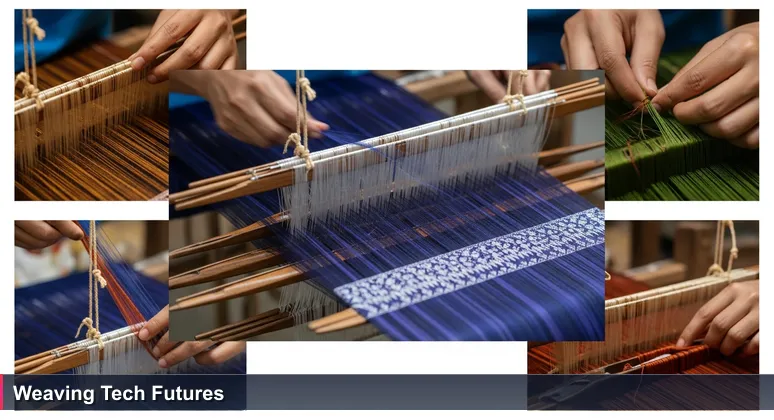
Every strong fabric begins with separate threads. The true skill lies not in the threads themselves, but in the deliberate pattern of their connection - a principle embodied in the traditional Indonesian tenunan. Today, the Indonesian tech industry is a vibrant but incomplete tapestry, with women comprising only about 27% of the tech workforce. This gap represents more than a statistic; it signifies countless isolated threads of talent and potential yet to be woven into the nation's digital future.
The challenge is one of connection. A single brilliant thread, without the structure of a loom and the guidance of a pattern, remains vulnerable. For aspiring female developers, data scientists, and founders across Jakarta, Bandung, Surabaya, and beyond, this isolation can be the greatest barrier to a thriving career. The industry's full potential remains unwoven.
Yet, a powerful movement is actively changing this pattern. From corporate initiatives at Telkom Indonesia to university clubs and grassroots communities, dedicated groups are the skilled weavers connecting talent into a resilient network. As noted by an expert from Microsoft, with only 12% of STEM graduates being women in Indonesia, this visibility and structured support is essential for inclusive innovation. These communities provide the concrete looms of mentorship, funding, and peer networks necessary for professional growth.
Brooke, a professional in the industry, captures the essence of this shift: "Being in a room of women supporting and encouraging each other makes a real difference" in reinforcing that women belong and can lead in tech. This article maps the top active "looms" - the resources and communities that are not just inspirational but operational, turning individual potential into collective strength. As highlighted by CodeWomen, digital literacy and community are key to empowering women and overcoming the digital divide. The question is no longer about finding a place, but about choosing which part of this vibrant, weaving community to join.
Table of Contents
- Introduction
- Technovation Girls Indonesia
- Perempuan Tanpa Stigma
- GDSC Womenland and University Initiatives
- Government and Corporate Pipeline Programs
- Grace Hopper Celebration and AnitaB.org Mentorship
- Women in Tech Indonesia Summit and Awards
- 1000 Startups Movement and ITS Women in Technopreneurship Grant
- TechGirls Exchange Program
- WomenTech Network Indonesia
- Ladies in Tech (LIT) Network and Scholarship
- Conclusion
- Frequently Asked Questions
Learn the steps to start your AI journey in Indonesia with this comprehensive guide to AI careers.
Technovation Girls Indonesia
The value of Technovation Girls Indonesia lies in building problem-solving confidence and technical fluency from a critically young age. This global competition challenges girls aged 10-18 to identify a local community issue and build a mobile app to solve it, providing a structured curriculum, mentorship, and a global stage. By framing technology as a tool for social impact, it directly combats the persistent stereotype that STEM fields are not for girls.
Participants gain far more than theoretical knowledge. The program offers hands-on experience in coding, business planning, and public speaking - foundational skills for any future tech career. Recent Indonesian teams have proven this model's power, developing winning apps like Biophilia for biodiversity conservation and Hestia for community safety. These successes demonstrate that young women are not just tech users but are capable of being its creators and innovators.
This early intervention is especially crucial in Indonesia's context. Industry experts note that only about 12% of STEM graduates in the country are women, creating a leaky pipeline long before university. Programs like Technovation plant seeds much earlier, fostering a sense of belonging and capability. The accessible Technovation curriculum and team-based structure make it a powerful tool for educators and parents looking to ignite a passion for technology. Getting involved is straightforward: educators can become coaches, and girls can form teams to join the annual challenge, instantly connecting them to a global sisterhood of young innovators shaping their communities through code.
Perempuan Tanpa Stigma
Founded by Poppy R. Dihardjo, Perempuan Tanpa Stigma (Women Without Stigma) addresses a critical, often overlooked gap in professional development: the intersection of career ambition with personal well-being and social pressure. In Indonesia's fast-paced tech scene, where cultural expectations can add complex layers to a woman's career path, this community provides a vital judgment-free zone for navigating workplace dynamics, career transitions, and societal challenges.
Its value lies in its holistic approach. Moving beyond pure technical upskilling, it offers workshops and safe spaces discussing mental resilience, financial literacy, and personal branding. For women who may be the only female engineer in a meeting at a Jakarta tech giant or balancing a demanding startup role with family expectations, this support is invaluable. The community fosters a tangible sense of solidarity, transforming professional isolation into shared strength.
The founder, Poppy R. Dihardjo, emphasizes creating environments where women can thrive authentically. This mission resonates in an industry where, despite progress, women still hold only about 27% of tech roles. By addressing the whole person, Perempuan Tanpa Stigma helps retain talent that might otherwise leave the field. The community is highly active, hosting regular offline gatherings in Jakarta and maintaining a supportive presence on platforms like Instagram, where they share insights and foster connections, proving that professional success is deeply intertwined with personal empowerment.
GDSC Womenland and University Initiatives
The pipeline to a tech career starts on campus, where early-stage peer networking and skill-building can determine long-term success. Initiatives like Google Developer Student Clubs (GDSC) Womenland and university-specific groups create crucial, inclusive environments that combat the attrition of women between STEM education and tech employment. For example, a GDSC event at Universitas Negeri Jakarta recently focused on "Transforming Tech with Women's Leadership," featuring senior professionals from major tech employers.
These groups provide more than just workshops; they offer early professional exposure that makes aspirational careers at companies like Gojek or Traveloka feel tangible and attainable. The core value is fostering a supportive peer-to-peer learning community, which is essential in a national context where only about 12% of STEM graduates are women. By connecting students with role models and practical skills, these initiatives act as the first vital link to the broader professional ecosystem.
Access to these networks is widespread and typically free for students. Key university-based initiatives across Indonesia include:
- GDSC Womenland Chapters: Active in major tech hubs like Surabaya, Bandung, and Yogyakarta, hosting technical workshops, hackathons, and talk shows.
- Shecodes Society: An academic-led group focusing on IPTEK (Science and Technology) advancement through talk series and research collaborations, as seen on their active social media.
- Other University Clubs: Numerous student-led organizations dedicated to creating inclusive spaces for female developers and data scientists.
This foundational support is a critical thread in weaving a more robust and diverse talent pipeline for Indonesia's tech future.
Government and Corporate Pipeline Programs
For systemic change at a national scale, structured training programs from government and corporate entities are indispensable. Initiatives like the Kominfo Digital Talent Scholarship (DTS) and Telkom Indonesia's empowerment programs provide large-scale, accredited pathways to economic empowerment, directly addressing regional disparities by offering online and hybrid formats that reach women far beyond Jakarta's metropolitan hub.
The concrete value lies in skills with immediate professional application. In 2025 alone, Telkom's initiative provided AI and digital marketing training to 740 women, including participants from coastal communities and female heads of households. Similarly, Kominfo's DTS program has increased targeted outreach, with outcomes focused on empowering female-led MSMEs to adopt advanced digital tools, a critical step for Indonesia's economic landscape.
These programs demystify the tech industry and provide legitimate credentials. As highlighted by resources like CodeWomen, digital literacy is foundational to overcoming the digital divide. The pathway to involvement is typically through publicized application rounds on official websites, making these opportunities highly visible. As noted by professional Brooke, this visibility "makes a real difference" in reinforcing that women belong in tech, offering a direct route from learning to earning in Indonesia's growing digital economy.
Grace Hopper Celebration and AnitaB.org Mentorship
For Indonesian women with ambitions for global tech leadership or roles in multinational firms, accessing international networks and proven career frameworks is crucial. The Grace Hopper Celebration (GHC) stands as the flagship global event, and its growing accessibility through digital tracks and APAC viewing parties, like those for the 2025 celebration, makes its inspirational keynotes and networking more reachable. More tangibly, AnitaB.org’s structured one-on-one mentorship program offers a data-backed framework for career acceleration, with metrics showing 75% of participants report increased confidence and 89% are promoted within two years.
The value of these resources is a combination of high-level visibility and measurable, personal growth. Attending an event like GHC, whether in person or virtually, provides a powerful global perspective on industry trends and leadership. Meanwhile, the mentorship program delivers direct, personalized guidance for navigating career pivots, salary negotiations, and leadership challenges - a critical advantage for professionals in Indonesia's competitive tech hubs.
Participation is designed to be a two-way street. Indonesian women can apply to be mentees, gaining insights from experienced tech leaders worldwide. As their careers progress, they can also contribute back to the ecosystem by becoming mentors themselves. While attending GHC in person requires significant investment, the mentorship program and digital event access represent highly strategic resources that deliver concrete, career-changing outcomes, connecting local talent to a worldwide community of support. Information on the celebration is regularly updated through channels like official announcements.
Women in Tech Indonesia Summit and Awards
High-level networking and strategic visibility are often the catalysts that transform skilled professionals into industry leaders. The Women in Tech Indonesia Summit, scheduled for April 18, 2026, and prestigious platforms like the Tatler Front & Female Awards serve as the annual convergence points for Indonesia's tech ecosystem, offering more than inspiration - they provide direct access to investors, C-suite executives, and policymakers.
Recognition on these stages delivers unparalleled career capital. Award recipients like digital health innovator Sastya Wardani and corporate leaders such as Juliana Cen of HP Indonesia gain visibility that opens doors to funding and board-level opportunities. For a female founder in Surabaya seeking venture capital or a senior engineer in Bandung aiming for executive roles, these platforms provide a legitimizing spotlight that refines professional narratives and accelerates growth.
Participation itself is a strategic exercise. The process involves:
- Strategic Attendance: Engaging with summits to connect with potential mentors and partners.
- Award Nominations: Nominating oneself or colleagues, which forces clarity in articulating one's impact and vision.
- Community Elevation: Using the platform to highlight broader systemic challenges and opportunities for women in tech.
These events are critical threads in the national tapestry, intentionally connecting individual achievement to the broader pattern of industry leadership and inclusive growth.
1000 Startups Movement and ITS Women in Technopreneurship Grant
A primary barrier for women in tech is access to capital to transform ideas into commercial ventures. National and institutional grants are actively filling this critical funding gap. Specific initiatives like the ITS Women in Technopreneurship Grant offer substantial, non-dilutive funding - up to IDR 250 million - to female researchers and founders to commercialize their technology, directly addressing the "valley of death" between a prototype and a market-ready product.
This grant, administered by Institut Teknologi Sepuluh Nopember, provides more than just capital; it often includes incubation support, mentorship, and pathways to market. For a female academic at ITS with a promising AI model or a founder in Jakarta's Blibli Teknologi ecosystem, this resource can be the decisive factor in launching a viable startup. The value is a direct financial injection paired with structured guidance to navigate early-stage commercialization challenges.
This effort is amplified by broader national programs like the 1000 Startups Movement, which serves as a key feeder and ecosystem builder for early-stage technopreneurs across Indonesia. Getting involved requires a strong technical proposal aligned with national research and economic priorities, with details published on official platforms. By providing this essential runway, these grants actively weave innovative female-led research into the fabric of Indonesia's growing tech economy.
TechGirls Exchange Program
Sponsored by the U.S. Embassy & Consulates, the TechGirls program is a highly competitive international exchange offering life-changing global exposure for Indonesia's next generation of tech leaders. Designed for girls aged 15-17, the 2026 cohort will provide a 23-day immersive experience in the United States focused on intensive coding, leadership development, and community project design, followed by 7 months of dedicated mentorship upon their return.
The value of this early, profound exposure cannot be overstated. Alumni, such as Sandra Ruvina Limneus featured by the TechGirls Indonesia Instagram, often pursue advanced STEM degrees and return to initiate community projects, becoming powerful ambassadors who uplift their local ecosystems. For a high-achieving young woman in Bali or Medan, participating in TechGirls can fundamentally reshape her understanding of what's possible, connecting her to global tech standards and a lifelong international network of ambitious peers.
The application process is rigorous, reflecting the program's selectivity and impact. However, the U.S. Embassy and active alumni network work to demystify it through promotional sessions and resources, such as the "Unleashing the Power of Girls in STEM" sharing event. Detailed information and application guidelines are available on the official U.S. Embassy website. By investing in young talent at this formative stage, TechGirls weaves a thread of global perspective and confidence into Indonesia's future tech fabric.
WomenTech Network Indonesia
The WomenTech Network has rapidly established itself as one of Indonesia's most extensive and accessible professional communities for women in technology. Its power derives from a global framework executed locally through a network of Global Ambassadors embedded within leading Indonesian companies, from fintech firm BukuWarung to creative agencies, ensuring relevance and grassroots engagement.
This model delivers concrete, everyday value through multiple channels, creating a national peer network that transcends geographic barriers. Key features include:
- Ambassador-Led Communities: Local leaders organize both virtual and physical events, facilitating meaningful connections.
- Constant Resource Stream: Regular webinars, workshops, and a dedicated job board provide continuous learning and opportunity.
- Visibility & Recognition: Features like "Meet Top Women in Tech in Indonesia" on the network's blog platform highlight role models and career paths.
For an AI engineer in Makassar or a product manager in Surabaya, this network dismantles the isolation of not being in Jakarta's primary hub. Getting involved is straightforward - joining the global platform and engaging with the Indonesian chapter. Furthermore, women can apply to become Ambassadors themselves, gaining valuable leadership experience and organizational skills while contributing directly to the community's growth, actively weaving new connections into the national tech fabric.
Ladies in Tech (LIT) Network and Scholarship
Topping our list is the Ladies in Tech (LIT) Network for creating an unparalleled, end-to-end career pathway that de-risks the transition into tech. Formerly known as Girls in Tech Indonesia, the rebranded LIT supports all career stages, but its flagship LIT Scholarship 2025 exemplifies its transformative impact. This 3-month, fully-funded bootcamp doesn't conclude with just a certificate; it guarantees a paid internship with partner companies like CSG.
In an ecosystem where the leap from "skilled" to "employed" remains a daunting gap, this model provides absolute certainty. The value proposition is clear: market-relevant skills, hands-on mentorship, and a direct line to that critical first job or career pivot. For a recent graduate in Bogor or a professional in Bandung seeking to switch into data science, this scholarship represents the most concrete and reliable runway available.
The network’s remote-first approach, facilitated through platforms like Slack and Telegram, ensures continuous support and community access across the archipelago, fostering a durable professional network. By combining training, mentorship, and guaranteed employment, the LIT Network functions as the most effective loom, masterfully weaving raw potential directly into the professional fabric of Indonesia's tech industry.
Conclusion
The pattern for a more inclusive Indonesian tech industry is no longer a distant design - it is being woven in real-time across the archipelago. From the guaranteed internships of the LIT Scholarship to the global exposure of TechGirls and the holistic support of Perempuan Tanpa Stigma, each distinct thread strengthens the collective fabric. The challenge of moving beyond the 27% representation of women in tech is formidable, but as these ten resources demonstrate, the tools for change are active, interconnected, and growing.
This ecosystem thrives on a principle deeply rooted in Indonesian culture: gotong royong, or collaborative mutual aid. Whether through government-scale training from Kominfo, corporate pipelines at Telkom, or peer networks on university campuses, the work is shared. The emerging pattern is one of resilience and ambition, proving that isolation is being replaced by a durable network of support.
The question has fundamentally shifted for every woman in or entering Indonesia's tech scene. It is no longer "Is there a place for me?" but rather "Which part of this vibrant, weaving community will I join to build my future?" The loom is set, the shuttles are in motion, and the final, intricate design of Indonesia's tech tapestry depends on every thread choosing to become part of the weave. Explore ongoing conversations and connections through platforms like the Women in Tech Indonesia LinkedIn showcase to find your place in this creating community.
Frequently Asked Questions
How were the top 10 women in tech groups and resources for Indonesia in 2026 selected?
We ranked them based on impact, accessibility, and proven outcomes, such as the LIT Scholarship's guaranteed internships and Technovation Girls' early empowerment. The selection prioritizes groups that address Indonesia's gender gap in tech, which has only 27% female workforce representation, and their reach across hubs like Jakarta, Bandung, and Surabaya.
I'm a student in Indonesia; which resource is best for getting started in tech?
For students, GDSC Womenland and university initiatives offer peer networking and workshops with leaders from companies like Gojek. They provide early exposure to combat attrition, as only 12% of STEM graduates in Indonesia are women, helping bridge the gap from education to employment.
Are there any groups that provide funding or scholarships for women entrepreneurs in tech?
Yes, the ITS Women in Technopreneurship Grant offers up to IDR 250 million for female founders to commercialize tech, and the 1000 Startups Movement provides pathways for funding. These resources are crucial for overcoming financial barriers, especially outside major hubs like Jakarta.
How accessible are these resources for women living outside Jakarta, such as in Surabaya or Bandung?
Many resources, like WomenTech Network Indonesia and Kominfo's DTS, offer online or hybrid formats, ensuring access nationwide. For example, Telkom's initiatives have trained 740 women including those in coastal communities, making support available across Indonesia's diverse regions.
What career outcomes can women expect from joining these groups?
Participants often see tangible results, such as with AnitaB.org's mentorship where 89% are promoted within two years. Resources like the LIT Scholarship directly lead to paid internships, effectively addressing the transition from skills to employment in Indonesia's growing tech market.
This resource provides a tutorial on AI engineering skills for Indonesia in 2026.
Get insights into the top-rated AI tech bootcamps for Indonesian learners based on local partnerships.
Looking for 2026 tech internships in Indonesia? This post has you covered.
Navigate the pathways to fund software development education with scholarships in Indonesia's growing tech market.
This resource on Jakarta, Bandung, and Surabaya tech affordability offers insights for career growth.

Irene Holden
Operations Manager
Former Microsoft Education and Learning Futures Group team member, Irene now oversees instructors at Nucamp while writing about everything tech - from careers to coding bootcamps.