









Is Indonesia a Good Country for a Tech Career in 2026?
By Irene Holden
Last Updated: April 15th 2026
Quick Explanation
Yes, Indonesia is a strong choice for a tech career in 2026 because its maturing ecosystem prioritizes specialized skills like AI engineering amid a digital economy projected to surpass USD 130 billion. With a talent gap requiring 600,000 new tech professionals annually, demand is high in hubs like Jakarta, where salaries are competitive, making it ideal for builders focused on impactful work in a growing market.
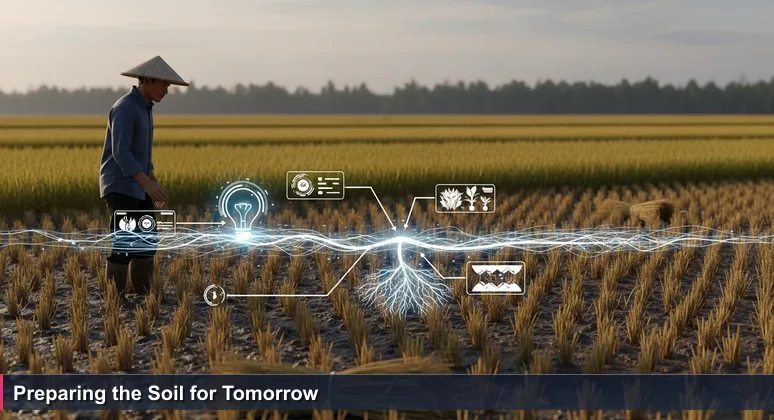
After the harvest, a West Java sawah can look empty. But every farmer knows the most important work is happening where you can't see it - in the soil, preparing for the next, more resilient planting season. Indonesia's tech career landscape in 2026 is precisely that kind of field.
On the surface, headlines tell a story of contraction: startup funding fell to just USD 213 million in 2025, a 38% year-on-year decline. Yet, to see this as the end of opportunity is a fundamental misreading. The ecosystem is maturing, shifting focus from visible, above-ground stalks to strengthening its roots. As noted in an analysis by the Prasasti Center, the sector has entered a "post-unicorn phase," where sustainable growth trumps unsustainable scale.
This is not a barren field. Indonesia's digital economy is massive, projected to surpass USD 130 billion and continues to outpace national GDP growth. The real, foundational transformation is accelerating beneath the surface, particularly in AI integration, where an IBM Study found 85% of Indonesian businesses reported operational gains from AI in 2025.
As Eric Mary, Country Head at Robert Walters Indonesia, observes, this shift means candidates who can adapt to and implement AI are now "highly valued" as technology becomes central to operational effectiveness. For the right tech professional - the builder, the specialist, the strategic learner - this moment of quiet transformation presents a uniquely potent opportunity to help cultivate Indonesia's next digital harvest.
What We Cover
- Unveiling Indonesia's Tech Future
- Beyond the Funding Frenzy: Market Maturity
- The AI Revolution and Infrastructure Boom
- Seizing the Talent Gap Opportunity
- Where to Build: Jakarta, Bandung, Surabaya, Bali
- Is Indonesia Right for You? Pros and Cons
- Your Action Plan for 2026 Success
- Embracing the Season of Building
- Common Questions
Learn the steps to start your AI journey in Indonesia with this comprehensive guide to AI careers.
Beyond the Funding Frenzy: Market Maturity
The visible harvest tells one story: the era of easy capital chasing hyper-growth is over. This structural reset in startup investment, as described in e27’s analysis, means investors now prioritize "unit economics" and clear paths to profitability over aggressive, unsustainable scale. The goal is no longer just to grow fast, but to grow strong and resilient.
This maturity is reflected in the funding data. As reported by The Business Times, this selective shift has solidified Jakarta's position, with the capital capturing nearly all tech funding nationwide. The gold rush of joining a pre-series A startup for a potentially life-changing exit has significantly cooled.
For your career, this means success is now found in companies that have pivoted to sustainable models or deeply integrated technology into their core operations. The market rewards builders and specialists - such as AI engineers and data scientists - who can create tangible value over pure opportunists. Hiring at early-stage startups is more measured, focusing on roles that directly contribute to stability and efficiency.
The AI Revolution and Infrastructure Boom
While funding flows have slowed, the real, foundational work of digital transformation has accelerated - this is the crucial enrichment of the soil. AI is now an operational reality, not a buzzword. An IBM Study found that 85% of Indonesian businesses reported operational gains from AI in 2025, with the national AI market projected to contribute 12% to GDP (USD 366 billion) by 2030.
From Buzzword to Business Tool
This shift is visible in practical applications: optimizing logistics at Waresix, preventing fraud at DANA, and powering intelligent assistants for farmers at unicorn eFishery. Platforms like IndoBuild AI, launched by East Ventures, are creating dedicated spaces for AI innovators, signaling deep ecosystem commitment.
The Foundation Beneath
Concurrently, massive infrastructure is being laid. The government, through Komdigi, is aggressively pushing policies on sovereign cloud and data center construction under the "Making Indonesia 4.0" roadmap. This generates what Mahesh Uttamchandani of the World Bank calls "strong momentum" for new, infrastructure-centric opportunities.
For tech professionals, this means unprecedented demand for specialists who can build and maintain this new digital bedrock. This reality makes practical, accessible upskilling pathways critical. Bootcamps like Nucamp, offering programs such as the Solo AI Tech Entrepreneur Bootcamp (25 weeks) and AI Essentials for Work (15 weeks) with tuition in Rupiah, provide a direct bridge into these high-demand roles in AI engineering, data science, and cloud computing.
Seizing the Talent Gap Opportunity
Indonesia's greatest challenge presents its most compelling career advantage: a profound talent gap. The market needs to fill an estimated 600,000 tech jobs annually, with a staggering need for 9 million digital talents by 2030. This acute shortage, as analyzed in Indonesia's Tech Talent Outlook 2025, creates immense leverage for those who can skill up effectively.
This gap is where accessible, targeted education pathways become critical. They act as direct pipelines, "fertilizing" the talent soil with job-ready skills. Bootcamps like Nucamp, with programs such as Back End, SQL and DevOps with Python (16 weeks) starting from approximately Rp31,860,000, offer a practical bridge. Their reported ~78% employment rate for graduates demonstrates a tangible route into high-demand roles at local giants and multinationals alike.
For your career, this means if you possess - or are committed to acquiring - in-demand technical skills, you have significant negotiating power. Companies are actively competing for a limited pool of qualified candidates. While expectations vary, the broader trend shows steady salary growth, with Jakarta offering a notable premium over other regions. Your ability to learn and adapt is your greatest asset in a market hungry for builders.
Where to Build: Jakarta, Bandung, Surabaya, Bali
Choosing where to build your tech career in Indonesia is a strategic decision with distinct trade-offs across its major hubs. Each city offers a different balance of opportunity, lifestyle, and cost.
| City | Role & Character | Key Employers & Scene | Lifestyle Trade-off |
|---|---|---|---|
| Jakarta (Jabodetabek) | The Undisputed Capital | GoTo Group, Traveloka, Bukalapak, Telkom, regional offices of Google, Microsoft, AWS. Captures nearly all tech funding. | Highest salaries (10-15% premium) but severe traffic, high costs, and air quality challenges. Maximum career velocity. |
| Bandung & Surabaya | The Rising Challengers | Growing B2B software, edtech, and digitization of traditional industries (manufacturing, MSMEs). Vibrant local tech communities. | Significantly lower cost of living. Better salary-to-cost ratio. Less frenetic pace, ideal for being part of a growing secondary hub. |
| Bali | The Global Nomad Hub | Hub for remote tech talent, digital nomads, and lifestyle entrepreneurs. Less about corporate HQs. | Prioritizes global community, work-life balance, and natural environment over proximity to a central office. For the location-independent. |
Your choice should hinge on honest self-assessment. As confirmed by reports such as that from The Business Times, Jakarta remains the epicenter of capital and corporate opportunity, but this comes with a tangible quality-of-life tax. Bandung and Surabaya offer a compelling alternative for those wanting to contribute to digitizing Indonesia's broader economy while enjoying a more manageable lifestyle.
Bali stands apart, catering to professionals who have decoupled their work from a specific office and value global networking against a backdrop of natural beauty. The right city amplifies your career satisfaction, so weigh these dynamics carefully.
Is Indonesia Right for You? Pros and Cons
Evaluating whether Indonesia is the right place for your tech career requires frank honesty about the trade-offs. The market's unique dynamics create ideal conditions for some professionals, while presenting clear hurdles for others.
Indonesia is BEST for:
- Specialists in High-Demand Fields: AI/ML engineers, data scientists, and cybersecurity experts are in acute shortage due to the 600,000-person annual talent gap. Your skills command premium salaries and consistent demand.
- Those Seeking Market Impact: Building products for a domestic market of over 270 million people offers a scale of impact few places can match. Working at a Gojek or Tokopedia means solving hyper-local challenges at massive scale.
- Career Changers and Agile Learners: With the massive skills gap, there is space for those who proactively skill up. The barrier to entry for the determined is lower than in more saturated markets like Singapore or Bengaluru.
- Builders of Foundational Tech: If you're excited by national-scale digital infrastructure, sovereign cloud, or enterprise transformation, government and telco initiatives are creating major projects.
Indonesia may NOT be ideal for:
- Those Chasing Maximum Global Salary Ceilings: While competitive locally, senior tech salaries have not reached the peaks available in Silicon Valley or for top talent in global IT services firms, even as 57% of candidates expect 20%+ increases when changing jobs.
- Professionals Averse to Bureaucracy: Navigating regulations and occasional policy uncertainty can be a reality, with some employees at major firms noting challenges with "unclear career paths."
- Anyone Sensitive to Urban Stress: If you prioritize short commutes and pristine air, Jakarta's congestion and air quality will be a constant challenge, a significant factor for long-term well-being.
- Those Seeking a Mature Startup Exit Environment: The era of quick flips and frequent unicorn IPOs has paused. Wealth generation through equity is now a longer, more uncertain game focused on sustainable businesses.
Your Action Plan for 2026 Success
To cultivate a successful tech career in Indonesia's evolving landscape, you need a deliberate strategy. The market rewards those who plan with precision, aligning their skills and goals with the new realities of 2026.
- Skill Strategically: Align your learning with acute market demand. Pursuing a focused bootcamp in a high-demand field can be the fastest route. For example, a Back End, SQL and DevOps with Python (16-week) program builds the foundational skills critical for AI and cloud roles, offering a practical alternative to lengthier degrees.
- Choose Your City Wisely: Honestly assess your priorities against the realities of each hub. Do you seek maximum corporate opportunity (Jakarta), a balanced lifestyle with growing tech scenes (Bandung/Surabaya), or a global remote-work community (Bali)? This decision fundamentally impacts your daily life and career trajectory.
- Target the Right Employers: The market has bifurcated. Focus your search on: Established Local Giants (GoTo, Telkom Indonesia) for stability; Profitable Scale-ups & AI-Native Startups (eFishery, DANA) for growth in high-impact areas; Multinational Tech Firms (Google, Microsoft) for global standards; or Traditional Industries (BRI, Bank Danamon) desperate for digital transformation talent.
- Understand the Compensation Mix: Research is key. While established companies offer competitive base salaries, equity in startups is now weighted toward later-stage, proven companies. Always contextualize salary against local costs - a Rp 20 million monthly salary affords a very different lifestyle in Bandung than in South Jakarta.
- Navigate Visa Practicalities: For foreign talent, Indonesia has been improving its visa regime, including "Golden Visa" rules. Companies experienced in international hiring, like major tech firms, will have resources to guide you through sponsored work permit (KITAS) processes. Proactive research into the latest regulations is essential.
This action plan turns insight into execution. By targeting your skill development, choosing your ecosystem deliberately, and understanding the local compensation and regulatory landscape, you position yourself not just to join Indonesia's tech field, but to thrive in its season of building.
Embracing the Season of Building
The fundamental question for 2026 is not whether Indonesia's tech field is fertile - the digital economy's growth to over USD 130 billion proves it is. The question is whether you are prepared to be the kind of worker this new season demands: a builder, not just a harvester.
The harvest of easy funding and viral growth has passed. Now is the season for deep, foundational work. This means integrating AI into the core operations of businesses, where 85% already report gains. It means securing the digital infrastructure that will become Indonesia's sovereign cloud bedrock. Most critically, it means personally committing to close the profound 600,000-person annual talent gap, turning a national challenge into your career advantage.
As Mahesh Uttamchandani of the World Bank notes, the government's commitment to this transformation is generating "strong momentum" for new, infrastructure-centric opportunities.
This season rewards patience, specialization, and a pragmatic mindset. For the AI engineer ready to optimize supply chains from Medan to Papua, for the data scientist modeling the behavior of millions of new digital consumers, and for the career changer skilling up through targeted education, Indonesia in 2026 offers a dynamic and impactful frontier.
The work you do to strengthen the roots and enrich the soil today will define the quality and resilience of tomorrow's harvest. This is the quiet promise of the field after the harvest: immense opportunity for those who understand that the most important growth often begins unseen.
Common Questions
Is Indonesia's tech job market still growing in 2026, or has it stalled?
Yes, it's growing but maturing, with the digital economy projected to surpass USD 130 billion by 2026. Despite a 38% funding drop in 2025, opportunities are shifting to AI integration and infrastructure, creating demand for specialized roles.
What specific tech skills should I focus on to succeed in Indonesia?
AI engineering, data science, cybersecurity, and cloud computing are most in demand. With 85% of Indonesian businesses reporting AI gains and a talent gap of 600,000 jobs annually, specialists in these fields command higher salaries and consistent job opportunities.
Are tech salaries in Jakarta competitive enough to justify the high cost of living?
Jakarta offers a 10-15% salary premium over other regions, with steady 4-6% annual growth. While living costs are high, salaries at major employers like Gojek or Traveloka can afford a comfortable lifestyle, especially when compared to global hubs.
Besides Jakarta, where else in Indonesia can I build a tech career?
Bandung and Surabaya are emerging hubs with lower costs and growing tech scenes focused on B2B and edtech. Bali is ideal for remote workers and digital nomads, offering a lifestyle-focused ecosystem without corporate HQs.
What are the biggest drawbacks or challenges for tech workers in Indonesia?
Challenges include Jakarta's traffic congestion and air quality, navigating bureaucracy, and a cooled startup exit environment. However, for those valuing market impact and foundational tech roles, the opportunities often outweigh these issues.
This guide highlights the key certifications and skills needed for cybersecurity jobs in Indonesia to prepare for 2026.
Discover the top-rated startups hiring fresh talent in Indonesia in 2026.
A complete overview of AI salary benchmarks in Indonesia for 2026 can be found in this resource, covering Jakarta and other tech hubs.
Learn about the top 10 companies hiring AI engineers in Indonesia in 2026 in this guide.
This guide summarizes sectors hiring AI talent in Indonesia in 2026 for stable careers.

Irene Holden
Operations Manager
Former Microsoft Education and Learning Futures Group team member, Irene now oversees instructors at Nucamp while writing about everything tech - from careers to coding bootcamps.