









Top 10 Tech Jobs That Don't Require a Degree in Netherlands in 2026
By Irene Holden
Last Updated: April 20th 2026
Too Long; Didn't Read
In 2026, the Netherlands' top tech jobs without a degree include Junior DevOps Engineer and Junior SOC Analyst, offering entry salaries from €45,000 as companies prioritize skills over credentials. These roles thrive in hubs like Amsterdam and The Hague, where practical certifications and portfolios open doors to high-demand careers in the growing Dutch tech ecosystem.
The Netherlands wasn't built by diplomas. It was built by the hands that mastered the water - the pragmatic skill of the dyke worker who understands the system because they maintain it. In 2026, the Dutch tech sector is applying this same timeless principle to its talent pipeline. Faced with a critical shortage, companies are shifting decisively to a skills-first hiring model, valuing demonstrable ability over formal credentials.
This pragmatic shift is a modern form of poldering, a collaborative consensus to solve a national challenge. As noted in the Dutch Tech Hiring Outlook 2026, developers are actively branching into new specialisations like Infrastructure to keep their skills relevant, a trend emblematic of the broader market evolution. The path to a rewarding tech career here is no longer gated by a university gate; it's paved by the portfolio in your hands.
The demand for skilled hands is soaring, with the Dutch tech ecosystem attracting €2.64 billion in investments by early 2026 according to the State of Dutch Tech 2026 report. Your career, like the country, can be built on solid, demonstrable ground - not by asking for permission, but by proving you can do the work.
Table of Contents
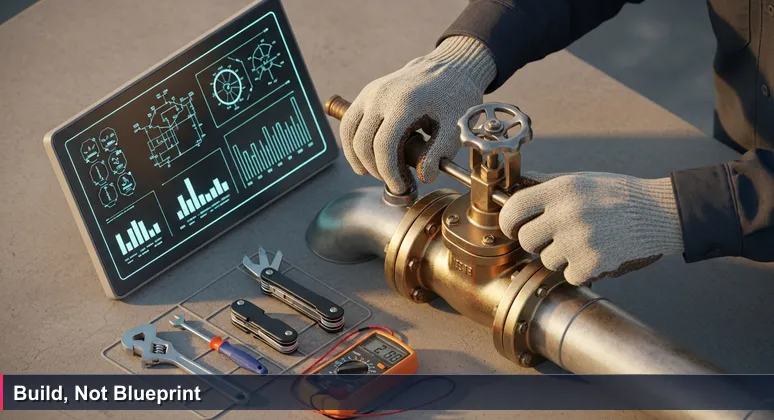
- The Dutch Way: Build, Don't Just Blueprint
- Junior DevOps Engineer
- Junior SOC Analyst
- Junior Software Developer
- Technical Support Engineer
- Junior Data Analyst
- QA / Software Tester
- Cloud Support Associate
- IT Support Specialist
- Frontend Junior Developer
- Junior Data Steward / Data Entry Specialist
- Your Toolbox is Your Ticket
- Frequently Asked Questions
Navigate the Dutch AI job market in 2026 with this complete guide.
Junior DevOps Engineer
DevOps is the critical nexus of building and maintaining the digital landscape, and Dutch companies are actively seeking talent who can automate and streamline. Start by mastering the fundamentals of a major cloud platform - AWS, Azure, or Google Cloud. An entry-level certification like the AWS Cloud Practitioner serves as a powerful, recognized signal of your foundational knowledge.
Your portfolio must demonstrate real building skills. Create a public GitHub repository featuring Infrastructure-as-Code scripts using Terraform to deploy an application, and document a CI/CD pipeline built with GitHub Actions or Jenkins. Hands-on experience with containerization (Docker) and orchestration (Kubernetes) from personal labs is highly valued. For a structured path, the Back End, SQL and DevOps with Python bootcamp covers these essential, practical skills.
A realistic timeline is 6-9 months: cloud and Linux fundamentals (months 1-3), a CI/CD tool and containerization (months 4-6), followed by building a comprehensive portfolio project. The highest concentration of roles is in Amsterdam's scale-up scene and the ASML ecosystem in Eindhoven. When applying, emphasize your understanding of system reliability and automation. Entry-level salaries range from €45,000 to €53,000, with medians reaching €65,000-€76,000 according to 2026 Glassdoor data for Amsterdam.
Junior SOC Analyst
Cybersecurity is a national priority in the Netherlands, with The Hague branded as the "Security Delta." This creates a clear pathway for those starting out. Begin with foundational knowledge from free resources, then validate it with an entry-level certification. The CompTIA Security+ is the global standard, but also explore the Blue Team Level 1 (BTL1) certification for its hands-on, practical approach favoured by employers.
Since you lack a degree, your lab work is your credential. Detail a home lab where you deployed a Security Information and Event Management (SIEM) tool like Splunk (free tier) or the open-source Wazuh to ingest and analyse logs. Write a brief case study on a simulated threat you detected and triaged. This practical demonstration is exactly what skills-first hiring managers are seeking.
A focused 4-6 month plan is feasible. Follow the Security+ syllabus, complement it with hands-on labs from platforms like TryHackMe, and then spend 1-2 months building your defensive home lab. Target the vast security ecosystem in The Hague, including consultancies like KPMG and Deloitte, as well as telecom giants. Fluency in English is mandatory, but speaking Dutch can increase your salary by roughly €8,250 per year in the local market. According to the Salary in cybersecurity in the Netherlands (2025-2026) report, entry salaries start between €38,000 and €48,000, with significant growth potential.
Junior Software Developer
As the bedrock of the tech ecosystem, software development roles remain highly accessible through structured, project-based learning. Your primary task is to choose a technology stack aligned with the Dutch market's regional specialisations: JavaScript (React/Node.js) for web-focused roles in Amsterdam's SaaS startups, or Java/C# for enterprise and fintech roles in cities like Rotterdam and Utrecht.
Your GitHub profile is your main credential. It must contain several deployed, live web applications - use free hosting from Vercel or Netlify. Include clean, well-documented code and contributions to open-source projects. A bootcamp completion certificate from a recognised provider is a strong substitute for a degree, especially as part of a regional initiative. This practical approach is what Dutch employers specifically recognize for technical roles.
If self-learning, a 9-12 month timeline is realistic for building progressively complex projects. When applying to companies like Adyen or bol.com, highlight not just what you built, but why - your problem-solving process. Be prepared for technical interviews that assess practical coding skill above theoretical knowledge. Entry salaries range from €38,000 to €52,000, with Amsterdam offering roles at the higher end of the scale and The Hague and Rotterdam providing competitive rates for fintech specialists.
Technical Support Engineer
This role expertly bridges complex technical systems and customer success, perfect for those with both technical aptitude and essential soft skills. To move beyond basic help desk positions, you need to understand how software systems communicate via APIs and demonstrate advanced troubleshooting capabilities. Certifications like the ITIL Foundation are highly valued in structured Dutch corporate environments, providing a framework for service management.
Your resume must showcase analytical problem-solving. Instead of generic descriptions, write: "debugged API integration errors by analyzing logs and collaborated with the engineering team to resolve a latency issue." Creating clear guides that explain technical concepts like OAuth 2.0 flow demonstrates your ability to translate complexity, a crucial skill. For customer-facing roles at Dutch companies, even B2 level Dutch proficiency can be a significant asset, though English suffices at multinationals.
Prime opportunities are at Amsterdam's multinationals like Booking.com and fintech leaders like Adyen. In interviews, emphasize your "customer-centric engineering" mindset - you're not just closing tickets but identifying root causes and improving products. Demonstrate how you turn user frustration into actionable technical feedback. With entry salaries starting higher than standard support at €48,000 to €55,000, this role offers a substantial entry point into the Dutch tech ecosystem with clear pathways into specialized engineering positions.
Junior Data Analyst
Dutch industries from port logistics to healthcare run on data, making analysts who can transform raw information into clear insights indispensable. Your foundation must be SQL mastery, the non-negotiable skill for querying databases. From there, build proficiency in Python for data analysis (Pandas, NumPy) or R, and a visualization tool like Tableau or Power BI. This practical skillset is precisely what Dutch employers recognize for practical data science roles.
Your portfolio is your proof of competency. Build 2-3 interactive dashboards on Tableau Public or GitHub Pages that tell a story using public datasets like CBS StatLine for Dutch demographics. For each project, document your entire process: the business question, data cleaning steps, analysis, and why you chose specific visualizations. The Google Data Analytics Professional Certificate offers a comprehensive, respected track to structure this learning over approximately six months.
Target your applications by sector and city: logistics and maritime data in Rotterdam, insurance and healthcare analytics in Utrecht, or e-commerce at Bol.com. In your applications, stress analytical rigor and, critically, GDPR compliance awareness - a fundamental legal framework in the Netherlands. Show you can be the crucial link between data and business decisions. Entry salaries sit between €36,000 and €45,000, with strong growth potential as you specialise.
QA / Software Tester
Ensuring software quality is a systematic craft valued across the Dutch tech landscape. Start by earning the ISTQB Foundation Level certification - it's the established industry standard in Europe and signals serious intent to employers. This foundational knowledge should be paired immediately with practical skills in automation testing frameworks.
Your portfolio must demonstrate more than just finding bugs. Document a testing suite you created for a sample application, showcasing your ability to write basic automation scripts using Selenium with Python or Cypress with JavaScript. Include well-structured bug reports that detail steps to reproduce, expected versus actual results, and severity assessments. This evidence of meticulous process is what Dutch companies value.
Demand for testers is steady across all major Dutch tech hubs. Companies like Coolblue and Booking.com need professionals who understand both manual exploratory testing and the fundamentals of automation. Frame yourself as a user advocate and quality gatekeeper, ensuring the final product aligns with the renowned Dutch value for good design and functionality. According to 2026 salary data from Glassdoor, roles start at €39,000 to €46,000, with a slight premium often available in Amsterdam's competitive market.
Cloud Support Associate
The Cloud Support Associate role serves as the essential on-ramp to cloud engineering, focusing on helping customers effectively use cloud services rather than deep architectural specialisation. This position requires broad foundational knowledge across a cloud platform's core services. The essential first step is earning an entry-level certification like the AWS Cloud Practitioner or Microsoft Azure Fundamentals, which is achievable with 1-2 months of dedicated study.
Your demonstrable skills should prove you can navigate a cloud console and solve real problems. An ideal portfolio project is a walkthrough of hosting a static website on AWS S3 and CloudFront, securing it with a custom domain and SSL/TLS, and managing access through IAM policies. Include evidence of basic Linux command-line proficiency, as this is fundamental for troubleshooting. Building these practical, foundational skills is a focus of programs like the Back End, SQL and DevOps with Python bootcamp, which prepares learners for these exact scenarios.
In the Netherlands, look to major data center hubs in Eemshaven and Middenmeer, and cloud-centric roles at telecom providers like VodafoneZiggo in Amsterdam. This role is widely recognized as a fantastic 12-18 month stepping stone into more specialized cloud engineering or architecture positions. When applying, highlight your patience for technical explanation and clear communication skills. Entry salaries range from €42,000 to €50,000, offering a solid foundation for rapid career progression in the country's expanding cloud infrastructure sector.
IT Support Specialist
The IT Support Specialist role remains the classic, robust entry point into the Dutch tech sector, where you prove your troubleshooting mettle and learn how organizations fundamentally use technology. Certifications are key differentiators here: the CompTIA A+ for core technical skills and ITIL Foundation for understanding service management frameworks are highly valued by Dutch employers. Practical experience from volunteering to manage tech for a local organisation or freelance repair work strengthens your application significantly.
While English suffices at multinationals, fluency in Dutch dramatically widens your opportunities at local firms, municipalities, and government-adjacent organisations across the Randstad. Your resume should explicitly list experience with specific ticketing systems like ServiceNow or Jira Service Desk and remote support tools. Emphasize a process-driven approach and customer service orientation - it's a role of maintenance and immediate problem-solving, reflecting deeply Dutch pragmatic virtues.
Regional demand varies: while roles are plentiful nationwide, Amsterdam and Utrecht typically offer a 10-15% salary premium. Eindhoven's high-tech ecosystem also creates specific demand for support specialists with an aptitude for hardware and industrial environments. According to 2026 salary data for Amsterdam, entry-level positions start between €32,000 and €42,000, offering a stable foundation for career growth into network administration, systems engineering, or cybersecurity.
Frontend Junior Developer
This role focuses on crafting the user interface - the visible, interactive part of the digital landscape. Mastery of core CSS, HTML, and modern JavaScript is just the beginning; proficiency in a framework like React or Vue.js (highly popular in the Netherlands) is essential. Your portfolio itself must be your first product: build a beautiful, responsive personal site from scratch without templates to demonstrate foundational skills.
Follow this with 2-3 project sites that showcase interactivity, API integration, and a keen eye for UI/UX principles, accessibility, and performance (use Lighthouse audits to prove it). Dutch employers particularly appreciate a developer who cares about the end-user experience as much as clean code. A structured frontend bootcamp can provide this focused, project-based learning path in approximately 17 weeks, moving you from learning concepts to building deployed applications.
Target the creative tech hubs in Utrecht and Amsterdam, applying to digital agencies like Fabrique or e-commerce players like Coolblue. Your application should highlight your design sensibility and meticulous attention to detail - qualities that align with the Dutch reputation for thoughtful design. Entry salaries begin at €35,000 to €48,000, with strong growth as you specialize in areas like responsive design, performance optimization, or specific frameworks demanded by the local market.
Junior Data Steward / Data Entry Specialist
This role forms the essential foundational layer of the data ecosystem, ensuring information is clean, reliable, and properly governed. In a GDPR-strict region like the European Union, this function is not just important but a critical compliance requirement for any data-driven Dutch company. Your value lies in demonstrating extreme attention to detail and a rigorous, process-oriented approach to data handling.
The required skillset is focused and attainable: highlight experience with data validation, cleansing techniques, and any exposure to CRM platforms like Salesforce or SAP. Even basic SQL knowledge for querying and checking databases will set you apart significantly from other candidates. Crucially, you must explicitly mention a firm understanding of GDPR compliance principles for data handling; consider completing a free online course on GDPR basics to solidify this knowledge.
Look for opportunities at large employers with massive datasets, such as Randstad or Ahold Delhaize, across the Randstad's major administrative and logistics centers. Frame yourself as a guardian of data quality - the first, essential line of defense for any analytics or business intelligence function. This role offers a stable entry point into the tech-adjacent world with salaries from €28,000 to €35,000, providing a platform to advance into more analytical roles with further upskilling.
Your Toolbox is Your Ticket
The message from the Dutch tech market is unequivocal: the blueprint is not the territory. A university degree represents a plan, but employers are hiring for the demonstrated ability to build, maintain, and secure the digital landscape. This pragmatic, skills-first shift is a modern consensus, solving a national talent shortage with the same collaborative spirit that managed the water.
With the ecosystem attracting €2.64 billion in investments by early 2026, as reported in the State of Dutch Tech 2026, the demand for capable hands has never been higher. Your proven toolbox of certifications, portfolio projects, and practical experience is your direct ticket to contributing to systems that keep the Netherlands at the digital forefront.
Start where the Dutch always have: not by waiting for permission or for the water to recede, but by learning to manage its flow. Master the tools, build the evidence, and step into a career built on the solid, demonstrable ground of what you can do.
Frequently Asked Questions
Is it really possible to land a tech job in the Netherlands without a degree?
Yes, in 2026, the Dutch tech sector is shifting to a skills-first hiring model, valuing practical portfolios and certifications over formal education. For example, roles like Junior DevOps Engineer offer entry salaries from €45,000 to €53,000 based on demonstrable skills.
Which of these jobs offers the highest salary without a degree in the Netherlands?
Junior DevOps Engineer tends to have the highest entry salaries, ranging from €45,000 to €53,000, with medians up to €76,000 in tech hubs like Amsterdam and Eindhoven. Technical Support Engineer roles also start competitively at €48,000-€55,000.
How quickly can I get hired for one of these jobs if I start from scratch?
Some roles have shorter timelines: IT Support Specialist can be ready in 2-3 months with a CompTIA A+ certification, while Junior SOC Analyst might take 4-6 months with hands-on labs and Security+ certification. Building a portfolio is key to speed up hiring.
Do I need to speak Dutch to succeed in these tech jobs in the Netherlands?
English is often sufficient, especially at multinationals like Booking.com or Google, but Dutch proficiency can increase your salary by around €8,250 per year for some roles. It also opens doors to local firms and government-adjacent organizations.
Are these jobs concentrated only in Amsterdam, or available across the Netherlands?
While Amsterdam is a major hub, tech jobs are spread across the Randstad: Eindhoven for ASML and tech manufacturing, The Hague for cybersecurity, and Rotterdam for logistics and fintech. The growing AI startup ecosystem extends opportunities nationwide.
In 2026, the top resources for women in Dutch tech are highlighted here.
What to expect from AI compensation in the Netherlands in 2026 based on company tiers and tax advantages.
Discover Amsterdam and Eindhoven companies hiring AI specialists with insider perspectives.
Learn about who's hiring cybersecurity professionals in the Netherlands in 2026 in this comprehensive guide.
This guide evaluates the top Dutch tech hubs for 2026, including spaces in Amsterdam and Eindhoven.

Irene Holden
Operations Manager
Former Microsoft Education and Learning Futures Group team member, Irene now oversees instructors at Nucamp while writing about everything tech - from careers to coding bootcamps.