









Top 10 Healthcare Careers You Can Train for with WRT Funding in Washington (2026)
By Irene Holden
Last Updated: January 10th 2026
Too Long; Didn't Read
Nursing Assistant and Medical Assistant are the top WRT-friendly picks in Washington because they offer the quickest return to work while matching high statewide need. Washington projects about 168,000 additional healthcare workers by 2032; CNAs can finish training in four to twelve weeks and earn roughly twenty-one to twenty-four dollars an hour, while Medical Assistants usually train nine to twelve months and average about fifty-five thousand dollars a year, and Worker Retraining often covers tuition and fees with some approved private providers like Nucamp offering up to eighty percent tuition assistance for eligible students.
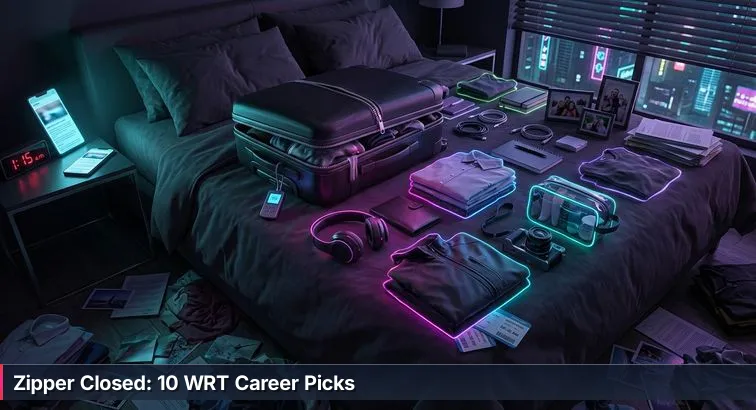
It’s 1:15 a.m. and the floor has disappeared under piles: work clothes you might never need again, a stack of family photos, the sweatshirt you always grab when everything feels too loud. On the bed, an open suitcase is already close to that airline’s 50-pound limit, and your phone is glowing with yet another “Top 10 Things You Must Pack” list that somehow doesn’t help at all.
Career lists can feel the same. One article tells you to pick a “best” healthcare job, another insists you must “follow your passion,” and none of them mention rent due next month, childcare, or a back that can’t handle 12-hour shifts. “Top 10” sounds like there’s one right answer at the top, but there isn’t. This list is ranked using a few clear, practical criteria - demand in Washington, typical wages, training time (usually under 2 years), and how often programs show up on Worker Retraining (WRT) approval lists - so you can reshuffle the order based on what actually fits in your suitcase.
- High demand in Washington through 2032 (real projected openings, not hype)
- Shorter training time so you can get back to earning without years out of the workforce
- Good alignment with Worker Retraining-approved programs across Washington colleges
- Median wages that can move the needle for a household, not just cover gas money
Think of it like sorting the piles on the floor into “must keep,” “maybe,” and “nice to have.” Every career on this list is already matched to Washington’s job market - the destination on your boarding pass. State analysts expect Washington will need around 168,000 additional healthcare workers by 2032, according to updated employment projections from Washington’s Employment Security Department. Your job isn’t to guess a mythical #1 career; it’s to pick the two or three options that match your limits on time, money, and energy.
Worker Retraining as your baggage allowance
Worker Retraining is Washington’s way of helping you get your essentials into that suitcase without paying full freight. It’s a state program, usually run through community and technical colleges, that focuses on people whose work lives have been upended - laid-off workers, people who’ve exhausted unemployment, those coming out of self-employment, recently separated service members, displaced homemakers, and others who now count as “vulnerable workers.” In many cases, WRT can cover tuition, fees, and sometimes books for approved programs, and it connects you to WorkSource services for job search and support. Colleges such as Bellevue College keep public Worker Retraining-approved program lists so you can see exactly which healthcare credentials qualify before you commit space in your bag. Over and over, state leaders describe WRT not as a one-time ticket, but as a way to build up layers of training that work together.
“Worker Retraining is a pathway to college credit and industry credentials that can stack into an associate degree, not just a one-off class.”
- Becky Wood, Policy Associate, Washington State Board for Community and Technical Colleges
That “stacking” is what lets you repack later. You might start with a short, high-demand role like Nursing Assistant to get income flowing again, then add another layer - Licensed Practical Nurse, Medical Assistant, or even a tech-leaning program. Alongside the community and technical colleges, some approved private career schools, such as Nucamp, use Worker Retraining to offset up to 80% of tuition in eligible online bootcamps, with many students paying about $100 a month for 5 months out of pocket. Funding depends on your specific situation and WRT rules, so you still need to confirm eligibility with WorkSource or a college Worker Retraining office. But every career you’re about to see shows up again and again on those approved lists, so when you start choosing what goes into your suitcase, you’re not just hoping it will make it past the gate - you’re packing for where Washington actually has room for you to land.
Table of Contents
- Packing for a New Life
- Nursing Assistant
- Medical Assistant
- Medical Billing and Coding
- Phlebotomist
- Pharmacy Technician
- Dental Assistant
- Licensed Practical Nurse
- Surgical Technologist
- Respiratory Therapist
- Radiologic Technologist
- How to Pack Your Own Shortlist
- Frequently Asked Questions
Veterans should review the WRT for recently discharged veterans section to understand required documents.
Nursing Assistant
If you need income to start flowing again sooner rather than later, Nursing Assistant-Certified (NAC, often called CNA) is like the light jacket that actually fits in the suitcase: it doesn’t take long to pack, it works in a lot of different situations, and Washington employers are asking for it over and over. A statewide long-term care report found there are about 56 open Nursing Assistant jobs for every available worker in Washington’s long-term care system, a sign of just how severe the shortage is, especially in nursing homes and assisted living. Short programs that prepare people for this role are a clear priority in efforts documented by the Washington Long-Term Care Workforce Initiative legislative report, which treats nursing assistants as the backbone of day-to-day care.
What you do day to day
As a CNA/NAC, you’re the person patients see most often. You work in places like hospitals, skilled nursing facilities, assisted living, and home care, helping people with the basics that make life possible when they can’t manage on their own. In a typical shift, that can include helping with bathing and dressing, meals, and walking or transfers; taking and recording vital signs like blood pressure and temperature; assisting nurses with basic procedures and documentation; and noticing small changes in how someone is doing and reporting them quickly. The work is physical and hands-on, and it can be emotionally heavy at times, but many people also find meaning in the consistent relationships they build with residents and families.
Pay and job outlook in Washington
Washington nursing assistants typically earn around $21-$24 per hour, or roughly $43,000-$50,000 per year, depending on the setting, shifts, and region. Because CNAs are essential in long-term care, hospitals, and home health, demand stays high even when other parts of the economy slow down; people need help getting out of bed and eating dinner whether or not the stock market is up. That combination of urgent statewide shortages and steady, recession-resistant work is one reason this role sits at the top of a Worker Retraining list: it’s a way to re-enter the workforce quickly in a field Washington is actively trying to staff.
Training time and certification path
The training itself is relatively compact compared to many healthcare paths. Most state-approved CNA programs run about 4-12 weeks, often 4-8 weeks full time, including classroom instruction and supervised clinical hours. You’ll usually train through a community or technical college or a union-affiliated program; examples that frequently appear on Worker Retraining-approved lists include Bellevue College’s I-BEST CNA option, Tacoma Community College, and Walla Walla Community College. After finishing the program, you’ll need to:
- Complete a Washington-approved Nursing Assistant program with required clinical hours.
- Pass the state Nursing Assistant competency exam.
- Apply to the Department of Health for Nursing Assistant-Certified (NAC) status and keep your credential current.
Who this is a good fit for
This path tends to work best if you need to be earning again in under three months, you’re physically able to be on your feet and assist with lifting or repositioning, and you want to see whether direct patient care feels sustainable for you before committing to a longer program. Many people use CNA as a first layer in their suitcase, then “repack” later into stackable credentials such as Licensed Practical Nurse or Registered Nurse once income is steadier. Worker Retraining can often help cover tuition and fees for the CNA program itself, but like that airline weight limit, the exact rules depend on your situation, so it’s important to confirm your personal eligibility with a WorkSource advisor or your college’s Worker Retraining office before you enroll.
Medical Assistant
Sliding Medical Assistant into your shortlist is a bit like choosing a good everyday pair of shoes instead of formal heels: it takes a little more room in the suitcase than CNA, but you can wear it in a lot of settings and it tends to hold up over time. Training is longer than a few-week certificate, yet still measured in months rather than years, which matters when savings are thin and you can’t be out of the workforce for long. On top of that, Washington treats medical assistants as a critical entry layer in its healthcare system, especially in primary care and specialty clinics where most people get routine care.
What the job actually looks like
Medical assistants move back and forth between the front of the clinic and the exam rooms. In a given day, you might be rooming patients and taking vital signs, updating electronic health records, giving injections or drawing blood (depending on your clinic’s policies), setting up for minor procedures, and then switching gears to answer phones, handle refills, or help sort out insurance questions. You’ll see a steady stream of people but usually in a more predictable, Monday-Friday rhythm than hospital roles, which can be a relief if you’re juggling school drop-offs or elder care on top of everything else.
Pay, demand, and the training timeline
In Washington, the typical Medical Assistant earns a median salary of about $55,120 per year, or roughly $26.98 an hour, according to recent state-level pay estimates summarized by Glassdoor’s Washington medical assistant salary data. National projections suggest the role will grow around 15% through 2033, faster than average for all occupations, which lines up with what clinics in urban areas like Seattle-Tacoma and growing regions report: it’s hard to hire and keep enough MAs to meet demand. Training usually takes 9-12 months for a certificate, or up to 2 years for an associate degree that can later stack into other health programs. Washington requires you to become a Medical Assistant-Certified (MA-C) through the Department of Health, which typically means completing an accredited program and then passing a national exam such as CMA or RMA.
| Pathway | Typical Length | Credential | How it fits in your “suitcase” |
|---|---|---|---|
| Certificate | 9-12 months | Certificate + MA-C license | Quicker re-entry to work; lighter on time and tuition |
| Associate Degree | Up to 2 years | AAS in Medical Assisting + MA-C license | Heavier to carry now, but more credits to stack into future programs |
“Medical assistants are in high demand and can often begin working in the field in a year or less, making this one of the most accessible healthcare careers.”
- Editorial team, Goodwin University, health careers overview
Where Worker Retraining fits, and who this suits best
For many people using Worker Retraining, Medical Assistant is the next layer after CNA: still focused on direct patient contact, but with a bit more variety and generally higher pay. Community and technical colleges such as Bellevue College, South Seattle College, and Clover Park Technical College commonly include MA-C programs on their Worker Retraining-approved lists, which can help cover tuition, fees, and sometimes books if you meet eligibility rules. This path tends to fit if you’d prefer mostly daytime shifts, want a balance of hands-on care and administrative work, and can commit to a training program that’s closer to a backpack than a tiny carry-on. As with any WRT-funded option, the exact “weight limit” depends on your personal situation, so it’s worth sitting down with a WorkSource advisor or college Worker Retraining office to confirm what they can help with before you enroll.
Medical Billing and Coding
When your body or schedule can’t handle long shifts on your feet, Medical Billing and Coding can feel more like packing a solid laptop than another pair of work boots: still important, still powerful, but lighter on your back. Instead of lifting patients, you’re lifting information - turning what providers do in exam rooms into the codes and claims that keep clinics and hospitals paid. Many people who can’t do bedside work anymore, or who need something that can eventually be done from home, treat this as a way back into healthcare without re-injuring old wounds.
What the work actually is
Most billing and coding roles live behind the scenes in hospital business offices, outpatient clinics, insurance companies, or third-party billing firms. Your day is spent translating visits, diagnoses, and procedures into standardized ICD-10 and CPT codes, preparing and submitting claims to insurers, following up on denials, and checking documentation so the record tells a clear, billable story. It’s detail-heavy, computer-based work with steady routines: you’re more likely to be dealing with multiple browser tabs and spreadsheets than with bodily fluids, and the people you interact with most are coworkers, providers, and insurance reps rather than patients.
Pay, demand, and the training load
In Washington, people working in medical billing and coding typically earn around $52,000-$58,000 per year, depending on experience, credentials, and whether they’re in hospital or clinic settings. Because every lab test, office visit, and surgery generates a claim, the work is tightly tied to the overall growth of healthcare - and to the continued shift to electronic health records and more complex insurance rules. Most focused billing and coding certificates take about 9-12 months, and broader health information or technology associate degrees run close to 2 years. Many colleges encourage you to sit for industry-recognized exams like CPC (Certified Professional Coder) or CCS (Certified Coding Specialist) once you’ve finished, which can open up higher-paying or remote positions. Programs at places like Bellevue College often appear on their Worker Retraining-approved healthcare lists, so you can check whether a specific billing or coding track is eligible before you commit.
| Path | Typical Length | Focus | Common Next Step |
|---|---|---|---|
| Billing & Coding Certificate | 9-12 months | Core ICD-10/CPT coding, claims, denials | Sit for CPC/CCS and apply for entry-level roles |
| Health Information Associate | ~2 years | Broader health IT, data, and compliance | Move toward analyst, auditor, or supervisory tracks |
How Worker Retraining and Nucamp can fit
For some Washington students, this path has meant a fairly quick return to work: success stories from local workforce programs describe people like Christina, who completed a state-funded billing and coding program in about three months, passed a certification exam, and landed a full-time remote job four months later. Worker Retraining can often help with the tuition and fees for an approved college certificate, and some students then “layer” in additional tech skills to widen their options - for example, combining a health information program with an online coding bootcamp. Nucamp, an approved Private Career School for Washington’s Worker Retraining Program, offers fully online options in areas like full stack web development, back end with Python and SQL, and cybersecurity, with up to 80% tuition assistance for eligible residents and typical out-of-pocket costs around $100 a month for 5 months. That extra layer can help if you eventually want to move toward health IT, analytics, or more technical remote roles. Funding rules are as strict as airline baggage limits, though, so you’ll want to confirm with WorkSource or your college’s Worker Retraining or financial aid office that your specific billing/coding program - and any Nucamp bootcamp you’re considering - can actually be covered before you count on it in your plan.
Phlebotomist
Phlebotomy is one of those compact items that still earns its place in the suitcase: not as big a commitment as a nursing degree, but solid enough to get you on the plane. Training usually takes about 1-2 academic quarters (roughly 3-6 months), and in Washington it leads to the Medical Assistant-Phlebotomist (MA-Phleb) credential. Many veterans and career-switchers use Worker Retraining to move into this role because it offers direct patient contact, clear routines, and a relatively fast path back to a paycheck.
What you actually do
Phlebotomists spend most of their day drawing blood and making sure every sample is labeled and handled correctly. You might work in a hospital lab, an outpatient draw site, a diagnostic laboratory, or a blood donation center. A typical shift includes verifying patient identity, calming people who are nervous about needles, collecting blood using different techniques, and preparing tubes for transport so lab staff can run tests. The interactions are short but frequent; you see a lot of people, just not for very long.
“Phlebotomists are vital members of clinical laboratory teams. They draw blood for tests, transfusions, research, or blood donations, and must reassure patients and explain procedures to them.”
- U.S. Bureau of Labor Statistics, Occupational Outlook Handbook, Phlebotomists
Pay, demand, and training time in Washington
Washington phlebotomists typically earn a median salary of about $43,700-$47,632 per year, which works out to roughly $22.90 an hour based on statewide estimates compiled by compensation sites such as ZipRecruiter. Nationally, the Bureau of Labor Statistics projects that employment of phlebotomists will grow faster than the average for all occupations as diagnostic testing and outpatient services expand, a trend reflected in the rising demand for lab support roles described in the Occupational Outlook Handbook entry on phlebotomists. Because every blood test in a hospital, clinic, or mobile unit requires someone trained to collect it safely, the work tends to remain steady even when other sectors tighten.
Training path and how it fits in your “suitcase”
The educational piece is relatively light compared to many healthcare options, but still structured. Most Washington programs run one to two quarters and combine classroom work with supervised practice in a lab and real-world clinical hours. To work legally as a phlebotomist here, you’ll generally need to:
- Complete a state-approved phlebotomy or MA-Phlebotomist program with required clinical experience.
- In many cases, pass a national certification exam (for example, through ASCP or NHA), which can make you more competitive.
- Apply to the Washington Department of Health for Medical Assistant-Phlebotomist certification and renew it on schedule.
Community and technical colleges like Bellevue College, Renton Technical College, and Everett Community College commonly appear on Worker Retraining-approved lists for this pathway, and WRT can often help with tuition, fees, and sometimes books if you meet eligibility rules. Salary data from sources such as ZipRecruiter’s Washington phlebotomy salary estimates can give you a clearer picture of what the role might mean for your budget once you’re working.
| Option | Typical Length | Credential | How you might “stack” it |
|---|---|---|---|
| Standalone Phlebotomy/MA-Phleb Certificate | 3-6 months | MA-Phlebotomist license | Work in labs or hospitals while you regain financial stability |
| Phlebotomy within a Broader MA Program | 9-12 months+ | MA-C with phlebotomy skills | Open doors to clinic roles and later steps like MLT or nursing |
Who this tends to fit
This path usually makes sense if you’re okay with needles and blood, prefer brief, task-focused interactions over long bedside shifts, and need a credential you can complete in under six months. The work is still physically active, but not as lifting-intensive as some nursing roles, and it gives you a foothold inside hospitals and labs where you can see other careers up close. If you’re rebuilding after a layoff or military separation, phlebotomy can be that small but solid item in your suitcase: enough to get through the gate now, with room to repack later into Medical Assistant, medical laboratory technology, or nursing when your finances and energy allow.
Pharmacy Technician
Pharmacy Technician is the medium-sized item in the suitcase: bigger than a quick CNA course, smaller than a full nursing degree, and useful in a lot of different “weather.” Training typically runs about 6-12 months, and at the other end are steady jobs in retail and hospital pharmacies where medications still have to be counted, labeled, and checked no matter what the broader economy is doing. In Washington, median pay usually falls around $48,000-$52,000 per year, so it can make a noticeable difference for a household once you’re back to work.
What the role looks like day to day
As a pharmacy technician, you work under the supervision of a pharmacist to keep the medication side of care moving. In a retail pharmacy, that might mean entering prescriptions, counting and labeling pills, handling insurance rejections at the counter, and answering basic questions while the pharmacist steps in for clinical issues. In a hospital pharmacy, you’re more behind the scenes: preparing doses for inpatient units, mixing sterile products (after extra training), restocking medication carts, and responding to stat requests from nurses. Mail-order and specialty pharmacies lean heavily on phone, data entry, and shipping, with less face-to-face customer interaction but a lot of focus on accuracy and logistics.
Pay, demand, and work settings in Washington
Washington’s broader healthcare sector is one of the state’s most reliable sources of new jobs, and pharmacy support roles are part of that growth. Resources that track health careers in the state, such as MedicalFieldCareers’ overview of Washington healthcare careers, list pharmacy technician among the in-demand allied health options tied to hospitals, clinics, and retail systems. With typical earnings in the $48,000-$52,000 range and opportunities in urban centers and smaller communities, the role offers a combination of customer service and technical work that tends to stay steady across economic ups and downs because people need prescriptions filled regardless of the job market.
Training path, certification, and Worker Retraining
The training “weight” is manageable for many people restarting after a layoff or caregiving break. Most pharmacy technician certificate or diploma programs take 6-12 months and include classroom instruction, lab practice with counting and compounding, and supervised hours in real pharmacies. In Washington, you’ll generally need to complete an accredited program, pass the Pharmacy Technician Certification Board (PTCB) exam or an equivalent national test, and then register with the Department of Health as a pharmacy technician. Community and technical colleges like North Seattle College, Clark College, and Yakima Valley College often have pharmacy tech programs on their Worker Retraining-approved lists, which means WRT may help cover tuition, fees, and sometimes books if you meet eligibility rules. That support can turn what would be a heavy expense into something closer to a carry-on you can actually lift.
| Setting | Focus of Work | Typical Schedule | What to Expect |
|---|---|---|---|
| Retail Pharmacy | Customer service, insurance claims, dispensing | Days, evenings, weekends | Fast pace, lots of public interaction, standing most of the shift |
| Hospital Pharmacy | Inpatient medication prep, carts, sterile products | Rotating shifts, including nights | More behind-the-scenes, close work with nurses and clinical teams |
| Mail-Order/Specialty | Phone support, data entry, packaging and shipping | Mostly weekdays | Less face-to-face contact, strong emphasis on accuracy and logistics |
Who this tends to fit
This path often works well if you’re detail-oriented, comfortable with basic math and dosages, and able to stay calm when a line is forming at the counter or orders are stacking up in the queue. The job is still on your feet, especially in retail, but not as physically demanding as lifting and repositioning patients. If you like the idea of mixing customer interaction with careful, behind-the-counter work - and you can commit about a year to training with help from Worker Retraining - pharmacy technician can be a practical, mid-sized piece in your suitcase that gives you stability now and options later, whether that’s advancing within pharmacy or stepping sideways into other allied health roles.
Dental Assistant
Dental assisting is a bit like packing a reliable daytime outfit: it takes more space than a short CNA course, but it’s built for regular clinic hours and steady routines. Most programs run about 1 year, which is a bigger commitment when money is tight, yet still far shorter than many degree paths. In return, Washington dental assistants earn an average of about $54,194 per year (around $26.05 an hour), with top earners reaching close to $79,281. That kind of pay can start to move things beyond just covering the basics once you’re back to work.
What the job feels like day to day
Dental assistants usually work in small teams inside general dental offices, specialty practices like orthodontics or oral surgery, or community clinics. A typical day can include setting up and disinfecting treatment rooms, sterilizing instruments, seating patients, taking X-rays (with proper training), and assisting the dentist chairside by passing instruments, managing suction, and preparing materials. You may also help with scheduling, billing, and explaining aftercare instructions. The hours are often more predictable than hospital shifts - many practices stick to weekday, daytime schedules - which can matter a lot if you’re managing school drop-offs, a second job, or caregiving on either side of work.
“Dental assistants perform many tasks, ranging from patient care to recordkeeping and scheduling appointments.”
- U.S. Bureau of Labor Statistics, Occupational Outlook Handbook, Dental Assistants
Pay, demand, and growth in Washington
Nationally, employment for dental assistants is projected to grow by about 19% by 2026, driven by an aging population and a stronger focus on preventive care. In Washington, tools like Career Bridge’s dental assistant career profile flag the role as a key part of the state’s health science pathways, with steady openings in both urban and regional areas. While dental visits can dip during economic downturns, they rarely disappear; many practices see pent-up demand once people feel able to return, which helps keep the work more stable over time than some purely elective services.
Training path, certification, and Worker Retraining
Most Washington dental assisting programs are structured as one-year certificates that combine classroom learning, lab practice, and clinical rotations in real dental offices. After completing a state-recognized program, you register as a Dental Assistant with the Washington Department of Health. Some graduates then choose to sit for a national exam to become a Certified Dental Assistant (CDA); analyses from dental education organizations indicate that national certification can increase pay by roughly 10-20% compared with non-certified peers. Colleges like Bellingham Technical College and Lake Washington Institute of Technology often have dental assisting on their Worker Retraining-approved lists, which means WRT may help cover tuition, fees, and sometimes books if you meet eligibility rules. That support can turn what looks like a bulky item in your suitcase into something you can actually carry.
| Pathway | Typical Length | Credential | Impact on Career |
|---|---|---|---|
| State-Approved Certificate | ~1 year | WA Dental Assistant registration | Qualifies you for entry-level chairside roles |
| Certificate + CDA Exam | ~1 year + exam prep | State registration + national CDA | Can boost wages and open doors in specialty practices |
Who this tends to fit
This route often works for people who are comfortable working close to others’ faces, have steady hands, and appreciate a more predictable, clinic-based schedule. The physical demands are real - you’re on your feet, leaning in, and moving equipment - but you’re not doing the heavy lifting common in hospital nursing roles. If you can commit about a year to training with help from Worker Retraining, dental assisting can be a practical way to rebuild: a role with regular hours, patient interaction in smaller doses, and a clear opportunity to “layer up” later with added certifications or expanded duties as your situation stabilizes.
Licensed Practical Nurse
Licensed Practical Nurse (LPN) is the heavier coat in your suitcase: it takes more room than a CNA or short certificate, but it also offers more warmth in the form of higher pay and responsibility. Training usually runs about 12-18 months, and in Washington the median LPN salary lands around $65,000-$72,000 per year, especially in long-term care, skilled nursing, and rehab facilities. For someone trying to rebuild after a layoff or a break for caregiving or military service, that mix of under-two-years of school and significantly better wages is often what makes this path worth considering, even when the idea of going back to class feels heavy.
What you do day to day
LPNs are the middle layer of hands-on nursing care. You’ll commonly work in nursing homes, assisted living, rehab centers, home health, and some clinics, where your day might include giving medications and injections, changing dressings and caring for wounds, monitoring and documenting vital signs and symptoms, updating care plans, and coordinating closely with RNs and providers. You may also supervise CNAs/NACs, delegate basic tasks, and be one of the main people families talk to about how their loved one is doing. The work is still physical and emotionally demanding, but you have more say in care decisions and a clearer clinical role than in many entry-level positions.
“Healthcare occupations such as registered nurses, nursing assistants, and home health aides are projected to remain among the top fields for job openings in the years ahead.” - Editorial team, U.S. Veterans Magazine, 2026 workforce forecast
Training, pay, and the nursing ladder
Most Washington LPN programs are built as focused certificates or associate degrees that take about 12-18 months of full-time study at a community or technical college. Schools like Bates Technical College, Green River College, and Olympic College frequently feature LPN on their Worker Retraining-approved lists, reflecting how central this role is to the state’s healthcare system. The path to licensure typically looks like this:
- Complete a state-approved Practical Nursing program (certificate or AAS-PN) with required clinical hours.
- Apply to sit for the NCLEX-PN exam, the national test for practical nurses.
- Obtain LPN licensure through the Washington State Board of Nursing and renew it regularly.
| Role | Typical Training Length | Approximate WA Pay | Main Focus |
|---|---|---|---|
| Nursing Assistant (CNA/NAC) | 4-12 weeks | $43,000-$50,000 per year | Basic daily care and vital signs |
| Licensed Practical Nurse (LPN) | 12-18 months | $65,000-$72,000 per year | Medications, wound care, supervising CNAs |
| Registered Nurse (RN) | 2-4 years | Higher than LPN (varies by degree and setting) | Comprehensive assessments, complex care planning |
Where Worker Retraining fits, and who this is for
Because the training “weighs” more than a short certificate, LPN is often a second or third layer people add after stabilizing income with a role like CNA. Worker Retraining can help lighten that load by covering tuition, fees, and sometimes books for approved LPN programs if you meet eligibility criteria as a dislocated worker, veteran, displaced homemaker, or other qualifying category. National analyses, such as the 2026 workforce forecast from U.S. Veterans Magazine, consistently highlight nursing-related roles as some of the most reliable for job openings, which supports treating LPN as a solid investment rather than a gamble. This path tends to fit if you’re ready for more responsibility than CNA or MA, can manage a year or more of structured training with financial aid and WRT support, and are open to working in long-term care or rehab while keeping the door open to “repack” later into an LPN-to-RN bridge when your life steadies a bit more.
Surgical Technologist
Surgical Technology is the bulky but high-value item in the suitcase: it takes more room than a quick certificate, yet it comes with wages around $68,000-$75,000 per year in Washington (roughly $32-$36 an hour) and a defined place on the operating room team. Training is usually 1-2 years, most often an Associate of Applied Science, so you’ll be out of the workforce longer than with CNA or MA - but still within a window many people can manage with Worker Retraining and careful budgeting.
What you do in the operating room
Surgical technologists, sometimes called “scrub techs,” work right next to surgeons, nurses, and anesthesia providers. Before a case, you set up the operating room, check equipment, and lay out instruments and supplies. During surgery, you maintain the sterile field, pass instruments and sutures, anticipate what the surgeon will need next, and help keep track of every sponge, needle, and tool so nothing is left behind. Afterward, you assist with dressing the surgical site and turning over the room for the next patient. It’s intense, detail-critical work, and you’re often standing for long stretches, but you’re part of a tight, focused team where everyone knows their role.
Demand, training path, and Worker Retraining
As the population ages and more procedures move to outpatient settings, the need for surgery support staff keeps growing. Regional sector reports, such as Workforce Southwest Washington’s healthcare overview, highlight surgery-related support roles as high-priority positions for hospitals and ambulatory surgery centers. That “excellent” outlook is one reason Surgical Tech programs at colleges like Seattle Central College and Clover Park Technical College show up frequently on Worker Retraining-approved lists. The usual sequence looks like this: complete a 1-2 year, CAAHEP-accredited Surgical Technology program with clinical rotations; sit for the Certified Surgical Technologist (CST) exam through the NBSTSA (often required by employers); then register with the Washington Department of Health as a surgical technologist. WRT can often help cover tuition, fees, and sometimes books if you qualify as a dislocated worker, veteran, displaced homemaker, or another eligible category, but you’ll still want to confirm your personal eligibility with WorkSource or a college Worker Retraining office before you count on it.
| Work Setting | Typical Cases | Schedule Pattern | What to Expect |
|---|---|---|---|
| Hospital OR | Emergency, trauma, complex surgeries | Days, evenings, nights, on-call | High pressure, unpredictable days, rapid pace |
| Ambulatory Surgery Center | Planned outpatient procedures | Mostly weekdays, daytime | More predictable schedule, still fast-paced |
| Specialty Practice (e.g., ortho, eye) | Narrower range of procedures | Varies by specialty | Deep familiarity with a specific type of surgery |
Who this tends to fit
This path usually works best if you can tolerate blood and open surgery, stay calm when things get urgent, and don’t mind being on your feet for long stretches in a highly structured environment. It’s not the lightest item to pack - 1-2 years of training is a real commitment - but for some people the combination of higher wages, clear responsibilities, and a defined role in life-saving procedures is worth that space in the suitcase. If you’re considering it, a good next step is to talk with a college advisor about program start dates and on-call expectations, and then sit down with a WorkSource or Worker Retraining specialist to see whether your experience lines up with their funding rules and your own limits on time, money, and energy.
Respiratory Therapist
Respiratory Therapy is one of the biggest items you can choose to pack from this list: a full 2-year associate degree, intensive clinical rotations, and a role that sits right at the edge of life and breath. In exchange, Washington respiratory therapists typically earn around $82,000-$90,000 per year, putting this near the top of the wage range among sub-bachelor healthcare paths. If you have the capacity to be in school longer and you’re looking for a clinically advanced, highly stable career, this is the kind of choice that can change what your monthly budget looks like for the long term.
What respiratory therapists actually do
RTs work anywhere breathing is a problem. In hospital ICUs and emergency departments, they manage ventilators and other life-support machines, deliver breathing treatments, draw arterial blood gases, and respond to code blue calls as part of rapid response teams. In pulmonary clinics and rehab programs, they run lung function tests, coach patients on inhaler technique, and help people with COPD or asthma stay out of the hospital. In home care and sleep labs, they set up equipment like CPAP machines and oxygen systems and teach families how to use them safely. It’s hands-on, equipment-heavy work with high stakes: if something goes wrong, you feel it immediately.
“Specialized clinicians such as respiratory therapists will remain in high demand as hospitals and post-acute settings continue to care for patients with complex cardiopulmonary conditions.”
- Editorial team, All Medical Personnel, healthcare staffing predictions
Pay, demand, and how much this “weighs”
The combination of strong wages and steady demand is what earns RT a place on a Worker Retraining shortlist, even though it’s heavier to carry than shorter certificates. With typical Washington pay in the $82,000-$90,000 range and a job outlook often described as “very good,” respiratory therapy benefits from two converging trends: an aging population with more chronic lung disease, and ongoing needs for post-viral respiratory care. Industry analysts, including the team at All Medical Personnel’s healthcare staffing forecast, point to continued shortages in specialized roles like RT and predict more “multi-state” and flexible staffing arrangements as systems try to fill gaps. That suggests this credential can travel with you more easily if life later pulls you to another region.
| Pathway | Typical Length | Credential | Common Next Step |
|---|---|---|---|
| Associate Degree in Respiratory Therapy | ~2 years | Licensed RT with RRT status | Work in hospitals, ICUs, EDs, or pulmonary clinics |
| Associate + Advanced Specialization | 2 years + extra training | RRT with neonatal, critical care, or sleep focus | Move into higher-acuity units or specialty labs |
Training path, licensing, and who this fits
Getting there means completing a CoARC-accredited Respiratory Therapy program - usually a two-year associate degree at a community or technical college - followed by national exams and state licensure. The standard route is to finish your RT coursework and clinical rotations, pass the NBRC Therapist Multiple-Choice exam and then the Clinical Simulation Exam to earn Registered Respiratory Therapist (RRT) status, and apply for a license through the Washington Department of Health. Worker Retraining can often help with tuition, fees, and sometimes books if you qualify, but it’s important to check the “weight limits” of your local program with a WorkSource advisor or college Worker Retraining office before you commit, since you’ll be out of the workforce longer than with other options on this list.
This path tends to fit people who can tolerate high-stress situations, are comfortable with complex machines and alarms, and don’t mind being called in when a patient’s breathing suddenly crashes at 3 a.m. It’s not the right choice if you need to be earning steadily within a few months, but if your suitcase can handle a two-year program now in exchange for higher pay and a specialized, portable role later, Respiratory Therapy can be a powerful anchor in your long-term plan.
Radiologic Technologist
Radiologic Technology is another one of the bigger items you might choose to pack: a full 2-year associate degree, clinical rotations in hospitals or imaging centers, and a job that sits at the center of how modern medicine figures out what’s actually going on inside the body. In Washington, radiologic technologists typically earn around $75,000-$85,000 per year, which puts this role near the higher end of what you can reach without a bachelor’s degree. It’s not something you slip into your suitcase at the last minute, but for some people, that extra weight is worth it for the stability and pay it can bring.
What the work looks like day to day
Radiologic technologists (“rad techs”) work wherever imaging is done: hospital radiology departments, outpatient imaging centers, and orthopedic or specialty clinics. In a typical shift, you position patients for X-rays or other imaging studies, adjust equipment settings to get clear images, and make sure everyone is protected from unnecessary radiation exposure. You’ll verify orders, follow imaging protocols, and work closely with radiologists and providers who interpret the images you produce. Over time, many technologists develop deeper skills in specific areas like trauma imaging, operating room support, or interventional procedures, where you help guide imaging in real time during minimally invasive surgeries.
Pay, demand, and the training timeline
The appeal of this path is the combination of strong wages, a clear 2-year training route, and steady demand. Imaging is built into nearly every part of diagnosis and treatment, which is why career resources that track healthcare fields, such as Penn Foster’s overview of top healthcare and medical careers, consistently flag radiologic technology as a solid, in-demand option. In Washington, most programs are structured as 2-year Associate degrees in Radiologic Technology, with competitive entry and a mix of classroom work, lab practice, and supervised clinical rotations. Because hospitals, urgent care centers, and clinics all rely on imaging, demand tends to remain stable across economic ups and downs; people still break bones, develop pneumonia, or need cancer staging even when other parts of the job market are shaky.
Credential path, specialization, and how it fits in your “suitcase”
Becoming a rad tech here usually looks like this: complete a JRCERT-accredited radiologic technology program (about two years), pass the ARRT (American Registry of Radiologic Technologists) certification exam, and then obtain licensure from the Washington Department of Health. From there, some technologists add “layers” by training in areas like CT, MRI, or mammography, each with its own protocols and, often, different scheduling patterns. Worker Retraining can sometimes help with tuition, fees, and books for approved radiologic technology programs if you qualify as a dislocated worker, veteran, displaced homemaker, or in another eligible category; colleges such as Bellevue College and Yakima Valley College commonly list imaging among their WRT-eligible offerings. A simple way to see if this path fits in your suitcase is to ask yourself whether you can realistically be in school full-time for two years, whether you’re comfortable working with both technology and patients, and whether the idea of specializing further over time feels like flexibility or pressure. If it leans toward flexibility, Radiologic Technology can be a strong anchor piece: not light, but sturdy enough to support you once you’re on the other side of training.
| Pathway After Initial RT License | Extra Training Needed | Main Focus | Potential Benefit |
|---|---|---|---|
| General Diagnostic X-ray | Base 2-year program | Routine and emergency imaging | Broad employability in hospitals and clinics |
| CT Technologist | On-the-job + structured CT training | Cross-sectional body imaging | Deeper technical skills, more complex studies |
| MRI Technologist | Additional MRI-specific education | Magnetic resonance imaging | Specialized role with advanced equipment |
| Mammography Technologist | Breast imaging training and certification | Screening and diagnostic mammograms | Focused work in women’s health and cancer screening |
How to Pack Your Own Shortlist
At some point, scrolling job lists feels a lot like staring at the piles on your floor: everything blurs together and nothing actually goes into the suitcase. The goal now isn’t to find a perfect, forever career; it’s to choose a small, realistic “packing list” of two or three options that fit your time, your body, and your money. You already know the airlines have a 50-pound limit. Worker Retraining, childcare, and your own energy work the same way. This last step is about deciding what’s worth the weight right now.
Step 1: Sort your pile into three groups
Instead of trying to rank all ten careers, sort them like you would your clothes: a “must consider now” stack, a “maybe later” stack, and a “no for me” stack. Think about how soon you need income, how physical the work can be, and how long you can realistically be in school. Seeing it this way can make choices that felt abstract start to look concrete.
| Pile | Purpose | Example Careers | Typical Training Time |
|---|---|---|---|
| Must consider now | Fastest path back to a paycheck | CNA, Phlebotomist, Medical Billing & Coding | 4 weeks-12 months |
| Maybe later | More pay and responsibility once life is steadier | Medical Assistant, Pharmacy Tech, Dental Assistant | 6-12 months |
| Longer-term layer | Bigger jump in wages and specialization | LPN, Surgical Tech, RT, Rad Tech | 12-24 months |
Step 2: Check your Worker Retraining “weight limit”
Next, match your short list against what Worker Retraining can actually support for you. In Washington, WRT is designed for people whose work lives have been disrupted: those currently receiving unemployment benefits, people who exhausted benefits in the last 48 months, workers with a layoff notice or stuck in stop-gap jobs, displaced homemakers, formerly self-employed people hit by the economy, active-duty military with a separation date, veterans discharged within 48 months, and some “vulnerable workers” under expanded rules. A practical move is to take your top two or three careers and sit down with a WorkSource advisor or a community/technical college Worker Retraining office to ask, very directly, which programs they can help fund in your situation. Analyses like the Washington training policy case study from New America emphasize that the state is trying to connect people to real jobs, not just classes; using their staff as guides is part of that design.
Step 3: Match programs to your real schedule (including online options)
Once you know which programs are both appealing and fundable, look closely at how they fit into your actual days. Community and technical colleges will have details on start dates, clinical rotations, and whether a program is full-time, part-time, in-person, or hybrid. Some people pair a short, WRT-funded clinical credential with a flexible tech program to widen their options. Nucamp, for example, is an approved Private Career School under Washington’s Worker Retraining program and offers 100% online bootcamps in areas like web development, back-end with SQL and Python, and cybersecurity. Eligible students can receive up to 80% tuition assistance, paying about $100 per month for 5 months (around $500 total) with Worker Retraining covering the rest, but eligibility depends on meeting the same kinds of criteria listed above and on your local workforce board’s rules. Veterans can use Worker Retraining for Nucamp if they were discharged within 48 months, but can’t use GI Bill benefits for these bootcamps because they’re not full-time, in-person programs. In every case, confirm funding with WorkSource or your college’s financial aid office before you count it in your plan.
Step 4: Decide what’s “good enough” to close the zipper
The last step is giving yourself permission to choose something that’s good enough for this season, not forever. Maybe that’s a 6-week CNA certificate so money starts coming in while you plan for LPN later. Maybe it’s committing to a year as a Medical Assistant or Dental Assistant because predictable clinic hours matter more than anything right now. Or maybe it’s a billing and coding program plus an online bootcamp so you can aim for remote or hybrid work that fits around caregiving. Washington’s own community and technical colleges talk about training as stackable “pathways,” not single, perfect decisions; resources like the State Board’s I-BEST and Opportunity Grant stories at SBCTC’s student testimonials show people taking one step, then another, as life allows. When you’ve narrowed your list to two or three careers that fit your finances, your body, and your WRT eligibility, that’s your zipper sliding closed. Not flawless. Not final. Just solid enough to get you from the bedroom floor, with everything scattered, to the gate where the next part of your working life actually starts.
Frequently Asked Questions
Which healthcare careers on this list I can train for the fastest with Worker Retraining?
The quickest paths you’ll see are Nursing Assistant (4-12 weeks), Phlebotomist (about 3-6 months), and Medical Billing & Coding certificates (typically 9-12 months). Worker Retraining often covers tuition, fees, and sometimes books for approved programs, but confirm eligibility with WorkSource or your college first.
Which options give the biggest pay increase within about two years?
For the biggest wage jump inside a two-year window, Respiratory Therapist (about $82k-$90k, ~2 years) and Radiologic Technologist ($75k-$85k, ~2 years) top the list, while LPNs (~12-18 months) typically earn around $65k-$72k. Training time and clinical rotations matter, so factor those into your plan.
Am I likely to qualify for Worker Retraining funding?
You may qualify if you’re a dislocated worker, recently separated service member or veteran (discharged within 48 months), someone who exhausted unemployment within 48 months, a displaced homemaker, or another vulnerable worker - these are common WRT categories. Because rules vary by case and by local workforce board, meet with a WorkSource advisor or a college WRT office to confirm what they’ll fund for your situation.
Can Nucamp bootcamps be covered by Worker Retraining in Washington?
Yes - Nucamp is an approved Private Career School under Washington’s Worker Retraining program and eligible students can receive up to 80% tuition assistance, with many students paying about $100/month for 5 months (roughly $500 total) out of pocket. Coverage depends on your individual eligibility and local WRT rules, so verify with WorkSource before enrolling.
How should I rank my top three careers from this list for my own situation?
Rank options by (1) how soon you need income, (2) physical demands you can manage, (3) training time (most picks here are under two years), and (4) whether the program appears on Worker Retraining-approved lists. Washington projects roughly 168,000 additional healthcare workers by 2032, so prioritize roles that match your timing and WRT eligibility, then confirm program funding with WorkSource or the college.
Get paperwork-ready with the WRT pre-screening tutorial for bootcamps that lists common documents.
Before you enroll, review the no degree worker retraining guide 2026 that explains Training Benefits and CAT waivers.
Download our complete guide to the 48-month eligibility window to find your deadline.
Follow our step-by-step framework for WA Worker Retraining documents to avoid delays.
Employers and advisors often recommend reading a comprehensive roadmap to Training Benefits and SEAP eligibility before applying.

Irene Holden
Operations Manager
Former Microsoft Education and Learning Futures Group team member, Irene now oversees instructors at Nucamp while writing about everything tech - from careers to coding bootcamps.