









Top 10 Free Tech Training at Libraries and Community Centers in the Marshall Islands in 2026
By Irene Holden
Last Updated: April 18th 2026
Too Long; Didn't Read
For 2026, the Marshall Islands provides free tech training at libraries and community centers, with the Alele Museum & Public Library offering bilingual sessions and the College of the Marshall Islands (CMI) Library providing academic support to build skills for local jobs. These programs help Marshallese prepare for roles in the government, the Marshall Islands Ship Registry, and the growing ICT sector, accessible even in remote atolls through initiatives like the Rebbelib Project connecting 79 public schools.
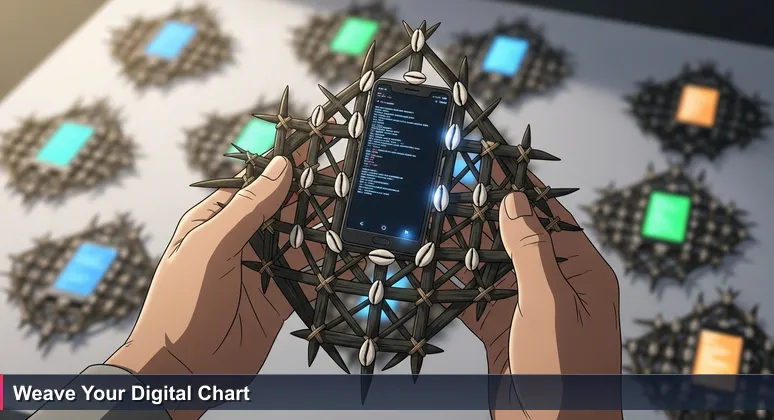
The most advanced navigation tool in the Pacific wasn't a compass; it was the rebbelib, a map of sticks and shells shared freely to chart a course across a vast ocean. Today, a new constellation of free, accessible digital training points is being woven across our atolls, serving as modern waypoints for anyone in Majuro, Ebeye, or a remote outer island to start navigating the digital seascape on their own terms.
This movement is driven by large-scale initiatives like the Rebbelib Project, which provides laptop and internet hubs at 79 public elementary schools, transforming them into community tech centers. As Dechen Zam of UNICEF highlighted, this project uses "modern technology to connect schools with digital education programs," allowing remote community members to receive training without traveling to Majuro. It's a cornerstone of the national strategy for culturally inclusive digital connectivity.
From the Alele Museum & Public Library's bilingual sessions to the College of the Marshall Islands (CMI) Open Labs, these resources require no formal application or tuition. They build the foundational skills increasingly vital for roles with the RMI government, the world-leading Marshall Islands Ship Registry, telecom providers, and the growing ICT sector. The following guide maps these ten key waypoints and provides a practical 30-day plan to transform from a digital spectator into an active navigator, using only the free, walk-in resources available in your community.
Table of Contents
- Charting Your Digital Course in the Marshall Islands
- Alele Museum Public Library Intergenerational Sessions
- College of the Marshall Islands Open Labs
- Public School System Rebbelib Project Hubs
- Pacific Digital Library & OER Commons
- STEMworks Community Outreach Workshops
- Ministry-Targeted Digital Literacy Workshops
- Tute Virtual Environment & Peer Learning
- Code Club & Youth Coding Circles
- Community Center Digital Navigators
- Cultural Digital Storytelling & Media Labs
- Your 30-Day Free Learning Plan
- Honest Pathways and Next Steps
- Frequently Asked Questions
This comprehensive guide to AI careers in the Marshall Islands covers everything from skills to salaries.
Alele Museum Public Library Intergenerational Sessions
The heart of Majuro’s public learning, the Alele Museum & Public Library, has transformed into a central hub for foundational tech skills. As outlined in their strategic Five-Year Plan, this institution is committed to serving as a "primary information hub" for the nation, directly tackling digital inclusion.
Their regular, walk-in sessions are uniquely designed to bridge generations, teaching basic digital literacy, computer navigation, and online database use in both English and Marshallese. This bilingual, intergenerational approach ensures that whether you’re a senior wanting to connect with family overseas or a high school student learning to research, you can start where you are, fostering a community-wide sharing of knowledge.
The library’s upgraded fiber connectivity supports seamless online learning, and all equipment is provided on-site. It’s the ideal, zero-pressure environment to conquer the basics, acting as your first, most accessible point of contact with the digital world without any cost or formal commitment.
College of the Marshall Islands Open Labs
For those seeking a structured academic environment with high-quality resources, the College of the Marshall Islands (CMI) opens its doors beyond enrolled students. The CMI Library and its designated "Open Labs" operate weekly walk-in hours during academic terms, providing free access to desktop computers, productivity software like Microsoft Office, and academic research tools. This is a prime location to practice skills for administrative roles or to get support for introductory computing courses, directly supporting the development of homegrown IT personnel for the local community.
The CMI community is known for its supportive, close-knit culture. Student surveys consistently highlight that "CMI's greatest strength are their teachers" and how staff and students "work together as a group." You can walk in, use the facilities, and tap into this supportive academic ecosystem, benefiting from the college's dedicated Academic Support Program designed to help learners overcome challenges.
This accessible foundation can pave the way for formal credentials. After building confidence in the open labs, many pursue CMI's career-focused programs, such as the Certificate of Completion in IT Support Level 1 or the shorter, tailored Advanced Certificate in ICS Level 2, designed specifically to produce skilled professionals for the local job market in Majuro and beyond.
Public School System Rebbelib Project Hubs
Perhaps the most transformative initiative for national digital equity is the Public School System’s "Rebbelib Project." This isn't just for schoolchildren; these hubs serve as critical community tech centers on outer atolls where options are most limited. The project provides laptops and satellite or fiber internet connectivity to 79 public elementary schools across the RMI, turning local schools into beacons of connectivity.
During community access windows, residents can walk in to learn mobile phone use, basic internet navigation, and access digital educational platforms. As Dechen Zam of UNICEF highlighted, this project uses
"modern technology to connect schools with digital education programs,"allowing remote community members to receive training without traveling to Majuro. This initiative directly supports remote ICT roles in community governance, education, and the vital maritime sector.
This approach honors Marshallese heritage by framing new digital connections as a modern extension of traditional wayfinding. You can learn more about this culturally inclusive model of connectivity that is weaving a new digital chart across our islands.
Pacific Digital Library & OER Commons
When you can’t make a scheduled session, the world of Open Educational Resources (OER) is available 24/7. Through platforms like the global OER Commons and resources such as DigitalLearn.org, anyone with an internet connection - via library WiFi, a school hub, or a personal device - can access thousands of free, self-guided courses on every tech topic imaginable.
This is the ultimate tool for self-starters and job-seekers building specific skills on their own schedule. From learning to code with Python on freeCodeCamp to mastering spreadsheet formulas for data analysis relevant to fisheries management, these resources cater to all levels. They perfectly complement in-person sessions; you can learn a concept at Alele Library, then practice and deepen your understanding through these free online modules.
Explore the vast repository of Open Educational Resources (OER) to begin your independent study. For structured digital literacy basics, the Public Library Association's DigitalLearn platform offers courses on email, cybersecurity, and software use, providing a reliable starting point for your solo voyage into the digital currents.
STEMworks Community Outreach Workshops
For a hands-on, creative introduction to technology, look for periodic pop-up workshops run by local NGOs. These community events, often advertised on local social media, focus on introductory coding, robotics, and digital making. The vibe is collaborative and project-based, encouraging youth and aspiring tech creators to learn by doing.
While a "Bring Your Own Device" (BYOD) approach is sometimes encouraged, organizers often provide shared equipment for those who need it. Attending one of these workshops can spark an interest in the logical thinking behind programming - a skill directly applicable to automating tasks in shipping logistics for the Marshall Islands Ship Registry or environmental data collection for our fisheries.
It’s a low-commitment way to test your interest in the building blocks of AI and machine learning. Organizations like DigitalSkills.org exemplify these project-based learning approaches, which are crucial for building the practical skills needed in Pacific tech hubs.
Ministry-Targeted Digital Literacy Workshops
The Ministry of Information, Communication, Transport, and Utilities (MICTU) periodically sponsors digital literacy workshops aimed at enhancing public-sector efficiency and community resilience. These sessions, often held in Majuro and Ebeye community centers, focus on practical skills for civic engagement and government operations.
Walking into one of these workshops not only builds your skills but also connects you directly to the digital transformation priorities of the RMI government - a key employer for tech-literate citizens. Topics may include cybersecurity awareness, using government e-services, or digital tools for communication, all aligned with national goals for inclusive development.
Keeping an eye on MICTU announcements provides insight into the exact skills the public sector values, preparing you for roles in administration, data management, or public communications. This initiative is part of a broader national effort, as noted in reports on culturally inclusive digital connectivity, to equip citizens with the tools needed to navigate and contribute to a modernizing Marshall Islands.
Tute Virtual Environment & Peer Learning
Emerging from global models of inclusive tech education, programs inspired by the Tute virtual learning environment concept are being piloted in some community centers. This innovative model pairs real-time, virtual instruction from a remote teacher with in-person, peer-supported learning in a local hub.
For Marshall Islands residents, this could mean accessing a specialized coding tutorial taught by an instructor in Honolulu or Suva, while sitting with fellow learners in a Majuro community center for mutual support. It combines the benefits of global expertise with local, communal learning - mirroring the way traditional knowledge was shared around a canoe or meeting house.
This is a forward-looking model for gaining skills in high demand across Pacific tech hubs. It effectively bridges geographical isolation by leveraging technology for connection. You can review a detailed case study on the Tute virtual environment to understand its potential application and benefits for upskilling in our region.
Code Club & Youth Coding Circles
Modeled on the global Code Club movement, local libraries and schools are beginning to host free, volunteer-led coding clubs for young people. These clubs use simple, visual programming languages like Scratch to teach the core concepts of computational thinking - variables, loops, conditionals - through creating games and animations.
For a parent in Majuro or a teacher on an outer atoll, this is a free, engaging way to introduce children to the language of technology in a safe, social setting. The foundational logic and problem-solving skills developed here are the critical first step on a pathway that could lead to advanced study in computing at CMI or in international programs.
The spirit of these clubs, where knowledge is shared freely and projects are built collaboratively, aligns perfectly with the communal, shared-knowledge values of our islands. They represent a modern weaving together of community support and digital skill-building, preparing the next generation to navigate future technological currents.
Community Center Digital Navigators
At the most grassroots level of tech support, many local community centers in urban areas like Majuro and Ebeye are training "Digital Navigators" - volunteers or staff who provide informal, one-on-one tech help. This isn't a formal class, but a vital service where you can walk in with a specific, immediate problem and receive personalized assistance.
You might seek help setting up an email account, applying for a job online through portals used by the RMI government or NTA, using video call software to connect with family overseas, or understanding online safety. This model directly addresses unique local challenges by providing tailored support that removes the intimidation factor of technology.
By solving real-world problems, these navigators build essential confidence for further learning, ensuring no one is left behind as services move online. This initiative aligns with the national strategy, highlighted in the Alele Museum's five-year plan, to use public institutions as primary hubs for information and digital inclusion, meeting people exactly where they are.
Cultural Digital Storytelling & Media Labs
Some forward-thinking community programs are intentionally blending technology with Marshallese culture through digital storytelling and media labs. Using borrowed or provided equipment, participants can learn basic video editing, audio recording, or digital design to document traditional practices, create community news, or produce creative content that reflects life across our atolls.
This approach strategically reframes technology not as a foreign import, but as a powerful tool for preserving and sharing our unique heritage. The practical skills learned - file management, editing software, multimedia publishing - are directly transferable to communication and outreach roles in tourism, government, and cultural institutions like the Alele Museum itself.
This work aligns with the mission of national institutions to safeguard culture in the digital age. As outlined in the Alele Museum's strategic plan, integrating technology with cultural programming ensures that our stories and knowledge continue to navigate forward, connecting generations and sharing the Marshall Islands with the world.
Your 30-Day Free Learning Plan
These ten waypoints form your chart. The key is to start moving. Here is a practical, 30-day plan using only the free resources above, designed for someone in Majuro or Ebeye with basic familiarity but no formal training.
Week 1: Establish Your Base (Goal: Digital Communication)
Walk into the Alele Public Library. Ask about their next digital literacy session, which are part of their official digital inclusion strategy. Attend one focused on email and internet safety. Your milestone: create a professional Gmail account and learn to send an attachment.
Week 2: Build Productivity Skills (Goal: Data Organization)
Visit a CMI Open Lab during walk-in hours. Use their computers to follow a free online tutorial from the OER Commons on Google Sheets or Excel basics. Create a simple spreadsheet to track household expenses or hypothetical fishing catch data. Can you create a table, use basic formulas (SUM, AVERAGE), and make a chart?
Week 3: Explore the Language of the Web (Goal: Understand How Tech Works)
Attend a STEMworks workshop or use library WiFi to find a beginner HTML/CSS course on freeCodeCamp, a global resource accessible from the islands. Your milestone: build a single web page about yourself or a community topic using basic HTML tags.
Week 4: Connect & Plan Your Voyage (Goal: Community & Next Steps)
Use your new skills to research next steps. Visit a community center for one-on-one help refining your goals. Research the CMI Certificate of Completion in IT Support Level 1 requirements. Explore how digital skills are used at the Marshall Islands Ship Registry. Have you identified 1-2 people or programs to contact for your next phase?
Honest Pathways and Next Steps
These free resources are your essential foundation, the equivalent of learning to read the waves and stars - the prerequisite for any longer voyage. To build a sustainable career in our local ICT, government, or maritime sectors, you must strategically "stack" these experiences into a compelling pathway.
First, combine different free resources. Attend Alele Library workshops while using a PSS Hub's internet on your atoll to complete an online data analysis course, then volunteer to help your local council manage records. Second, pursue a formal, low-cost credential. After building confidence, apply for a focused program at CMI, such as the Advanced Certificate in ICS Level 2 or the Certificate of Completion in IT Support Level 1, designed to produce job-ready professionals for the RMI market.
Finally, seek apprenticeship opportunities. Leverage your foundational skills to find entry-level roles or training positions with local employers like telecom companies, government ministries, or shipping agencies. Your demonstrated initiative in using free resources will be a powerful asset.
The digital ocean is vast, but you are the descendant of the world's greatest navigators. Begin at the waypoint closest to you, stack your learning, and plot your course. The skills you build today will help you navigate the economic currents of our islands tomorrow.
Frequently Asked Questions
Are these tech training programs really free, and who is eligible to attend?
Yes, all programs are completely free and open to any resident of the Marshall Islands, from students in Majuro to community members on outer atolls. For example, the Alele Museum & Public Library offers walk-in sessions with no fees, supporting national digital inclusion as outlined in their strategic plan.
Where can I find these free training sessions if I live in a remote atoll?
Even in remote areas, you can access the Public School System's 'Rebbelib Project' at 79 public schools across the islands, which provides internet and equipment during community hours. In urban centers like Majuro and Ebeye, libraries and community centers host regular sessions to ensure widespread accessibility.
What kind of technology skills will I learn from these programs?
You'll learn foundational skills like digital literacy and online safety, plus advanced topics such as coding and data analysis that are relevant for local jobs in the Marshall Islands Ship Registry or ICT sectors. Many programs, like those at Alele Library, offer bilingual instruction in English and Marshallese to cater to diverse learners.
Do I need any prior experience or my own computer to participate?
No prior experience is required, and most programs provide equipment on-site, such as at CMI Open Labs or Alele Library. While some workshops might suggest bringing your own device, shared resources are typically available to ensure everyone can join without barriers.
How can these free trainings help me find work in the Marshall Islands?
By developing skills in areas like data analysis or digital communication, you can qualify for entry-level roles with local employers such as the Government of the Marshall Islands or telecom providers like NTA. For instance, mastering spreadsheet formulas can enhance your application for jobs in fisheries management or shipping logistics.
Refer to the definitive ranking of AI employers in the Marshall Islands.
In 2026, Marshall Islands-based AI companies to watch are making waves in the Pacific.
The article provides insights into the highest-rated AI bootcamps for Marshall Islands residents in 2026.
See the 2026 trends for AI jobs in the Marshall Islands across various sectors.
Explore tech positions in the RMI that prioritize skills over degrees for the upcoming year.

Irene Holden
Operations Manager
Former Microsoft Education and Learning Futures Group team member, Irene now oversees instructors at Nucamp while writing about everything tech - from careers to coding bootcamps.