









Top 10 Free Tech Training at Libraries and Community Centers in Nigeria in 2026
By Irene Holden
Last Updated: April 20th 2026
Too Long; Didn't Read
The best free tech training in Nigeria for 2026 is at Co-Creation Hub in Yabacon Valley for immersive community access and Lagos State Public Library's YouRead Centers for foundational digital skills, backed by Nigeria's push for 95% digital literacy by 2030 and zero-rated data initiatives. These resources serve as launchpads to build confidence and basics before advancing to paid programmes for careers at firms like Flutterwave or Andela.
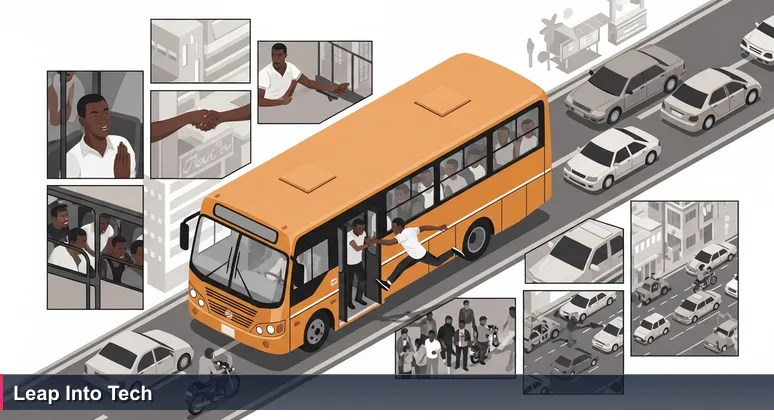
You know the feeling. The Danfo is full, already inching forward in typical Lagos traffic, but the conductor spots your determined sprint. He leans out, shouts "Wá!" - and the bus slows just enough for you to grab the doorframe and leap onto the step. This is exactly what free tech training at Nigeria’s public libraries and community centers feels like. While formal bootcamps can seem like a sleek convoy passing by, these hubs are the conductors of our digital revolution, reaching out to pull eager talent on board.
This shift is driven by a national mobilization. The Nigerian government is pushing for a 95% digital literacy rate by 2030, a vision detailed in initiatives like Nigeria's Digital Revolution. This ambition has transformed quiet libraries into vibrant "shared infrastructure" hubs where anyone can walk in to use digital tools. Coupled with the NCC’s push for "Zero-Rated" data for on-site learning platforms, the hidden cost of access - data - is being dismantled.
The resources ranked here are your launchpad, not your entire flight. They are perfect for building foundational skills and confidence in plain sight, from the Lagos State Public Library's transformed YouRead Centers to community meetups across Yabacon Valley. They'll teach you to navigate, but you'll need more intensive training to truly pilot a career at a fintech like Flutterwave or an innovator like Andela. Consider this list your map to the open doors.
Table of Contents
- Your On-Ramp to Nigeria's Tech Revolution
- Co-Creation Hub
- Lagos State Public Library YouRead Centers
- She Code Africa
- National Open University ICDL Centres
- University ICT Centre Open Seminars
- Local Government Area ICT Centers
- Community-Run Coding Clubs
- National Library of Nigeria E-Libraries
- NGO-Led Tech Training Events
- Corporate Tech Hub Open Houses
- Your 30-Day Free Learning Hustle Plan
- The Leap from Free to Career-Ready
- Frequently Asked Questions
Find out about AI salaries in Nigeria for 2026 in this comprehensive guide.
Co-Creation Hub
In the heart of Yabacon Valley, the legendary Co-Creation Hub (CcHUB) is more than a startup incubator; it's a cultural touchstone. While their competitive fellowships fuel the next Paystack or Flutterwave, they maintain a crucial open-door policy. Their periodic weekend "Community Days" are your no-strings-attached ticket inside, offering tech ecosystem tours, "intro to tech" drop-in sessions, and raw networking with the founders and developers shaping Nigeria's digital future.
This is less a formal class and more an immersion into the vibe and possibilities of tech, providing irreplaceable context you can't get from a screen. It’s the perfect first leap for anyone wanting to see and feel the tech hustle up close, understanding the environment where initiatives like their EdTech Fellowship are born. As a cornerstone of Africa's top coworking and community spaces, CcHUB’s open days demystify the path from curious observer to active builder.
Access is straightforward: check their social media for 2026 Community Day dates, then walk into their Yaba building. Bring a valid ID, a notebook, and your curiosity. The reality check? This won't make you a developer, but it will show you what being one looks and feels like in Nigeria's busiest tech hub, turning an abstract career goal into a tangible, achievable hustle.
Lagos State Public Library YouRead Centers
Forget everything you thought you knew about dusty library shelves. The Lagos State Public Library system has undergone a radical, tech-focused metamorphosis. Its YouRead Centers, particularly the flagship at the Herbert Macaulay Library in Yaba and branches in Ikeja and Ikorodu, now function as de facto public tech labs open to all. This transformation is a direct response to the national push for 95% digital literacy, turning government infrastructure into a powerful, accessible engine for skills.
These centers offer daily, walk-in access to introductory computer skills, entry-level coding workshops in Python and HTML, and practical data literacy sessions. Special "LibraryTech" webinars are frequently held, often on Wednesdays. The revolutionary beauty is the complete lack of bureaucracy; you can walk in, use their desktop terminals, and join an ongoing session. This initiative tackles the primary barriers of access to hardware and stable internet, especially with the NCC's push for "Zero-Rated" data for learning platforms on-site.
As noted by library advocates, public libraries serve as anchor institutions in building smart communities. The YouRead Centers embody this, proving the government framework for tech learning exists in plain sight. You just need to walk in. The reality check? These sessions build a strong, practical foundation. To transition from basics to a job-ready candidate for roles at fintechs like Interswitch, you’ll need to layer on intensive, project-based learning.
She Code Africa
For women and non-binary individuals navigating Nigeria's tech landscape, She Code Africa provides the most supportive and impactful entry point. Their community chapters across Lagos, Abuja, Port Harcourt, Ibadan, and Kano run regular monthly meetups and intensive workshops that are typically free and open to all, creating a powerful network of peer-mentorship and dedicated community.
The power here is in learning alongside others on the same journey, which directly combats the isolation that often derails self-taught paths. It’s a safe space to ask foundational questions and see role models who have successfully transitioned into tech roles. Their scale is impressive; for instance, they brought together over 200 women in Ibadan for a 6-day digital literacy intensive in 2025, officially kicking off a major outreach program. This community is your greatest asset for long-term resilience in the industry.
Access is community-driven. Follow their official She Code Africa Facebook page or website for "Open Day" announcements in your city. Walk-ins are usually welcome for meetups. Bring a notebook and a laptop if you have one. The technical skills from these sessions are a crucial start; combine them with structured online curricula to build the depth required for competitive roles.
National Open University ICDL Centres
For the budget-conscious learner seeking structured, international-grade curriculum, the National Open University of Nigeria (NOUN) offers a brilliant loophole. Its nationwide ICDL (International Computer Driving Licence) Training Centres provide professional modules in high-demand areas like Data Analytics, Cybersecurity, and Coding Principles. The key unlock is that many modules are available for audit - you can visit a centre, access the learning materials, and follow the curriculum without paying for the formal certification.
This is a way to tap into a systematic introduction to professional IT skills using the public university's infrastructure. You get the knowledge and structure of an internationally recognized program, detailed on their official programmes portal, but on your own terms. For someone in Abuja or Lagos looking for a disciplined start in a field like data science, this is an underutilized goldmine that bypasses the cost barrier of formal upskilling courses.
Access requires a bit of hustle: visit a NOUN Study Centre and inquire at the ICDL Training Centre about auditing materials. Often, no personal equipment is needed to start reviewing materials on-site. The reality check is powerful: you gain the knowledge but not the certificate. Use this acquired knowledge to build a compelling portfolio project, which is often more valuable to employers like Jumia or MTN Nigeria than a certificate alone, proving you can apply what you've learned.
University ICT Centre Open Seminars
Nigerian universities are treasure troves of free knowledge that actively spills beyond their gates into the community. The ICT Centers and Computer Science Departments of institutions like the University of Lagos (UNILAG) and Ahmadu Bello University (ABU) Zaria frequently host "open seminars," "empowerment series," or free skill acquisition workshops. These are often sponsored by alumni networks, NGOs, or corporate partners like Microsoft Nigeria, focusing on immediately applicable skills.
You might find weekend workshops on Advanced Excel for business analysis, web development basics, or introductions to AI tools - exactly the kind of practical upskilling that industry experts say matters most. As Pauline Ajibili, Deputy Director at NABTEB, notes, the focus is on practical skills that enhance employability and entrepreneurship, not just certificates. Real-world examples, like a free ICT training session advertised for Abuja youths, show this model in action.
Finding these gems requires detective work: visit the ICT Centre or Computer Science Department of a major university near you and scour physical notice boards or ask departmental staff. The information is often hyper-local. Bring a notebook and a laptop. These seminars are excellent for acquiring a specific, tactical skill quickly - a targeted boost to your repertoire rather than a comprehensive education, perfectly complementing broader learning journeys.
Local Government Area ICT Centers
Don't overlook your own backyard in the hustle for tech skills. Your Local Government Area (LGA) secretariat is often home to an ICT department or training center running fundamental digital literacy programs for residents. These are the grassroots initiatives directly aimed at achieving the national 95% digital literacy goal, offering the most consistent and accessible point of contact to start from absolute zero.
Programs typically cover essential, practical skills: basic computer operation, internet safety, email setup, and the Microsoft Office Suite. The schedule is often regular - like weekday mornings - and access is straightforward: walk in with a valid ID like a National ID or Voter’s Card. This model is being replicated nationwide; for example, the Federal Government has commenced free training for 26,000 youths nationwide under similar community-based schemes.
This is where the journey begins for countless Nigerians, equipping you with the basic digital citizenship needed to then effectively use online resources and attend advanced meetups. As highlighted by various NGOs, the goal is to build foundational competence, as true digital literacy involves creating information, not just consuming it. The reality check is clear: this is your on-ramp. It won't make you a software engineer, but it will give you the confidence to step onto the bus and begin the journey.
Community-Run Coding Clubs
Across Nigeria's neighborhoods, the tech revolution is often powered by pure passion. Volunteer-led community coding clubs and digital empowerment programs create hyper-local learning cells where skills are shared freely. Organizations like the Calabar Tech Community (CTC), known for its impactful "School Tech Storm" outreach, or initiatives following the Community Digital Empowerment Initiative (CDEI) model, turn local government halls or community centers into vibrant tech classrooms on weekends.
These clubs typically meet weekly, teaching programming fundamentals in Python or HTML/CSS, collaborative project work, and problem-solving with tech. The environment is less formal and more peer-driven, centered on solving real, contextual problems alongside neighbors. Finding them requires tapping into your local network - check community center bulletin boards, ask at your place of worship, or search social media for groups combining your city's name with "tech club."
Bringing your own laptop is highly recommended for hands-on sessions. The reality check is one of managed expectations: the learning quality depends on the volunteers, but the collaborative, supportive environment is invaluable for maintaining motivation and building a local support system as you learn. This is tech upskilling at its most human and accessible scale.
National Library of Nigeria E-Libraries
The National Library of Nigeria, with branches in Abuja, Lagos, and state capitals, has fundamentally redefined its mandate for the digital age. Beyond books, it now offers guided access to e-libraries and structured digital literacy sessions that focus on practical competencies for modern life. These sessions demystify tasks like navigating online government portals for NIN registration or tax filing, conducting effective digital research, and using online learning platforms efficiently.
This formal, structured public service provides a quiet, focused environment to overcome initial digital intimidation with the direct help of a librarian. It represents a crucial evolution in the role of libraries, which are increasingly seen as vital community anchors for knowledge and skills development. The library system is actively engaging with new technologies, with associations like the NLA convening high-impact webinars on emerging tech skills for both staff and the public.
Access is simple: walk into any National Library branch, request access to the "e-library" section, and you'll typically need a valid National ID or a free library membership card. The critical reality check is that this builds essential digital citizenship and confidence. It's the foundational step that equips you to then effectively exploit all the other free coding and specialized tech resources available across the country.
NGO-Led Tech Training Events
Keep your eyes peeled for major NGOs and corporate social responsibility (CSR) initiatives that host large-scale, free training blitzes. Organizations like the BNK Foundation, which runs impactful programs like their free computer training for young innovators, or library-focused groups like the Nigerian Library Association (NLA) and Library Aid Africa, frequently convene specialized sessions. These groups have hosted high-impact webinars on emerging tech skills that sometimes open their digital doors to the public.
These events are sporadic but high-quality, often featuring industry experts and focusing on exposure to advanced concepts like AI awareness, specialized digital tools, or tech for social good. They represent a growing trend, part of what analysts call "the new hustle" for young Nigerians transitioning into the digital economy. Access typically requires free registration via announced portals.
The schedule is irregular, so diligence is key: follow relevant NGOs and professional associations on social media. The reality check is to manage expectations: treat these events as inspirational fuel and networking goldmines. They expand your vision of what's possible and connect you to a broader purpose-driven network, but they are not substitutes for the sustained, project-based learning needed to become job-ready.
Corporate Tech Hub Open Houses
While not daily resources, the most exciting glimpse into your potential future comes when major tech employers with a Nigerian presence occasionally open their doors. Companies like Andela, Google Nigeria, and Microsoft Nigeria have hosted community events, open houses, or "roadshow" workshops that serve as powerful destination previews. These aren't training programmes, but immersive experiences that demystify the high-performance environments where products used by millions are built.
The immense value is in demystifying the employer, understanding real-world skill expectations, and making a direct human connection with engineers and product managers. You might get a office tour, a candid talk from senior staff, and a Q&A session. This model mirrors how hubs like the Lagos-based Co-creation Hub (CcHUB) have opened community spaces in partnership with global giants, offering support to startups and driving ecosystem innovation.
Access requires vigilance: meticulously follow the Nigeria-specific social media pages and career blogs of major tech employers for announcements. These are rare, special events. When you attend, bring a polished curiosity and professional demeanor. The critical reality check is that this is the destination glimpse. It shows you the standard to aim for and the culture to assimilate into after you've diligently leveraged all the foundational, free resources on this list. It's seeing the sleek bus depot after learning to board the local Danfo.
Your 30-Day Free Learning Hustle Plan
You have the map of open doors; now let's build the hustle. This 30-day action plan uses only the free, walk-in resources listed above, assuming you start from near-zero. Week 1 is about foundation: visit your Local Government Area ICT Centre to achieve basic computer comfort, then head to a National Library branch to learn how to navigate their e-library and find courses like Google’s Digital Garage. Track three things you learn daily.
Week 2 focuses on immersion and community. Attend a She Code Africa meetup or local coding club to connect with people, and if in Lagos, target a CcHUB Community Open Day. Pair this with starting the first lecture of Harvard’s free “CS50’s Introduction to Computer Science” on a library computer. Note one new tech term and one career path you discover.
In Week 3, choose a lane: Data or Web. For Data, audit the start of a Data Analytics module at a NOUN ICDL Centre. For Web, use a YouRead Center computer to begin freeCodeCamp’s “Responsive Web Design” certification. Complete one small, practical project relevant to your chosen path.
Week 4 is for synthesis and planning. Revisit a community meetup with a specific question about your project, and scour university ICT centre notice boards for a free weekend seminar. Research the next level, like the structure of ALX Africa’s courses, and write your personalized “Next Steps” document to bridge from free foundations to paid, career-ready training.
The Leap from Free to Career-Ready
The free resources above are your conscientious conductor, helping you board the moving vehicle of Nigeria’s tech opportunity. They build irreplaceable confidence, foundational skills, and a crucial local network. However, transitioning to a job-ready candidate for roles at employers like Flutterwave, Andela, or major banks typically requires the focused intensity, structure, and career support of a dedicated bootcamp.
This is where your 30-day hustle plan should lead: to a strategic investment in your next phase. Programs like the affordable AI Essentials for Work bootcamp (15 weeks, approx. ₦4.66M) or the Back End, SQL and DevOps with Python course (16 weeks, approx. ₦2.76M) provide the structured curriculum and project depth needed to stand out. With flexible payment plans and community-based learning that includes live workshops in hubs like Yaba, these programs are designed to bridge the gap from foundational knowledge to professional competency.
Use the confidence gained from free libraries and community centers to make this leap. They taught you the language and showed you the map. Now, with targeted training, you’re ready to navigate the full journey to a rewarding tech career, equipped to contribute to the fast-growing fintech and AI ecosystems right here in Lagos, Abuja, and beyond. Your seat is secured; now you're learning to drive.
Frequently Asked Questions
Are these free tech training options really effective for landing a tech job in Nigeria?
Yes, they're effective as launchpads for building foundational skills and networking, which are crucial for Nigeria's tech job market. For example, attending CcHUB's Community Open Days in Yaba can connect you with founders from companies like Paystack, but to become job-ready for roles at fintechs like Flutterwave, you'll need to layer on more intensive training after these free sessions.
Do I need any prior tech experience to join these free training sessions?
No, many cater to absolute beginners, such as Lagos State YouRead Centers offering basic digital literacy, or She Code Africa meetups designed for women and non-binary individuals starting from scratch. These resources align with Nigeria's push for 95% digital literacy by 2030, making them accessible even if you're new to tech.
How can I access these resources if I don't live in Lagos?
Several options are nationwide, like She Code Africa chapters in cities such as Abuja and Port Harcourt, or NOUN ICDL Centres available across Nigeria. You can also look for community-run coding clubs in your area by checking local centers or social media, ensuring free tech learning reaches beyond Lagos hubs like Yabacon Valley.
What's the best way to start as a complete beginner with no budget?
Begin with Local Government Area ICT Centers or the National Library's e-library sessions for basic digital citizenship, then attend free workshops at Lagos State Public Libraries for coding basics. This step-by-step approach leverages Nigeria's public infrastructure, like the NCC's zero-rated data initiatives, to build skills without cost.
Can I get certified through these free training programs to improve my job prospects?
Some, like NOUN's ICDL modules, offer professional curricula, but certification usually requires payment. However, you can audit materials for free and use the knowledge to create portfolio projects, which employers like Jumia often value more than certificates. Focus on practical outcomes from resources like university open seminars to boost your resume effectively.
Learn which tech graduate programs offer the highest stipends in 2026.
For insights into remote work advantages for Nigerian tech salaries, read here.
Check out the ranked list of top startups for junior devs in Nigeria focusing on authentic apprenticeships.
Learn about the top 10 highest paying tech companies in Nigeria in 2026 in this comprehensive guide.
Find high-paying cybersecurity jobs in Nigeria with salaries up to ₦25M for 2026.

Irene Holden
Operations Manager
Former Microsoft Education and Learning Futures Group team member, Irene now oversees instructors at Nucamp while writing about everything tech - from careers to coding bootcamps.