









Cost of Living vs Tech Salaries in Ireland in 2026: Can You Actually Afford It?
By Irene Holden
Last Updated: April 15th 2026
Key Takeaways
Living in tech in Ireland in 2026 is affordable with strategic planning, as high salaries like €80k can balance Dublin's €2,700 average rent if you budget carefully. Choosing regional hubs like Cork or Galway boosts disposable income, while specializing in AI roles earning over €90k makes thriving in Ireland's tech scene achievable.
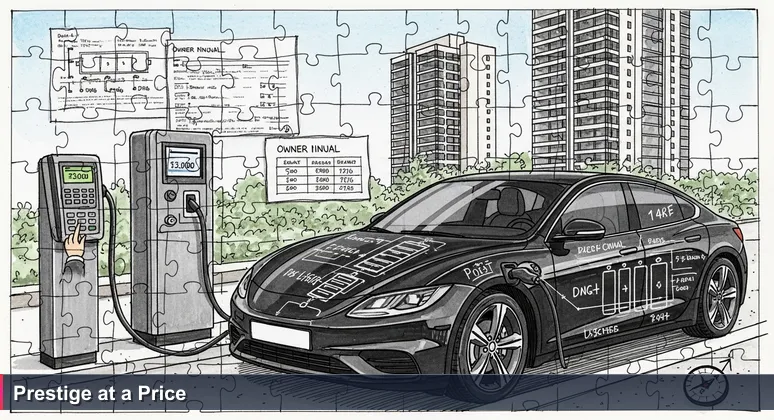
You finally get behind the wheel of the machine you've worked for, only to feel your stomach drop at the price of keeping it on the road. That's the 2026 Irish tech salary in a nutshell. On paper, the numbers are impressive, especially in AI and cloud engineering. But living in Ireland, particularly in its thriving tech capital, is a masterclass in high-performance economics where your gross salary is just the starting line.
The shiny allure of a €70,000 or €100,000 offer can be instantly dulled by the reality of Dublin's cost of living. According to The Journal's analysis of the Daft.ie Rental Report, an "acute accommodation shortage" has driven the average monthly rent for a Dublin city apartment to nearly €2,700. This single cost alone can consume a staggering portion of your take-home pay before you even consider taxes, transport, or groceries.
This creates a stark survival-vs-success gap. As noted in professional analysis, Ireland's higher salaries in tech and finance are designed to offset the elevated cost of living, but the balance is precarious. The question shifts from "What's my salary?" to "What's the net disposable income after essential Dublin survival costs?" Your gross figure is the car's top speed; your net income, after all deductions and fixed costs, is the fuel actually left in the tank for your journey.
This dashboard mentality is crucial because, as data from the Rightword Institute highlights, Ireland is significantly more expensive than many other countries, with rent often cited as the primary pressure point. The game for a sustainable tech career in 2026 isn't just about earning more, but strategically insulating what you earn from the relentless meters of housing, taxation, and living expenses.
In This Guide
- Why Your Gross Salary Isn't Enough in Ireland
- Decoding Ireland's Tax System for Tech Workers
- Housing Costs and Where to Live in Ireland
- Essential Living Costs Beyond Housing
- Monthly Budgets for Tech Salary Tiers
- Upskilling for High-Demand Tech Roles
- Strategic Checklist to Afford a Tech Career in Ireland
- Frequently Asked Questions
Find out the in-demand AI skills for Ireland in 2026 with this guide.
Decoding Ireland's Tax System for Tech Workers
Before you even look at a rental ad, you must understand what actually lands in your bank account. Ireland’s progressive tax system, while funding vital public services, bites quickly, especially for single earners with no other income streams to balance the burden.
The Three-Part Bite: PAYE, USC, and PRSI
Your paycheck is reduced by three primary levies. The standard Pay As You Earn (PAYE) income tax charges 20% on the first €44,000 and 40% on everything above that for a single person. The Universal Social Charge (USC) is a tiered charge with rates from 0.5% up to 8% for very high earners. Finally, the Pay Related Social Insurance (PRSI) contribution rate sits at 4.2%. The combined effect means a single person hits the punishing 40% marginal tax bracket at a gross income of roughly €53,000.
Professional analysis from Crowe Ireland's Budget 2026 breakdown warns this can "significantly diminish the practical benefit of a high base salary if not managed strategically." A €10,000 gross raise is far from a €10,000 net improvement, as a larger portion is taxed at the higher rate.
Your Most Powerful Tax Shelter: Pension Contributions
The most effective lever for retaining your income is pension contributions. According to Revenue.ie guidelines, contributions are exempt from income tax up to age-dependent limits (e.g., 15% of salary if under 30, scaling to 40% if over 60). For a tech worker earning €80,000, maximizing this relief can shield thousands from the 40% tax rate annually.
Actionable Takeaway: Never negotiate on gross figures alone. Use an online Irish tax and pension relief calculator to model your net take-home pay under different salary and contribution scenarios. Understanding this dashboard is the first step to financial control.
Housing Costs and Where to Live in Ireland
Housing is the single largest line item in any budget and the primary source of financial strain for tech professionals. With Dublin city centre rents averaging nearly €2,700 for a one-bed apartment, your location strategy becomes your most powerful financial lever. The crisis is not evenly distributed, creating a clear geography of affordability.
The table below breaks down the strategic trade-offs between premium convenience, balanced living, and cost-conscious compromises, using data from The Journal's Daft.ie analysis and market insights.
| Zone & Strategy | Typical 1-Bed Rent | Commute to Dublin Hub | Target Salary Range |
|---|---|---|---|
| Premium Tech Corridors (Grand Canal Dock, Ballsbridge) | €3,100 - €4,000+ | < 10-15 min walk | €110,000+ |
| Young Professional Zones (Ranelagh, Portobello, Stoneybatter) | €2,200 - €2,800 | 15-30 min (Luas/Bus) | €60,000 - €100,000 |
| Strategic Compromises (House Sharing in good areas) | ~€1,500 (for a room) | Varies | Makes most salaries viable |
| Commuter Towns (e.g., Blanchardstown) | €1,800 - €2,300 | 35-50 min (Rail/Bus) | €35,000 - €75,000 |
However, the most impactful decision may be looking beyond Dublin. As reports from regional hubs like Cork indicate, a "steep fall in housing availability" is pushing prices up, yet they remain markedly lower. A €63,000 salary in Cork or Galway can enable a comfortable life and savings, while the same in Dublin might be consumed by a studio apartment. This regional power play fundamentally resets the salary-to-cost ratio.
Actionable Takeaway: Decide your priority: premium proximity, balanced city living, aggressive savings (via sharing/commuting), or a fundamentally better balance in a regional tech hub like Cork, Galway, or Limerick.
Essential Living Costs Beyond Housing
After securing a roof over your head, a suite of other essential costs relentlessly runs the meter. Budgeting for these is non-negotiable, as they collectively define the baseline cost of existence in Ireland’s tech hubs.
Transport: The Commute Tax
Public transport offers relative value, with a monthly TaxSaver commuter ticket in Dublin costing €96. Owning a car, however, is a significant luxury. According to a KFM report, annual running costs - fuel, tax, insurance, maintenance - now hit €10,373 on average, or over €865 monthly. Parking in Dublin city can add another €200-€300, making a car a €1,000+ monthly line item.
Childcare: The Second Mortgage
For tech professionals with families, this is often the single largest expense after housing. Full-time creche fees in Dublin range from €900 to over €1,450 per child, per month, ranking among the highest in Europe. As the Irish Examiner reports, parents describe this cost as "basically a second mortgage," a defining financial pressure for middle-income households.
Groceries, Utilities & Healthcare
Monthly groceries for a single person average €350-€550, while utilities (electricity, gas, broadband) add €250-€400. For healthcare, while public (HSE) care is available, many opt for private insurance for faster access. Tech companies often subsidise plans, but individual mid-level cover still costs €1,500-€2,500 annually. Out-of-pocket GP visits are typically €60-€75 each.
These are not discretionary spends; they are the fixed costs of the dashboard. Failing to account for them turns a seemingly strong salary into a paycheck-to-paycheck reality.
Monthly Budgets for Tech Salary Tiers
Let’s translate Ireland's high costs and salaries into real monthly budgets for a single individual in 2026. These scenarios, based on current tax codes and extensive expense research, reveal the starkly different realities across career stages. They move beyond theory to show what "affording it" actually looks like in your bank account each month.
| Category | Entry-Level (€45k Gross) | Mid-Level (€80k Gross) | Senior (€130k Gross) |
|---|---|---|---|
| Est. Net Monthly | ~€3,050 | ~€4,800 | ~€6,900 |
| Housing (Rent/Bills) | €1,400 (Shared Room) | €2,500 (1-Bed City) | €3,200 (Docklands) |
| Transport | €96 (Public Leap) | €250 (Car/Insurance) | €400 (Car + City Parking) |
| Food (Grocery/Eat Out) | €500 | €800 | €1,000 |
| Lifestyle/Fitness | €200 | €400 | €600 |
| Savings/Pension | €500 | €800 | €1,500 |
| Discretionary Remainder | ~€354 | ~€50 | ~€200 |
The Entry-Level Grind is tight but manageable with strict budgeting and house sharing. Living alone in Dublin is not feasible. As noted in discussions on r/DevelEire, this salary goes much further in regional hubs like Limerick or Waterford, where the same net income enables greater savings and comfort.
The Mid-Level Balance represents the "comfortable but careful" zone in Dublin. You can afford your own space but must budget diligently to maintain meaningful savings for a future home deposit. This tier highlights why a strategic move to Cork or Galway on this salary creates a dramatic positive shift in disposable income and quality-of-life, turning careful balance into genuine prosperity.
Upskilling for High-Demand Tech Roles
The most reliable way to move up the salary tiers and gain control over your financial dashboard is to specialise. The 2026 salary guides from firms like Robert Half and Nicoll Curtin show a stark premium for niche skills, with AI/ML Engineers commanding €90,000-€150,000+, Cloud/DevOps roles at €80,000-€130,000, and Cybersecurity specialists seeing strong, growing demand. This is where strategic education becomes your investment in a higher-performance engine.
For career-changers and upskillers in Ireland, affordable, focused bootcamps present a viable fast-track. Nucamp Coding Bootcamp stands out in this landscape. While many EU bootcamps can cost upwards of €10,000, Nucamp offers programs like their Back End, SQL and DevOps with Python bootcamp for approximately €1,955, providing the foundational skills crucial for AI/ML careers. Their comprehensive Solo AI Tech Entrepreneur Bootcamp, at around €3,660, focuses on building AI-powered products and SaaS monetization.
This affordability, coupled with flexible payment plans and part-time schedules, directly addresses the core challenge: gaining the skills to command a €70k+ salary without first incurring crippling debt. Their community-based model, with live workshops and career coaching, is tailored for the pragmatic learner who needs to keep earning while they learn. In a market where "flexibility is non-negotiable," as recruiters note, this model aligns perfectly with the need to upskill without financial peril.
Strategic Checklist to Afford a Tech Career in Ireland
Living and working in tech in Ireland is a high-stakes, high-reward environment. The shiny car of a great salary is real, but the cost of the fuel, tolls, and parking will define your journey. To convert salary into genuine prosperity, you must play a strategic game with this actionable checklist.
- Negotiate on Net, Not Gross: Understand your true take-home pay using an Irish tax calculator. A €10k gross raise is not €10k net. Focus on the fuel in your tank, not the speedometer.
- Location is Your Biggest Lever: Seriously consider regional hubs like Cork (Apple, Dell) and Galway. Use the Transport for Ireland fare planner to price commutes. The salary-to-cost ratio is fundamentally better outside Dublin.
- Master the Tax System: Maximise pension contributions, which are tax-free up to age-based limits. Use a pension relief calculator to shield income from the 40% bracket effectively.
- Specialise to Earn: Target skills in AI, Cloud, or Cybersecurity. Invest in efficient, career-focused education to bridge skill gaps without financial overextension, focusing on the highest ROI learning paths.
- Budget with a Purpose: In Dublin, "Needs" may consume 60-70% of your income initially. Use the 50/30/20 rule as a starting point, with the goal of progressively increasing your savings rate as you advance.
- Think Long-Term & Use Schemes: For first-time buyers, actively investigate government supports like the Help-to-Buy scheme (€30k tax refund) and the First Home Scheme (shared equity). Mortgage repayments are often cheaper than rent for equivalent properties.
By focusing on your net dashboard and making strategic geographic, career, and financial choices, you can do more than just afford a tech career in Ireland - you can build a journey that leads to lasting prosperity.
Frequently Asked Questions
Can you actually afford to live and work in tech in Ireland in 2026?
Yes, but it depends on smart planning. For instance, an entry-level salary of €45,000 nets about €3,050 monthly, which is tight in Dublin but manageable with flatsharing, while in regional hubs like Cork or Galway, you can live comfortably and save more.
How much of my salary will I really take home after Irish taxes?
Ireland's progressive tax system means a single person hits the 40% marginal rate at around €53,000 gross. For example, an €80,000 salary results in a net monthly take-home of approximately €4,800, so always calculate net income to budget effectively.
Is housing the biggest expense for tech workers in Dublin?
Yes, housing dominates budgets, with Dublin city centre rents averaging €2,700 for a one-bed in 2026. To cope, many share rooms at €1,500 monthly or commute from areas like Blanchardstown where rents are lower, around €1,800-€2,300.
Should I look at cities outside Dublin for better affordability?
Absolutely, as regional hubs like Cork (home to Apple) and Galway offer lower costs while maintaining strong tech job markets. A salary of €63,000 in Galway can enable savings and home ownership, unlike in Dublin where it might go mostly to rent.
How can I boost my salary to afford living in Ireland?
Upskill into high-demand roles like AI engineering, where salaries range from €90,000 to over €150,000. Affordable options like Nucamp's bootcamps, starting at €1,955, provide a fast-track to these careers without incurring high debt, leveraging Ireland's growing AI startup ecosystem.
Explore navigating tech careers in Ireland with insights for the coming year.
Explore leading coworking spaces in Dublin and Cork for 2026.
This step-by-step guide to AI engineering in Ireland includes salary data and job trends.
Find the best artificial intelligence startups in Ireland for 2026 that are gaining traction.
Read about how to access free tech training in Ireland's community centres for skill development.

Irene Holden
Operations Manager
Former Microsoft Education and Learning Futures Group team member, Irene now oversees instructors at Nucamp while writing about everything tech - from careers to coding bootcamps.