









Is Washington, District of Columbia a Good City for a Tech Career in 2026?
By Irene Holden
Last Updated: April 1st 2026
Quick Explanation
Yes, Washington, D.C. is a prime city for tech careers in 2026, especially if you want your work to drive national security and policy impact. The region offers a mean tech salary of $119,610 and the highest tech employment rate in the U.S. at 9.0%, fueled by a $76.8 billion federal IT budget and a $14.2 billion defense-tech investment surge.
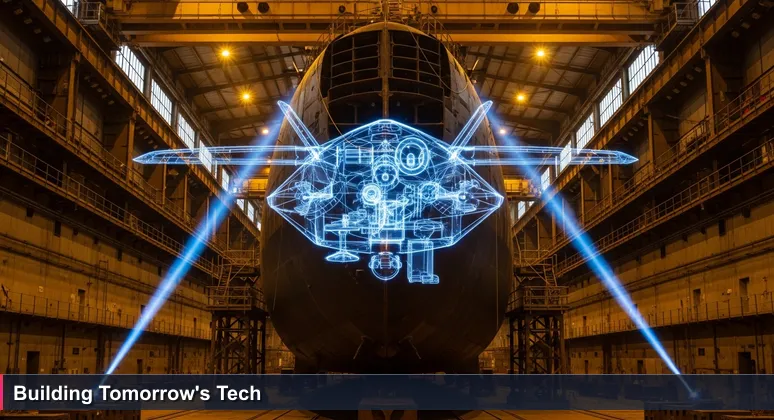
Imagine the monumental scale of a historic naval dry dock, a place where immense, legacy infrastructure supports the assembly of next-generation vessels. This is the powerful analogy for the Washington, D.C. tech scene, where foundational federal systems and budgets form the essential channel for launching the era's most critical innovations in AI, cybersecurity, and national security.
The region's unique advantage is this deep, stable channel. It’s driven by a projected $76.8 billion federal civilian IT budget for modernization and a defense-tech sector that saw U.S. venture capital investment nearly triple to $14.2 billion in a single breakout year, solidifying D.C. as the nexus where Silicon Valley's innovation meets the Pentagon's procurement needs. This creates a launch platform defined by strategic, national-priority demand rather than speculative growth.
Choosing a tech career here means positioning yourself at the convergence of stable government work and frontier innovation. The problems are monumental, the capital is deep, and the impact is measured on a national scale. With the highest tech employment concentration in the nation at 9.0% of the workforce, the evidence is clear: the builders are already in the yard, assembling the future.
What We Cover
- Welcome to America’s Tech Dry Dock
- The 2026 Market: Launch Platform for Priorities
- Who's Hiring in D.C.'s Tech Yard
- Salaries and Living Costs in the Dry Dock
- D.C. vs. Northern Virginia: Yard Layout Explained
- Quality of Life in the Tech Dry Dock
- Is D.C. Your Ideal Tech Hub
- Upskilling for D.C.'s Tech Demand
- Weighing Anchor: The 2026 Verdict
- Common Questions
For a definitive roadmap to AI jobs in Washington, DC, check out this article.
The 2026 Market: Launch Platform for Priorities
The D.C. tech market in 2026 operates as a strategic launch platform, its trajectory set by deep federal investment and specialized venture capital rather than unfettered hype. The most powerful engine remains the $76.8 billion federal civilian IT budget projected for modernization, which fuels massive demand for professionals in cloud security, data architecture, and AI integration across agencies.
This environment values stability and impact over volatility. While the broader market experienced a 43% dip in overall tech job postings between late 2024 and 2025 due to federal hiring shifts, this reflects a strategic pivot, not a collapse. The region is simultaneously the undisputed epicenter for defense-technology, where U.S. venture capital investment nearly tripled to $14.2 billion in a single breakout year, with events like the Axios Future of Defense Summit defining the new nexus of innovation and procurement.
Complementing this is the long-term gravitational pull of Amazon's HQ2 in Arlington and Northern Virginia's dominance as a global data center hub. The result is a region with the third-highest tech talent density in the U.S., creating a deep and specialized labor pool tailored to building and launching the next generation of GovTech, defense, and secure AI solutions.
Who's Hiring in D.C.'s Tech Yard
The dry dock of the DMV is staffed by distinct classes of builders, from established naval architects to agile new designers, each playing a critical role in assembling the region's tech future.
The Federal Government & Its Prime Contractors
This is the bedrock. Agencies with growing mandates, like the Department of Homeland Security seeing a 9% budget increase, drive work for systems integrators like Booz Allen Hamilton, Leidos, and Palantir. These firms are the essential translators, turning federal appropriations into secure, modern systems.
Big Tech & Finance as Specialized Suppliers
Companies like Google, Microsoft, and Capital One maintain massive presences. Their D.C. proximity is about policy, talent acquisition, and serving the specialized needs of federal and financial clients, making them key employers for AI, cloud, and fintech roles.
The New Shipyards: AI & Defense-Tech Startups
This is the most dynamic layer. Startups like Anduril and Saronic, focused on autonomous systems and national security, are hiring aggressively. They offer a startup pace with a mission-driven focus, backed by a surge in defense-tech venture capital that nearly tripled U.S. investment.
"2025 was a breakout year for defense-tech startups - and Washington, D.C., is where that capital meets demand." - 2025 defense-tech venture capital report
Salaries and Living Costs in the Dry Dock
Building in the nation's technological dry dock commands a significant salary premium, a reflection of the specialized, high-stakes work. According to regional data, the mean tech salary stands at a strong $119,610, providing a solid foundation for professionals across the sector.
The real financial advantage, however, is in deeply specialized roles that serve the region's core missions in AI, cloud, and cybersecurity. Senior AI Engineers can command between $172,519 and $224,809, while Senior Cloud Engineers range from $153,745 to $202,071. Furthermore, IT Managers - crucial for overseeing complex federal or contractor projects - are ranked the #1 best technology job with a median salary of $171,200, according to detailed Washington, D.C. salary guides.
This compensation helps offset one of the nation's highest costs of living, particularly for housing. The trade-off is profound stability and impact, as D.C. leads the country with the highest rate of tech employment at 9.0% of the total workforce. However, this high-stakes environment carries pressure; over 62% of D.C. tech workers report burnout symptoms, a testament to the fast-evolving demands and the constant need for upskilling in this mission-critical arena.
D.C. vs. Northern Virginia: Yard Layout Explained
The "DMV" is not a monolith, and understanding the distinct layout of this tech dry dock is crucial for career navigation. The region functions as a cohesive ecosystem, but Washington, D.C. proper and Northern Virginia serve complementary yet different roles in the innovation lifecycle.
Washington, D.C. Proper is the center for policy, blueprints, and foundational research. It's where the holographic schematics are debated and drawn, home to federal agencies, think tanks, R&D labs, and a growing number of GovTech and social-impact startups. The professional vibe here is deeply intertwined with politics, nonprofits, and civic innovation.
Northern Virginia (Arlington, Reston, Tysons) is the hub for large-scale implementation and heavy industry. This is where the steel is cut and the hulls are welded. It's home to Amazon HQ2, the world's largest concentration of data centers, and the massive campuses of government contractors like Booz Allen Hamilton and Leidos. Careers here are often directly tied to executing large contracts and infrastructure projects.
- D.C.: Policy, R&D, Think Tanks, GovTech Startups.
- Northern Virginia: Implementation, Data Centers, Prime Contractors, HQ2.
This geographic specialization creates a powerful synergy. As noted in analyses of the region's tech talent density, the entire capital region benefits from this division of labor. For many professionals, the ideal career spans both - engaging with policy and problem definition in D.C. while building and deploying the tangible solutions across the river in Virginia's tech corridors.
Quality of Life in the Tech Dry Dock
Life within the nation's tech dry dock offers a distinctive blend of urban energy, professional community, and high-impact work, though it comes with its own set of pressures that define the 2026 experience.
Transit & Sustainable Infrastructure
The region is actively investing to improve connectivity, particularly around innovation hubs. Projects like the new Potomac Yard Metro station and sustainable transportation initiatives are designed to support the growth around National Landing and Amazon's HQ2, making the commute between Virginia's tech corridors and D.C.'s policy center more seamless.
Community, Culture & Rankings
D.C. consistently earns top marks for its professional environment, being named the #1 city for women in tech and a premier destination for millennials. The community is ambitious, highly educated, and driven by a powerful mix of mission and market opportunity, creating a stimulating peer network.
Networking & Continuous Growth
The calendar is packed with niche, high-impact events that reflect the region's focus. These include the VOICE & AI summit on generative AI, IGNITE '26 on government digital transformation, and the Good Tech Summit focusing on AI for social impact. This environment demands constant engagement and learning.
However, this high-stakes, fast-evolving ecosystem carries a cost. Over 62% of D.C. tech workers report burnout symptoms, a clear indicator of the relentless pace and the non-negotiable requirement for continuous upskilling in a market where technological and policy landscapes shift rapidly.
Is D.C. Your Ideal Tech Hub
Determining if Washington, D.C. is your ideal tech hub requires honest self-assessment against its unique market dynamics. The region's strength lies in its 9.0% tech employment concentration - the highest in the nation - which creates a deep, stable foundation for careers tied to public purpose and national-scale problems.
Washington, D.C. is BEST FOR tech professionals who:
- Want their work to have clear, often national-scale, impact on security, governance, or civic life.
- Are fascinated by the intersection of technology, policy, and defense, not just pure software innovation.
- Thrive in structured, project-driven environments like government contracting or the mission-driven pace of defense-tech startups.
- Specialize in AI, cloud infrastructure, cybersecurity, data science, or GovTech solutions.
- Value networking within a highly educated, ambitious peer group where conversations span technology and global strategy.
Washington, D.C. may NOT BE IDEAL FOR those who:
- Seek the pure, consumer-focused "move fast and break things" culture of a classic Silicon Valley startup.
- Are uncomfortable with the processes, compliance, or sometimes slower pace inherent in government-adjacent work.
- Prioritize an extremely low cost of living above salary potential and career stability in a foundational market.
- Prefer to completely disassociate their daily technical work from broader geopolitical or policy discussions.
Ultimately, as noted in rankings of top tech cities, D.C.'s value proposition is one of depth, stability, and consequence, making it a premier choice for builders, not just bystanders, in the tech landscape.
Upskilling for D.C.'s Tech Demand
The most consistent advice from D.C. tech leaders is the non-negotiable need for continuous learning. As Jess Iandiorio, CMO at Cimulate AI, noted, leaders are "hiring back the talent they felt AI could remove the need for," highlighting that human expertise in implementing and managing new technologies is more critical than ever. For those looking to launch or pivot into this strategic market, acquiring precise, in-demand skills is the essential first step aboard.
This is where a strategic and accessible education partner becomes critical. Nucamp Coding Bootcamp offers an affordable on-ramp, with foundational tech programs starting at just $2,124 and specialized AI bootcamps under $4,000 - a fraction of the cost of many competitors. Their curriculum directly aligns with the DMV's core sectors: the 25-week Solo AI Tech Entrepreneur Bootcamp ($3,980) teaches how to build and monetize AI products, while the 15-week AI Essentials for Work ($3,582) delivers practical prompt engineering and productivity skills for professionals in government or contracting roles.
Nucamp’s community-based model is particularly effective for the D.C. aspirant, running live workshops and active cohorts within the Washington, D.C. metro area. This allows students to build their local professional network while learning. With a reported 78% employment rate and a focus on career coaching, it provides a practical pathway into the region's high-demand fields. As analyzed in trends for D.C. tech in 2026, this focus on practical, applicable skills is exactly what the dry dock's builders need to turn blueprints into reality.
Weighing Anchor: The 2026 Verdict
In 2026, Washington, D.C.’s value proposition is one of depth over hype, stability over speculation, and measurable impact over endless iteration. The "dry dock" analogy holds true: it is a place bound by the formidable processes of governance and procurement, yet it remains the indispensable platform where the most critical technological vessels - for national security, civic resilience, and secure AI - are commissioned and launched.
The opportunity is for the builder who respects the weight of the legacy hull but is inspired by the potential of the holographic blueprint. It’s a career for those who understand that here, technology isn't just about code, but about capability. With the nation's highest tech employment concentration at 9.0% and a defense-tech venture surge that saw U.S. investment nearly triple to $14.2 billion, the evidence is conclusive: the fleet of the future is being assembled now in the capital region.
For those ready to move from spectator to builder, the path begins with acquiring the right skills. Accessible, local upskilling pathways, like Nucamp's bootcamps with tuition from $2,124 and active DMV cohorts, provide the essential tools for reading these complex blueprints. The dry dock gates are open, awaiting those prepared to help build the next chapter of American innovation.
Common Questions
Is Washington, D.C. actually a good city for a tech career in 2026, considering the high cost of living?
Yes, it offers strong opportunities with a mean tech salary of $119,610 and the highest tech employment rate in the U.S. at 9.0% of the workforce. While housing is expensive, specialized roles like Senior AI Engineers can earn over $200,000, balancing the cost for mission-driven work in federal and defense-tech sectors.
What types of tech jobs are most in demand in the D.C. area for 2026?
AI, cloud engineering, cybersecurity, and data science roles are highly sought after, driven by a $76.8 billion federal IT budget and a surge in defense-tech investment. For instance, Senior AI Engineers can command salaries between $172,519 and $224,809, reflecting the region's focus on national priorities.
How does the D.C. tech job market compare to Silicon Valley or other hubs in 2026?
Unlike Silicon Valley's fast-paced consumer innovation, D.C. emphasizes strategic, mission-driven work tied to government and defense, with the third-highest tech talent density in the U.S. It's more about impact and stability, leveraging events like the Axios Future of Defense Summit for networking.
What's the difference between working in Washington, D.C. proper versus Northern Virginia for tech careers?
D.C. is the hub for policy, think tanks, and GovTech startups, while Northern Virginia, with Amazon's HQ2 and major contractors, focuses on large-scale implementation and data centers. Many professionals split time between both, engaging with policy in D.C. and building solutions in Virginia.
Who should consider a tech career in D.C., and who might find it less suitable?
It's ideal for those who want their work to have national impact, thrive in structured environments like government contracting, or specialize in AI or cloud tech. However, it may not fit those seeking Silicon Valley's 'move fast' vibe or who dislike compliance-heavy, government-adjacent processes.
Learn which AI tools are shaping Washington, D.C.'s tech scene in 2026 in this article.
Read about the top 10 industries hiring AI talent in Washington D.C. for 2026.
Get the latest on AI salary benchmarks in Washington, DC for 2026 to inform your career decisions.
Read about community center tech resources in the DMV for aspiring AI and tech professionals.
This ranking of the top 10 tech incubators in D.C. for 2026 is essential reading.

Irene Holden
Operations Manager
Former Microsoft Education and Learning Futures Group team member, Irene now oversees instructors at Nucamp while writing about everything tech - from careers to coding bootcamps.