









Is Providence, RI a Good City for a Tech Career in 2026?
By Irene Holden
Last Updated: March 21st 2026
Quick Explanation
Yes, Providence, RI is an excellent city for a tech career in 2026, offering a smart balance of affordable living and growing opportunities. With software developers averaging $105,192 and living costs 37% lower than Boston, you gain higher disposable income, while the local AI and health-tech scene, fueled by institutions like Brown University, provides solid career paths. Its proximity to Boston allows for hybrid roles without the overwhelming expense, making it ideal for early to mid-career professionals.
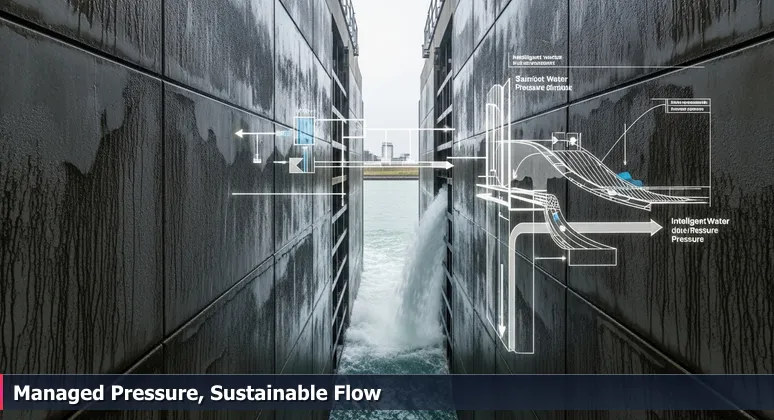
The most brilliant pieces of infrastructure aren't the loudest or largest. They're the ones you barely notice - the silent gates that hold back a surge, not to stop the flow, but to make it livable. On the Providence River, the Fox Point Hurricane Barrier performs this exact function. Built not to eliminate the ocean's force, but to manage it, this engineering marvel transformed a flood-prone basin into the city's vibrant, protected waterfront.
As we approach our tech careers in the Northeast, we often think in binary terms: confront the overwhelming force of markets like Boston or New York City head-on, or retreat entirely. This creates an exhausting tension. But what if there was a third option - a calibrated system designed to convert that intense pressure into sustainable potential? Providence has solidified its role not as a "smaller Boston," but as a brilliantly engineered career pressure relief valve.
It's a strategic ecosystem where career growth and personal sanity are designed to coexist. Recent data underscores this transformation: the region was recently ranked #2 in the Northeast for tech establishment growth (8.8%) and #10 for tech employment growth (17.6%). Furthermore, its designation as an official federal "Ocean Tech Hub" is funneling resources into maritime AI and robotics, creating a specialized, high-growth niche.
The core advantage is engineered into the geography itself. While Providence’s tech salaries are competitive, the city's housing costs are 56% lower than Boston's. This massive differential isn't a retreat from opportunity; it’s the intelligent redirection of economic pressure into superior quality of life and purchasing power. You're not choosing a smaller market; you're plugging into a calibrated system that converts the immense talent and innovation flow from major hubs into a sustainable, high-quality life.
What We Cover
- Introducing Providence as a Career Relief Valve
- The Hydraulics of Geographic Arbitrage
- The 2026 Providence Tech Ecosystem Unveiled
- Universities and Commuter Realities in Providence
- Who Thrives in Providence's Tech Scene
- The Intelligent Career Choice in Providence
- Common Questions
This complete guide to AI careers in Providence, RI provides invaluable insights.
The Hydraulics of Geographic Arbitrage
The core engineering of Providence's appeal is geographic arbitrage. The city leverages its proximity to titans like Boston (50 miles north) and New York City (180 miles south) to redirect their economic pressure into superior quality of life, without isolating you from their opportunities.
The math is compelling. While tech salaries in Providence are typically 7-10% lower than those in Boston for comparable roles, the cost-of-living differential creates staggering net gains. According to a cost-of-living analysis, Providence is 37% less expensive overall than Boston, with housing listing prices a remarkable 56% lower on average. Compared to New York City, Providence is 56% less expensive overall.
Practical Example: A software developer in Boston might command a salary of $115,000. In Providence, a similar role may pay around $105,192. While that's an 8.5% reduction in gross pay, the Providence professional could spend $1,800 less per month on housing. That’s $21,600 annually in post-tax savings, effectively raising their disposable income far beyond what their Boston counterpart enjoys. This is the engineered flow: accepting a marginal decrease in gross salary to capture a massive increase in net lifestyle and purchasing power.
This arbitrage is quantifiable across the market. The average annual pay for a technology professional in Providence is approximately $106,999, but when adjusted for the region's lower costs, especially in housing, the effective value of that salary rivals much higher figures in costlier metros. The financial logic is clear, making Providence a calculated choice for building net worth early in a tech career.
The 2026 Providence Tech Ecosystem Unveiled
Providence isn't just a cheaper bedroom community; it's a growing, specialized tech market in its own right. The ecosystem is powered by a dual-engine model: legacy corporate anchors and a surging wave of innovation in targeted sectors.
| Anchor Institutions | The Innovation Wave |
|---|---|
| These large employers provide a stable base of tech jobs. In healthcare, the Lifespan system and Care New England are major employers. Finance and retail are anchored by CVS Health, Citizens Financial Group, and Hasbro. Defense and aerospace giant Textron drives demand for engineering talent. | This is where Providence's future is being built. The newly launched Ocean State Labs incubator features AI-powered health-tech startups. The federal "Ocean Tech Hub" designation is driving investment into maritime robotics. Furthermore, the "Boston spillover" effect is real, with firms expanding to tap local talent. |
This combination creates a resilient and dynamic job market. The innovation sector is particularly focused on applied AI, from companies like Utilidata embedding it in smart grids to biotech firms using it for advanced diagnostics. The community, described by local professionals as "small but mighty", is concentrated in downtown's Jewelry District, fostering collaboration between researchers, designers, and engineers.
Universities and Commuter Realities in Providence
Providence's talent basin is fed by world-class universities. Brown University is a premier research institution, particularly in computer science and AI, graduating highly sought-after engineers. The Rhode Island School of Design (RISD) injects unparalleled design thinking, making Providence uniquely fertile for UX/UI, product design, and human-centered tech roles. Combined, local universities graduate nearly 2,000 tech-degree students annually.
This creates a common, hybrid career pattern. The MBTA Commuter Rail and Amtrak provide direct access to Boston’s Back Bay in about an hour. A well-established archetype is the professional who lives in Providence for its lower cost and quality of life, but commutes 1-3 days a week to a high-intensity role in Boston. This pattern acknowledges the density of senior roles in Boston while rejecting its crushing cost of living.
As noted by industry leaders, proximity to Brown University and RISD is a "significant draw" for companies, providing a steady stream of top-tier talent. While the commuter reality persists, the local hiring market in AI, cloud infrastructure, and health-tech is growing rapidly, offering more reasons to work and build a career entirely within Rhode Island. Professionals on forums note the scene is ideal for those seeking balance rather than a "live-to-work" lifestyle, with the train offering a feasible bridge when needed.
Who Thrives in Providence's Tech Scene
An honest assessment requires knowing who the system serves best. Providence offers a distinct value proposition that aligns perfectly with certain career goals and lifestyles, while acknowledging that it is not a one-size-fits-all solution.
Providence is Best For:
- Early to Mid-Career Professionals: Those seeking to accelerate their net worth by slashing housing costs while building experience at respected companies or innovative startups.
- Specialists in Growing Sectors: AI/ML engineers, data scientists in health-tech, and robotics engineers, especially those interested in the federally-backed Ocean Tech Hub focused on maritime technology.
- The Lifestyle-Conscious Builder: Professionals who value a short commute, coastal access, and a vibrant food scene without sacrificing career relevance. With median tech wages around $90,765, these salaries carry profound weight in Providence's affordable market.
Providence is Not Ideal For:
- Those Seeking Maximum Salary Above All Else: If your primary goal is to maximize your gross salary figure immediately, larger markets will always offer higher top-end numbers.
- Professionals Needing a Vast, Immediate Network of Senior Peers: While the community is tight-knit and growing, it cannot replicate the sheer volume of executive-level tech veterans found in Silicon Valley or Boston.
- Frequent Job Hoppers: The market, though rapidly expanding, has fewer direct competitors for any given niche role. Moving between jobs may require more patience or a willingness to look toward the commuter rail.
The Intelligent Career Choice in Providence
So, is Providence, RI, a good city for a tech career? The question shifts from "Is it a major hub?" to "Is it well-engineered?" The proof is in the outcomes it creates. The state itself is pushing widespread AI adoption across government and industry, with a task force led by Rhode Island College focused on building an "AI-ready workforce."
This strategic focus aligns with broader momentum. As Rhode Island leaders have stated, the federal Tech Hub designation is seen as a "boon to our momentum" for creating high-paying jobs. Tech professionals here command strong wages, with software developers averaging $105,192 and the broader average for technology roles reaching approximately $106,999 - salaries that carry profoundly different weight when housing costs are a fraction of those in Boston or NYC.
Providence doesn't ask you to retreat from the pressure of the Northeast tech corridor. Instead, it functions like the intelligent gates at Fox Point: it manages the surge, allowing you to live and work in the basin it protects. You plug into a calibrated system that converts the immense talent, innovation, and opportunity flow from larger hubs into a sustainable, high-quality life. For a growing number of tech professionals, that isn't just a good choice - it's the most intelligent design.
Common Questions
Is Providence, RI actually a good place to build a tech career by 2026?
Yes, Providence serves as a career pressure relief valve, designed to convert the intense opportunities from nearby hubs into sustainable growth. With tech employment growing 17.6% and median wages around $90,765, it offers a balanced ecosystem where lower costs - 37% less than Boston - enhance your net lifestyle without isolating you from innovation.
How do tech salaries in Providence compare to Boston's?
Salaries in Providence are typically 7-10% lower than Boston for similar roles, but the cost-of-living difference makes it financially advantageous. For instance, software developers average $105,192 here, and with housing 56% cheaper, your disposable income often exceeds what you'd have in Boston despite the slightly lower gross pay.
What kind of tech jobs are available in Providence?
Providence has a growing mix of roles in anchor companies like CVS Health and Citizens Financial, plus innovation sectors like AI-powered health-tech and ocean robotics. The ecosystem benefits from Brown University's AI research and RISD's design talent, creating opportunities in areas such as data science, UX design, and maritime technology startups.
Will I save money living in Providence even with a lower salary?
Definitely. The geographic arbitrage means Providence is 37% less expensive overall than Boston, with housing listing prices 56% lower on average. This allows you to capture significant post-tax savings - like $21,600 annually on housing - boosting your net income and quality of life compared to higher-cost cities.
Can I commute to Boston for work while living in Providence?
Yes, it's a common and practical option. The MBTA Commuter Rail and Amtrak provide direct access to Boston in about an hour, enabling a hybrid pattern where professionals live affordably in Providence and commute 1-3 days a week. This leverages Boston's job density while enjoying Providence's lower stress and costs.
This analysis covers 2026 tech compensation rankings for Providence companies, including equity and benefits.
For strategic connections, see the ranked women in tech resources in Providence, RI.
This complete list of AI meetups and communities in Providence, RI for 2026 is essential for career growth.
Understand Providence, RI's AI startup landscape for 2026 through this expert review.
This article provides a ranked list of tech jobs in Providence that don't need a degree based on local data.

Irene Holden
Operations Manager
Former Microsoft Education and Learning Futures Group team member, Irene now oversees instructors at Nucamp while writing about everything tech - from careers to coding bootcamps.