









Top 10 AI Startups to Watch in Mauritius in 2026
By Irene Holden
Last Updated: April 19th 2026
Too Long; Didn't Read
FirstStep.ai and Kuunda top the list of AI startups to watch in Mauritius in 2026, with FirstStep.ai democratizing AI through a no-code platform that raised MUR 22.4 million and Kuunda securing a record MUR 337.5 million seed round for embedded finance solutions. These innovators thrive in Mauritius's strategic ecosystem, leveraging bilingual talent and proximity to Africa and Asia to drive tangible impact across the region.
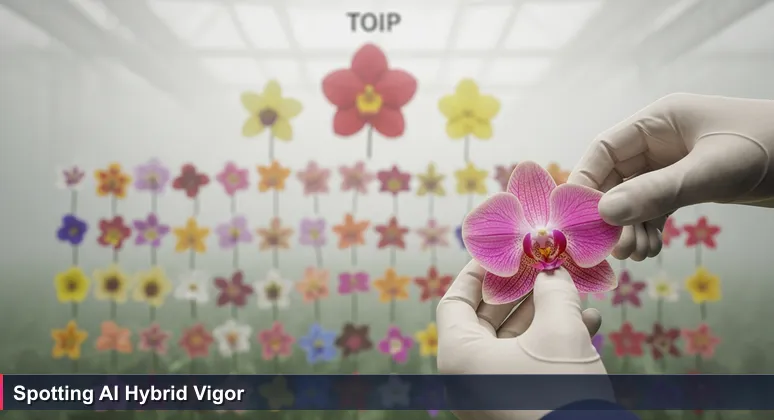
Just as a master gardener spots revolutionary hybrid vigor in a single bloom, identifying the most promising AI startups requires looking beyond surface metrics to see foundational strength and adaptive potential. The ecosystem has evolved beyond buzzwords, fueled by concrete national initiatives like the 2025-2026 National Budget's MUR 25 million allocation for a Public Sector AI Programme and the establishment of a dedicated National AI Unit.
From Ebène Cybercity, a new breed of "Agentic AI" startups is emerging, designed to execute tasks and create tangible value across the Indian Ocean and East Africa. This shift is recognized in broader 2026 ecosystem analyses, which note that platforms democratizing access are leading the next wave of AI adoption in emerging markets. The island's strategic advantages - a bilingual talent pool, a competitive regulatory environment, and its role as a gateway between continents - provide the unique soil for this growth.
"DIVA will guide, advise, listen, and respond in a way that is contextual, inclusive, and human-centric." - Dr. Avinash Ramtohul, on the public sector's Digital Interactive Virtual Assistant.
This focused, results-driven ethos is reflected across the startup landscape. Furthermore, the environment is ripe for talent, with over 65% of tech professionals in Mauritius reporting high job satisfaction, often citing the island's strategic location for collaborating across European, African, and Asian time zones as a key benefit. The following startups represent the most promising hybrids cultivated in this unique environment.
Table of Contents
- Introduction: The AI Bloom in Mauritius
- FirstStep.ai
- Kuunda
- Zindi
- Black Swan
- Panda & Wolf Holding
- MUZTech
- Lengo
- Code Capsules
- Digitalgo
- Leonardo AI
- Conclusion: Cultivating Intelligent Growth
- Frequently Asked Questions
Use Mauritius as a strategic launchpad for your AI career with this guide.
FirstStep.ai
FirstStep.ai tackles the most pressing barrier to digital transformation in the region: the technical skills gap. Their "No-Code AI" platform allows SMEs, from a Flic-en-Flac textile manufacturer to a Curepipe agro-processor, to build and deploy custom computer vision models for tasks like quality control without writing code.
Founded in 2021 by a team in the Ebène Cybercity hub, they have gained impressive traction by solving these practical problems. After raising approximately MUR 22.4 million ($500,000) in Seed funding, they now support over 50 local and regional enterprises. Their product-led approach empowers Mauritius's bilingual business owners to harness AI directly, a strategy highlighted in a 2026 analysis on democratizing AI in emerging markets.
This focus on accessibility positions them as an essential tool for the island's industrial modernisation. Their recognition extends beyond client growth, as they are consistently listed among the top AI companies operating in Mauritius, signaling their foundational role in the ecosystem. By turning complex AI development into a visual, intuitive process, they unlock potential for non-technical founders across the Indian Ocean region.
Kuunda
While many fintechs focus on front-end applications, Kuunda is building the indispensable AI-powered backbone for the digital economy. This startup provides embedded finance and liquidity management solutions, directly addressing the frequent "cash-out" problems that stifle growth for mobile money agents and small businesses across East Africa.
The scale of investor confidence is unprecedented. Founded by seasoned fintech leaders, Kuunda announced a massive MUR 337.5 million ($7.5 million USD) Seed round in late 2025, led by the Portugal Gateway Fund. This stands as one of the largest early-stage rounds in Mauritian tech history, a clear signal of belief in their model and execution capability.
Their AI engine optimises cash flow, predicts liquidity needs, and mitigates risk in real-time, making them a critical infrastructure player. Operating from Mauritius, a trusted financial gateway, they leverage the island's robust regulatory framework and connectivity to scale securely across Africa. This strategic positioning embodies the nation's evolving role, as tracked in comprehensive startup analyses, from a regional financial hub to a strategic "AI Connector" for the continent.
Zindi
Zindi is not a typical product startup; it is the foundational talent marketplace and community for Africa's AI future. With strong operational ties to Mauritius through the Shakti Capital network, the platform hosts competitive AI challenges for a community exceeding 100,000 data scientists and engineers, solving real-world problems for organisations from Nairobi to Johannesburg.
Their presence directly positions Mauritius as a hub for cultivating data science talent. This strategic move is central to initiatives like the AI Collective launched in Mauritius, which focuses on building local capacity and connecting it to continental opportunities. Backed by Shakti Capital and Google for Startups, Zindi ensures Mauritian professionals and students have direct access to cutting-edge problems.
This creates a virtuous cycle of skill development that benefits the entire ecosystem, effectively feeding a pipeline of qualified talent to every other company on this list. By grounding their Indian Ocean operations in Mauritius, they act as the critical bridge between global AI talent and local industry needs, a role highlighted in profiles of key ecosystem players. Their success is measured not in revenue alone, but in the robust talent network they are engineering for the region.
Black Swan
Financial inclusion remains a monumental challenge in Africa, and Black Swan applies AI directly to unlock credit for the unbanked. Launched in 2022 by fintech veterans in Ebène, they use machine learning to analyse alternative data - from mobile money transactions to utility payments - to build credit-intelligence profiles for individuals and MSMEs traditionally excluded from banking.
Starting with pre-seed funding of MUR 2.25 million ($50,000 USD), they have developed a critical risk-assessment tool for lenders looking to de-risk entry into underbanked markets. Their solution addresses a fundamental gap, positioning them among the innovative fintech startups based in Mauritius targeting continental growth.
Their success is intrinsically linked to Mauritius's strategic advantages. The island serves as a credible, neutral, and sophisticated base with a strong regulatory framework, ideal for fintechs targeting Africa. By providing the AI "brain" for cross-border credit assessment, Black Swan enables the flow of capital, directly turning Mauritius's established financial services expertise into scalable, inclusive technology. This aligns with the activity of top fintech investors in Mauritius, who are actively funding such transformative, cross-border models.
Panda & Wolf Holding
Panda & Wolf Holding aligns perfectly with national goals by applying computer vision and geo-spatial AI to two of Mauritius's most vital sectors: environmental conservation and tourism. The Port Louis-based duo is known for platforms like "Eco-Warriors," which monitors coastal erosion and identifies illegal dumping, and "Discover Mauritius," which optimises tourist footfall at heritage sites in real-time.
Their solutions offer a data-driven path for balancing economic growth with ecological preservation, integrating directly with the government's "Silicon Island" and sustainable development agendas. Backed by the active early-stage investor La Plage Factory, their work exemplifies how AI can be leveraged not just for profit, but for the direct stewardship of the island's natural and cultural capital.
This focus provides a unique selling point in the global tech scene. By turning AI into a tool for environmental guardianship and smarter tourism, they address local challenges with global relevance. Their growth is tracked alongside other innovators in comprehensive analyses of the Mauritian startup landscape, highlighting their role in a new wave of purpose-driven technology.
MUZTech
As Mauritian corporations rush to adopt generative AI, MUZTech provides the essential enterprise-grade infrastructure to make these projects reliable and profitable. Specialising in MLOps - the engineering discipline for managing machine learning in production - they build pipelines that allow large financial services and hospitality groups to deploy, monitor, and optimise their AI models safely.
A product-led team with seed funding from investors like Launch Africa, MUZTech positions itself as the "operational backbone" for the AI transition. Their technical approach is detailed on their Generative AI MLOps service page, which outlines how they ensure experimental AI moves from the lab to delivering consistent ROI. This focus on robustness and scalability is critical as the ecosystem matures from pilot projects to mission-critical systems.
Their work addresses the growing need for professionalized AI implementation, a trend noted in broader shifts toward an innovation-driven economic model. In a landscape increasingly defined by "Agentic AI" that executes tasks, MUZTech's expertise in making these systems reliable in production makes them a pivotal enabler for Mauritius's corporate sector.
Lengo
The fragmented, informal retail markets of East Africa and the Indian Ocean are a notorious blind spot for global consumer goods companies. Lengo, with a team steeped in African market experience, uses NLP and predictive analytics to solve this. Their AI aggregates and analyses a massive real-time database of product performance, pricing, and consumer sentiment across thousands of outlets.
This intelligence is critical for brands aiming to tailor strategies for markets like Kenya or Tanzania from a regional headquarters in Mauritius. The startup is part of Launch Africa VC's Mauritian portfolio, providing them with both capital and strategic networks crucial for scaling. By turning chaotic, on-ground data into actionable insights, Lengo directly leverages Mauritius's position as a bilingual business bridge between global brands and diverse consumer landscapes.
Their model is recognized as a key example of vertical AI solving real-world business problems, featured in analyses of high-potential startups based in Mauritius. Their success demonstrates how the island's ecosystem supports companies that decode complex, data-scarce environments, providing a clear competitive edge for investors looking at AI applied to emerging markets.
Code Capsules
For the growing number of AI developers graduating from local institutions, deploying complex models can be a daunting infrastructure challenge. Code Capsules, based in Ebène, offers a simplified Platform-as-a-Service tailored for this regional audience. Founded by developers frustrated with the complexity of global cloud providers, their platform significantly reduces the friction in deploying AI-heavy applications, databases, and backends.
Having raised Seed funding from accelerators like eWorks, they compete on exceptional ease of use and localized support. This focus on developer experience is crucial for ecosystem growth, as highlighted in a 2026 review of Mauritian companies, which notes that tools lowering the barrier to production are key. They are effectively building the "AWS-lite" that allows Mauritian and regional startups to focus on building products, not managing servers.
By providing a streamlined alternative to complex global infrastructure, Code Capsules empowers the local bilingual talent pool to ship software faster. Their presence supports the foundation of a more self-sufficient tech ecosystem, enabling the practical execution of ideas emanating from Ebène Cybercity and beyond.
Digitalgo
In a small, competitive, and multilingual market like Mauritius, generic digital advertising falls flat. Digitalgo, founded by Port Louis-based media experts, has built a programmatic advertising platform that uses AI to understand the unique nuances of Mauritian Kreol, French, and English consumer sentiment.
After raising MUR 4.8 million ($108,000 USD) in early funding, they enable local retailers, tourism boards, and banks to optimise ad delivery with unprecedented cultural and linguistic precision. Their deep localization addresses a critical pain point that global advertising giants often miss, proving that some of the most powerful AI applications are those finely tuned to a specific, familiar context.
As the local economy digitises rapidly, the demand for this kind of hyper-localized marketing intelligence is skyrocketing. Digitalgo's inclusion in listings of promising startups based in Mauritius underscores their relevance. Their success demonstrates how AI can be leveraged to capture the subtleties of a unique, bilingual market, offering a blueprint for other small, linguistically diverse economies. This focus makes them a standout example for investors looking at niche, vertical AI solutions with immediate, measurable impact.
Leonardo AI
While Leonardo AI is a global leader in generative image creation, its deepening integration into Mauritius's creative and educational sectors makes it a startup to watch within the local context. Through partnerships with the National AI Unit and local agencies, it is becoming the default tool for ethical, professional creative workflows in Mauritius.
From generating marketing assets for tourism campaigns to designing characters for the island's nascent game development studios, Leonardo AI empowers local talent with world-class capabilities. Their collaboration with government aligns with the broader push for contextualized sovereign AI development discussed by experts, ensuring its use reflects regional needs and ethical priorities.
This presence catalyses the entire creative-tech sector, demonstrating how global AI leaders can anchor and elevate a local ecosystem. The tool's adoption is facilitated by initiatives like the National AI Unit established to drive ethical AI adoption, which provides a framework for responsible integration. By providing accessible, powerful creative technology, Leonardo AI helps transform Mauritius from a consumer of digital content into a producer, shaping its own narrative through AI-enhanced visual storytelling.
Conclusion: Cultivating Intelligent Growth
Evaluating these startups reveals the unique hybrid vigor of Mauritius's AI landscape. It's an ecosystem where financial technology roots support agri-tech innovations, and bilingual talent pollinates ideas between Africa and Asia. The true opportunity lies in active participation - whether as an investor, a developer, or a corporate partner.
The path to involvement often begins with skill development. For aspiring builders and professionals in Mauritius looking to contribute, accessible education is key. Programs like the Solo AI Tech Entrepreneur Bootcamp (approximately MUR 179,100) or AI Essentials for Work (approximately MUR 161,190) from Nucamp offer focused, affordable pathways to gain the practical AI skills demanded by this growing ecosystem.
"DIVA will guide, advise, listen, and respond in a way that is contextual, inclusive, and human-centric." - Dr. Avinash Ramtohul, Minister of Information Technology.
This principle of contextual, human-centric technology defines the startups leading in 2026. They are building the intelligent tools that respond to real needs from Ebène to East Africa, cultivating a future where Mauritius is not just a user of technology, but a defining shaper of it. The garden is in full bloom; the time to plant your own seeds is now.
Frequently Asked Questions
How did you determine which AI startups are the top ones to watch in Mauritius?
The ranking is based on hybrid vigor, a unique blend of technology innovation, market access, and leveraging Mauritius's strategic advantages like the bilingual talent pool and the MUR 25 million Public Sector AI Programme. This ensures startups are not only technically advanced but also poised for impact in regions like Africa and Asia.
I'm interested in a career in AI in Mauritius. Which startup offers the best opportunities for skill development?
Zindi is excellent for building AI skills, as it hosts competitive challenges with a community of over 100,000 data scientists across Africa, directly connecting Mauritian professionals to real-world projects. Its partnerships with local initiatives like the AI Collective enhance talent pipelines and career prospects in Ebene Cybercity.
What specific features of Mauritius's tech ecosystem do these startups benefit from?
Startups leverage Mauritius's bilingual English/French talent, Ebene Cybercity's infrastructure, and its role as a financial gateway to Africa. For example, Black Swan uses the island's regulatory framework to provide AI-driven credit assessment for underbanked markets, showcasing how local advantages scale regionally.
How much investment have these AI startups secured, and why does it matter?
Significant funding includes Kuunda's MUR 337.5 million Seed round, one of the largest in Mauritian tech history, and FirstStep.ai's MUR 22.4 million from investors like La Plage Factory. This capital fuels growth, validates Mauritius as a rising AI hub, and supports expansion into markets like East Africa.
Can these Mauritian startups help businesses outside the island, such as in Africa or Asia?
Yes, many target regional markets; for instance, Lengo uses AI to analyze consumer data for global brands operating from Mauritius, benefiting from the island's strategic location. This positions Mauritius as an AI connector, facilitating cross-border business in areas like fintech and retail.
The 2026 AI salary expectations in Mauritius are thoroughly analyzed in this article.
Explore the financial reality of tech careers in Mauritius in 2026 with this in-depth report.
This analysis covers the Mauritius tech job market in 2026, including AI trends and startup growth.
Learn strategies for finding cybersecurity work in Mauritius with the right skills from this article.
Read about Mauritius' AI job market expansion in traditional sectors for 2026.

Irene Holden
Operations Manager
Former Microsoft Education and Learning Futures Group team member, Irene now oversees instructors at Nucamp while writing about everything tech - from careers to coding bootcamps.