









Who's Hiring Cybersecurity Professionals in Iceland in 2026?
By Irene Holden
Last Updated: April 16th 2026
Key Takeaways
In 2026, cybersecurity professionals in Iceland will find hiring opportunities across six key sectors, including cloud data centers like Verne Global, fintech firms such as Meniga, and critical infrastructure providers like Landsvirkjun, driven by the nation's unique digital landscapes. With the demand for specialized roles securing everything from renewable energy grids to cashless banking systems, mid-career positions often offer competitive salaries around 13 to 16 million ISK annually. This reflects Iceland's targeted approach to cybersecurity, where professionals protect vital assets like the kennitala identity system and industrial control networks in sectors from manufacturing to aviation.
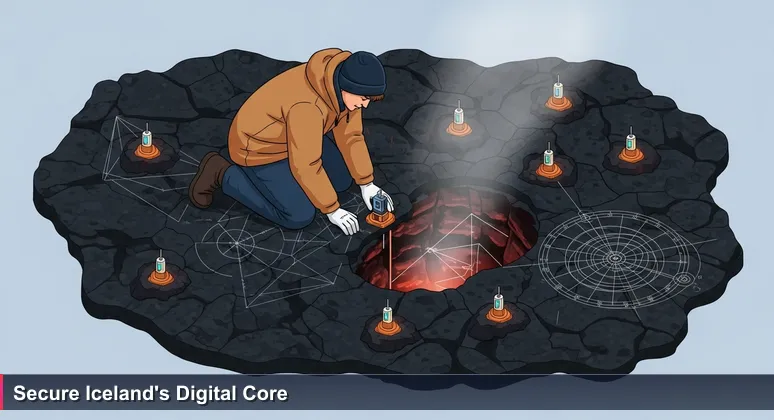
In Iceland, we don't defend against generic fire; we monitor specific fissures. This precise, terrain-aware approach now defines our cybersecurity profession. While global reports cite a workforce shortage of 3.5 million and broad job growth, the Icelandic reality is carved by our unique economic geology. Security maturity is "table stakes" here, especially for firms in EnergyTech and Fintech handling sensitive national assets.
This means you're not searching for a generic "cybersecurity job" but identifying which of Iceland's six critical digital landscapes requires your expertise. The hiring map is a geological survey of our economy, supported by a focused national strategy. The Icelandic National Cyber Security Strategy 2015-2026 explicitly prioritizes increasing protection for telecoms, utilities, and financial companies, creating targeted demand.
This specialized focus is further fueled by direct investment. Through 2026, up to €200,000 in cascade funding is available for Icelandic cybersecurity actors for targeted penetration testing and vulnerability assessments, driving a market for upskilled consultants and specialized service providers.
The question for professionals is no longer merely "Who's hiring?" but "Which critical system are you meant to secure?" From the silent halls of a Verne Global data center to the rolling decks of a Samherji trawler, your role will be defined by the specific, vital landscape you choose to defend.
In This Guide
- Navigating Iceland's Unique Cybersecurity Landscape
- Cloud and Data Center Security
- Industrial and Manufacturing Tech Security
- Financial Services and Fintech Security
- Utilities and Critical Infrastructure Security
- Aviation and Transport Security
- Government and National Defense Security
- Cybersecurity Salary Benchmarks for 2026
- Education and Career Transition Pathways
- From Title to System Protector
- Frequently Asked Questions
This comprehensive guide covers everything about AI careers in Iceland.
Cloud and Data Center Security
Iceland’s abundant, 100% renewable energy and natural cooling have forged a global hub for high-intensity computing. Securing this infrastructure requires professionals who can bridge the physical and digital worlds of massive data centers, much like engineers managing a geothermal plant's volatile output.
The cornerstone employer is Verne Global, with its high-performance computing (HPC) colocation campus on the Reykjanes peninsula. They, alongside Nordic IT giant Advania, cloud provider Origo, and security-focused Sensa, seek specialized talent. Roles here include Cloud Security Engineers designing architectures for global clients and SOC Analysts monitoring multinational data streams, where a breach could have global repercussions.
For example, a Security Architect at Verne Global might design a segmented network for a client's AI training cluster, ensuring it's isolated from other tenants while maintaining resilient connections to the green power grid. This unique blend of energy, network, and data security defines the sector.
Key Roles and Pathways
| Role Focus | Typical Certification Path | Senior Salary Benchmark |
|---|---|---|
| Cloud Security & Architecture | AWS/Azure Security Specialty, CISSP | 16.8M - 21.5M+ ISK |
| SOC & Threat Monitoring | GIAC (GSEC, GCIH), CEH | 13M - 16M ISK |
| Physical & Compliance Security | ISO 27001 Lead Implementer, PCI DSS | 13M - 16M ISK |
If you're fascinated by infrastructure at scale and enjoy translating physical security protocols into digital policy, this sector is your frontier. Certifications like AWS/Azure Security Specialty and an understanding of HPC environments are critical for entering this high-stakes field.
Industrial and Manufacturing Tech Security
Iceland’s export economy - from automated food processing plants to high-tech fishing fleets - depends on securing the bridge between digital systems and physical machinery. Here, cybersecurity is about protecting operational technology (OT) and industrial control systems (ICS), where a cyber incident can halt production or endanger lives at sea.
Key employers like Marel in food processing tech and major seafood firms such as Samherji, Brim, and HB Grandi invest heavily in OT/ICS security. They need engineers who understand maritime satellite communications, factory floor PLCs, and supply chain integrity. As highlighted in a GE Vernova career listing for an OT Cyber Security Manager, the core focus is "protecting critical infrastructure" from targeted, sector-specific threats.
Practical Applications and Pathways
An OT Security Engineer for a firm like Samherji might secure the integrated navigation and catch-monitoring systems on a modern trawler, guarding against threats that could spoof location data in the North Atlantic. This path is ideal for professionals from engineering, maritime operations, or industrial maintenance looking to pivot.
- Valuable Certifications: The Global Industrial Cyber Security Professional (GICSP) certification is highly valued, alongside practical knowledge of SCADA systems and industrial protocols.
- Unique Icelandic Transition: Skilled personnel from the Icelandic Coast Guard or technical roles at Landsvirkjun bring invaluable domain knowledge that, combined with cyber training, creates sought-after OT security experts.
- Career Outlook: This specialization offers a stable, high-impact career path defending the physical-digital backbone of Iceland's core industries.
Financial Services and Fintech Security
With a nearly cashless society and digital-first banking, Iceland’s financial sector represents both a pinnacle of efficiency and a prime target for sophisticated cyber threats. Security here is deeply integrated with national identity - the kennitala - and the real-time payment systems that power the economy.
The major banks - Landsbankinn, Arion Banki, and Íslandsbanki - alongside innovative fintechs are in a constant arms race against fraud. Firms like Authenteq, which specializes in automated identity verification, and Lucinity, an AI platform for financial crime compliance that recently secured Series B funding, build their businesses on secure identity and risk data. Roles are diverse, ranging from GRC Officers navigating complex regulations to AppSec Engineers building security into platforms from inception.
A Practical, High-Stakes Example
A Fraud Analyst at Íslandsbanki might develop machine learning models to detect account takeover attempts that leverage stolen kennitala data, working in tandem with Digital Iceland's Ísland.is portal to verify user identities. This intersection of AI, national digital identity, and real-time transaction monitoring defines the field's complexity.
This sector offers structured career paths and values a mindset for meticulous process, a strong grasp of financial regulations like GDPR, and skills in application security or threat hunting. Salaries for mid-career professionals such as Penetration Testers in this domain align with the broader market, typically ranging from 13 million to 16 million ISK annually, offering stability and a focus on work-life balance distinct from high-pressure international hubs.
Utilities and Critical Infrastructure Security
Iceland's status as a green energy powerhouse depends fundamentally on the cybersecurity of its geothermal and hydroelectric grids. An attack here transcends data breach; it represents a potential national crisis where compromised sensor integrity could impact safety and efficiency across volatile geothermal sources.
Employers like Landsvirkjun (national power), Orkuveita Reykjavíkur, and Veitur seek specialists fluent in SCADA networks and industrial protocols. These roles, such as SCADA Security Specialists and Network Security Engineers for isolated systems, carry profound national responsibility. For instance, an engineer at Landsvirkjun might design and defend the air-gapped network controlling turbines at the Kárahnjúkar hydropower plant, implementing intrusion detection for industrial protocols like Modbus.
Career Valuation and Pathways
| Role Specialty | Typical Certification | Salary Benchmark |
|---|---|---|
| SCADA/Network Security Engineer | GICSP, relevant OT/ICS certs | ~13M - 16M ISK (Mid-Career) |
| Security Architect (Critical Infra) | CISSP, CISM | 16.8M - 21.5M+ ISK (Senior) |
This field highly values deep technical knowledge of legacy and modern OT systems, reliability, and often recruits from engineering, geology, or infrastructure maintenance backgrounds. The role demands a sober understanding of national responsibility, aligning with the strategic focus on protecting critical utilities outlined in Iceland's national cybersecurity strategy. As noted in a related industry job description, the work centers on "protecting critical infrastructure" from targeted threats, a mission acutely felt in Iceland's energy sector.
Aviation and Transport Security
As a critical mid-Atlantic transport hub, the cybersecurity of Keflavík Airport and national carriers like Icelandair protects both global data flows and physical safety. This sector demands a unique fusion of corporate IT security and aviation-specific operational technology (OT) expertise.
Key employers Isavia and Icelandair require professionals capable of defending vast, complex networks. Roles range from Incident Responders handling breaches of millions of passenger records to IT/OT Infrastructure Engineers securing baggage handling and air traffic control support systems. A practical challenge involves segmenting networks so a compromise in public Wi-Fi can never impact critical systems like flight information displays.
Role Specializations and Requirements
| Role Type | Primary Focus | Key Knowledge Area |
|---|---|---|
| Incident Responder / Data Protection | Passenger data breaches, GDPR compliance | EU data regulations, digital forensics |
| IT/OT Infrastructure Engineer | Aviation OT & corporate network security | Network segmentation, critical infrastructure frameworks |
| Perimeter Security Engineer | Defending vast airport digital perimeters | Network security architectures, intrusion detection |
This sector combines the relentless pace of transport logistics with high-stakes security. Success requires knowledge of regulations like GDPR for protecting EU passenger data and frameworks for critical transportation infrastructure. Salaries in this demanding field are competitive, with cybersecurity roles in the Reykjavík area reflecting the specialized skill sets and significant responsibility involved.
Government and National Defense Security
This sector forms the backbone of Iceland's digital sovereignty, focused on protecting the state itself and the foundational digital services of its citizens. The work transcends corporate security, aiming to safeguard national resilience and the "e-Iceland" vision.
Key entities driving this mission include CERT-IS (the national Computer Emergency Response Team), Digital Iceland (builder of the Ísland.is portal), and the Icelandic Coast Guard. They hire for roles like Cyber Policy Advisors shaping national strategy, Digital Forensics Specialists for law enforcement, and analysts for NATO/EU cyber partnerships. A major ongoing initiative is the availability of up to €200,000 in cascade funding for Icelandic cybersecurity actors for targeted penetration testing and vulnerability assessments, directly fueling national capability.
Securing the National Digital Foundation
A quintessential example is the work at Digital Iceland to secure the national digital ID system. Professionals there ensure the kennitala-based authentication for accessing tax, healthcare, and government services remains impervious to attack. This is not just a technical task but a critical public service upholding trust in the digital state.
This career path appeals to those motivated by public service and national interest. It often involves international collaboration through entities like NATO's CCDCOE and requires clearances and an understanding of public administration. As outlined in the Icelandic National Cyber Security Strategy, the focus is on strategic protection of the state and its critical digital services, offering a career defined by profound responsibility and impact.
Cybersecurity Salary Benchmarks for 2026
Salaries in Iceland's cybersecurity field reflect the high cost of living and intense demand for specialized, sector-specific skills. Compensation is strongly tied to experience level and, critically, the certifications that validate expertise in defending Iceland's unique digital terrains.
| Experience Level | Typical Roles | Annual Salary Range (ISK) | Key Value-Driving Certifications |
|---|---|---|---|
| Entry-Level (1-3 yrs) | Junior SOC Analyst, GRC Assistant | 10.1M - 12.1M | CompTIA Security+, CEH, Cloud Fundamentals |
| Mid-Career (3-7 yrs) | Security Engineer, Penetration Tester, OT Specialist | 13M - 16M | OSCP, GIAC (GSEC/GCIH), Cloud Security Associate |
| Senior & Leadership (8+ yrs) | Security Architect, Manager, Lead Consultant | 16.8M - 21.5M+ | CISSP, CISM, CISA, specialized OT/ICS certs |
These figures, particularly for roles like Cybersecurity Analyst in Reykjavík, underscore that deep specialization commands premium compensation. As highlighted in global analysis, professionals with credentials like CEH and CISSP not only command higher salaries but also access better opportunities, a trend firmly reflected in the Icelandic market. For senior architects, data from SalaryExpert confirms the upper range of this compensation bracket, aligning with the significant responsibility these roles carry.
Strategic investment in the right certifications for your chosen sector - be it cloud, OT, or governance - is therefore a direct and proven pathway to advancing both your impact and your earnings in Iceland's cybersecurity landscape.
Education and Career Transition Pathways
Iceland offers multiple, practical routes into cybersecurity, accommodating both new graduates and professionals seeking a strategic career pivot. The pathways are designed to build the specialized expertise demanded by the nation's unique digital sectors.
The traditional foundation comes from university degrees at the University of Iceland and Reykjavík University, which offer computer science and engineering specializations in information security. For a faster, skills-focused transition, intensive bootcamps provide a direct conduit. Programs like the 15-week Cybersecurity Bootcamp from Nucamp, priced around ISK 276,000, equip students with job-ready skills in ethical hacking and network defense, directly addressing the skills gap with flexible, community-based learning.
Unique Icelandic Pathways and Continuous Upskilling
A distinctive and highly valuable route is the transition of skilled personnel from Iceland's core industries. Professionals from the Icelandic Coast Guard, maritime engineers, or technicians from Landsvirkjun bring irreplaceable domain knowledge of operational systems. When combined with targeted cyber training, they become sought-after OT/ICS security experts, embodying the sector-specific defense model.
Continuous learning is further incentivized by national initiatives. Engaging with the local community through events like the Syndis Security Conference is crucial, as is leveraging government-funded opportunities like the cascade funding for vulnerability assessments, which creates a tangible market for upskilled consultants. This ecosystem of academic, practical, and experiential pathways ensures a steady pipeline of talent attuned to Iceland's specific cyber terrains.
From Title to System Protector
The fundamental shift for Iceland's cybersecurity professionals is moving from seeking a generic job title to embracing the role of a specialized system protector. You are no longer just a "security analyst" but a seismologist for digital geothermal fields, a naval architect for data fleets, or an engineer for the grid of national identity and finance. This specialization is the direct response to our unique economic geology.
Whether drawn to the silent, power-dense halls of a Verne Global data center, the rolling decks of a Brim fishing vessel, or the strategic coordination rooms of CERT-IS, your role is defined by the specific, vital landscape you choose to defend. This national focus creates a sustainable career environment, balancing the global urgency of cyber threats with Icelandic values of jafnrétti (equality) and meaningful work-life balance.
Supported by strong labour protections, collaborative Nordic and EU cyber partnerships, and initiatives like the national funding for cybersecurity actors, the path forward is clear. The question has been reframed: you are not asking who is hiring, but determining which of Iceland's critical systems you are uniquely wired to secure and sustain for the future.
Frequently Asked Questions
Which Icelandic companies are actively hiring cybersecurity professionals for 2026?
In 2026, hiring spans six key sectors in Iceland, with employers like Verne Global in data centers on the Reykjanes peninsula and Marel in industrial tech for food processing. These roles focus on securing unique infrastructure, such as renewable energy grids or operational technology in maritime industries.
What salary can I expect as a cybersecurity professional in Iceland next year?
For the Reykjavík Capital Region, entry-level roles like Junior SOC Analysts offer 10.1 to 12.1 million ISK annually, while mid-career professionals earn 13 to 16 million ISK. Senior positions can reach 16.8 to 21.5 million ISK, depending on expertise in areas like cloud security or OT protection.
What skills or certifications are most valuable for cybersecurity jobs in Reykjavík?
Certifications like AWS/Azure Security Specialty are crucial for cloud roles at firms like Advania, and GICSP is key for OT security in industries such as maritime with Samherji. Understanding Icelandic contexts, such as securing the kennitala identity system, is also highly valued.
How does Iceland's focus on renewable energy impact cybersecurity hiring?
Iceland's 100% renewable energy and data-center infrastructure, led by companies like Verne Global, create demand for professionals who secure high-performance computing clusters. Roles often involve bridging physical and digital security to protect critical assets like geothermal power grids managed by Landsvirkjun.
What are the best pathways to enter cybersecurity in Iceland as a beginner?
You can start with university programs at Reykjavík University or intensive bootcamps like Promennt's courses. Alternatively, leverage domain knowledge from related fields, such as engineering or the Icelandic Coast Guard, and upskill with certifications to target sectors like fintech with employers like Meniga.
This resource covers bootcamps for Reykjavík's tech job market with local employer ties.
Check out the 2026 rankings for tech coworking spaces and incubators in Iceland to stay updated.
Discover the 2026 tech salary rankings in Iceland for software engineers.
This guide maps out the best free community tech resources in Reykjavík for career starters.
Discover the best startups for entry-level developers in Reykjavík in this 2026 guide.

Irene Holden
Operations Manager
Former Microsoft Education and Learning Futures Group team member, Irene now oversees instructors at Nucamp while writing about everything tech - from careers to coding bootcamps.