









Top 10 Highest Paying Tech Companies in Bahrain in 2026
By Irene Holden
Last Updated: April 9th 2026
Too Long; Didn't Read
AWS and Rain are the top two highest-paying tech companies in Bahrain in 2026, with AWS leading thanks to global pay bands, large RSUs and sign-on packages and Rain close behind for its aggressive base salaries and token grants. AWS mid-to-senior total comp in Manama typically runs from about BHD 45,000 to more than BHD 115,000 per year while Rain pushes mid-level base pay into the BHD 36,000 to 54,000 band, and with Bahrain’s no personal income tax plus the local AWS cloud region and Bahrain FinTech Bay those packages often outperform similar-sticker offers in Dubai or Riyadh.
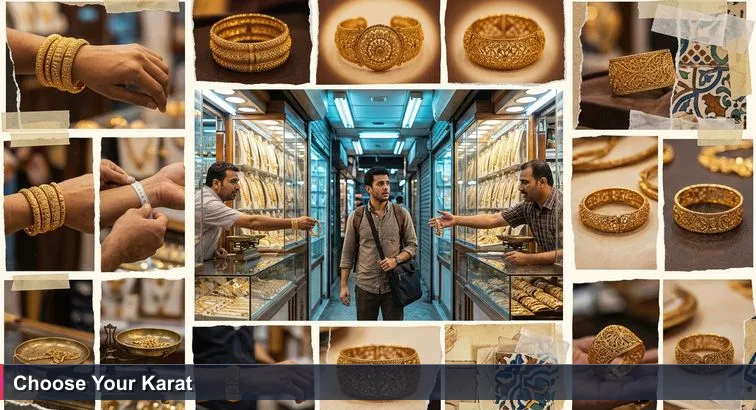
Step into Manama’s Gold Souq late in the afternoon and you feel it immediately: fluorescent light bouncing off glass cases, bangles clinking onto tiny brass scales, shopkeepers whispering different numbers for karat, weight, and “making charges.” Our engineer, backpack still on, just wants to know which shop has the “best deal” - but everything looks the same until he learns how to read the scale.
Tech careers in Bahrain in 2026 feel uncannily similar. AWS, Rain, Beyon, Citi and Binance all shine in job posts and recruiter messages. Yet once you unpack base salary, bonuses, equity or token grants, and housing or schooling allowances, the order of “best paying” changes fast. In a tax-free market like Bahrain, a BHD 50,000 package can outperform a higher sticker salary in Dubai once rent and income tax are stripped out, a dynamic the Bahrain Economic Development Board highlights when noting a 48% cost advantage for financial firms operating here compared with regional peers.
The backdrop is unusually strong for a country this size. Since AWS launched the AWS Middle East (Bahrain) Region in 2019, Bahrain has positioned itself as a cloud and data hub for the GCC, with analysts at Computer Weekly describing how this underpins a region-leading digital economy. In parallel, Bahrain’s fintech market is projected to hit BHD 10.4 billion by 2032, compounding at 31.7% a year on the back of open banking, crypto and instant payments.
This guide ranks the Top 10 tech employers in Bahrain by estimated total compensation (TC) for mid-to-senior software, data, ML and DevOps roles, drawing on platforms like Levels.fyi, Glassdoor and Cosmoquick plus local recruiter insight. Think of TC as your personal gold scale:
- Base salary - the “weight” of your bar of gold
- Bonus + sign-on - short-term cash sweeteners
- Equity or tokens - your “karat” upside
- Allowances - housing, schooling, flights and perks
Seen this way, the Top 10 stops being a simple leaderboard and becomes a map of trade-offs inside Manama’s tax-free, cloud-first, fintech-heavy ecosystem, from the Gold Souq to Bahrain FinTech Bay.
Table of Contents
- Introduction: From Gold Souq to Job Offers
- Amazon Web Services
- Rain
- Google Cloud
- Microsoft
- Tarabut Gateway
- Binance
- Citi
- Beyon (Batelco)
- stc Bahrain
- The Benefit Company
- Closing Thoughts
- Frequently Asked Questions
Amazon Web Services
Among Manama’s tech employers, Amazon Web Services sits closest to the “24-karat” end of the scale. It anchors its pay to global engineering bands while running a full local cloud region in the Kingdom, with the AWS Middle East (Bahrain) Region underpinning many government, banking and startup workloads. For AI, ML, and cloud engineers, that combination of strategic projects and imported pay philosophy is rare in the GCC.
Benchmarks compiled from market guides and platforms like ZeroTaxJobs’ Manama salary data show mid-to-senior AWS engineers in Bahrain typically landing between BHD 45,000-115,000+ in total annual compensation. Because there is no personal income tax, most of what global peers would lose to tax in London or Frankfurt lands directly in your Bahraini bank account.
| Level (AWS) | Typical Role | Base (BHD/yr) | Est. Total Comp (BHD/yr) |
|---|---|---|---|
| L4 | SDE I / Associate SA | 26k-32k | 35k-48k |
| L5 | SDE II / Sr SA | 34k-46k | 55k-85k |
| L6 | Sr Engineer / Principal SA | 50k-65k | 90k-125k+ |
Those totals blend strong base pay with bonuses and stock. Typical annual cash bonuses or signing bonuses range around BHD 5,000-8,000 at L4, 8,000-18,000 at L5, and 15,000-30,000 at L6. Equity comes as Restricted Stock Units, often worth roughly BHD 4,000-8,000 per year at L4, 13,000-21,000 at L5, and 25,000-40,000 at L6 when annualised. The vesting schedule is deliberately back-loaded at 5/15/40/40 over four years, with large year-1 and year-2 cash sign-ons to smooth the curve.
For a Manama-based ML engineer or solutions architect, the practical trade-off is clear: longer hours and high expectations, but global-grade upside in RSUs and promotions without leaving Bahrain’s ecosystem of fintechs, telcos, and public-sector cloud projects. When you normalise offers over a 3-4-year horizon, AWS often sets the ceiling that Rain, Tarabut and the local giants quietly benchmark against.
Rain
Walk a few blocks from Bahrain FinTech Bay and you’ll find one of the Kingdom’s loudest signals that fintech has gone mainstream: Rain, the home-grown crypto exchange that has forced even Dubai and Riyadh to raise their game on pay. Operating under the Central Bank of Bahrain’s crypto framework, Rain hires software, data, ML and security engineers who can keep a 24/7 trading platform running safely while new tokens list and volumes spike.
To win those skills, Rain leans hard on cash. Mid-level engineers commonly report BHD 3,000-4,500 per month in base salary - roughly BHD 36,000-54,000 per year - and internal benchmarks suggest packages have been pushed 10-15% higher since 2024 to stay ahead of UAE offers, as reflected in profiles on Rain’s hiring page on Wellfound. Entry-level engineers typically see bases in the BHD 20,000-26,000 range, while seniors and leads often land between BHD 50,000-65,000 in base alone.
On top of that, bonuses and token or equity grants shift the real “karat” of the offer. Annual cash bonuses span roughly BHD 0-3,000 for juniors, 4,000-8,000 for mid-level staff and 6,000-12,000 for senior or lead roles. Token or option components, usually vesting over four years with a one-year cliff, often add around BHD 2,000-4,000 annually at entry level, 6,000-12,000 at mid-level and 12,000-25,000 for senior hires. That places estimated total compensation near BHD 22,000-33,000 for juniors, 38,000-70,000 for mid-level, and 60,000-90,000+ for seasoned leaders.
Because part of this upside is denominated in crypto, valuation discipline matters. During bull markets, token grants can exceed their initial valuation; in downturns, they can shrink dramatically. A sensible way to read the scale when you compare Rain to AWS, Citi or Beyon is to:
- Apply a 30-60% haircut to private or thinly traded tokens to reflect volatility and liquidity risk
- Clarify lock-up periods, vesting frequency and any clawback if you leave early
- Check whether grants are in BTC/ETH, stablecoins or a proprietary platform token, as each carries different risk
For engineers excited by fraud detection, risk scoring and trading-venue reliability in a crypto-native environment - and comfortable with that volatility - Rain offers one of the most aggressive cash-and-token blends you can get without leaving Manama’s waterfront.
Google Cloud
While Bahrain doesn’t yet host a physical Google data centre, Google Cloud has quietly become part of the Manama landscape through regional roles that serve ministries, banks and enterprises across Saudi, the UAE and Qatar. Many of these are Bahrain-based or hybrid, blending on-the-ground client work with remote collaboration across the wider GCC.
Compensation is anchored to Google’s global engineering bands and then tuned to Bahrain’s cost structure. Packages skew cash-heavy, with roughly 70% in base salary, around 15-20% in equity via Google Stock Units (GSUs), and 10-15% in performance bonus. Global benchmarks on Levels.fyi’s Google engineer profiles show how valuable that equity component can be once stock appreciation is factored in; in Bahrain, it also arrives without any personal income tax haircut.
For Bahrain-hubbed roles focused on cloud, data, and applied ML, 2026 market ranges look roughly like this when you put them on your own “gold scale” of total compensation:
- L3-L4 - SWE / Cloud Engineer: base BHD 30,000-38,000, bonus 4,000-6,000, GSUs annualised 6,000-10,000, for estimated total compensation around 40,000-52,000.
- L5 - Senior SWE / Customer Engineer: base BHD 36,000-45,000, bonus 5,000-8,000, GSUs 10,000-18,000, bringing TC to about 50,000-65,000.
- L6 - Staff / Senior Customer Engineer / Tech Lead: base BHD 45,000-55,000, bonus 7,000-12,000, GSUs 18,000-33,000, with senior TC spanning roughly 60,000-100,000.
Day to day, many Bahrain-based Google Cloud engineers work on multi-country architectures: landing zones on GCP, data platforms for regional banks, or AI solutions for public-sector digital programmes. For experienced cloud, data and ML engineers who want liquid, publicly traded equity plus access to GCC-scale problems without relocating to Dubai or Riyadh, that mix of GSUs, strong base and Manama lifestyle often compares very favourably once you normalise everything into BHD.
Microsoft
Look across Bahrain’s enterprise cloud deals and you’ll see Microsoft Azure logos almost as often as AWS. From banks in the Financial Harbour to government digitalisation programmes, many large transformations now involve Microsoft architects, data engineers and security specialists based in or frequently travelling through Manama.
Compensation reflects Microsoft’s global philosophy: a balanced mix where roughly 65-70% is base salary, around 10-15% is annual bonus, and the remaining 15-25% comes as stock awards. Global benchmarking of engineering levels on 6figr’s analysis of Microsoft engineering bands shows how valuable those stock grants become once you factor in appreciation and refreshers; in Bahrain, the absence of personal income tax means vested shares translate directly into take-home wealth.
For Bahrain-linked roles in Azure, security and data/AI, typical 2026 bands look like this when you convert everything onto your “gold scale” of total compensation:
- Level 59-60 (SWE / Cloud Solution Engineer): base around BHD 28,000-34,000, bonus 3,000-5,000, stock awards worth roughly 5,000-8,000 per year, for estimated total compensation of 36,000-47,000.
- Level 61-62 (Senior SWE / Senior Cloud Solution Architect): base near BHD 34,000-42,000, bonus 4,000-7,000, stock 7,000-12,000, bringing TC to about 45,000-60,000.
- Level 63+ (Principal / Engineering Manager): base roughly BHD 42,000-52,000, bonus 6,000-10,000, stock 12,000-33,000, for senior packages in the 55,000-95,000 range.
Much of the work is deeply tied to Bahrain’s financial sector, which already contributes over 17% of GDP and is rapidly digitising, as profiled in Oxford Business Group’s coverage of the Kingdom’s ICT expansion. For AI and ML engineers, that translates into projects on credit scoring, anti-fraud systems and analytics platforms for banks, telcos and public agencies - plus a steady pathway through Azure, security and data certifications that travel well across the GCC job market.
Tarabut Gateway
In the heart of Bahrain FinTech Bay, Tarabut Gateway has become the reference point for open banking talent in the GCC. Its APIs connect banks, fintechs and merchants, making it the “pipes” behind many of the apps Bahrainis use to move money. The Bahrain Economic Development Board has highlighted Tarabut as a key player in the Kingdom’s open-banking leadership, alongside Benefit and FLOOSS, in its coverage of how Bahrain is reshaping regional finance through API-first payment infrastructure.
Why Tarabut sits near the top of the pay scale
Unlike traditional banks, Tarabut behaves like a growth-stage startup: compensation mixes solid cash with meaningful equity, and engineers work on problems that scale across the GCC. The macro tailwind is powerful. Bahrain’s fintech market is projected to reach around BHD 10.4 billion by 2032, growing at roughly 31.7% annually as open banking, crypto and instant payments expand, according to NewsofBahrain’s fintech analysis. For AI/ML and data engineers, that means greenfield work in risk scoring, personalisation and real-time transaction monitoring.
What the numbers look like
By 2026, typical engineering compensation at Tarabut Gateway in Bahrain clusters around three bands:
- Entry level (Junior SWE / API Support Eng.): base BHD 18,000-22,000, bonus 0-3,000, options worth roughly 2,000-4,000 per year, for estimated total compensation near 20,000-27,000.
- Mid-level (SWE / Platform / Data Eng.): base BHD 26,000-34,000, bonus 3,000-6,000, options around 6,000-10,000 annually, bringing TC to roughly 35,000-48,000.
- Senior/Lead (Sr SWE / Eng. Manager / Head of Eng.): base BHD 32,000-40,000, bonus 5,000-10,000, options in the 10,000-25,000 range, for a wide TC band of about 35,000-75,000 depending on equity.
Options vest over four years and should be discounted by roughly 40-60% when you compare them to liquid RSUs at AWS or Google. Still, for engineers who want ownership in a company wiring together GCC banks and wallet providers, Tarabut’s blend of base, bonus and high-upside equity can be one of the most attractive “karat mixes” in Manama’s fintech scene.
Binance
Binance’s Bahrain entity is the crypto world’s answer to a high-karat bangle in the Gold Souq: globally recognised brand, strong upside, and a little more volatility in the mix. Licensed under the Central Bank of Bahrain, it gives engineers exposure to a global exchange while remaining physically anchored in Manama, close to Bahrain FinTech Bay and the wider GCC client base.
Market surveys and recruiter feedback consistently place Binance among the Kingdom’s better-paying fintech employers for core engineering, especially in backend, security and infrastructure roles. Although many salary datasets group Binance into broader regional buckets, sources tracking high-paying tech firms in the Gulf note it “frequently cited as a top employer in the fintech and blockchain space” for compensation, even if detailed Bahrain-only numbers are sparse compared with more established banks and telcos on platforms like Glassdoor’s Bahrain tech company rankings.
For engineers on the ground, 2026 packages in Bahrain typically look like this once you add everything onto your own “gold scale” of total compensation:
- Entry level (Junior SWE / Ops / Compliance Eng.): base around BHD 20,000-24,000, cash bonus roughly 2,000-4,000, and BNB token grants worth about 3,000-5,000 per year when annualised, yielding estimated total compensation near 25,000-33,000.
- Mid-level (SWE / DevOps / Security Eng.): base in the BHD 28,000-36,000 range, bonus roughly 4,000-7,000, tokens around 6,000-12,000 per year, for TC of about 35,000-55,000.
- Senior/Lead (Sr SWE / Tech Lead / Head of Eng.): base typically BHD 34,000-44,000, bonus roughly 6,000-10,000, tokens valued near 10,000-20,000 annually, pushing total compensation into the 35,000-70,000+ band depending on token pricing.
Because part of the package is denominated in BNB, your effective “karat” fluctuates with the market. A practical way to compare Binance with Rain, AWS or Citi is to value token components using a conservative price (for example, a 6-12-month trailing average), then run your own stress test by asking what your total compensation looks like if that token value halves. In return for taking that risk, you gain direct exposure to one of the world’s most active crypto platforms, working on low-latency matching engines, custody systems and on-call rotations that mirror the pressure of a trading floor - but from a workstation in Manama.
Citi
When Citi unveiled its dedicated technology hub in Bahrain, it sent a clear message: Manama is no longer just a booking centre for regional finance, but a place where global markets and payments platforms are actually built. The new hub, profiled in Citi’s Bahrain technology hub announcement on The Paypers, supports global transaction services, markets, and risk systems from within the Kingdom’s financial district.
Inside Citi, compensation follows well-defined global banking bands. For engineers and technologists in Bahrain, that typically translates to:
- C10 - Junior Dev / QA / Support Engineer: base around BHD 14,000-18,000, bonus roughly 1,000-3,000, and up to 0-2,000 in allowances, for estimated total compensation of about 15,000-23,000.
- C11 - SWE / Analyst / Senior Developer: base roughly BHD 18,000-26,000, bonus near 3,000-6,000, allowances around 2,000-4,000, leading to total compensation of roughly 20,000-32,000.
- C12 - Senior SWE / AVP / VP (Tech Lead): base typically BHD 26,000-34,000, bonus about 6,000-12,000, allowances around 3,000-9,000, for packages that reach BHD 35,000-55,000+.
Compared with high-equity fintechs, Citi’s “karat mix” leans towards predictable cash: strong base pay, performance bonuses, and robust benefits rather than tokens or startup options. For Bahraini nationals, employer pension contributions add another layer of long-term value; for expats, housing and schooling allowances at senior levels can materially change the equation when you compare offers across the GCC.
On the engineering side, much of the work sits at the intersection of global payments, risk and regulatory technology, aligning with Citi’s broader role in initiatives like Bahrain’s Fintech Forward events, where it appears among key ecosystem supporters on Fintech Forward’s partner list. For AI and ML specialists, that translates into building models for transaction monitoring, credit and market risk inside one of the world’s largest banks - from a desk in Manama, with tax-free income and a clear grade ladder from C10 upwards.
Beyon (Batelco)
Among local employers, Beyon (formerly Batelco) is the classic example of a stable, allowance-rich package wrapped around serious national infrastructure work. As Bahrain’s flagship telecom and digital services group, it underpins everything from mobile networks to cloud and data centres, and even long-term partnerships with carriers like Gulf Air, highlighted in Batelco’s own coverage of its 40-year relationship with the airline.
Where AWS or Rain lean on equity, Beyon leans on structured cash. A typical mid-level package might be described as BHD 3,000 per month, but internally split into roughly BHD 2,000 base plus about BHD 600 housing and BHD 400 transport, a pattern consistent with the allowance-heavy structures documented in employment cost analyses for Bahrain. For families, this often scales into schooling support and annual flights at senior grades, all paid into a tax-free environment.
By 2026, engineering compensation at Beyon clusters roughly into three rungs:
- Entry level (Junior Dev / NOC / Systems Engineer): base around BHD 12,000-16,000 per year, housing and transport allowances of 3,000-5,000, and bonuses near 0-2,000, yielding total compensation of about BHD 15,000-22,000.
- Mid-level (SWE / Network / Cloud / Data Engineer): base roughly BHD 18,000-24,000, allowances around 5,000-8,000, bonuses near 2,000-4,000, giving a total package around BHD 25,000-36,000.
- Senior/Lead (Senior Engineer / Architect / IT Manager): base typically BHD 20,000-28,000, allowances of about 7,000-12,000, bonuses in the 3,000-7,000 band, taking total compensation into the BHD 30,000-55,000 range.
Much of the technical work sits at telco scale: AI-driven customer analytics, network optimisation, cybersecurity, and new digital products riding on 5G and fibre. For Bahraini nationals and long-term expats alike, Beyon’s mix of stable base pay, predictable allowances and exposure to national infrastructure makes it one of the most attractive “weight plus making charges” combinations in Manama’s tech ecosystem, even without RSUs or tokens.
stc Bahrain
As Beyon’s fiercest rival, stc Bahrain plays the challenger role in the Kingdom’s telecom story: pushing hard into digital services, cloud, OTT and even fintech, while mirroring the allowance-heavy compensation structures that define much of Bahrain’s corporate market. For engineers, it offers large-scale telco problems, solid pay, and a direct connection to the wider stc Group in Saudi Arabia.
Compensation mix at stc Bahrain
Headline packages at stc typically sit just below Beyon’s, but the structure feels familiar: a moderate base salary topped up by generous housing and transport allowances, plus performance bonuses. Entry-level engineers and support staff often see base salaries around BHD 11,000-15,000 per year, allowances roughly BHD 3,000-4,000, and bonuses of BHD 0-2,000, giving estimated total compensation in the BHD 14,000-20,000 range. These figures line up well with broader IT pay bands reported in Bahrain-wide information technology salary guides from Naukrigulf.
For mid-level roles like software, network, data or security engineers, base tends to climb to about BHD 16,000-22,000, with allowances around BHD 4,000-7,000 and bonuses typically BHD 2,000-4,000, putting total compensation near BHD 24,000-33,000. Senior engineers, architects and IT managers usually land on bases of roughly BHD 18,000-24,000, allowances in the BHD 6,000-10,000 band and bonuses near BHD 3,000-8,000, pushing total packages into the BHD 27,000-52,000 range.
Work, lifestyle and regional mobility
Day to day, stc engineers work on 5G rollouts, OSS/BSS systems, customer analytics and digital experience platforms that touch millions of SIMs. The company’s GCC footprint means successful Manama hires can often explore secondments or transfers into the larger Saudi market, which salary surveys on sites like ZeroTaxJobs’ regional tech employer comparisons highlight as commanding strong pay for experienced engineers.
For professionals who value steady cash, meaningful allowances and the chance to grow within a regional telecom powerhouse rather than chase RSUs or tokens, stc Bahrain offers one of the most balanced “weight plus making charges” mixes in the local market.
The Benefit Company
Every time a card is tapped in Muharraq or a BenefitPay QR code is scanned in a Riffa café, there is a good chance The Benefit Company is somewhere in the transaction path. As operator of Bahrain’s national electronic funds transfer system (EFTS), ATM network and much of the instant payments plumbing, Benefit is the quiet backbone of the Kingdom’s cashless push. EFTS transaction values alone reached around BHD 33 billion in 2024, underscoring how mission-critical its platforms have become.
Unlike early-stage fintechs chasing token upside, Benefit blends fintech-grade pay with bank-like stability. For engineers in Manama, the numbers usually break down into three broad bands. Entry-level roles such as junior software engineers, operations or support engineers tend to see base salaries near BHD 12,000-16,000, bonuses around BHD 1,000-3,000, and allowances of roughly BHD 1,000-3,000, for total compensation near BHD 14,000-22,000.
Mid-level engineers working on core switching, integration or data pipelines generally earn bases of about BHD 16,000-22,000, bonuses in the BHD 3,000-6,000 range, and allowances of roughly BHD 3,000-5,000, bringing total compensation to around BHD 22,000-33,000. Senior software engineers, technical leads and architects often land on base pay of BHD 20,000-26,000, bonuses of BHD 5,000-10,000, and allowances in the BHD 5,000-12,000 band, for estimated packages between BHD 25,000-48,000.
What makes Benefit attractive is not just the cash, but the type of work. Engineers and data specialists are building and maintaining systems that almost every resident touches daily: EFTS, BenefitPay, POS and ATM interoperability. In a market where the financial sector already contributes over 17% of GDP and is drawing increasing tech talent, guides like Nucamp’s analysis of top-paid tech roles in Bahrain highlight payments and fintech as some of the most resilient career bets.
Add Bahrain’s tax-free income and relatively low living costs, which independent overviews such as DigitalDefynd’s assessment of working in Bahrain flag as key expat advantages, and Benefit’s mix of solid base, dependable bonuses and meaningful allowances becomes a compelling choice for engineers who want high-impact, national-scale payments work without the volatility of tokens or RSUs.
Closing Thoughts
By now, the Gold Souq scene looks different. Our engineer is still standing in that narrow corridor, bangles clinking on glass, but he’s no longer asking, “Which shop is the best?” He’s asking, “What’s the karat? How much does it weigh? What are the making charges?” In the same way, once you’ve seen how base, bonus, equity or tokens, and allowances stack together, the idea of a single “best-paying” tech company in Bahrain starts to feel too simple.
Across Manama’s tech landscape, the pattern that emerges is a dual market. Global cloud and high-growth fintech players compete on stock, tokens and headline total compensation, while local giants and banks lean on stability, housing, schooling and pensions. For many engineers and data specialists, Bahrain’s tax-free salaries and relatively modest living costs are exactly why it has been described as a “hotspot for expats” in regional analyses such as ETHRWorld’s assessment of Bahrain’s appeal.
Comparing these options against Dubai, Riyadh or Doha means thinking in net, not gross. Regional salary guides suggest senior engineers can sometimes see around 10-25% higher headline packages in the UAE or Saudi. But once tax, rent and schooling are factored in, a BHD 45,000 package in Manama can feel closer to a BHD 55,000-60,000 equivalent in a higher-cost city. That’s before you price in shorter commutes, access to Bahrain FinTech Bay, and proximity to employers like Beyon, Citi, Gulf Air and Alba.
To convert offers into your own “gold scale,” it helps to:
- Insist on a full breakdown of base, bonus, equity/tokens, housing, schooling and flights
- Annualise sign-on bonuses and buyouts over at least three to four years
- Discount illiquid stock or tokens and compare them cautiously with cash allowances
- Understand local obligations such as social insurance and how employers handle them, a point underlined in global hiring guides like Remofirst’s overview of hiring in Bahrain
In the end, the goal is the same as in the souq: walk into one specific shop on purpose. For some, that will be a high-upside cloud or crypto role; for others, a long-term post at a telco or payments utility with family-friendly benefits. Use this Top 10 as a map of trade-offs, not a treasure chest - and weigh every offer in total dinars, over several years, on a scale only you can calibrate.
Frequently Asked Questions
Which tech company pays the most in Bahrain in 2026?
Amazon Web Services (AWS) ranks highest in our 2026 list - mid-to-senior TC at AWS in Manama typically runs around BHD 45,000-115,000+ per year, thanks to global pay bands, large signing bonuses and annualised RSUs; Google Cloud, Microsoft and top fintechs like Rain follow closely.
How did you rank these companies - what were your selection criteria?
We ranked firms by estimated total compensation (TC) in BHD, combining base salary, cash bonuses/sign-ons, and annualised equity or token value, then adjusted for local allowances (housing, schooling) and used benchmarks from Levels.fyi, Glassdoor and regional market surveys to normalise offers.
How should I compare an offer from a local telco (Beyon/stc) with one from a global cloud firm (AWS/Google)?
Annualise every component: spread sign-ons over 3-4 years, divide RSUs/GSUs by the vesting period (typically 4 years) and add housing/schooling allowances (e.g., BHD 600/month housing = BHD 7,200/yr) so you compare true TC rather than headline base alone.
Which companies are best to join if I want to specialise in AI/ML roles in Bahrain?
AWS, Google Cloud and Microsoft are top choices for cloud-native AI/ML roles (leveraging the AWS Bahrain region and GCC clients), while Citi, Rain, Tarabut and Benefit offer strong applied ML opportunities in payments, risk and fintech; mid-level AI/data roles typically sit in the BHD 35k-85k TC range depending on equity and bonuses.
Is token-heavy compensation from Rain or Binance worth accepting in Manama?
Token grants can offer big upside but carry volatility and illiquidity - discount private tokens by ~30-60% and public tokens like BNB using a conservative 6-12 month trailing average when valuing them; Bahrain’s regulated framework gives some stability, but treat token value as speculative when negotiating base and allowances.
Top 10 AI Tech Bootcamps in Bahrain in 2026 - a ranked guide for Manama professionals
Looking for the top Bahrain tech coworking hubs and incubators that connect to banks, Batelco, and Bahrain FinTech Bay?
Find a comprehensive guide on scholarships and Tamkeen funding for tech courses and bootcamps in Manama (2026).
Read our guide to the best companies hiring AI engineers in Bahrain for Manama-based tech talent.

Irene Holden
Operations Manager
Former Microsoft Education and Learning Futures Group team member, Irene now oversees instructors at Nucamp while writing about everything tech - from careers to coding bootcamps.