









Top 10 Women in Tech Groups and Resources in Peru in 2026
By Irene Holden
Last Updated: April 21st 2026
Too Long; Didn't Read
For women in Peru advancing in tech in 2026, Laboratoria and Women in Tech Peru are standout resources, offering proven pathways to success. Laboratoria's bootcamps boast a 79% job placement rate, tripling incomes for graduates, while Women in Tech Peru provides networking and 5,000 Grow with Google scholarships to enhance skills in AI and data analytics. These groups tap into Lima's thriving ecosystem, connecting members to employers like BCP and IBM, and support careers from entry-level to leadership in Peru's dynamic market.
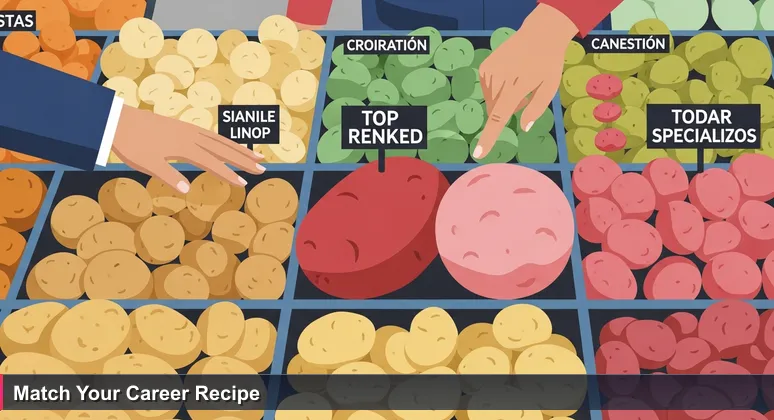
In a Lima market like Surquillo, the choice between a papa amarilla and a papa blanca isn't about picking the best potato - it's about knowing what you're trying to cook. This same principle of intentional selection is crucial when navigating Peru's growing ecosystem of women in tech resources. A generic list of groups is as helpful as a bin of unlabeled potatoes; the real value lies in matching your specific career stage with the right support system.
Whether you're a computer science student at UTEC, a mid-level developer at Interbank in San Isidro, or an aspiring founder building a startup in Surco, your needs are distinct. The foundational training required to launch a career is fundamentally different from the niche networking needed to scale a business or the internal advocacy required to climb the corporate ladder at a major bank like BCP.
This curated guide moves beyond a simple ranking. It treats Peru's dynamic tech scene as a diverse pantry of ingredients, where organizations like Laboratoria serve as the essential base for a career pivot, boasting a 79% job placement rate for graduates. Your career, much like Peruvian cuisine, is a complex dish. The first step is identifying what you aim to build, so you can select the community that will help you perfect your recipe for success.
Table of Contents
- Finding Your Tech Career Path in Peru
- Laboratoria
- Women in Tech Peru
- Corporate Women in Tech Chapters
- WomenTech Network Peru
- Mujeres en Red by Telefónica
- BeE3 LabTech & Founder Networks
- Cámara Peruana de IA & University Alliances
- Regional & Grassroots Outreach Programs
- Women in Tech Summits in Lima
- Alumni Networks & Peer Circles
- Choosing Your Path in Peru's Tech Ecosystem
- Frequently Asked Questions
For AI career advice specific to Lima, Peru in 2026, this article is invaluable.
Laboratoria
For women in Peru looking to decisively pivot into a tech career from the ground up, Laboratoria remains the unparalleled launchpad. This pioneering nonprofit, co-founded by Mariana Costa Checa, runs intensive six-month bootcamps in Web Development and UX Design, specifically designed for women with high potential but limited economic resources.
Its transformative power is proven in the outcomes: the organization reports a 79% job placement rate for graduates, who often see their incomes triple upon entering the tech workforce. This success is fueled by direct hiring pipelines with major Lima employers like Banco de Crédito del Perú (BCP) and Telefónica.
Beyond the core bootcamp, Laboratoria has evolved to meet diverse needs. It now offers shorter, focused programs like its 6-week "Kickstart Your Career" course, which helps with professional profiling and AI-integrated job searches. The support extends far beyond graduation, providing lifelong career guidance and access to a powerful alumni network across Latin America. For any woman in Peru seeking a structured, high-impact entry into tech, Laboratoria is the most proven starting point.
Women in Tech Peru
As the official Peruvian chapter of the global Women in Tech® movement, this organization is the premier hub for networking, mentorship, and advocacy for women at all career stages. Run locally by leaders like Director Marcela Olivieri, it creates a dynamic platform for empowerment through regular meetups in Lima's key districts like San Isidro and Miraflores, leadership workshops, and high-profile events.
A major highlight is its powerful corporate and institutional partnerships. In 2025, the chapter facilitated 5,000 Grow with Google scholarships for Peruvian women in high-demand fields like AI Fundamentals and Data Analytics through a dedicated application initiative. Furthermore, it partners with multinationals like Acer and AMD to establish digital training centers in underserved areas, such as one in Vidawasi for girls in the Andes, actively bridging the gap between Lima's tech hub and the rest of the country.
The chapter also elevates Peru's profile on the regional stage, having hosted prestigious events like the Women in Tech LATAM Awards in Lima. Engaging with this chapter means accessing a structured, multifaceted path to growth, connecting students, professionals, and senior leaders across the nation's evolving tech landscape.
Corporate Women in Tech Chapters
For women already within or aspiring to join Peru's largest corporations, internal diversity chapters are invaluable, targeted resources. Major players driving digital transformation in Lima, including Banco de Crédito del Perú (BCP), Interbank, and BBVA Perú, have established internal "Women in Tech" or similar groups focused on hiring and promoting female talent.
These corporate chapters offer concrete advantages: targeted mentorship from senior leaders, skill-building workshops tailored to the company's specific tech stack, and crucial visibility for promotion tracks. They directly address leadership gender gaps by creating internal sponsorship networks. For a software engineer at BBVA or a data analyst at Interbank, involvement can be key to navigating corporate structure and understanding unspoken promotion criteria.
A prime example is Telefónica del Perú’s dedicated "Mujeres en Red" (Women in Network) initiative, which has successfully increased female participation in technical customer service and infrastructure maintenance roles. These programs exemplify how corporate resources, when strategically focused, create tangible career pathways and foster supportive communities within traditionally male-dominated environments.
WomenTech Network Peru
While local community is vital, global connection accelerates careers. The WomenTech Network provides Peruvian technologists with a bridge to an international community of over 140,000 women. This platform is particularly powerful for professionals seeking roles at global companies with offices in Lima, such as IBM and Accenture, or for those eyeing remote international opportunities.
Members gain access to a year-round calendar of virtual conferences, a global job board featuring roles that value diversity, and mentorship matching that can connect a developer in Santiago de Surco with a senior product manager in Europe. As one member noted, the value lies in "networking with professionals from diverse backgrounds, cultures, and industries."
For Peruvian women navigating a competitive but smaller local market, this expansive network demystifies global career paths. It provides the confidence, contacts, and insights needed to compete internationally, complementing local networks with a worldwide perspective. Resources like the 2026 Diversity Hiring Guide for programs at Amazon, Google, and Microsoft further illustrate the global opportunities such networks can unlock.
Mujeres en Red by Telefónica
Telefónica del Perú's Mujeres en Red program stands out as a corporate-driven powerhouse with a focused mission: to recruit, train, and retain women in the critical infrastructure side of tech. It targets areas with pronounced gender gaps, such as network engineering, field operations, and technical support.
The program combines formal training with hands-on apprenticeships and a strong internal support community to create a clear, supported career ladder within the telecom giant. It proactively tackles traditional biases in recruitment for "field" roles, offering women in Peru a unique and direct pathway into a sector known for high job stability and competitive salaries in PEN.
This initiative exemplifies how concentrated corporate resource and strategic focus can create tangible change in specific sectors of the tech workforce. For women interested in the engineering and maintenance of the nation's digital backbone - an area vital to Peru's connectivity - Mujeres en Red provides a structured and impactful entry point rarely found elsewhere.
BeE3 LabTech & Founder Networks
For women driving innovation in Peru's core economic sectors, specialized networks provide the niche expertise generalist communities cannot. BeE3 LabTech, led by Melissa Amado, is a prime example, focusing on applying AI and digital engineering to modernize traditional industries like mining. This represents a critical segment of Lima's tech ecosystem, where innovation meets Peru's economic strengths.
These founder-focused circles address the unique challenges female entrepreneurs face, from securing venture capital to scaling businesses beyond Lima. Their importance is underscored by Peru's regional leadership, as the country leads Latin America with 36% female entrepreneurs. This vibrant landscape demands targeted support.
These groups provide not just camaraderie but practical, tailored resources. This includes investor introductions, legal workshops, and market access strategies designed for the Peruvian and LatAm context. For the woman engineer launching a greentech startup or a product manager developing SaaS for Andes agriculture, as highlighted in profiles of influential tech leaders, these networks offer the essential stakeholder connections and sector-specific knowledge to turn specialized ideas into viable businesses.
Cámara Peruana de IA & University Alliances
As artificial intelligence transforms every industry in Peru, being part of the conversation on its ethics, governance, and development is critical. Groups like the Cámara Peruana de IA (CPIA) and academic alliances with universities such as PUCP and Universidad Nacional Mayor de San Marcos provide essential forums for women to engage with AI beyond just implementation.
These alliances host talks and panels on how AI is reshaping work, emphasizing the need for diverse teams in the design phase. As highlighted by female tech leaders in commentary on shaping the future, "If women only observe AI rather than designing it, we'll turn yesterday's prejudices into tomorrow's code." This underscores the proactive role these groups encourage.
For students and professionals in Lima, participation here means influencing the foundational policies and educational curricula that will define Peru's AI-driven future. It's about ensuring women are architects and policymakers, not just end-users, of this transformative technology. Engaging with these thought leadership circles connected to major institutions is a strategic move for any woman aiming to lead in Peru's tech landscape.
Regional & Grassroots Outreach Programs
A significant challenge in Peru's tech ecosystem is the concentration of opportunity in Lima. Resources that actively work to decentralize access are vital for national growth. Programs like the Girl Up TechHER Revolution in Peru, led by alumna Leslie, and multinational partnerships that establish digital centers in regions like the Andes are creating crucial pipelines of talent from across the country.
These initiatives run workshops, coding camps, and mentorship programs in areas like Trujillo and the Amazon, often partnering with local schools and governments. They provide the initial spark of possibility for young women outside the capital, connecting them to virtual learning resources and mentors in Lima. The scale of such outreach is significant, with related regional education programs, like UNESCO's Horizontes Amazonía, reaching over 140,000 students.
This mission of accessibility is also reflected in the growth of affordable, flexible bootcamps like Nucamp, which offers community-based learning and payment plans starting around S/8,071, making career transitions feasible from Arequipa to Iquitos. For senior women in tech looking to give back, volunteering with these grassroots programs is a powerful way to drive systemic change and discover talent from Peru's diverse regions.
Women in Tech Summits in Lima
Major conferences elevate careers by providing unparalleled visibility, cutting-edge learning, and high-value networking. Lima's growing prominence as a tech hub is marked by landmark events like the return of the Women in Technology Summit (LATAM) for its second edition in 2025, and the hosting of the International Conference on Digital Collaboration and Social Learning (ICDCSL) in the city in June 2026.
For Peruvian professionals, attending these summits is a strategic career move. A developer at a Lima startup can present a project to attract regional attention and potential investment. A manager at a Peruvian bank can attend panels to gain frameworks for improving her own teams' digital collaboration, directly applying insights from international experts.
These events do more than educate; they actively position Lima and its talent at the center of the regional conversation. They transform the city from a participant to a leader, offering a platform where local innovations are showcased alongside global trends. The connections made here - with decision-makers, investors, and peers from across Latin America - can redefine career trajectories and open doors to opportunities that extend far beyond Peru's borders.
Alumni Networks & Peer Circles
Beyond formal organizations, sustained career growth often comes from powerful, day-to-day support networks. The alumni communities of institutions like Laboratoria, UTEC, and PUCP create tight-knit ecosystems where job referrals, technical advice, and emotional support flow freely among graduates who understand the unique challenges of Peru's tech market.
Equally vital are the countless informal peer circles that form the backbone of professional resilience. These include WhatsApp groups for female data scientists, coffee meetups for product managers in Barranco, or study groups for cloud certification exams. They function as safe spaces to discuss very local challenges, such as navigating pay gaps in PEN, balancing caregiving with on-call duties at a Lima fintech, or strategizing responses to workplace microaggressions.
These networks, both formal and informal, provide the practical solidarity and insider knowledge that official programs cannot. Building and nurturing these connections is often the most actionable step a woman can take to ensure long-term growth, well-being, and a sense of belonging within her tech career in Peru, complementing the broader community found on platforms like LinkedIn.
Choosing Your Path in Peru's Tech Ecosystem
Choosing the right resource in Peru's tech ecosystem is less about finding the "top" one and more about knowing what you need to build, just like selecting potatoes in Surquillo market. Are you seeking the foundational training of a papa amarilla to create a solid base? Then Laboratoria's intensive bootcamp is your essential start.
Do you need the specialized starch of a papa huayro to perfect a specific dish? A niche network like BeE3 LabTech for founders or an internal corporate chapter at BCP might be your ideal match. The ecosystem in 2026 is rich and varied, spanning from the corporate towers of San Isidro to innovative hubs in Surco and outreach programs in the Andes.
Your career journey, much like Peruvian cuisine, is a complex recipe that requires the right ingredients at the right time. Identify your current stage - whether you're a student, a professional seeking advancement, or an entrepreneur - and intentionally select the community designed to support that specific phase of growth. With this mindful approach, you can effectively navigate Lima's dynamic scene and cook up your own recipe for success.
Frequently Asked Questions
Which women in tech group in Peru is best for someone starting a tech career from scratch?
Laboratoria is the top choice for beginners, with its six-month bootcamps boasting a 79% job placement rate and helping graduates triple their income. It's designed for women with limited resources and has direct hiring links to major Lima employers like Banco de Crédito del Perú and Telefónica.
How do these groups help women land jobs at major Peruvian companies like Banco de Crédito del Perú or Interbank?
Corporate chapters at BCP and Interbank provide internal mentorship and skill-building workshops tailored to their tech stacks, boosting promotion visibility. Additionally, Women in Tech Peru partners with these firms to offer scholarships, such as 5,000 Grow with Google awards in 2025 for roles in AI and data analytics.
Are there affordable or free resources in these groups for women on a tight budget in Peru?
Yes, many groups prioritize accessibility; Women in Tech Peru facilitated free Grow with Google scholarships, and Laboratoria offers financial aid for its bootcamps. Regional outreach programs like Girl Up TechHER Revolution also provide cost-free workshops in areas outside Lima.
What support is available for women in Peru interested in AI and machine learning careers?
The Cámara Peruana de IA (CPIA) and university alliances with PUCP offer forums on AI ethics and governance, crucial for shaping Peru's tech landscape. Women in Tech Peru also includes AI Fundamentals in its scholarship programs, connecting members to global networks for career growth.
Can women outside Lima benefit from these tech resources, or are they only focused on the capital?
Definitely, initiatives like regional outreach programs run coding camps in Trujillo and the Amazon, bridging the gap with Lima's tech hub. These efforts, often backed by multinationals, provide virtual learning and mentorship to ensure women across Peru can access opportunities.
Learn about the best tech internships offered in Peru for the upcoming year, with insights on salaries and application deadlines.
Find the premier tech coworking spaces in Peru for your venture.
Understand the shift in AI employment to Peru's core sectors in 2026.
Access a comprehensive guide to free tech training in Peruvian libraries and community centers to boost your skills.
An in-depth look at the Peru tech job market in 2026 reveals top-paying companies.

Irene Holden
Operations Manager
Former Microsoft Education and Learning Futures Group team member, Irene now oversees instructors at Nucamp while writing about everything tech - from careers to coding bootcamps.