









Top 10 Free Tech Training at Libraries and Community Centres in Brunei Darussalam in 2026
By Irene Holden
Last Updated: April 10th 2026
Too Long; Didn't Read
DBP public libraries and the Lifelong Learning Centre (L3C) are the top free tech training picks in Brunei for 2026 - DBP for the most accessible basic digital literacy and free e-resources, and L3C for workplace-ready skills like Excel and AI-assisted communication. With Brunei targeting roughly 96.4% internet penetration and no personal income tax, these community hubs give you the zero-cost on-ramps to roles at BSP, Brunei LNG, DST and local banks; pick two or three of the Top 10 and stack them before committing to paid study.
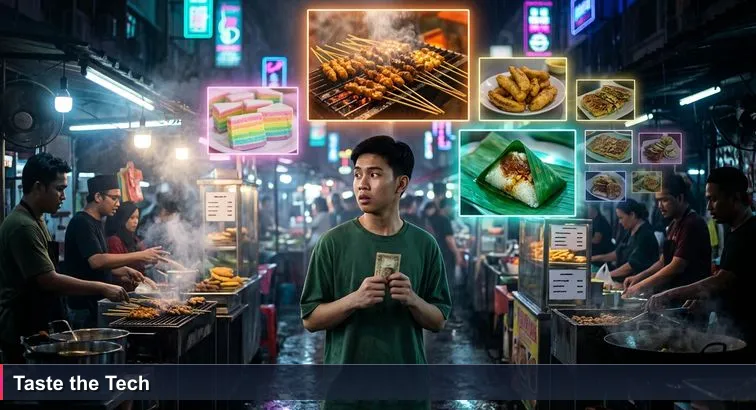
The aisle is a blur of colour and smoke. Satay hisses on open grills, rainbow cakes glow under fluorescent lights, and vendors shout over one another to convince you their stall is “number one.” Your fingers tighten around a single $5 note. Friends insist you “must” try this or that, but you know a simple truth: you can’t taste everything tonight.
Choosing free tech training in Brunei feels the same. Between DBP libraries, L3C, Pusat Belia, DARe, UBD, UTB, IBTE and more, the options stretch out like a night market of workshops and roadshows. The government is pushing hard on digitalisation - analysts describing Brunei’s digital economy ecosystem note how policy is shifting the country towards knowledge-intensive sectors, backed by a target of around 96.4% internet penetration and the advantage of no personal income tax. For anyone eyeing roles at BSP, Brunei LNG, DST, Imagine or the major banks, getting the right digital skills now really matters.
But your real “currency” isn’t course fees - most of these community programmes are BND 0.00. It’s your time, transport money from Tutong or Seria into Bandar, and the energy you have left after kerja or caring for family. In a competitive IT market that local professionals on forums say increasingly rewards recognised certifications and real portfolios, picking the “wrong” free course can feel like wasting that $5 note.
This is where rankings often mislead us. A top-10 list can flatten lived experience into a single winner, when what actually counts is fit: your starting level, district, schedule, and whether a free taster can eventually link to industry-recognised paths like AITI-backed certs or affordable bootcamps such as Nucamp’s AI Essentials for Work (15 weeks, BND 4,840) or Solo AI Tech Entrepreneur (25 weeks, BND 5,376). Think of this guide as your Gadong map, not a verdict - circle two or three “stalls” that suit your hunger, then spend your $5 of effort where it truly counts.
Table of Contents
- Standing in Gadong with Only $5
- Dewan Bahasa dan Pustaka (DBP) Libraries
- Lifelong Learning Centre (L3C)
- AITI Digital for All Roadshows
- Darussalam Enterprise (DARe) & i-Centre
- Pusat Belia & District Youth Centres
- UBD Robolab & Lifelong Learning Festivals
- UTB Hour of Code & Coding Workshops
- IBTE Continuing Education & Training (CET)
- Seria Energy Lab Outreach
- Youth Development Centre (YDC)
- Your First 30 Days
- Pick Two or Three Stalls to Start
- Frequently Asked Questions
Dewan Bahasa dan Pustaka (DBP) Libraries
Step out of the Gadong smoke and into an air-conditioned DBP library and the vibe changes instantly: rows of PCs humming, school kids revising, a librarian quietly helping someone print their first resume. For most Bruneians, DBP is still the easiest “stall” in the digital pasar to reach - especially if you live in Bandar Seri Begawan or a nearby mukim.
National reports on Brunei’s libraries describe the DBP network as a backbone for lifelong learning and digital inclusion, with the UNESCO lifelong learning profile for Brunei highlighting how public libraries support adult upskilling as well as youth. In practical terms, that means you can simply walk in and use public computers to learn the basics: navigating Windows or macOS, managing files, printing, scanning and getting comfortable with keyboards and webcams.
The real upgrade comes when staff show you the hidden menu: the e-resources@MOE portal and DBP’s OverDrive digital collection. With just a library login, you can borrow computing, STEM and career books - resources that would easily cost BND 50-100 a month if you bought them outright - and read them on your phone, tablet or a library PC.
During school holidays, branches often run short “tech camp” sessions - for example, programmes in mid-March 2026 - where younger patrons experiment with creative digital tools. Everything is pitched at absolute beginners: students, jobseekers, or parents who may not even own a laptop or have stable home internet.
For an AI or data career, you eventually need Python, SQL and cloud platforms, but underneath all of that sits a simple foundation: operating systems, file formats, online research and the discipline to self-study. DBP gives you that baseline for BND 0.00, plus quiet space and free textbooks. It’s the nasi katok of Brunei’s tech ecosystem - humble, reliable, and always there when you’re ready for your first bite.
Lifelong Learning Centre (L3C)
For adults who can already handle email and YouTube, the Lifelong Learning Centre in Berakas feels less like school and more like an upgrade shop for your digital toolkit. Run under the Ministry of Education, L3C is part of Brunei’s wider lifelong learning and digitalisation push, which higher-education analysts note is reshaping upskilling routes for working adults across the country.
The workshops here are short, practical and often free, with sessions listed as zero-cost tickets on the L3C Eventbrite page. Most assume you know basic computer use, then layer on the skills that employers at banks, telcos and energy companies quietly expect:
- AI-assisted communication for clearer emails, reports and slide decks
- Productivity tools such as Microsoft Excel, Google Drive and Google Classroom
- Cybersecurity basics like spotting phishing, managing passwords and protecting personal data
Civil servants, teachers, private-sector staff and jobseekers sit side by side during monthly Open Day blocks, often on Saturdays, so you don’t have to sacrifice a full workweek. You reserve a ticket online, show up in person, and leave with concrete skills you can immediately list on your CV or JobCentre Brunei profile.
For AI and data-curious Bruneians, L3C doesn’t teach machine learning models, but it does something just as critical: it makes sure you’re fluent in spreadsheets, cloud storage and safe online behaviour before you tackle Python or cloud computing. Those fundamentals are exactly what more advanced programmes, including the professional ICT courses under AITI’s Digital Upskilling Training Programme, build on. In other words, L3C is where you spend your first “$5” of effort to prove you can handle digital tools, before investing real money in specialised AI or coding paths.
AITI Digital for All Roadshows
When AITI’s team rolls into a kampong hall or senior centre, it feels less like a lecture and more like a travelling tech stall at the edge of the night market. The banners say “Digital for All”, but the real message is simpler: bring your phone, bring your questions, and we’ll sort things out together.
The Authority for Info-communications Technology Industry designed these roadshows to close gaps that formal classrooms miss. Sessions are usually short, often a half-day in venues like Senior Citizen Activity Centres (PKWE) or Village Consultative Councils (MPK), and delivered in friendly Malay and English. Instead of abstract theory, trainers focus on the everyday digital skills families in Tutong, Belait or Temburong actually need.
- Using smartphones confidently: contacts, messaging apps, and essential settings
- Accessing online government services and basic e-payments
- Recognising scams, fake links and social-media fraud before money disappears
Announcements for upcoming roadshows often travel through community leaders and the national Digital Brunei portal, which showcases how agencies coordinate to build a more connected population. Everything is free, and participants are encouraged to bring their own devices so they can fix problems on the spot rather than at home later.
If you’re serious about AI, data or software work, you might wonder how helping your nenek set up WhatsApp or your parents learn online banking fits into your journey. The answer is practical: when your whole household is more digitally confident and safer from scams, it’s much easier to justify extra evening screen time for your own learning, or to explain why you’re following a 15-week AI course instead of doing overtime. “Digital for All” doesn’t teach Python, but it stabilises the environment you’ll be coding in - so your limited “$5” of energy can go into building a future-ready career, not constantly troubleshooting everyone else’s tech emergencies.
Darussalam Enterprise (DARe) & i-Centre
In Brunei’s digital pasar, Darussalam Enterprise sits where the smell of code mixes with the hustle of business plans. Walk into the i-Centre and you’ll see it: founders pitching over kopi, students scribbling wireframes, and mentors explaining what “product-market fit” actually means in a small, oil-rich economy.
DARe’s mission is to turn that energy into real small and medium enterprises (SMEs). That matters because policy studies note SMEs account for well over half of employment in Brunei, making them a key pillar of the country’s diversification away from pure hydrocarbons. At the i-Centre and DARe training rooms, you’ll regularly find free or subsidised sessions that blend tech with entrepreneurship and employability.
- Digital career readiness: CV and LinkedIn clinics, often with JobCentre Brunei on-site to help you align your profile with roles at local banks, telcos or energy companies.
- Intro to tech business: talks and panels featuring local founders, plus “Hour of Code”-style tasters to show how software becomes a product.
- Startup events: meetups and summits like the Brunei Startup Summit, promoted through channels such as Biz Brunei’s coverage of DARe programmes.
Workshops are ad-hoc but frequent, often held after office hours at the i-Centre so students and employees can attend without burning leave. For someone eyeing AI or data careers, these rooms are where abstract skills like Python or machine learning meet real revenue models, customer problems and hiring pipelines.
Instead of treating coding as an isolated hobby, DARe helps you see how roles such as data analyst, ML engineer or growth marketer actually appear inside Bruneian startups. Spend a few evenings here and your limited “$5” of effort stops being just about learning tools, and starts being about building something people will pay for.
Pusat Belia & District Youth Centres
For school leavers and NEET youth, walking into a university campus can feel intimidating. Pusat Belia in Bandar and the district youth centres flip that script: futsal outside, friends hanging out, posters about gigs and courses on the walls. It’s a place you already know, which makes it a low-pressure stall in the digital pasar to try first.
Under the Ministry of Culture, Youth and Sports, these centres quietly double as hubs for employability and digital basics. Staff often host “satellite” services from agencies like JobCentre Brunei and DARe, aligning with national efforts to strengthen youth participation in the labour market described in Brunei’s lifelong learning policy reports.
- CV and JobCentre clinics where officers sit beside you to create or fix your profile.
- Digital job search skills: professional email setup, online application workflows, basic LinkedIn use.
- Intro talks on digital entrepreneurship, content creation and remote work, often led by visiting partners.
Announcements usually go up on notice boards and local social pages, with JobCentre promoting guided profile updates through posts like their “quick, easy, and guided” profile sessions. Most activities are drop-in or simple on-the-day registration and cost exactly BND 0.00, making them accessible even if you’re between jobs.
If you’re aiming for AI, data or software roles in Brunei’s tax-free economy, these centres won’t teach you Python - but they will get your basics in order. A clean CV, a functioning JobCentre profile and an email address you actually check are prerequisites before more advanced steps like AITI-backed certifications or affordable bootcamps. For many Bruneians aged 15-35, Pusat Belia is where that journey quietly begins.
UBD Robolab & Lifelong Learning Festivals
On festival days at UBD, the usual quiet walkways turn into something closer to a tech carnival: school buses lining the road, families streaming through faculty foyers, and crowds gathered around moving robots. For a few hours, AI and robotics stop being buzzwords on social media and become physical objects you can see, hear and (carefully) touch.
A recent Robolab showcase, highlighted on UBD’s official news portal, featured autonomous robots navigating real-world environments with sensors and simple AI decision-making. Events like this are usually folded into open days or Lifelong Learning Festivals held around March or April, when faculties throw open their doors not just to applicants, but to curious members of the public.
- Watch autonomous robots react to obstacles and follow programmed paths.
- Attend short talks on AI in education, smart campuses and digital pedagogy.
- Join “Hour of Code”-style activities where kids and adults build simple programs or control robots.
- Visit booths explaining UBD degree paths in computer science, data and related fields.
For upper-secondary students and their parents, this is a rare chance to compare what they imagine an AI career looks like with what academics and students are actually building in the lab. Analyses of Brunei’s higher education landscape, such as the overview in Higher Education in Brunei Darussalam, note how universities are being pushed to support the country’s digital and knowledge-based ambitions; Robolab is one very visible expression of that push.
If you’re holding your metaphorical “$5” of time and energy, a single afternoon at UBD can answer big questions cheaply: Do robots and embedded systems excite you more than web apps? Does a research-heavy environment suit you, or would you prefer hands-on vocational training and shorter bootcamps? By tasting real AI projects up close, you can choose your next stall in Brunei’s digital pasar with far more confidence.
UTB Hour of Code & Coding Workshops
Unlike a long semester, UTB’s Hour of Code sessions feel more like tasting spoons at a stall: small, colourful and low-commitment. You sit down for an hour or two, follow a guided activity, and walk away having written your first lines of “code” without drowning in theory or maths.
UTB’s Global Office has been steadily bringing these tasters to the public. A 19 March 2026 update on their social channels shows staff running an Hour of Code workshop, reaffirming UTB’s role in promoting programming beyond its enrolled students. Events like this usually coincide with UTB open days, international Hour of Code weeks, or outreach visits to schools around Brunei-Muara and further afield.
- Learn computational thinking: breaking problems into steps, spotting patterns.
- Play with block-based coding to create mini-games, stories or animations.
- Hear introductions to UTB’s degree paths in ICT, engineering and related disciplines.
- Ask lecturers and students what daily life in a tech programme actually looks like.
Announcements are typically posted on UTB’s official channels, including the main Universiti Teknologi Brunei website, and community-focused sessions are free to attend. Many are scheduled on weekends or during school breaks, making them accessible if you’re juggling work or A-level revision.
For Bruneians thinking seriously about AI or data roles, these workshops are an efficient way to test your fit with coding before committing money to longer programmes or bootcamps. If you enjoy building simple logic with loops and conditions in a friendly lab environment, that’s a strong signal you might thrive later in Python, SQL or machine learning courses. If not, you’ve “spent” just a small slice of your $5 - freeing you to explore other tech-adjacent paths like digital product, UX, or tech-enabled entrepreneurship instead.
IBTE Continuing Education & Training (CET)
If UBD and UTB feel like lecture halls, IBTE’s labs feel like the workshop behind the stall: humming PCs, tangled network cables, and instructors who expect you to actually touch the equipment. The Continuing Education and Training (CET) division is built for this hands-on vibe, offering short courses for adults who want practical IT and technical skills without committing to a full-time diploma.
According to the official IBTE CET overview, the unit exists to upgrade and reskill Bruneians in “relevant fields,” aligning with national plans to diversify into more technology-intensive sectors. While many CET programmes charge fees, IBTE regularly runs free public briefings and demo sessions that act as tasters before you decide to invest.
- Office IT and productivity: word processing, spreadsheets, presentations
- Basic networking and hardware: setting up small networks, troubleshooting PCs
- Digital design and media: introductory graphics or web tools
- Certification-aligned tasters that preview modules linked to vendor exams
These briefings, often promoted on IBTE’s social channels, let you visit the campus, sit in the labs, and directly ask instructors about schedules, fees and progression routes. You get a realistic sense of the workload and whether evening or weekend classes can fit around your job or family commitments.
Why does this matter if you’re aiming at AI or data? Because local experts and training partners quoted in outlets like the Borneo Bulletin’s coverage of ICT upskilling repeatedly stress that recognised certifications are one of the most effective ways for youth to break into private-sector tech roles. IBTE CET is often your first structured step towards those certs, giving you the infrastructure and troubleshooting skills that sit underneath cloud, data and AI systems. Spend a few of your “$5” here and you’ll know whether a more intensive, cert-backed path is worth the full investment.
Seria Energy Lab Outreach
In Belait, the science “stall” often comes to you. When Seria Energy Lab (SEL) turns up at a school or community hall, it brings boxes of sensors, Lego-like robots and bubbling experiments that smell faintly of vinegar and dish soap. For kids who only know BSP or Brunei LNG from the silhouettes of rigs on the horizon, this is a first, playful look at the technology behind the energy sector.
SEL’s outreach programmes, described on its Siuknya Sains outreach page, are designed to make STEAM “interactive and accessible,” taking learning outside classroom walls. Sessions mix quick explanations with hands-on activities, so students are not just watching demonstrations - they’re wiring circuits, coding simple robots or adjusting variables in a mini-experiment until something finally works.
- Coding and robotics tasters tied to themes like energy efficiency or environmental monitoring
- Physics and chemistry experiments that translate textbook diagrams into real reactions
- Engineering challenges such as building simple structures or devices that solve a small problem
Outreach dates depend on school calendars, but programmes are typically sponsored and free for participants, a crucial detail in a district where travel to Bandar’s universities or L3C can be costly. Teachers often use these visits to spot students who might thrive later in technical courses at institutions such as Politeknik Brunei’s School of Information and Communication Technology.
For families in Seria and Kuala Belait, SEL isn’t about turning every child into an engineer overnight. It’s about making science feel siuk - fun - so that when those same students are old enough to choose between AI, networking, or process engineering, they’re not starting from fear or confusion. In Brunei’s push to diversify its tax-free economy towards digital and knowledge sectors, that early curiosity is the spark your younger siblings will need before they ever sit in a data science class or AI bootcamp.
Youth Development Centre (YDC)
Some Bruneians don’t arrive at the digital pasar straight from sixth form or university. They come from months or years of being out of school, caring for family, or living with a disability that made mainstream classrooms tough. The Youth Development Centre (YDC), under the Ministry of Culture, Youth and Sports, exists precisely for them: a structured but supportive place to restart.
A feature in The Scoop’s coverage of YDC programmes highlights how the centre has integrated individuals with hearing impairments into ICT modules, with graduates earning international City & Guilds certificates. That combination of accessibility and recognised credentials is rare in fully free offerings and makes YDC stand out among Brunei’s youth initiatives.
- Basic ICT skills: office applications, internet use, simple digital tools and devices
- Entrepreneurship: planning micro-enterprises, basic bookkeeping, customer service
- Workplace soft skills: communication, teamwork, punctuality and problem-solving
Programmes typically run as multi-month cohorts rather than one-off workshops, giving participants time to build habits and confidence. For accepted youth, fees are usually covered through government funding, a crucial factor if your wallet feels as thin as that $5 note in Gadong. Application windows are announced through YDC channels and local media, and intake often prioritises those who are unemployed, out of formal education, or living with different abilities.
In the context of Brunei’s tax-free, increasingly digital economy, YDC plays a quiet but vital role. It doesn’t promise to turn you directly into a data scientist or AI engineer, but it can give you the foundational ICT competence and internationally recognised proof of skills you need before attempting more advanced paths like vendor certifications, AITI-backed courses or affordable AI bootcamps. For many, this is the stall that turns “I can’t” into “maybe I can, with the right support.”
Your First 30 Days
Like Gadong with your $5 note, Brunei’s free tech ecosystem can feel endless. This 30-day plan keeps things manageable: four focused weeks, each with clear goals and specific “stalls” to visit so you build momentum towards AI, data or software work without burning out.
| Week | Days | Main focus | Key free venues |
|---|---|---|---|
| Week 1 | Days 1-7 | Basic digital comfort, first CV steps | DBP libraries, Pusat Belia / youth centres |
| Week 2 | Days 8-14 | Productivity tools, cybersecurity habits | L3C workshops, AITI “Digital for All” or DBP |
| Week 3 | Days 15-21 | First coding taste, seeing real AI/robots | UTB Hour of Code, UBD Robolab/open days |
| Week 4 | Days 22-30 | Career links, planning paid next steps | DARe/i-Centre, IBTE CET, Seria Energy Lab |
In Week 1 (Days 1-7), you spend Days 1-2 at DBP learning file management, then Days 3-4 returning to type and print a one-page reflection on “Why I’m interested in AI/tech.” Days 5-7, you head to Pusat Belia or a district youth centre to set up or improve your JobCentre profile so your new skills have somewhere to “live.”
Week 2 (Days 8-14) uses an L3C workshop on Days 8-10 to learn Excel or AI-assisted communication and build a simple monthly budget spreadsheet. Days 11-14, you either attend an AITI “Digital for All” session or use DBP e-resources to study cybersecurity, then update your CV and JobCentre entry to mention “Basic Excel & cybersecurity awareness.”
Week 3 (Days 15-21) centres on an Hour of Code at UTB on Days 15-17, where you build at least one small project and note loops and conditionals. On Days 18-19 you visit a UBD Robolab or open day, then use Days 20-21 at DBP PCs to download brochures for UBD, UTB and IBTE CET tech programmes.
Week 4 (Days 22-30) links skills to careers: Days 22-24 at DARe and youth centres to refine a one-page CV; Days 25-27 at an IBTE CET briefing and, if you live in Belait, a Seria Energy Lab outreach visit; and Days 28-30 to choose one paid pathway for the next 6-12 months (ICT or data degree at UBD/UTB, a technical IBTE CET module, or professional ICT courses endorsed by AITI’s Digital Upskilling) and write a 1-2 page roadmap with three concrete next steps.
Tech workers on forums like r/Brunei’s IT career discussions often stress that Brunei’s market is competitive and rewards clear portfolios plus recognised certs. This 30-day plan doesn’t replace those, but it does “spend” your first $5 of time and energy wisely so you can approach serious AI or data training with proof that you’re committed.
Pick Two or Three Stalls to Start
By now, the digital pasar should feel less like chaos and more like a map. You’ve seen the humble stalls (DBP, youth centres), the travelling carts (AITI roadshows, Seria Energy Lab), and the big pavilions (UBD, UTB, IBTE, DARe). The temptation is to rush around trying everything, but just like in Gadong, that’s how you end up full, tired, and unsure what you actually liked.
The smarter move is to pick two or three places that fit your current season of life. If you’re starting from zero, that might be DBP plus a youth centre. If you’re already comfortable online, maybe L3C plus UTB’s Hour of Code. Living in Belait? Swap in Seria Energy Lab or an IBTE campus closer to home. Brunei’s push towards digital inclusion, reflected in open-access efforts highlighted on the Global Open Access Portal profile for Brunei, means you’re not choosing between “one shot at success” and failure - you’re choosing the order of your tasters.
Once you’ve proven to yourself that you can show up for 30 days, then it makes sense to invest real money and time. That could mean a vendor certification under AITI’s Digital Upskilling Programme, an IBTE CET module, or an affordable online bootcamp like Nucamp, where AI-focused paths range from the 15-week “AI Essentials for Work” (around BND 4,840) to the 25-week “Solo AI Tech Entrepreneur” (about BND 5,376). With reported outcomes like a ~78% employment rate and a 4.5/5 Trustpilot rating from hundreds of reviews, that kind of spend starts to look less like a gamble and more like a calculated next step.
Standing in Gadong with your $5, the best choice is rarely the most hyped stall; it’s the one that matches your hunger, your mood, your night. Treat Brunei’s free tech ecosystem the same way. Circle the two or three stalls that fit your district, schedule and starting point - then taste them properly. If you still want more after that, you’ll know exactly where, and why, to invest in the bigger plates.
Frequently Asked Questions
Which free tech training should I try first in Brunei?
Start with DBP public libraries if you’re an absolute beginner (they provide walk-in PC access and basic digital literacy), move to L3C for workplace tools like Excel and AI-assisted communication, and try a UTB Hour of Code or a UBD Robolab open day to taste coding and robotics; all three are free (BND 0.00) and realistic first steps given Brunei’s push toward ~96.4% internet penetration by 2026.
How did you decide which programmes made the top 10 list?
I ranked sites by accessibility (walk-in vs. cohort), relevance to real employer needs (skills banks, DARe links to startups, and ties to BSP/Brunei LNG/DST/Imagine), public evidence of events or roadshows, and whether they offer practical, stackable tasters that lead naturally to UBD/UTB/IBTE or certification pathways.
Will these free courses make me job-ready for AI or data roles in Brunei?
Not on their own - the free programmes are designed as low-risk tasters to build baseline digital literacy and confidence; becoming job-ready for AI or data roles typically requires further study (UBD/UTB degrees, IBTE CET modules or industry certifications) plus practical projects or internships.
Are the listed programmes truly free and do I need to register in advance?
Most offerings are free (BND 0.00) but some require registration - check Eventbrite for L3C, institution pages or social channels for UTB/UBD/IBTE, and note that DBP and AITI roadshows often have walk-in slots or community announcements via local MPs and centres.
How should I combine these free options during my first 30 days?
Pick 2-3 complementary ‘stalls’ - for example DBP (week 1) for basics, L3C (week 2) for Excel/security, and UTB/UBD events (week 3) for coding/AI exposure - then use DARe or IBTE briefings in week 4 to translate your new skills into a CV and next paid learning steps.
Compare memberships and programmes in the 2026 ranking of Brunei Darussalam tech coworking spaces and incubators to decide where to base your team.
See our complete Cost of Living vs Tech Salaries in Brunei breakdown to learn how much you can save on a local tech salary in 2026.
Students and beginners can use the AI communities in Brunei Darussalam checklist to get started.
Brunei Darussalam cybersecurity jobs 2026: which employers are hiring
Top 10 tech jobs without university degrees in Brunei Darussalam

Irene Holden
Operations Manager
Former Microsoft Education and Learning Futures Group team member, Irene now oversees instructors at Nucamp while writing about everything tech - from careers to coding bootcamps.