









Top 10 Free Tech Training at Libraries and Community Centers in Liechtenstein in 2026
By Irene Holden
Last Updated: April 17th 2026
Too Long; Didn't Read
The Liechtenstein National Library's Digital Learning Portal offers the best free tech training in 2026, with free library card access to platforms like LinkedIn Learning for AI and data science courses. Universität Liechtenstein's public workshops, such as the AI in Finance event in May, provide advanced insights and networking ties to local employers like LGT Group and Zurich's tech ecosystem.
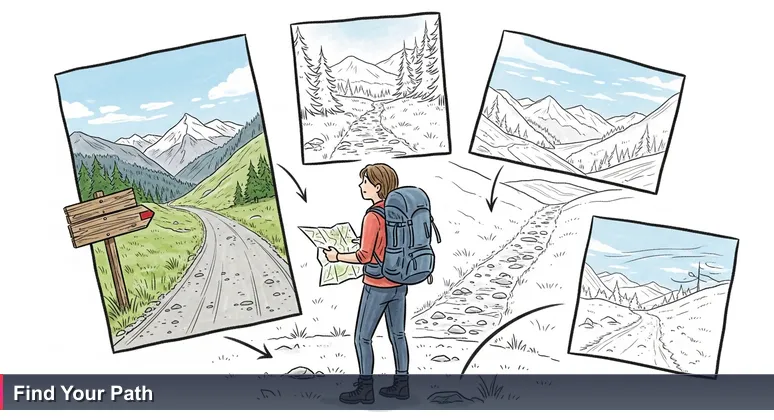
Every hiker in the Liechtenstein Alps knows that pivotal moment: standing at a trail junction your map doesn't name, where progress depends on local knowledge, not a generic ranking. In the same way, navigating the tech education landscape requires understanding the hidden, valuable routes embedded in our own community's infrastructure.
For residents of the Rhine Valley, the most effective paths to a tech career at companies like Hilti or LGT Group often begin with the free, accessible training offered by local libraries and cultural centres. This guide is your local trail map to these opportunities, designed to help you build skills without spending a single Swiss franc.
The need is urgent. Experts warn of a widening 'AI proof gap' where technological deployment outpaces public understanding, and industry surveys indicate that digital friction can cost employees up to 51 workdays per year in lost productivity. The resources listed here are the first, crucial step in bridging that gap and gaining the digital fluency required for Liechtenstein's innovation-driven economy.
Table of Contents
- Navigate Your Tech Education Journey
- Liechtenstein National Library's Digital Learning Portal
- Universität Liechtenstein's Public Lectures & Workshops
- Municipal Library Tech Help Drop-in Sessions
- Stein Egerta's Digital Inclusion Internet Cafés
- University Library Guest Workspaces & Research Access
- Gasometer Triesen & Cultural Centre Workshops
- Library of Things Activation Workshops
- Public Access to Academic E-Media & Trials
- Community Notice Boards & Local Event Listings
- Cross-Border Digital Learning Initiatives
- Your First 30-Day Free Learning Plan
- Frequently Asked Questions
This comprehensive guide to AI in Liechtenstein includes pathways and tips for success.
Liechtenstein National Library's Digital Learning Portal
The Liechtenstein National Library (Landesbibliothek) in Vaduz is the cornerstone of free, self-paced tech education. With a library card - free for residents - you unlock 24/7 online access to professional platforms like LinkedIn Learning, offering thousands of courses in Python, Data Science, and AI fundamentals.
This resource is more than a portal; it's a proactive community hub. Library leadership recently emphasized its role as a "small but powerful" regional leader in information science, actively working to close the digital skills gap. The physical "Digital Consultation" (Digitale Sprechstunde) sessions, typically on Wednesday or Saturday mornings, provide walk-in help for everything from software issues to setting up a development environment.
For the aspiring AI specialist in Liechtenstein, this is an unparalleled starting point. You can follow structured learning paths, build a portfolio of certificates, and get personalized support, all without cost. It acts as the essential, always-open digital literacy hub for the entire principality. Full details on obtaining access are on the library's English Information page.
Universität Liechtenstein's Public Lectures & Workshops
For those looking beyond beginner tutorials into cutting-edge discourse, the Universität Liechtenstein is your gateway. The university hosts free public lectures and workshops open to all, providing direct access to the high-level thinking that fuels local innovation.
The standout event is the Liechtenstein Workshop on AI in Finance, scheduled for May. This session connects learners to the theoretical and practical applications transforming our financial sector, offering invaluable networking with academics and professionals from institutions like LGT Group and VP Bank.
Furthermore, the university library offers walk-in access to its academic workspaces. External users can request a guest login at the information desk to use public PC workstations and access licensed journals, software databases, and research tools. This includes occasional trial access to emerging tools like Consensus, an AI-powered research platform, giving you hands-on experience with the same resources used by professionals. It’s a direct line to the in-depth technical study needed for fields like blockchain and data analytics that are critical to the regional economy.
Municipal Library Tech Help Drop-in Sessions
Scattered across communities like Schaan, Balzers, and Triesen, local municipal libraries provide the most immediate and approachable form of tech support. Their weekly "Tech Help" or Digitale Sprechstunde hours require no registration - you simply walk in with your device for one-on-one assistance with daily issues like setting up email or navigating online services.
This service is the first line of defence against "digital friction," a critical productivity drain. Research by The Futurum Group notes that such friction can cost employees up to 51 workdays per year in lost productivity. These patient, librarian-led sessions directly combat this by resolving small technical hurdles that might otherwise discourage further learning.
For absolute beginners, seniors, or anyone needing to build confidence, this is an invaluable, zero-pressure starting point. It embodies the practical, community-focused support system that enables residents to fully participate in Liechtenstein's digital society before pursuing more structured courses. Similar walk-in models are successfully used worldwide, as seen in the Chicago Public Library's computer help FAQs.
Stein Egerta's Digital Inclusion Internet Cafés
The Stein Egerta Adult Education Centre in Schaan plays a crucial role in Liechtenstein's social fabric by focusing on digital inclusion. It regularly hosts free "Internet Café" sessions and basic skills workshops, creating a low-pressure, social environment specifically designed for seniors and complete beginners to learn about internet browsing and online communication.
These sessions address a critical challenge identified by experts: the widening 'AI proof gap', where the pace of technological deployment outstrips the population's ability to use it effectively. By providing a gentle on-ramp, Stein Egerta ensures that no one in our tight-knit community is left behind in the digital transition, building the essential confidence needed to engage with more intensive learning later.
Often held as part of European-wide initiatives like All Digital Weeks, these drop-ins exemplify the "strong culture" of community contribution noted by residents. They translate the principle of inclusion into practical action, ensuring digital literacy grows equitably across all segments of Liechtenstein's population.
University Library Guest Workspaces & Research Access
The physical space and resources of the Universität Liechtenstein Library are a hidden gem for self-directed learners seeking depth. As detailed in their online resources, external users can walk in during operating hours and obtain a guest login for the public PC workspaces, granting access to the university's rich digital collections.
This isn't just internet access. It's an academic-grade research environment available for free, including specialized tech journals, conference proceedings, and software documentation often behind expensive paywalls. For someone deep-diving into a topic like blockchain, smart contracts, or data analytics - areas highly relevant to Liechtenstein's finance and industrial sectors - this is an unparalleled resource.
It represents the perfect next step after mastering basics online. You can conduct in-depth technical study that can inform a personal project or prepare you for advanced certifications, using the same tools that fuel innovation at local enterprises. The library's role as a community asset extends beyond students, acting as a bridge between public curiosity and professional-grade knowledge in our "small but powerful" regional ecosystem.
Gasometer Triesen & Cultural Centre Workshops
While the Gasometer Triesen is primarily a cultural centre, its programming increasingly intersects with creative technology, offering a unique, low-barrier entry point. Throughout the year, it hosts hands-on workshops on digital art, media production, and other tech-adjacent skills, framing technology through the lens of creativity and design.
These sessions are typically project-based and beginner-friendly, advertised locally and on community boards. For a resident, this represents an enjoyable way to engage with technology without the pressure of formal "tech training," fostering digital literacy in its broadest sense.
The skills cultivated here are highly valuable in supporting Liechtenstein's business ecosystem, particularly in marketing, communications, and the creative industries that partner with industrial and financial firms. To discover upcoming sessions, regularly check Gasometer Triesen's listings and local community notices. This approach aligns with a broader trend where libraries and cultural centres are "activating" learning by moving beyond theory to provide intentional, mission-aligned experiences.
Library of Things Activation Workshops
An emerging trend in library science is moving beyond lending to "activating" collections through intentional programming. In Liechtenstein, this could translate to free workshops centered on "Library of Things" items like Raspberry Pi kits, laptops, or portable Wi-Fi hotspots that patrons can borrow.
Imagine a session not just on how to borrow a Raspberry Pi, but on completing your first simple programming project with it. As highlighted in resources like a Colorado Virtual Library webinar, this approach addresses specific "emerging literacies" by translating hardware access into tangible skill-building. An expert from the webinar notes that the goal is creating "meaningful, mission-aligned experiences."
While schedules in Liechtenstein may be ad-hoc, proactively asking at your local municipal or national library about planned "activation" workshops is a smart strategy. This hands-on model, supported by global networks like TechSoup for nonprofits and libraries, represents the future of community-focused tech education, directly linking resources to practical competency in our local ecosystem.
Public Access to Academic E-Media & Trials
A significant advantage of the Universität Liechtenstein Library is its occasional provision of trial access to cutting-edge academic and research tools. In one prominent example, the library offered trial access to Consensus, an AI-powered research platform that aggregates and synthesizes scientific findings.
"A widening ‘AI proof gap’ is emerging where the deployment of technology is outpacing the infrastructure and training needed to support it." - Grant Thornton Survey on AI Proof Gap
For a self-learner, these trials are a chance to gain hands-on experience with the same emerging tools used by professionals at regional firms. This practical exposure is invaluable for building a relevant skill set and provides a concrete talking point for networking in Liechtenstein's tight-knit professional community.
These limited-time offers are typically announced on the university library's website or via in-library notices. Pairing this resource with attendance at public lectures, such as the Liechtenstein Workshop on AI in Finance, creates a powerful, cost-free combination of theoretical knowledge and practical tool proficiency.
Community Notice Boards & Local Event Listings
In a nation of approximately 38,000 people, some of the most valuable tech learning opportunities are hyper-local and spread through word-of-mouth. Regularly checking physical notice boards in your Gemeinde (municipality) or the digital events pages of local centres can surface one-off workshops, coding clubs, or guest talks from professionals at Hilti or Ivoclar Vivadent.
This approach taps directly into what residents describe as a "strong culture" of community contribution. As one resident noted on Quora, with such a small population, "it is easy to get engaged and contribute," making these informal channels incredibly effective for discovering free, intimate learning environments.
These events often require no formal application and offer unparalleled networking within the Rhine Valley's tight-knit professional ecosystem. To maximize this resource, pair local sleuthing with monitoring broader platforms like Class Central for online certificates, and always keep an eye on the Universität Liechtenstein events calendar for formal public lectures like the AI in Finance workshop.
Cross-Border Digital Learning Initiatives
Liechtenstein's deep integration into the wider Rhine Valley and European landscape provides an indirect but powerful extension of your free learning map. Cross-border initiatives effectively multiply the accessible resources for residents, leveraging our strategic location.
Programs like Erasmus+ and other EU-funded digital skills initiatives often have participation pathways for Liechtenstein residents, especially youth and educators. Furthermore, our close ties to the Zurich and St. Gallen tech ecosystems mean free "open door" events at Swiss universities or tech hubs are easily accessible.
Monitoring the event calendars of institutions like the University of St. Gallen (HSG) or ETH Zurich can reveal public lectures on AI, robotics, and fintech that are just a short train ride away. This turns neighbouring innovation capitals into extensions of your local learning environment, a key advantage of living in our interconnected region, which the Universität Liechtenstein itself describes as part of a "small but powerful" collaborative network.
Your First 30-Day Free Learning Plan
This practical plan leverages Liechtenstein's free resources to build a foundational tech skill set in one month. It's structured to move from access to application, mirroring a hiker's progression from trailhead to first vantage point.
Weeks 1-2: Foundation & Access
- Day 1: Visit your local municipal library or the Landesbibliothek in Vaduz to obtain your free library card.
- Days 2-5: Use your card to access LinkedIn Learning and complete a short course like "Programming Foundations: Fundamentals".
- Days 6-7: Attend a "Digital Consultation" walk-in session at your library with a specific, practical question to solve.
Weeks 3-4: Exploration & Context
- Days 8-14: Deepen your skill with a follow-up course in "Data Science Foundations" or "AI Concepts" on LinkedIn Learning.
- Day 15: Visit the Universität Liechtenstein library for a guest login; research a topic like "AI in manufacturing" using their academic databases.
- Day 20: Attend a free "Internet Café" at Stein Egerta or search community boards for a local creative tech workshop.
- Day 25: Register for the university's public AI in Finance Workshop.
Week 5 & Beyond: Connection & Next Steps
After 30 days, use your proven foundational knowledge to explore intensive, local upskilling. This could mean enrolling in a part-time course at the Universität Liechtenstein's Professional Education centre, investigating apprenticeship programmes at major employers like Hilti or LGT Group, or exploring bootcamps in neighbouring hubs like Zurich. These free resources are your trailhead, equipping you for the climb toward a rewarding tech career in the Alpine innovation ecosystem.
Frequently Asked Questions
Are all the tech training options listed truly free in Liechtenstein?
Yes, every opportunity highlighted is free to access for residents. For example, the Liechtenstein National Library offers a free library card providing 24/7 access to platforms like LinkedIn Learning, and municipal libraries host no-cost drop-in tech help sessions.
Do I need to be a tech expert to start with these free trainings?
No, these resources cater to all skill levels. Beginners can join Stein Egerta's Internet Cafés for basic digital skills, while intermediate learners can attend Universität Liechtenstein's public workshops, such as the AI in Finance event in May 2026.
How can free library workshops help me land a job at companies like Hilti or LGT in Liechtenstein?
These sessions build practical skills and offer networking chances. For instance, the Universität Liechtenstein's AI workshops connect you with professionals from local giants like LGT Group, boosting your prospects in Liechtenstein's thriving fintech and industrial sectors, where entry-level tech roles often start around 70,000 CHF annually.
What's the best option for flexible, self-paced learning if I'm working full-time?
The Liechtenstein National Library's Digital Learning Portal is perfect for self-paced study. With free access to courses in Python and data science, you can learn on your own schedule, building skills relevant to roles in Zurich's nearby tech hub or local startups.
Are there any free certifications or credentials available through these community programs?
Yes, some options offer certificates. The National Library's LinkedIn Learning access includes completion certificates for courses, which can enhance your resume for Liechtenstein's job market, especially when targeting employers like Ivoclar Vivadent in the Rhine Valley.
Get a breakdown of AI role-based salaries in Liechtenstein, such as for data scientists and AI engineers, in this comprehensive resource.
Stay ahead with tech job trends for 2026 in Liechtenstein for professionals without degrees.
This list highlights the best AI tech bootcamps in Vaduz and beyond for career changers.
Check out the 2026 list of innovation centers in Liechtenstein for digital nomads.
This article answers the question: Is Liechtenstein good for a tech career in 2026? with data and analysis.

Irene Holden
Operations Manager
Former Microsoft Education and Learning Futures Group team member, Irene now oversees instructors at Nucamp while writing about everything tech - from careers to coding bootcamps.