









Top 10 Free Tech Training at Libraries and Community Centers in Kazakhstan in 2026
By Irene Holden
Last Updated: April 16th 2026
Too Long; Didn't Read
Kazakhstan's best free tech training is available in libraries and community centers, with standout options like the TUMO Center in Astana for cutting-edge AI skills and National Libraries offering digital literacy programs that have certified over 140,000 teachers. These hubs provide direct pathways to careers with local tech giants like Kaspi.kz and the growing Astana Hub ecosystem, making them ideal for launching a tech career without any upfront cost.
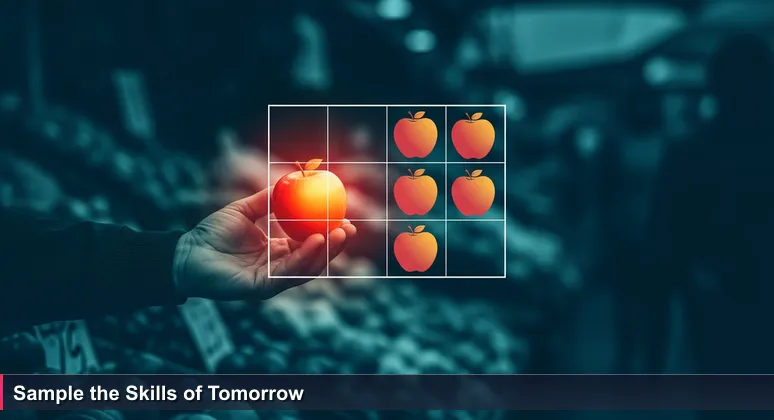
At Almaty's Green Bazaar, the most valuable finds are offered quietly, not shouted. This mirrors Kazakhstan's tech landscape, where a wealth of high-quality, free digital training sits within public institutions, requiring no application - just the willingness to step inside. As the national Digital Qazaqstan 2026 initiative accelerates, libraries and community centers have transformed into vibrant knowledge hubs.
For aspiring AI specialists or developers, these spaces offer a zero-risk starting point to sample the skills that power local giants like Kaspi.kz and the growing Astana Hub’s ecosystem. The foundational movement is powerful; the national library systems reported that over 140,000 teachers received digital literacy certificates in a recent academic year, with broader programs certifying over 200,000 educators in AI tools.
This public infrastructure is part of a coordinated government programme to build digital capacity from the ground up, creating a direct pipeline from community learning to the tech economy. The opportunity is not hidden, but integrated into the civic fabric.
"We see a strong demand for digital skills training. This is a great chance for development." - Rostislav Konyashkin, Vice Minister of Digital Development
Table of Contents
- Start Your Tech Journey in Kazakhstan
- TUMO Center for Creative Technologies
- National Academic Library and National Library
- Astana Hub AI Movement and Regional IT Hubs
- Tech Orda Program Partner Locations
- Community Learning Centers and Digital Elshi
- Tomorrow School Peer-to-Peer Labs
- IT-Áiel Project Workshops
- Public Service Center Digital Offices
- University Open Lectures and Library Portals
- Code Clubs and Library-Based Hackerspaces
- 30-Day Free Learning Plan
- Roadmap to Tech Employability
- Frequently Asked Questions
For the 2026 AI career guide in Kazakhstan, see this comprehensive resource.
TUMO Center for Creative Technologies
Representing a world-class model of accessible tech education, the TUMO Center for Creative Technologies in Astana offers an entirely free, application-free environment specifically for youth aged 12-18. Located at the Alem.ai International Center, it stands out for its cutting-edge curriculum across 11 fields, including generative AI, 3D modeling, game development, and robotics.
Learning is structured around flexible, continuous "learning paths" rather than rigid schedules, allowing teens to explore creative technologies at their own pace. This model directly cultivates the skill sets prized by Kazakhstan's growing animation, gaming, and AI startup scenes, serving as a premier entry point long before university or bootcamp considerations.
"Kazakhstan bets big on AI future with free learning for all ages, with centers like TUMO providing a premier, no-cost entry into tech." - Analysis of national AI education initiatives.
The center is a flagship example of the investment in creative public spaces that, as experts note, have evolved into cultural hubs offering "free access and opportunities". For a self-motivated learner, it’s the equivalent of finding a dedicated artisan’s stall in the knowledge bazaar, offering deep, hands-on sampling of the tools shaping the future.
National Academic Library and National Library
The cornerstone of public-access tech learning resides in the national library systems, transformed into curated digital marketplaces. In Astana, the National Academic Library provides a dedicated "Digital Literacy" section with free learning terminals and structured workshops on topics from basic PC use to navigating crucial e-government services (e-gov.kz). With a rating of 4.5 from 254 community reviews, it's a trusted hub for foundational skills.
Similarly, the National Library in Almaty, rated 4.7 by 449 users, hosts regular workshops on mobile apps and internet safety as part of the national Digital Qazaqstan 2026 initiative. Access typically requires a simple library card, with workshops following seasonal schedules. These institutions are executing a key pillar of the national government programme to elevate digital competency.
Their impact is quantifiable: these libraries reported that over 140,000 teachers received digital literacy certificates in a single academic year through related programs. They serve as the essential, calm alcoves in the bustling marketplace of skills, where anyone can sample knowledge without cost or pressure.
Astana Hub AI Movement and Regional IT Hubs
The Astana Hub network has been instrumental in decentralizing tech education, bringing the digital marketplace to every region. Their AI Movement offers three free online courses accessible via a mobile app, covering programming fundamentals and AI tools for self-learners of all ages. This on-demand model allows anyone with a smartphone to sample core tech skills from anywhere.
More importantly, the network of regional IT hubs (e.g., in Shymkent) provides physical spaces for free courses and hackathons. As Zhanar Dusova, a Regional Hub Manager, notes, these hubs work to "bridge the digital divide by bringing IT training to residents in all areas, including rural communities." Some even offer 24/7 access, making them unparalleled community resources for hands-on learning.
These hubs act as satellite stalls of the main tech bazaar, ensuring the offerings of AI and coding knowledge aren't confined to Astana or Almaty. They are critical nodes in a national system, directly supporting the talent pipeline for local startups and the growing number of IT park residents benefiting from favourable tax incentives.
Tech Orda Program Partner Locations
While the selective Tech Orda program involves a competitive application for its intensive six-month courses, its partnership with over 70 IT schools across Kazakhstan creates a valuable spillover effect of accessible knowledge. Many partner schools strategically host free introductory seminars, open days, and community coding events to identify potential talent for the main program.
Engaging with these locations offers a direct line of sight to a proven employment pathway, as the program boasts an impressive 88% job placement rate among graduates. This high rate reflects the program's alignment with industry needs at major local employers. For a savvy learner, these free events are less like random sampling and more like strategic reconnaissance at the busiest stalls in the skills bazaar.
Attending allows you to understand industry expectations and connect with educators from schools that have a vested interest in developing the local tech talent that feeds into Kazakhstan's growing digital economy. It's a low-risk method to gauge your fit and gather intelligence before committing to a more formal training journey.
Community Learning Centers and Digital Elshi
Spread across various regions, Community Learning Centers (CLCs) are a testament to targeted, community-focused education, often operating in libraries or public buildings. They provide essential basic to intermediate digital skills training, with surveys showing a remarkable 99% satisfaction rate among participants. These centers function as trusted, local vendors in the knowledge bazaar, offering personalized guidance.
Complementing this is the Digital Elshi program, which sends IT professionals into regional and rural communities to mentor residents and demonstrate local tech success stories. These initiatives are particularly valuable for adults seeking to reskill or understand how technology applies to local business and agricultural contexts, providing the crucial first step before specialization.
As part of a broader network of Smart City and regional hubs, they ensure the reach of digital literacy extends beyond major cities. Their documented success, including detailed case studies available through platforms like UNESCO APCEIU, underscores their role as foundational pillars in building an inclusive, digitally capable society from the ground up.
Tomorrow School Peer-to-Peer Labs
Kazakhstan’s first peer-to-peer AI school, Tomorrow School, offers a unique, project-based learning model where students collaborate without traditional teachers. While its full 24-month program is tuition-free but selective, the school frequently hosts open workshops, project demonstrations, and public lectures, making its innovative methodology accessible.
Their model yields tangible success; student teams have secured a $50,000 soft-commitment from Astana Hub Ventures and placed third at an international Solana Day hackathon. This demonstrates the global competitiveness of the solutions being built within Kazakhstan's own ecosystem. For a self-motivated learner, attending these open sessions provides invaluable exposure to collaborative, real-world problem-solving.
It represents a dynamic stall in the tech bazaar where the currency isn't just knowledge, but applied innovation. The school is building a global peer-to-peer learning community right here, offering a direct connection to peers and projects that are actively shaping the future of AI, from fintech to smart city applications relevant to local markets.
IT-Áiel Project Workshops
Focused on empowering women in tech, the IT-Áiel Project, implemented by TechnoWomen and Astana Hub, provides free digital skills training across the country. These workshops, often held in community centers and libraries, create a supportive environment for women to explore coding, data literacy, and digital entrepreneurship, effectively carving out a dedicated and welcoming section of the knowledge bazaar.
Initiatives like IT-Áiel are critical for building a diverse and inclusive tech sector. Data shows women represent approximately 30-35% of students in innovative schools like Tomorrow School, indicating growing engagement. The workshops serve as both a skill-building platform and a networking nexus, connecting participants with mentors and role models in the industry.
This targeted approach addresses a key area of growth within Kazakhstan's rising tech landscape, ensuring the nation's digital transformation benefits from a wider pool of talent. By lowering the initial barrier to entry, IT-Áiel enables more women to sample tech skills, potentially leading to careers in the thriving ecosystems around Astana Hub and major corporations.
Public Service Center Digital Offices
Perhaps the most practical and immediately useful resource, many Public Service Centers (PSCs) have been transformed into digital offices with self-service areas and training stations. These centers offer free, guided practice in using Kazakhstan’s e-government services (e-gov.kz), a fundamental digital literacy skill for every citizen and a core component of the Digital Qazaqstan 2026 initiative.
For a complete beginner, mastering this official platform at a PSC builds essential confidence in navigating digital interfaces and understanding data security. It's applied learning with immediate real-world utility, from paying utilities to accessing official documents, representing the most straightforward "stall" in the public skills marketplace.
This foundational competency is the first step toward broader tech participation. National surveys indicate that 65% of citizens now integrate some form of digital tool or AI into their daily lives, a trend that begins with basic, trusted interactions like those facilitated at PSCs. Mastering these services provides the confidence to later explore more complex tech skills in other community hubs.
University Open Lectures and Library Portals
Major universities add an academic dimension to the public knowledge bazaar, offering curated samples of higher-level tech education. Institutions like Nazarbayev University (NU) and Al-Farabi Kazakh National University increasingly open their doors through public lectures and digital portals. The NU Library frequently hosts open seminars and conferences on topics like research data management, providing a taste of the academic tech environment.
Meanwhile, the Al-Farabi Library portal offers a vast collection of free electronic academic resources and databases, often including materials typically behind paywalls. Accessing these typically requires a simple guest pass for physical entry or online registration for digital portals, a minimal step for substantial gain.
This access is like visiting the specialty importers in the marketplace, where you can sample advanced, globally-sourced knowledge. It allows aspiring technologists to explore scholarly materials on machine learning in finance (highly relevant to Kaspi.kz) or smart city development, bridging the gap between community learning and specialized academic discourse within Kazakhstan's ecosystem.
Code Clubs and Library-Based Hackerspaces
Grassroots movements like Code Clubs, often hosted in local libraries or schools, provide consistent, free programming instruction for youth and beginners. Using globally recognized materials from networks like the international Code Club, these clubs cover fundamentals in Scratch, Python, and web development in a collaborative, after-school setting. They are the spontaneous, community-organized stalls that pop up in the knowledge bazaar, driven by passion and shared learning.
Furthermore, modern libraries are evolving into creative hubs. As public space expert Ainur Lukpanova notes, they have transformed into cultural hubs that preserve their core functions while now offering "free access and opportunities" as part of government programs. These spaces are beginning to host makerspaces and hacker corners with tools for experimentation, becoming ideal testing grounds for applying online knowledge.
"Libraries have evolved into cultural hubs while preserving their core functions... offering free access and opportunities." - Ainur Lukpanova, Public Space Expert.
This evolution, documented in analyses of Kazakhstan's creative public spaces, turns traditional libraries into vibrant workshops. They complete the ecosystem, offering not just theory from books or terminals, but the physical space and tools to build, fail, and learn collaboratively, embodying the most hands-on stall in the entire marketplace.
30-Day Free Learning Plan
This practical 30-day plan uses only the free, drop-in resources listed throughout our exploration of Kazakhstan's knowledge bazaar. It's designed to build foundational skills, create a support network, and provide clarity on your interests - all at zero cost. Resources are typically available in Kazakh and Russian, with advanced university materials often in English.
Begin your first two weeks by securing your library card at a National Library branch to access the Digital Literacy section, then immediately enroll in the free Astana Hub AI Movement courses via their mobile app, aiming to complete the "Programming Fundamentals" module. Crucially, use a weekend to attend a free open workshop at a local IT hub or Code Club, with the goal of meeting one person and learning one new topic - activating the community aspect of learning.
In weeks three and four, choose a path: practice Python using library terminals or, if eligible, start a learning path at the TUMO Center. Then, leverage academic portals like the Al-Farabi electronic library to research topics directly relevant to local employers, such as "machine learning in finance" for Kaspi.kz. The final synthesis involves building a small project - a simple webpage or Python script - and presenting it to a peer, transforming sampled knowledge into a tangible first creation.
Roadmap to Tech Employability
Your 30-day journey through Kazakhstan's free knowledge bazaar provides a launchpad, not the entire voyage. With foundational skills and a clearer sense of direction, the next phase involves strategic bridging to formal employment pathways within the local tech ecosystem.
First, leverage your demonstrated self-discipline to apply for selective, intensive programs like the government-backed Tech Orda or a lab at Tomorrow School. Your small portfolio from the free plan strengthens such applications. Simultaneously, align deeper learning with Kazakhstan's market: dive into SQL and Python for data roles at Kazakhtelecom, or study Java and system architecture for fintech giants like Kaspi.kz.
For a decisive career switch, a focused bootcamp can provide the structured curriculum and career services needed to become "job-ready." Programs like those from Nucamp, with tuitions starting around KZT 977,040 for a 16-week backend program, offer an affordable, structured acceleration. Their reported 78% employment rate and community-based model complement the self-starting skills you've already built, preparing you for roles at IT park residents and the growing startup clusters in Almaty and Astana.
Frequently Asked Questions
Who can access these free tech training programs in Kazakhstan?
These programs cater to diverse groups, from youth aged 12-18 at TUMO Center to all ages through Astana Hub's AI Movement and community centers. For instance, over 140,000 teachers earned digital literacy certificates via library initiatives in 2025/2026, highlighting broad accessibility.
How do I find and register for these training sessions near me?
Start by getting a free library card with an ID for access to national libraries or use the Astana Hub app for online courses. Many regional IT hubs and Code Clubs offer drop-in workshops, so check local event calendars for schedules in places like Shymkent or Almaty.
What specific tech skills can I learn from these free programs?
You'll gain skills from basic digital literacy to advanced areas like generative AI, Python programming, and 3D modeling. For example, TUMO Center offers paths in robotics and game development, while AI Movement covers programming fundamentals relevant to local tech jobs.
Are these programs completely free, or are there any hidden costs?
All listed programs are entirely free with no tuition fees; some may require a simple ID for library access or online registration. Initiatives like Digital Elshi and community centers provide free mentorship, ensuring no hidden charges for participants.
How can these free training programs help me land a tech job in Kazakhstan?
They build essential skills and offer networking with local employers like Kaspi.kz, plus programs like Tech Orda boast an 88% job placement rate. Participating in hackathons at Astana Hub can also open doors to internships and roles in Kazakhstan's growing tech ecosystem.
This article ranks the best tech roles in Kazakhstan that don't need a university diploma, focusing on skills-based hiring.
Explore tax-free workspaces for Kazakh tech startups that offer advantages like proximity to Kaspi.kz and Kazakhtelecom.
This step-by-step tutorial on becoming an AI engineer in Kazakhstan leverages local resources like Astana Hub.
Learn about AI compensation trends in Kazakhstan for 2026 in this detailed article.
Explore top women in tech initiatives in Kazakhstan's tech hubs like Almaty and Astana.

Irene Holden
Operations Manager
Former Microsoft Education and Learning Futures Group team member, Irene now oversees instructors at Nucamp while writing about everything tech - from careers to coding bootcamps.