









Top 10 Free Tech Training at Libraries and Community Centers in Italy in 2026
By Irene Holden
Last Updated: April 16th 2026
Too Long; Didn't Read
Italy's top free tech training for 2026 centers on libraries and community centers, with MediaLibraryOnLine (MLOL) leading as it offers digital courses through over 105 libraries aiming to train 100,000 citizens by June. In-person Digital Help Desks complement this by targeting over 2 million people with practical support, making these public resources essential for tapping into Italy's tech boom driven by the PNRR and major employers.
For centuries, the Italian piazza was where you went to find everything: the market, the news, the community. Today, that vital, public spirit has a new address. As Italy's tech scene booms - fuelled by national strategies like the Italia Digitale 2026 plan and voracious demand from employers like Enel, Leonardo, and the Milan offices of Amazon and Google - the doors to this future are wide open in your local biblioteca comunale and community center.
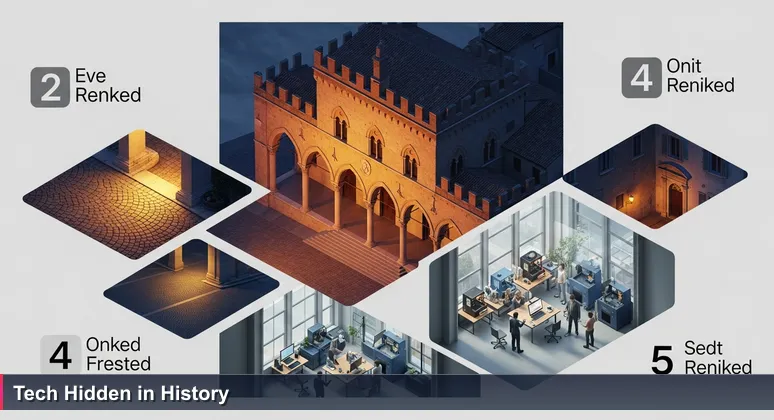
These public spaces, often housed in beautiful historic buildings, have been radically reimagined as free, foundational launchpads for digital skills. This is the core of a national movement to build talent from the ground up, directly tackling the skills gap for over 2 million citizens. The most powerful gateway isn't a glossy private academy; it's the accessible, community-focused hub around the corner, now supercharged by public investment.
The transformation is tangible. A major investment is actively converting 105 libraries into digital skill hubs, with the goal of training 100,000 citizens from disadvantaged communities by June 2026. These hubs, alongside maker spaces and chambers of commerce, create a direct pipeline from a free beginner workshop to the innovation ecosystems of Milan's PoliHub or the practical needs of Italy's industrial champions. It all starts with a simple library card, as detailed in the recent MLOL 2026 announcement, unlocking a future where the classic piazza and the digital frontier are one and the same.
Table of Contents
- Italy's Free Tech Training Renaissance
- MediaLibraryOnLine
- In-Person Digital Help Desks
- Public Fab Labs
- Business & Innovation Masterclasses
- Community Coding & AI Labs
- University MOOCs & Open Lectures
- Intensive Digital Inclusion Programs
- Regional Library Networks
- Public Employment Service Workshops
- Tech Taster Camps & University Outreach
- Your First 30 Days Learning Plan
- Frequently Asked Questions
To understand the key skills for AI engineers in Italy, this guide provides a thorough breakdown.
MediaLibraryOnLine
The single most accessible and comprehensive resource is the national MediaLibraryOnLine (MLOL) network. Starting April 2026, a new app and portal provide every Italian resident with free library card access to a vast digital learning library, acting as the cornerstone of public digital education outlined in the broader Italia Domani strategy.
This isn't just e-books; it's your gateway to curated platforms like Coursera and RaiPlay Learning. You can find courses in coding basics, AI literacy, data science, and digital citizenship, with content primarily in Italian to ensure broad accessibility. This initiative is part of converting over 105 libraries into digital skill hubs, aiming to train 100,000 citizens by mid-2026.
It's the first place to look, requiring nothing more than a trip to your neighborhood library. For more details on the streamlined 2026 updates and partnerships, see the official MLOL 2026 announcement. To start, visit your local biblioteca comunale, get your free card, and ask a librarian to help set up your MLOL account to explore beginner courses in Python or machine learning.
In-Person Digital Help Desks
While MLOL offers the theory, libraries across Italy now provide the practical human support to make it stick. Locations like the Biblioteca Salaborsa in Bologna or the Biblioteca Civica Centrale in Turin host dedicated Punti Digitali Facili (Easy Digital Desks), offering weekly "drop-in" hours staffed by digital facilitators for one-on-one help.
These desks are a direct initiative of the national strategy, designed as critical physical access points to bridge the digital divide. Experts from the Italia Domani initiative describe them as "Digital Facilitation Centres" essential for providing in-person training to over 2 million citizens targeted by the plan.
They represent the physical manifestation of public commitment to digital inclusion. For a broader view of how such literacy initiatives fit into the national context, you can explore related events and conferences listed on sites like International Conference Alerts. To start, check your local library's website for the schedule, and go with a specific question, whether it's about a coding exercise, professional software, or a simple software install.
Public Fab Labs
For those who learn by doing, Italy's public Fab Labs and maker spaces are indispensable, physical extensions of the digital skills nurtured in libraries. A prime example is the ICTP SciFabLab in Trieste, which hosts free, open events, while the MUSE FabLab in Trento provides similar access to machines for creative and technical projects, as highlighted in local innovation coverage.
These spaces provide physical access to high-tech tools like 3D printers, laser cutters, and electronics workstations for hands-on learning in IoT, prototyping, and digital manufacturing. Skill levels range from beginner to intermediate, perfectly aligning with Italy's growing hardware and IoT innovation sectors supported by national strategies.
Access is often as simple as attending an "Open Lab" day, though some workshops may require a simple online sign-up. While use of the machines during open hours is typically free, you may need to bring your own consumable materials like filament or wood. These labs are where theoretical knowledge becomes tangible skill. For more on the maker movement in regions like Trentino, resources like Trento International offer additional context.
Business & Innovation Masterclasses
If your goal is to apply tech skills in a business context, the Punti Impresa Digitale (PID), managed by Italy's Chambers of Commerce, are your professional gateway. These hubs regularly host free Masterclasses and innovation weeks on topics crucial for the modern economy, such as AI for small businesses, digital transformation, and cybersecurity, with updates often shared on their official social channels.
These sessions connect learners with the practical needs of the market, including those of major Italian employers and the broader EU digital single market. Registration is free through the PID National Portal, and the quality of instruction is high, as these programs are often funded by national recovery funds aimed at boosting competitiveness.
The masterclasses are designed for immediate professional application and offer several key advantages:
- Free Registration: Fully funded, with no cost for attendees.
- Expert Instruction: Led by industry practitioners and business leaders.
- Direct Market Alignment: Content tailored to the needs of Italian SMEs and corporations.
- Networking: Direct access to local business ecosystems and potential collaborators.
To start, register on the PID portal and filter events by your region to find a masterclass on "AI for Marketing" or "Digital Sustainability," gaining insights directly applicable to the Italian business landscape.
Community Coding & AI Labs
The community-driven, peer-learning model thrives in Italy through networks like CoderDojo and independent labs. These informal, free coding clubs for all ages emphasize "learning by doing" in a supportive environment, perfectly complementing the structured pathways offered by libraries and PID masterclasses.
A standout example in Milan is the Vibe Coding Lab, which offers sessions like "Dal Prompt al Prototipo" (From Prompt to Prototype), focusing on practical AI prototyping. These meetups are perfect for overcoming the initial intimidation of coding or AI tools, as you learn alongside others at a similar level.
They often take place in community centers, libraries, or co-working spaces and serve as a low-pressure entry point into the tech community, potentially connecting you with local mentors and collaborators in Italy's bustling startup scenes in Milan, Turin, and Rome. This grassroots approach is a vital layer in the national upskilling framework supported by the Digital Skills and Jobs Platform.
To start, search for "CoderDojo [Your City]" or look for tech meetups on community boards. Attend a session focused on a beginner-friendly language like Scratch or Python, and don't hesitate to ask questions - the environment is built for learners taking their first steps.
University MOOCs & Open Lectures
Italy's prestigious university system isn't closed off. Institutions like Sapienza Università di Roma and the Università di Bologna often allow the public to audit seminars and lectures, especially those related to public research projects, providing a direct line to cutting-edge academic thought.
More systematically, the International Telematic University UNINETTUNO offers a vast catalog of free MOOCs (Massive Open Online Courses) in Italian, English, and Arabic. These are structured courses from top professors, covering topics from computer engineering to data management, representing a significant part of the free online course ecosystem in Italy.
This is an excellent way to sample university-level material and academic rigor without any cost, helping you decide if pursuing a formal degree or a specialized bootcamp is the right next step. To begin, you can either browse the UNINETTUNO catalog for a subject like "Fundamentals of Programming," or contact the outreach office of a major technical university near you to inquire about public lecture schedules in fields like AI or data science.
Intensive Digital Inclusion Programs
For individuals facing greater barriers to entry, including young migrants and refugees, specialized nonprofit programs offer intensive, fully-supported pathways. These represent the most comprehensive free training available, directly tackling the digital skills gap with a project-based, career-focused approach funded by a mix of EU, national, and NGO resources.
A success story is Digital Horizons, a 6-month intensive course in cities like Trieste and Turin that transforms participants into Full Stack Developers. These programs are often completely free and include additional support like financial assistance, childcare, free laptops, and job placement help, with the explicit goal of total digital and social integration. As highlighted by organizers, initiatives like these are designed for "total integration," addressing both technical skills and essential access barriers.
While competitive to enter, they offer a direct route into the tech workforce. Information on such pioneering initiatives can often be found through the social channels of support organizations like Refugee.Info Italy, and are a key component of the wider national strategy for digital inclusion.
Regional Library Networks
Beyond the national MLOL portal, many Italian regions operate their own robust digital library platforms that include specialized learning resources. These regional systems reinforce the idea that your local library card is a key to both local and global knowledge repositories, adding another layer to the broader European effort to establish libraries as digital skill hubs.
For example, the MLOL - Biblioteche della Romagna network provides digital lending of not just books but also access to online courses and tutorials. These regional consortia sometimes offer content or partnerships tailored to local economic needs, such as agri-tech software in rural areas or advanced design tools in industrial manufacturing districts.
Checking your regional library consortium's website can uncover niche resources and course subscriptions not available on the national portal, providing a more targeted learning path. To start, simply do an online search for "Sistema Bibliotecario [Your Region]" or "MLOL [Your Region]" to discover what additional digital learning platforms your local network provides through your existing library login.
Public Employment Service Workshops
Italy's Centri per l'Impiego (Public Employment Services) are increasingly integrating digital skills training into their offerings as a pragmatic layer of the national upskilling strategy. These workshops are typically free for registered users and focus on building the foundational digital professionalism that Italian employers, from TIM to small local firms, now expect from all candidates.
You might find courses on using professional collaboration tools like Microsoft Teams or Slack, digital marketing basics for entrepreneurs, or navigating public online job portals effectively. While perhaps less advanced than specialized masterclasses, these workshops are invaluable for their employment-focused approach, directly addressing the practical competencies needed in today's workplace. This aligns with public initiatives documented in resources like the European Digital Skills library, which curate essential training for workforce integration.
They represent a very direct, no-cost pathway to enhancing your employability with immediately applicable skills. To start, register with your local Centro per l'Impiego and, during meetings with a case worker, explicitly ask about upcoming corsi di formazione digitale (digital training courses) to express your specific interest in tech-related skills development.
Tech Taster Camps & University Outreach
For students or career-changers seeking a short, immersive experience, university outreach programs offer a compelling glimpse into high-tech fields. These camps serve as powerful catalysts, transforming curiosity into concrete ambition by letting participants experience the atmosphere of a top tech university firsthand.
Politecnico di Milano, for instance, runs TechCamp programs - often free or very low-cost - that provide intensive labs in Robotics, AI, and Cybersecurity. Students consistently describe these immersions as a "rich academic and social experience," working on hands-on projects with expert guidance that can spark a decision to pursue more formal education or a career pivot.
While these camps may be seasonal or targeted at specific age groups, they represent a critical entry point, demystifying advanced fields and connecting public learners directly to Italy's renowned academic talent pipelines. To start, monitor the outreach or orientamento pages of major technical universities like Politecnico di Torino or the University of Bologna for summer schools, weekend workshops, or open-day labs advertised to the public.
Your First 30 Days Learning Plan
This 30-day plan synthesizes Italy's free public resources into a coherent journey from curiosity to capability. By following this roadmap, you'll systematically engage with library portals, receive in-person support, experiment in community labs, and connect learning to real-world applications - all without spending a euro.
Weeks 1-2: Foundation & Exploration. Begin at your biblioteca comunale: get your free card and activate your MLOL account, unlocking the national learning portal as outlined in the MLOL 2026 update. In your first week, complete a short "Digital Citizenship" course to refresh core concepts. In week two, enroll in a beginner-friendly course like "Python for Everybody" on Coursera via MLOL, committing to 1-2 hours of study every other day. Crucially, locate the "Punto Digitale Facile" hours at your library and visit with one specific question from your course to bridge theory and practice.
Weeks 3-4: Community & Hands-On Practice. Shift to interactive learning. In week three, attend a free local event - a CoderDojo session or a beginner workshop at a Fab Lab. The goal is tactile experience and community connection. In week four, explore professional context by registering for a free online Masterclass from a Punto Impresa Digitale on a topic like "Data for Small Business." Finally, synthesize your learning: use insights from the masterclass to conceptualize a simple data analysis project related to your interests, and attempt to implement a small part using your new Python skills.
By the end of this month, you will have built a foundational experience that provides clarity and confidence. This practical exploration, rooted in Italy's transformed public squares of knowledge, empowers you to decide your next step - whether that's a coding bootcamp, a university specialization, or diving deeper into your local maker community to build a portfolio project.
Frequently Asked Questions
Are these free tech training programs really available across Italy, or just in major cities like Milan?
Yes, they're available nationwide through public libraries and community centers, with initiatives like MediaLibraryOnLine (MLOL) rolling out to over 105 libraries targeting 100,000 citizens by 2026. This includes both urban hubs and rural areas, supported by national strategies like the PNRR to ensure broad digital inclusion.
Do I need any prior tech experience or special equipment to participate in these free courses?
No prior experience is required; a free library card from your local biblioteca comunale gives access to beginner courses on platforms like MLOL. For hands-on labs, some may suggest bringing materials like filament for 3D printers, but introductory sessions are designed to ease you in without upfront costs.
Which free resource is best for someone interested in AI or machine learning, especially in Italy's tech hubs like Milan?
For AI and machine learning, community labs like Vibe Coding Lab in Milan offer free prototyping sessions, such as 'Dal Prompt al Prototipo'. Additionally, Punti Impresa Digitale host masterclasses on AI applications, aligning with demand from employers like Amazon and Google in Italy's growing tech ecosystems.
Can these free training programs actually help me land a tech job in Italy, given the competitive market in cities like Rome and Turin?
Yes, programs like Digital Horizons in Turin provide intensive courses with job placement support, and Punti Impresa Digitale focus on skills needed by major Italian employers like Enel and TIM. Many resources are tailored to bridge the gap between public training and industry demands in Italy's vibrant tech scene.
Are there any free options for people with no tech background or from disadvantaged communities in Italy?
Yes, programs like Digital Horizons offer fully-supported pathways with additional aids such as free laptops and childcare, targeting groups like migrants. Public help desks at libraries also provide one-on-one assistance, ensuring accessibility as part of Italy's broader digital inclusion goals under initiatives like Italia Digitale 2026.
Find out about ranked coworking spaces for AI professionals in Italy.
This article details cybersecurity hiring in defense and tech sectors in Italy for 2026.
Find out which Italian AI startups are set to define the tech cycle in 2026 in this expert review.
For insights into balancing expenses, explore this comprehensive guide on cost of living vs tech salaries in Italy in 2026.
Get insights on AI engineer roles in Italy for 2026 with practical steps.

Irene Holden
Operations Manager
Former Microsoft Education and Learning Futures Group team member, Irene now oversees instructors at Nucamp while writing about everything tech - from careers to coding bootcamps.