









Top 10 Free Tech Training at Libraries and Community Centers in Argentina in 2026
By Irene Holden
Last Updated: April 7th 2026
Too Long; Didn't Read
Red de Bibliotecas Públicas de la Ciudad de Buenos Aires and the CONABIP network of bibliotecas populares are the top free tech training options in Argentina in 2026 because they offer truly free, beginner-friendly workshops, public PCs, and direct links to more advanced programs. Bibliotecas BA runs regular AI-focused sessions like “Aprender a hablar con IA” while CONABIP connects over 1,000 community libraries nationwide, and every space on this list costs ARS 0 so you can safely test coding, data, or AI before committing to paid training. If you’re in the Buenos Aires metro area, these hubs also serve as a nearshore launchpad thanks to close ties with employers like Mercado Libre and Globant.
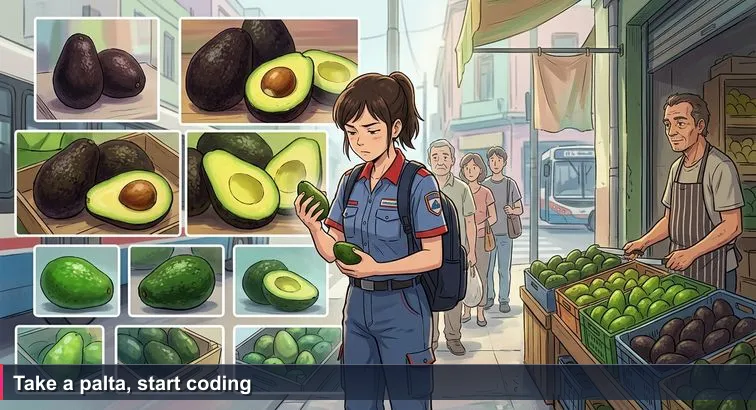
You learn a lot about risk just by buying paltas in Buenos Aires. In a small verdulería, you stand there in your colectivo uniform, backpack still on, quietly squeezing one green promise after another while the line grows behind you. You have just enough pesos for a couple of good ones. One wrong squeeze and you’ll be stuck with something that never ripens, replaying the decision all week.
We treat our tech careers the same way. We scroll endless “Top 10 bootcamps” and AI courses, hoping to guess which one will ripen into a real job in data, machine learning, or development. In cities like Buenos Aires and Córdoba, mid-level AI and data roles at companies such as Mercado Libre or Globant routinely pay ARS 900,000-1,800,000 per month (roughly USD 1,000-2,000+), yet many people considering that path don’t even have a computer at home.
Digital inclusion experts in Buenos Aires point out that the “vast majority” of public lab users come because they lack devices or stable internet, and pieces like an analysis of public libraries as hubs of creativity and experimentation show how neighborhood libraries have turned into de facto tech labs. At the same time, the national push with Argentina Programa 4.0 aims to train 70,000 new programmers, which former Knowledge Economy head Ariel Sujarchuk called “the necessary bedrock” for Argentina’s tech leadership.
In that messy reality, lists like this one can be misleading if we pretend there’s a single “perfect” choice. The real value is that these ten spaces are ten different crates of paltas you can actually touch: free public libraries, Puntos Digitales, community tech centers. Every one of them costs ARS 0 to enter, asks little or no paperwork, and lets you test-drive coding or AI long before you consider paying for something more intensive like Nucamp’s Back End, SQL and DevOps with Python bootcamp at around ARS 1,911,600.
So instead of asking “Which is number one?”, the better question is: which space fits your barrio, your shift schedule, your starting point? The only way to know is to pick one, walk in this week, and start. That first free PC session might be the quiet moment where your life begins to turn - from squeezing paltas after work to writing Python that plugs you into Argentina’s growing nearshore AI economy.
Table of Contents
- From Paltas to Python
- How to Use This Top 10 List
- Bibliotecas BA
- Bibliotecas Populares CONABIP
- Puntos Digitales
- Espacio Movistar
- Biblioteca Nacional Mariano Moreno
- University Extension and Open Lectures
- UNESCO Generative AI Workshops
- Potrero Digital
- Puerta 18 and Youth Tech Centers
- Municipal Community Centers with Digital Programs
- Next Steps: Turning Free Hours into a Tech Career
- Frequently Asked Questions
Learn how to start an AI career in Argentina in 2026 with a practical 24-month roadmap and local insights
How to Use This Top 10 List
Instead of trying to binge this list in one sitting, treat it like those crates of paltas at the verdulería: you’re not looking for “the best in Argentina,” you’re looking for one that fits your budget, your barrio, and your timing. These ten spaces are intentionally diverse - big national institutions, tiny bibliotecas populares, youth labs - because people enter tech from very different starting points.
To keep things honest, the ranking is based on four practical filters rather than prestige:
- Accessibility: truly free entry, minimal paperwork, no competitive exam.
- Relevance to tech/AI: from basic digital literacy up to intro AI and coding.
- Scale and consistency: programs that are actually running this year, not one-off pilots.
- Onward connections: links to further study, scholarships, or real jobs.
The best way to use this list is to choose just two roles for these spaces in your life:
- One “home base” within easy colectivo distance - usually your nearest public library, Punto Digital, or municipal community center - where you can reliably find PCs, Wi-Fi, and recurring workshops.
- One “inspiration spot” - maybe a big space in Buenos Aires like a university extension aula or a cultural tech center - where you go less often, but come back charged with ideas about AI, data, and the broader tech world.
From there, the 30-day plan at the end of the article will help you turn those two places into a routine: first week just getting comfortable with a keyboard and the staff, then experimenting with a bit of Python or generative AI, then building a tiny project. Reports on new digital literacy efforts - like Argentina’s classes in community centers highlighted by regional startup outlet LatamList - show that consistency, not intensity, is what changes people’s trajectories.
If you’re in the Buenos Aires metro area, you have more “crates” clustered together; if you’re in Córdoba, Rosario, Mendoza or the interior, networks of libraries and community centers still plug you into the same nearshore AI job market. Your task isn’t to find the perfect place. It’s to pick one, show up, and let it ripen.
Bibliotecas BA
In CABA, the lowest-risk “first squeeze” if you’re curious about tech is usually your nearest public library. The Red de Bibliotecas Públicas de la Ciudad de Buenos Aires has quietly turned into a city-wide network of free computer labs, Wi-Fi zones, and beginner-friendly workshops that cost ARS 0 and expect no prior experience.
What you’ll find inside
The 2026 workshop schedule shared on the official Bibliotecas BA Instagram account shows how broad the offer has become. Beyond classic reading clubs, you’ll see titles like “Aprender a hablar con IA” (how to use chatbots and generative AI), internet basics and online safety, office tools, and “computación para principiantes.” Most sessions assume you’ve never opened Excel or typed a prompt into an AI tool.
How access works day to day
You can walk in during standard opening hours (often Monday to Friday, roughly 8:00-19:00) to read, plug in your own notebook, or use public PCs. Workshops usually require a quick sign-up at the desk or via social media, but there’s no competitive selection. Entry and courses are free, and while staff may ask for your DNI to register you for a taller or lend books, you don’t need documentation just to sit down and learn.
Why it matters for future AI/ML devs
For anyone aiming at an AI, data, or software role, these spaces are effectively your first co-working office. You get stable Wi-Fi and computers where you can follow Python or SQL tutorials, run through a free online machine-learning course, or practice with generative AI tools introduced in library workshops. If you work shifts in retail or drive a colectivo, a branch near your barrio can become the quiet, predictable place where you slowly trade overtime hours for new skills that connect you to Argentina’s growing AI and nearshore tech market.
Bibliotecas Populares CONABIP
Once you leave the Buenos Aires metro area, the tech world can feel very far away. That’s where bibliotecas populares step in. Coordinated by the Comisión Nacional de Bibliotecas Populares (CONABIP), this network now links over 1,000 community-run libraries across the country, from conurbano bonaerense to small towns in the norte and Patagonia.
What actually happens in a biblioteca popular
These are not quiet, dusty rooms. Through initiatives like the 2026 training plan described on the official CONABIP formación program, librarians receive support to run local workshops on:
- Digital literacy: email, web browsing, trámites on government sites
- Mobile photography and social media for neighborhood projects
- Using online catalogs and research tools for study or work
Many libraries use materials from the national Campus Conabip to organize their own courses for teens, job seekers, and older adults who are online for the first time.
How access works in practice
You usually just walk in. Reading spaces are free, and in many cases you’ll find a few shared PCs or Wi-Fi you can use with your own phone or notebook. Some libraries charge a small membership fee for borrowing books, but they often waive it for workshops or low-income neighbors. Hours tend to follow a split shift - for example, 8:00-13:00 and 14:00-16:00 - depending on volunteer availability.
Why it matters for someone eyeing AI or data
If you live in Salta, Misiones, or the interior of Buenos Aires province and dream of working remotely for a team in Palermo or Córdoba, this is often your first concrete step. Here you can build the basic digital fluency you’ll need before touching Python: typing, file management, searching for information, even following an online coding tutorial via CONABIP’s own course platform. It’s not glamorous, but it’s a realistic, free bridge from your barrio into the same nearshore AI job market that big-city developers enjoy.
Puntos Digitales
For many barrios, the most visible symbol of Argentina’s digital inclusion push isn’t a university or a corporate office; it’s a modest room signed as Punto Digital. These Centros de Acceso Público a Internet are municipal spaces equipped with PCs, connectivity, and staff whose job is to help neighbors take their first real steps online - especially those who don’t have a computer at home.
What you can learn
Programming isn’t the starting point here; basic digital life is. Typical talleres cover:
- First contact with the internet and email
- Using government platforms like Mi Argentina and ANSES services
- Office tools: documents, spreadsheets, presentations
- Introductory coding or robotics activities for kids and teens
Some centers also host local editions of tech events like “Tecweek” (Semana de las Tecnologías), with playful intro-to-science activities similar to those listed on the science and tech events calendar for Buenos Aires.
How access actually works
You generally walk in, ask to use a machine, and you’re in. Computer use and Wi-Fi are free. For structured workshops, you sign up on-site or via the municipality’s channels. No prior studies are required; a DNI is usually only requested if the course offers a certificate. Schedules vary by locality, but many centers open in the afternoon and early evening to accommodate school and work hours.
Why they’re crucial if you’re eyeing AI or data
Most AI, data, or development jobs assume you’re already fluent with files, typing, web tools, and basic productivity software. Puntos Digitales are where that fluency is built for thousands of Argentines. You can practice fast typing, learn to manage folders, and then use the same free PCs to follow a beginner Python tutorial or experiment with online AI tools. It’s the first rung on the ladder from your local municipality to the broader nearshore tech market connecting Buenos Aires, Córdoba, and clients across the Americas.
Espacio Movistar
Walk a few blocks from the rush of downtown Buenos Aires and you’ll find one of the city’s most energizing “future museums”: the cultural and technology space run by Fundación Telefónica, often branded as Espacio Movistar. Unlike a traditional library, this is a place where AI, connectivity, and art are meant to be touched, questioned, and debated.
What happens inside
Exhibitions rotate around themes like artificial intelligence, digital inclusion, and the impact of networks on everyday life. Recent programs have included workshops such as “Entrenándonos en IA,” where facilitators break down machine learning and generative models for non-experts using live demos and simple examples. Video coverage of the “Diversity, Gender and Inclusion” exhibition shows how installations mix interactive tech with real stories of discrimination and access, turning abstract debates into something you can physically walk through, as seen in this program video of a recent opening.
How access works
Entry to exhibitions is typically free, and most talks or workshops are also free with prior online registration. You can usually just walk in during afternoon hours to explore; for events, you reserve a spot via a simple web form or ticketing link. No degree, test, or long paperwork - just curiosity and a bit of planning.
Why it matters for an AI/ML path
If libraries and Puntos Digitales give you hands-on practice, Espacio Movistar gives you context. Hearing artists, engineers, and sociologists discuss AI helps you understand how the models you’ll one day build or deploy will affect workers, neighborhoods, and rights in Argentina. It’s especially powerful if you’re aiming for roles at companies like Mercado Libre, Globant, or nearshore consultancies, where technical skill and social awareness increasingly go together. Make this your occasional “inspiration spot”: an afternoon here every few months can recharge your motivation and keep your learning aligned with where technology is actually heading.
Biblioteca Nacional Mariano Moreno
Perched above Recoleta, the Biblioteca Nacional Mariano Moreno is more than an architectural icon. For anyone in Buenos Aires serious about AI, data, or software, it’s one of the city’s best free places to build deep focus, research skills, and a consistent study habit powered by high-speed internet.
What you actually get
The upper floors are filled with communal reading rooms where you can plug in your notebook or use the public PCs, surrounded by shelves of history, science, philosophy, and technical texts. According to visitor reviews, the library holds a rating of around 4.4/5 from more than 2,700 reviews, reflecting its value as both a cultural landmark and a practical study space. Beyond books, the institution maintains extensive digital collections and regularly hosts talks on archives, publishing, media, and digital culture, as outlined on the official Biblioteca Nacional website.
Access and routine
Entry is free. You typically show your DNI or passport at the front desk, then choose a reading room and settle in. Opening hours are generous on weekdays and often include Saturdays, making it realistic for people who work full time or study elsewhere. Once inside, you have stable Wi-Fi, quiet, and large tables - exactly what you need for long sessions with Python, statistics, or machine-learning MOOCs.
Why it matters for AI and data careers
Advanced AI and data work isn’t just about coding; it’s about learning to ask precise questions, search effectively, and evaluate sources. Here you can practice reading academic papers, exploring digitized archives (similar in structure to the datasets you’ll use later), and building the concentration required for complex projects. In a city where many homes are noisy or crowded, making Biblioteca Nacional your “serious work” base can be the difference between dabbling in tutorials and actually finishing them.
University Extension and Open Lectures
Long before you enroll in a formal degree or a paid bootcamp, Argentina’s public universities quietly offer a middle step: cursos de extensión and open lectures that anyone can access with little more than a DNI and the courage to walk into a faculty building. At places like UBA or UTN, these programs are designed for workers, neighbors, and career changers, not just 18-year-old first-years.
What universities actually offer
Extension departments at engineering and technology faculties typically rotate short courses such as:
- Introductory web development (HTML, CSS, basic JavaScript)
- PC assembly, hardware repair, and small-office networking
- Office and productivity suites for work
- Occasional Python, data analysis, or scientific computing workshops
Overviews of free and low-cost IT education in Argentina consistently highlight these extension programs as one of the most accessible formal pathways into tech, alongside community initiatives and coding bootcamps, as noted in coverage of how training options are expanding for new developers.
Access, paperwork, and price
Most cursos de extensión use a simple online form or in-person registration at the Secretaría de Extensión. You usually need a DNI, but not necessarily a completed secondary diploma for non-credit workshops. Many are free; others charge a symbolic fee that remains far below private market rates. Classes often run in the evening or on Saturdays, fitting around existing jobs or family responsibilities.
Why this matters for AI and data careers
If you start in a library or Punto Digital, a university extension course can be your first taste of structured, university-level tech education. It helps you get comfortable in academic spaces, exposes you to professors and future classmates, and gives you a stronger base for later steps: an informatics degree, Argentina Programa, or an online bootcamp like Nucamp. For someone in Buenos Aires, Córdoba, or Rosario eyeing AI or data roles, this is a low-risk way to test whether you enjoy formal study enough to go deeper.
UNESCO Generative AI Workshops
Not all AI education starts with a laptop and a Coursera link. Across barrios in Argentina, generative AI is being introduced through short, intensive workshops backed by UNESCO and delivered in community centers, telecentros, and youth spaces. These programs target young people who are usually far from the AI hype cycle, but very close to the realities of precarious work and study.
What these trainings actually cover
According to UNESCO’s report on how generative AI training empowers underserved youth in Latin America, local partners in Argentina run free courses that explain, in plain Spanish:
- What artificial intelligence and generative models are and are not
- How to use tools like chatbots or image generators to support study, creative work, or emprendimientos
- Key ethical issues: bias, privacy, and responsible use in your community
The aim isn’t to turn participants into ML engineers in a week, but to reframe AI from something distant and futuristic into a practical tool they can use today.
How access and selection work
These workshops are typically free, financed by UNESCO and corporate or NGO partners. Registration happens through community organizations in target neighborhoods; groups are small and spots limited, but selection focuses on motivation and local ties, not on previous grades or coding tests. Participants usually need a DNI and proof of residence, and sessions are held in existing community spaces so nobody has to cross the whole city.
Why this matters for an AI/ML path
For someone who’s never heard of a prompt or a dataset, a positive first encounter with generative AI can be transformative. As one Argentine participant put it in the UNESCO report:
“Since I took this course, it helped me see AI not as something futuristic or distant, but as a tool I can use today to improve my work and studies.” - Camila Soliz, participant in UNESCO’s generative AI training
If you later decide to pursue Python, data science, or a specialized AI bootcamp, you’ll be building on confidence and curiosity that started in your own barrio, not in a distant campus or corporate tower.
Potrero Digital
Among Argentina’s free paths into tech, Potrero Digital sits halfway between a neighborhood library workshop and a high-intensity private bootcamp. It’s a network of community tech training centers aimed squarely at people who would never pay hundreds of thousands of pesos upfront for a course, but who could absolutely thrive in junior digital roles.
What you’ll learn inside Potrero
Programs usually run for several months with multiple classes per week, covering practical “digital trades” such as:
- Web development fundamentals and simple front-end projects
- Digital marketing, e-commerce tools, and basic analytics
- Introductory programming and data handling
- Soft skills for remote and freelance work
According to coverage on how Argentine coding bootcamps target low-income students, director Juan José Bertamoni stresses that there are “many very well-paid digital trades that do not necessarily need high seniority and are currently vacant,” calling this a “huge opportunity for people in a disadvantaged situation.”
Access, cost, and selection
Potrero Digital and similar initiatives are typically free for participants, funded by companies and NGOs. You apply online, share basic socio-economic information, and prioritize spots for low-income or vulnerable groups. Most cohorts meet in person in local community spaces, with some hybrid or online options, and require only a DNI and willingness to commit to the schedule.
Why it matters for an AI/ML future
If bibliotecas and Puntos Digitales give you basic digital fluency, Potrero is where you learn to ship real projects with deadlines and feedback. The web dev and data foundations you build here make it much easier to later tackle Python-heavy paths, cloud tools, or AI-focused bootcamps like Nucamp’s Back End, SQL and DevOps with Python. It’s a realistic bridge from precarious work into junior roles that feed Argentina’s growing nearshore tech and AI ecosystem.
Puerta 18 and Youth Tech Centers
For teenagers and jóvenes in Buenos Aires, places like Puerta 18 answer a different question than “Which bootcamp should I choose?” The real question at 15 or 19 is often: “Is tech even for someone like me?” Puerta 18 and similar youth tech centers exist to turn that question into a concrete yes, long before university or paid programs enter the picture.
What youth tech centers actually offer
These spaces mix technology with play and collaboration. A typical afternoon might include:
- Creative coding for games, interactive stories, or simple apps
- Graphic design, photography, and video editing projects
- Introductory web tools and basic programming concepts
- Team-based challenges where small groups ship a mini-project
Everything is free, computers are provided, and mentors guide rather than lecture. Many participants arrive with zero experience beyond social media; they leave with a small but real portfolio.
How access and progression work
Enrollment is usually straightforward: a DNI, a basic registration form, and in the case of menores, a contact for a parent or guardian. Schedules are designed around school, with activities in the afternoon and early evening. From there, staff often help motivated students find the next step: a municipal course, a community bootcamp, or even a spot in a program like the coding iniciativas profiled by Context’s reporting on Argentina’s new tech talent pipelines.
Why this matters for Argentina’s AI pipeline
UNESCO’s documentation of Puerta 18 highlights stories like Noelia Quispe, who went from free classes there to working as a developer for a pharmacy chain, and Oswaldo García, who moved from a kiosk job into coding and design, describing the experience as finding his vocation. For the AI and data ecosystem in Buenos Aires, Córdoba, and beyond, these centers are where future developers first discover that they belong in the tech conversation at all. That sense of belonging is often the spark that makes later steps - Python, data science, or AI engineering - feel realistic instead of impossible.
Municipal Community Centers with Digital Programs
In many barrios, the first place people touch a keyboard isn’t a university lab or coworking space; it’s the salón multiuso of a municipal community center. Building on national and provincial initiatives, Argentina has launched digital literacy classes in at least 15 community centers, turning spaces once used only for fútbol infantil or tango nights into entry points for the digital economy.
What these short courses cover
The curriculum is intentionally simple and practical. Over 4-8 weeks, usually with 1-2 sessions per week, participants practice:
- Basic computer use: mouse, keyboard, files, folders
- Creating and managing email accounts
- Using WhatsApp, social media, and video calls safely
- Accessing online government services and job portals
Many municipalities add introductory office tools or a first look at online learning platforms, inspired by broader training lines like those described in national programs on the Ministry of Culture’s formation portal.
How access and registration work
These courses are typically free for local residents. Enrollment happens through the municipality’s website, WhatsApp lines, or in-person at the community center desk. Places are often prioritized for older adults, migrants, and workers re-skilling after job loss. A DNI and simple proof of residence are usually enough; no one asks for your secondary diploma or previous computer experience.
Why they matter for future AI and data talent
If your current level is “I’m afraid of breaking something by clicking,” this is the right first stop. You gain the basic speed and confidence with devices that you’ll later need for Python, SQL, or AI tools. From here, it’s much easier to “graduate” to a biblioteca popular or Punto Digital, and eventually into programs that feed Argentina’s growing nearshore tech and AI pipelines in Buenos Aires, Córdoba, Rosario, and beyond.
Next Steps: Turning Free Hours into a Tech Career
Free hours at libraries, Puntos Digitales, or youth centers are your test kitchen. They prove you can show up, focus, and ship a tiny project. But to actually move into paid work in AI, data, or development, you’ll eventually need more structured training and a portfolio that employers recognize. Around the world, even small businesses are investing in AI upskilling, as shown in an overview of new AI training programs for entrepreneurs; Argentina’s nearshore market is competing in that same race.
Mapping your next steps
The table below translates this article into a simple path. You don’t have to follow every stage, but seeing them side by side can help you decide what fits your current reality.
| Stage | Where you study | Approx. cost (ARS) | Main outcome |
|---|---|---|---|
| Free foundations | Public libraries, Puntos Digitales, municipal centers | 0 | Basic digital skills, first contact with coding/AI, tiny project |
| Community & university training | Bibliotecas populares, Potrero Digital, Puerta 18, university extension | 0-low, often subsidized | Hands-on projects, study routine, confidence in tech spaces |
| National talent programs | Argentina Programa and similar government initiatives | 0 | Structured path toward junior developer or IT roles |
| Specialized bootcamps | Nucamp AI, full-stack, cybersecurity and related tracks | ≈ ARS 3,223,800-5,079,600 | Job-ready portfolio, interview prep, access to regional employers |
From table to action
Look at where you honestly sit today. If you’re still nervous about email and file folders, stay in the first row for a few months and squeeze every drop from free spaces. If you’re already following tutorials comfortably, aim for community or university programs that force you to collaborate and deliver.
Why a structured bootcamp can be the final push
Once you’ve validated your interest and built basics for free, a focused bootcamp can accelerate you into the job market. Nucamp, for example, offers AI and software tracks ranging from a 15-week AI Essentials for Work program at roughly ARS 3,223,800 to an 11-month Complete Software Engineering Path near ARS 5,079,600, with reported employment outcomes around 78% and a Trustpilot rating of about 4.5/5. Those cifras only make sense if you’ve already used the free stage to confirm that tech is your camino.
Back at the verdulería, the only way to know if a palta will be perfect is to take it home. Your next move is similar: decide which row of the table you’re in, choose one concrete program or space, and commit your next 3-6 months to it. The ripening happens while you show up.
Frequently Asked Questions
Which free space should I pick first if I’m an absolute beginner aiming for a tech or AI job?
Start with your nearest public library or Punto Digital - they cost ARS 0, run beginner-friendly workshops (internet basics, “Aprender a hablar con IA”) and offer free PCs and Wi-Fi. In Buenos Aires the Red de Bibliotecas Públicas and Espacio Movistar are especially useful because they combine low-stakes practice with proximity to employers like Mercado Libre and Globant.
Will these free workshops actually help me get a paid role, or are they just basic introductions?
They’re foundational rather than sufficient on their own: free spaces are designed to build digital fluency and confidence so you can progress to Argentina Programa 4.0 or a community bootcamp like Potrero Digital. Programs and networks cited in 2026 (e.g., Argentina Programa’s push to train 70,000 programmers and CONABIP’s 1,000+ bibliotecas) have clear pathways from free training to paid cohorts and employer connections.
Do I need ID or to register in advance to use these libraries and centers?
Basic access is usually walk-in and free, but many workshops or certificate-issuance processes request DNI for registration; the Biblioteca Nacional commonly asks for DNI at the entrance. If you want a course certificate or to borrow equipment, expect simple admin like a DNI and occasionally proof of residence.
How do I choose between a biblioteca popular, a Punto Digital, or a community bootcamp?
Use the selection criteria from the article: pick for accessibility if you need zero cost and walk-in hours (biblioteca popular/CONABIP), pick Punto Digital for steady PC/internet access and municipal services, and choose community bootcamps (e.g., Potrero Digital) when you’re ready for cohort structure and mentorship. In short: start local and low-commitment, then move to cohort programs when you want more hours and job placement support.
Can I prepare for university extension courses or Argentina Programa using only these free resources?
Yes - the article’s 30-day plan shows how 6-8 hours per week in free spaces can give you the basic digital skills and a tiny portfolio needed to apply for extension courses or Argentina Programa. Free labs, UNESCO-backed AI workshops, and library projects let you prove commitment before investing time or money in paid or formal programs.
Explore a curated list of top 10 women in tech groups in Argentina (AI & data) with local access tips.
Early-career professionals should consult this guide to AI meetups and communities in Argentina to learn how to convert meetup presence into job leads.
Learn practical strategies in this guide to affording Argentina on a tech salary in 2026.
Our analysis lists the best AI employers in Argentina 2026 ranked by impact, learning curve, and hiring intensity.

Irene Holden
Operations Manager
Former Microsoft Education and Learning Futures Group team member, Irene now oversees instructors at Nucamp while writing about everything tech - from careers to coding bootcamps.