









Top 10 Free Tech Training at Libraries and Community Centers Across Ethiopia in 2026
By Irene Holden
Last Updated: April 13th 2026
Too Long; Didn't Read
The 5 Million Ethiopian Coders Initiative and NADLE's zero-rated portal are the top free tech training options in Ethiopia for 2026, offering structured online courses and no-data-cost access to resources from top universities like MIT. EthioCoders has already trained over 95,000 youth with recognized certificates, while NADLE's free access via Ethio Telecom removes financial barriers, making them ideal starting points for building skills before paid bootcamps.
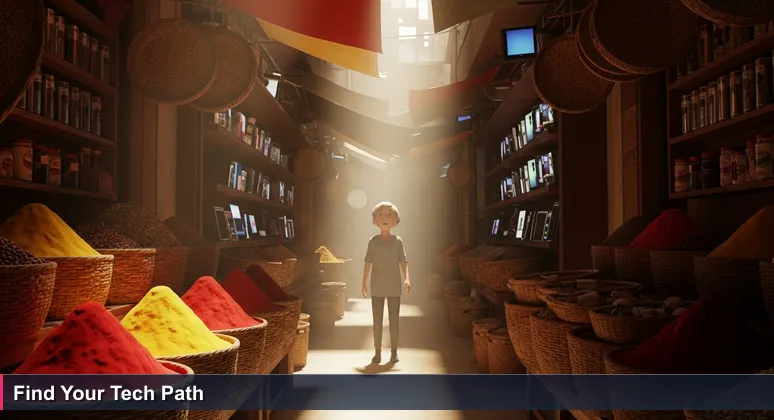
Every Ethiopian knows that moment in Mercato when the sheer scale of choice becomes paralyzing. In our nation's digital transformation, that same overwhelming sensation hits when searching for tech skills. The government's Digital Ethiopia vision has opened a dizzying number of learning pathways, but without a guide, you risk wasting your most valuable currencies: your time, your mobile data, and your motivation.
This list is not just a ranking; it's your survival map through the bounty. It answers the real question: with your location, schedule, and goals, which of these ten free, no-application-required doors should you walk through first? From national platforms like the Digital Ethiopia Learning Platform to hyper-local community centers, these resources are designed to build the foundational confidence you need before considering a structured investment like a coding bootcamp.
Consider the scale of the opportunity: initiatives like the 5 Million Ethiopian Coders project aim to train millions by 2026. But as experts from Library Aid Africa advocate, turning libraries into "digital tech hubs" is key to converting this opportunity into tangible skills. This guide helps you navigate from being a paralyzed visitor to a savvy local, knowing exactly which alley leads to the tools for your future.
Table of Contents
- Your Map to Free Tech Skills in Ethiopia
- EthioCoders
- NADLE Zero-Rated Portal
- Abrehot Library
- Digital Ethiopia Learning Platform
- Community Learning Centres
- Hawassa University INFOLIBNET
- HP LIFE Courses
- Geneme Public Library MakerSpace
- University Audit Policies
- Iceaddis Tech Hub Events
- First 30-Day Free Learning Plan
- Next Steps After Free Training
- Frequently Asked Questions
This article provides a comprehensive guide to launching an AI career in Ethiopia.
EthioCoders
As the flagship national program, the 5 Million Ethiopian Coders Initiative (EthioCoders) is your most direct free gateway into high-demand tech fields. This collaboration between the Governments of Ethiopia and the UAE offers professional nanodegree courses through a partnership with global platform Udacity, completely free of charge.
You can dive into structured, 6-7 week courses in Programming Fundamentals, Data Analysis, Artificial Intelligence, and Android Development. Each course includes daily mentorship via a dedicated community platform, moving you from zero to building a project for your portfolio. The initiative's scale is immense, with over 95,000 young Ethiopians already trained as of early 2026, creating a massive national peer network.
"An excellent starting point for beginners." - Mikiyas Sahilu, Software Engineering Student
Its position as the #1 resource stems from being free, online, and offering a recognized certificate upon completion. For anyone in Addis Ababa or across the regions, it's the foundational step that aligns with national upskilling goals sought by future employers. Your move is straightforward: visit the EthioCoders official website, enroll with your email, and start learning immediately from any quiet corner, library, or home.
NADLE Zero-Rated Portal
The National Academic Digital Library of Ethiopia (NADLE) portal is a game-changer because it removes the single biggest barrier to online learning: data cost. In partnership with Ethio Telecom and the Ministry of Education, access to its integrated learning platforms is zero-rated for students and teachers, meaning you can learn without consuming your mobile data bundle.
This isn't just a digital book repository. NADLE gives you free access to entire course catalogs from the world's top institutions. You can take MIT's "Introduction to Computer Science," Microsoft's "Azure Fundamentals," or hundreds of other courses on Python, cybersecurity, and data science through platforms like EdX and MIT OpenCourseWare.
To navigate this treasure trove, here are the key platforms available through the NADLE portal and what they offer:
| Platform | Type of Content | Skill Level |
|---|---|---|
| EdX | University courses & professional certificates | Beginner to Advanced |
| MIT OpenCourseWare | Full MIT course materials & lectures | Intermediate to Advanced |
| Microsoft Learn | Cloud & software development paths | Beginner to Intermediate |
For those without a reliable personal device, the computer labs at the National Library in Addis Ababa or partner institutions across the country provide physical access. Use this portal for deep, academic-style learning to build a robust theoretical foundation alongside more practical, project-based platforms.
Abrehot Library
More than just Ethiopia's premier public library, Abrehot Library has transformed into what experts call an "advanced digital knowledge hub." With a 4.5-star rating from over 416 reviewers, it provides the essential environment and tools for self-directed tech learning: high-speed free Wi-Fi, quiet study rooms, and public computer stations.
This makes it the ideal, zero-cost physical base to do the learning you find online. As highlighted by local reports, Abrehot has become Addis Ababa's central hub for reading and research culture, evolving into the free, high-productivity co-working space every aspiring tech professional needs.
Its strategic location in the heart of the city is a key advantage, placing you a stone's throw from potential employers like Ethiopian Airlines and innovation hubs like Iceaddis. You're learning within a community of ambitious students and professionals, where the network effect can lead to real opportunities. Libraries globally are being reimagined as "digital tech hubs," and Abrehot is leading this charge in Ethiopia.
Your move is simple: make it your weekly base. Walk in (no membership fee required), find a spot at Abrehot Library, connect to the Wi-Fi, and work through your online courses. Observe what others are building; the inspiration and connections are invaluable parts of the free resource.
Digital Ethiopia Learning Platform
The Digital Ethiopia Learning (DEL) Platform is the government's dedicated, official pathway for building foundational digital literacy as part of the national transformation. Tailored specifically for the Ethiopian context, it offers focused, beginner-friendly courses that align directly with national job market goals and priorities.
Through this free portal, you can access structured learning in three key areas essential for any modern career path:
- Core Digital Skills: Digital communication, online safety, and productivity tools.
- Emerging Technologies: Introductory modules on AI, data, and other transformative tech.
- Career Development: Guidance on applying digital skills in the local economy.
Completing courses here is a strategic move. It signals to major employers like Ethio Telecom or the Commercial Bank of Ethiopia that you are proactively engaging with the nation's upskilling initiatives. As noted in reports on digital inclusion, developing this literacy is crucial for the "competitiveness and inclusive growth" of Ethiopia's youth.
Your first step should be to visit the Digital Ethiopia Learning Platform. Use it to build your essential digital confidence - a critical foundation before diving into more complex coding or data science on other platforms. This is the sanctioned, zero-cost starting line for your journey.
Community Learning Centres
For the most hyper-local, accessible entry point to digital skills, look to the network of Community Learning Centres (CLCs). Established with UNESCO, these are over 2,800 centres often integrated within local primary school buildings in both urban and rural kebeles, from bustling Addis neighborhoods to towns in Oromia and Amhara.
While initially focused on basic literacy, many CLCs now offer introductory sessions in computer skills and digital literacy as part of Ethiopia's broader upskilling effort. This represents the grassroots reach of the national initiative, ensuring the benefits of the digital economy don't bypass rural and peri-urban communities.
As highlighted in a report on digital literacy, these centers are crucial for "inclusive growth," directly addressing the challenge of ensuring the digital wave reaches every Ethiopian. Managed at the local level, they provide a zero-pressure, community-based environment to take a first step. You can find a detailed overview of their structure and mission through UNESCO's resources on CLCs in Ethiopia.
Your move is straightforward: inquire at your local primary school or kebele administration office. If they have a CLC, ask about any scheduled basic computer sessions. It’s the closest, most community-embedded free resource you will find, requiring nothing more than the initiative to walk in.
Hawassa University INFOLIBNET
If you're in Hawassa or the wider Sidama region, the Hawassa University Information and Libraries Network (INFOLIBNET) is your structured, university-backed portal to the digital world. This project supports and expands digital access across six public libraries in the Sidama National Regional State, connecting communities directly to academic-grade resources.
Beyond traditional book lending, these partner libraries function as hubs for information literacy and 21st-century library services. This means you receive guidance on how to find, evaluate, and use digital information effectively - a critical meta-skill for any tech professional working with data or AI. The initiative is a standout model for regional digital inclusion, ensuring growth is not concentrated solely in Addis Ababa.
As detailed in resources on the network, INFOLIBNET focuses on "expanding access to knowledge" throughout the region and the country. Your access point is simple: visit the main Hawassa University Public Library or any of the supported regional libraries. Ask a librarian about accessing their computer labs for independent study or digital learning workshops, turning a local library into your personal gateway to university-level tech resources.
HP LIFE Courses
For tangible, employable skills that complement pure technical training, the global HP LIFE program is unmatched. This free initiative by the HP Foundation offers over 30 online courses in practical IT, business, and entrepreneurship, each taking just a few hours to complete and ending with a professional certificate you can add to your LinkedIn profile or resume.
The courses focus on the applied skills that make a developer or data analyst truly valuable in a local market. You can quickly gain certifications in high-demand areas like:
- Data Analysis and visualization
- Digital Marketing and social media strategy
- Financial Literacy for freelancers or startups
- Building an Online Business
These are precisely the competencies that local startups emerging from hubs like Iceaddis, or a major employer like Safaricom Ethiopia, seek when hiring. As participant Ndinda Catherine Leech has testified, it’s a program that "truly transforms lives" by providing immediately applicable knowledge.
Your move requires minimal time investment for maximum return. Dedicate a weekend to the HP LIFE website, complete two or three courses, and secure those certificates. They serve as concrete, verifiable proof of your initiative and complementary business acumen, boosting your profile whether you aim for corporate employment or your own venture.
Geneme Public Library MakerSpace
In the heart of Bahir Dar, Geneme Public Library represents an exciting evolution of what a free public resource can be. With a 4.3-star rating, it's not just a repository of books but a growing hub for hands-on, practical tech creation through its dedicated MakerSpace.
This is where you bridge the gap between digital theory and physical application. You can move beyond online tutorials to use the library's computer lab for coding practice and potentially engage with basic electronics, robotics kits, or hardware tools. It’s a space for applied, tactile learning that demystifies how software interacts with the physical world.
This trend of libraries transforming into creative tech hubs is gaining global momentum. As explored in resources on how public libraries are teaching AI and digital literacy, these spaces are critical for providing access to technology and fostering innovation. While not as widespread as maker spaces in Nairobi's iHub, Geneme represents the budding maker movement within Ethiopia's public institutions.
Your access requires a simple visit, but note a key local detail: the library is typically closed for lunch from 12:00 PM to 1:00 PM. Head to the Geneme Public Library near Fasilo School, ask the librarian about the tools available in their MakerSpace, and start experimenting. It's your free ticket to understanding the full spectrum of technology.
University Audit Policies
For those seeking the structured discipline and academic rigor of formal education without the full commitment of a degree program, Ethiopia's public universities offer a valuable, low-cost pathway. Many institutions, including Addis Ababa University, have policies that allow members of the public to audit courses in departments like Computer Science or Information Systems, often for a minimal administrative fee.
This typically involves paying a small fee per course, generally ranging from 500 to 1,000 ETB, to sit in on lectures, access course materials, and participate in academic discussions. This direct engagement connects you to the university's student ecosystem and provides access to professors who can offer guidance. It demonstrates a serious, proactive commitment to learning that is highly regarded by future employers or bootcamp admissions panels.
To take advantage of this opportunity, your first step is direct outreach. Contact the registrar's office or the specific IT/Computer Science department at your nearest public university. Politely inquire about their official course audit policy for the upcoming semester. Resources like the Hawassa University library portal can also provide context on how universities structure their academic resources.
Remember to also inquire about open guest lectures and seminars, which are frequently held on campuses and are usually free to attend. This approach gives you a taste of university-level tech education and embeds you in a community of learners, all for less than the cost of a single textbook.
Iceaddis Tech Hub Events
While platforms and libraries teach the "how," the free community events at hubs like Iceaddis teach the "why" and the "who." These spaces regularly host "Tech Tuesdays," beginner workshops, hackathon info sessions, and startup pitch events that are completely open to the public, requiring no application or fee to attend.
Here, you learn less about specific programming syntax and more about the living, breathing tech ecosystem. You'll hear local founders discuss real problems they're solving with AI or software, see which skills are in immediate demand, and meet other learners, developers, and potential mentors. This is where Ethiopia's growing AI startup scene becomes tangible, with companies like BeBlocky and etemari having emerged from local fellowship programs like those run by Reach for Change Ethiopia.
"Women are now digitally empowered to use tools like AI in their work." - Ruth, professional cited in Capital Newspaper
Attending these events transforms you from an isolated learner into a connected community member. As highlighted in analysis on AI's role in Ethiopia, this community engagement is where theoretical skills meet practical application and leadership development. Your move is simple but strategic: follow Iceaddis, X-Hub, and iCog Labs on social media, commit to attending one free event per month, and make it your goal to introduce yourself to at least one new person each time.
First 30-Day Free Learning Plan
This 30-day plan transforms the overwhelming array of free resources into a focused, actionable roadmap. The goal is clear: establish foundational digital literacy, complete one structured course, and create a simple, tangible project to showcase your new skills.
Phase 1: Foundation & Access (Week 1-2: 1 hour/day)
Your first two weeks are about building confidence and establishing your learning environment. Start with the official, beginner-friendly resources to avoid initial frustration.
- Days 1-2: Enroll on the Digital Ethiopia Learning (DEL) Platform and complete the "Essential Digital Skills" module.
- Days 3-4: Visit Abrehot Library or your nearest public library with a computer lab. Get comfortable in this free, high-productivity environment.
- Days 5-7: Enroll in the "Programming Fundamentals" course on the 5 Million Ethiopian Coders platform and complete the first module.
Phase 2: Core Skill Building (Week 3-4: 1.5 hours/day)
Now, deepen your commitment and stack complementary skills. Continue your core course while adding a quick, certificate-based achievement.
- Continue the EthioCoders course, aiming to complete 50% by the end of week 4.
- Dedicate one weekend day to complete the "Data Analytics" course on HP LIFE and download your certificate.
- Use the NADLE zero-rated portal to find a supplementary Python video lecture from MIT OpenCourseWare and watch one session.
Phase 3: Integration & Community (Week 5-6: 1.5 hours/day)
In the final phase, bring everything together by building something and connecting with the ecosystem. This is where learning becomes experience.
First, finish your EthioCoders "Programming Fundamentals" course. Then, take the key action: use the basic HTML, CSS, and JavaScript you learned to build a one-page digital resume about yourself. Host it for free on GitHub Pages. Finally, attend one open community event at Iceaddis or a similar hub, and add "Attended Tech Talk at Iceaddis" to your new webpage. You've now built a foundation, a project, and a connection.
Next Steps After Free Training
The free resources you've explored are powerful for building foundational skills and confidence, but candidly, they are rarely enough by themselves to make you fully job-ready for a competitive developer role at Ethiopian Airlines or a data engineering position at Ethio Telecom. They are your map through the first few alleys of the digital Mercato; the specialized workshops and professional networks come later.
To sequence your journey from learner to professional, follow this practical path. First, stack these free resources strategically for 2-3 months, as outlined in the 30-day plan. Next, present your learning by building a simple portfolio on GitHub to showcase your certificates and project code. Then, seek an affordable, structured follow-up.
This is where a focused bootcamp becomes critical. A program like Nucamp's Back End, SQL and DevOps with Python (16 weeks, ~116,820 ETB) can integrate and professionalize your scattered knowledge, providing team project experience and direct job placement support connecting you to Addis's employers. Compared to some competitors costing 550,000 ETB or more, these bootcamps offer a vital, accessible bridge to professional roles.
Finally, stay engaged with advanced, subsidized training schemes from the Ministry of Innovation and Technology that often follow these mass literacy initiatives. By strategically combining free foundations with a targeted paid program, you transform from a savvy browser of free resources into a qualified builder ready for Ethiopia's growing tech market.
Frequently Asked Questions
Which free tech training program is the best for someone with no experience in Ethiopia?
The 5 Million Ethiopian Coders Initiative (EthioCoders) is ranked #1 as it's completely free, online, and offers structured nanodegree courses in programming fundamentals, with over 95,000 participants already trained. It's ideal for beginners to start from scratch and build a portfolio project.
Are there any hidden costs like data fees for these free training resources?
Most programs are truly free, but for online access, the NADLE portal is zero-rated via Ethio Telecom, so students and teachers face no data costs. Places like Abrehot Library in Addis Ababa also provide free Wi-Fi and computer labs for offline practice.
Do these free options offer certificates that employers in Addis Ababa will recognize?
Yes, programs like EthioCoders and HP LIFE provide professional certificates that are valued by local employers such as Ethio Telecom and startups. HP LIFE courses in skills like data analytics take just hours and can be added to your LinkedIn profile.
What if I live outside Addis Ababa; are there free tech training options in other regions?
Absolutely, the Community Learning Centres network has over 2,800 centres nationwide, including in rural kebeles, for basic digital skills. In Hawassa, the INFOLIBNET project connects public libraries to university resources for regional access.
How much time do I need to commit to see real progress from these free trainings?
It varies: EthioCoders courses are 6-7 weeks long, while HP LIFE courses can be done in a few hours. The article suggests a 30-day plan starting with 1 hour daily to build foundational skills and complete a simple project like a digital resume.
This comprehensive guide to AI salaries in Ethiopia for 2026 covers all you need to know.
Read about the best tech jobs in Ethiopia for self-taught professionals in this comprehensive article.
This article covers entry-level tech jobs in Ethiopia for 2026, featuring major employers like Ethiopian Airlines.
Explore the leading industries employing AI talent in Ethiopia with insights on Addis Ababa opportunities.
Get insights on hiring trends for cybersecurity professionals in Ethiopia for the upcoming year.

Irene Holden
Operations Manager
Former Microsoft Education and Learning Futures Group team member, Irene now oversees instructors at Nucamp while writing about everything tech - from careers to coding bootcamps.