









Cost of Living vs Tech Salaries in Tampa, FL in 2026: Can You Actually Afford It?
By Irene Holden
Last Updated: March 29th 2026
Key Takeaways
Yes, tech professionals can afford Tampa in 2026, especially with salaries above $100,000, which is the comfort threshold boosted by Florida's no state income tax. The average tech salary of $98,430 puts many in a strong position, though rising housing costs require strategic budgeting for those earning in the $70,000 to $90,000 range.
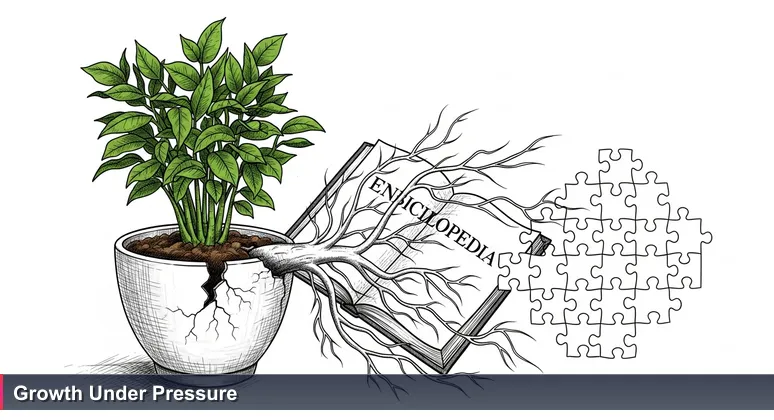
Every gardener knows the moment: your plant is flourishing, green and growing, yet you spot the first hairline crack in the pot. For tech professionals, this mirrors the experience of landing a promising offer in Tampa Bay. The region is thriving, with innovation and wage growth of 5.14% outpacing the national average, but this vitality is stressing the container of affordability to its limit.
The headline numbers are enticing - an average tech salary of $98,430 and the powerful boost of no state income tax. Yet, a recent study highlighted that a single adult now needs a salary between $94,000 and $100,000 to live comfortably here. This tension defines the 2026 landscape.
Economists are sounding clear alarms. As noted in the 2026 State of the Region report, USF professor Manish Agrawal labeled housing trends a "red flag," with 57% of renters cost-burdened. Economist Spiros Vassilakos warns that even higher salaries don't guarantee security, as new residents risk becoming "house poor."
This creates the central question for incoming tech talent: can the pot hold your growth? The answer isn't found in averages alone, but in understanding the specific pressures within the container and strategically engineering a lifestyle that fits.
In This Guide
- Understanding Tampa's 2026 Affordability Challenge
- Tampa's 2026 Cost of Living Breakdown
- Housing Costs by Neighborhood in Tampa
- Supporting Expenses in Tampa Bay
- Tech Salaries in Tampa Bay's Growing Ecosystem
- Realistic Budget Tiers for Tech Professionals
- Upskilling for Tampa's High-Paying Tech Jobs
- Strategies for Sustainable Living in Tampa
- Choosing the Right Pot for Your Growth in Tampa
- Frequently Asked Questions
Nucamp offers a guide to AI careers in Tampa in 2026 with practical advice and local insights.
Tampa's 2026 Cost of Living Breakdown
To evaluate affordability in Tampa, you must first understand what you're containing. The region's overall cost structure presents a mixed picture. While living costs sit just 3% above the national average, this figure masks significant category swings, as detailed by Payscale's cost of living index.
Housing is unequivocally the primary pressure point, with costs running 6% higher than the U.S. average. This single category drives much of the financial strain for new residents. In stark contrast, other essential areas provide relief: groceries are 5% below average, healthcare is 6% lower, and utilities are 2% below the national benchmark.
This divergence creates a unique budgeting landscape. According to Bureau of Labor Statistics data, Tampa households spend nearly 37.8% of their budgets on housing, a significant share that underscores its dominance. Meanwhile, the below-average costs for groceries and healthcare help offset some of this pressure, creating a counterbalance within the overall financial ecosystem.
Understanding this breakdown is crucial. It means that while your housing budget may be stretched, your dollars can go further at the grocery store or doctor's office, allowing for strategic trade-offs in how you allocate your monthly income across these essential categories.
Housing Costs by Neighborhood in Tampa
Your choice of neighborhood is the single biggest determinant of your budget's health in Tampa. Rents in 2026 vary dramatically based on proximity to the urban core, amenities, and historic character, defining distinct lifestyle and cost containers.
For the premium urban experience, expect to pay for it. In Downtown Tampa and Channelside, average rents for a one-bedroom range from $2,283 to $2,924. The historic, upscale Hyde Park area averages around $2,314, as tracked by local rental market data.
Vibrant, historic districts offer character with slightly more breathing room. Ybor City provides a unique, lively environment with average rents between $1,917 and $2,235. Seminole Heights, popular for its bungalows, sees one-bedrooms averaging $1,728 to $1,800, according to RentHop's neighborhood analysis.
Looking across the bridge can offer significant relief. While St. Petersburg's urban core is comparable to Downtown Tampa, its broader metro area and suburbs like Clearwater often provide more budget-friendly, if car-dependent, options. This cross-bay consideration is a key strategic move for balancing cost and commute.
Supporting Expenses in Tampa Bay
A thriving budget needs more than just a roof; it requires managing the ecosystem of daily expenses. In Tampa, transportation, food, healthcare, and utilities form the critical supporting costs that determine your financial quality of life.
Transportation remains a dominant factor in a car-dependent metro. Households spend nearly 17% of their budget on getting around, with gas averaging $3.10/gallon. Public transit offers limited relief; a monthly HART local bus pass costs $65, while the TECO Line Streetcar may return to a $2.00-$2.50 fare after being free.
Food and groceries are an area of relative strength. A single person can expect monthly costs of $300-$450, with dining out remaining accessible - a meal at a mid-range restaurant costs $15-$20. Healthcare costs run roughly 8% below the national average, though premiums are rising; an individual plan may cost around $298/month in 2026, as noted in analyses of Florida's insurance market.
Monthly utilities for a standard apartment - including electricity, water, and internet - typically run $200 to $270. Planning for variable costs like summer air conditioning is essential for building a resilient, sustainable monthly budget alongside your fixed housing expense.
Tech Salaries in Tampa Bay's Growing Ecosystem
Your salary is the sunlight feeding your financial life, and Tampa's tech ecosystem is maturing rapidly. Driven by major employers like Raymond James and a growing startup scene in hubs like the USF Research Park, this diversification is pushing wages upward, with the average tech salary reaching $98,430.
This "average" encompasses a strategic range for in-demand roles. Software Engineers earn between $90,000 and $155,000, while Data Scientists command $95,000 to $155,000. These figures, sourced from 2026 Tampa salary data, place many professionals tantalizingly close to the region's comfortable living threshold.
The critical advantage, often highlighted by relocating professionals, is Florida's lack of a state income tax. As noted in analyses of corporate migration, this isn't just a perk; it's a direct 5-9% boost to disposable income compared to taxed states. For a remote worker earning a coastal salary, this creates a powerful form of "coastal arbitrage."
"Tampa still offers 35-55% lower operating and living costs... a $98k salary provides significantly more purchasing power than it would in California." - Professional testimonial on relocating to Tampa.
This tax advantage means your negotiated gross salary delivers more tangible value, making a strategic offer in Tampa highly competitive when you calculate true take-home pay.
Realistic Budget Tiers for Tech Professionals
Moving from theory to practice requires mapping salary to lifestyle. Using the standard "30% of gross income on housing" rule as a guide - though many in Tampa's market exceed it - here is how affordability shakes out across key tech salary tiers for a single adult with no state income tax.
| Salary Tier | Monthly Take-Home | Housing Budget (30% Rule) | Neighborhood & Lifestyle Fit |
|---|---|---|---|
| Entry-Level Build ($70k-$90k) | ~$4,800 - $6,000 | $1,750 - $2,250 | Most challenging tier. Likely requires a roommate, a studio, or a one-bedroom in Seminole Heights, Ybor City, or Clearwater suburbs to stay near the guideline. |
| Comfortable Growth ($100k-$150k) | ~$6,600 - $9,500 | $2,500 - $3,750 | The strategic sweet spot. Comfortably affords a modern one-bedroom or two-bedroom in Downtown, Hyde Park, or St. Pete's core, with significant capacity for savings and amenities. |
| Established Flourish ($160k+) | $10,000+ | $4,000+ | Provides access to top-tier housing (luxury high-rises, Harbour Island) and accelerated wealth building, making cost-of-living pressures far less constraining. |
This framework, informed by the 2026 economic benchmarks, reveals a clear threshold. The mid-tier range, aligning with the often-cited $94,000 to $100,000 "comfortable" salary, is where Tampa's promise most reliably aligns with reality, offering genuine financial flexibility.
For those in the entry-tier, the path forward involves strategic career progression. Upskilling into in-demand roles documented in Tampa's top career rankings is the most direct route to reaching that crucial comfort zone and the lifestyle it unlocks.
Upskilling for Tampa's High-Paying Tech Jobs
For many, the critical question is how to reach the salary tiers that unlock comfort in Tampa. The path to a $100k+ salary is paved with in-demand skills, making strategic career investment the key to sustainable growth. High-quality, targeted bootcamps have become a vital accelerator for this transition.
Nucamp Bootcamps offers a direct pipeline to these skills with programs designed for affordability and flexibility. Their 25-week Solo AI Tech Entrepreneur Bootcamp ($3,980) teaches how to build and monetize AI products, while the 15-week AI Essentials for Work program provides practical, workplace-focused skills. Foundational programs like the 16-week Back End, SQL and DevOps with Python bootcamp ($2,124) build core engineering competencies sought by local employers.
This model aligns perfectly with Tampa's pragmatic needs. The affordability - significantly lower than many competitors - lowers the financial barrier to entry. The part-time, online format with local workshops allows you to skill up without quitting your job, a crucial factor for managing living costs during a career transition.
As one graduate noted, "I searched and searched for a bootcamp I could afford and Nucamp was the best option for me." In a market where a $20,000 salary increase fundamentally changes your housing options, this targeted educational investment can be the most impactful budget decision you make.
Strategies for Sustainable Living in Tampa
Given the pressures identified by Tampa economists, building a sustainable life here requires a strategy, not just a salary. Savvy tech professionals are crafting their approach using several key tactics to balance cost and quality of life.
First, embrace hybrid living. If your role offers remote flexibility, consider living in a more affordable neighborhood or across the bay, commuting to a downtown office only 2-3 days a week. This leverages the region's geography, using a HART bus pass or car strategically to balance engagement with cost savings.
Second, redefine "comfortable" on your terms. The $94k benchmark is useful, but comfort means different things. For some, it's a downtown apartment; for others, it's a larger space in Seminole Heights with room for savings. Align spending with personal values, not market averages.
Third, leverage the full financial picture. Use online calculators to compare true take-home pay. A $95k salary in Tampa can feel like $105k in Atlanta after Georgia's ~5.39% income tax. This no-tax advantage is a tool for building your financial resilience.
Finally, plan for long-term pressures. Heed warnings about being "house poor" by keeping housing and transportation costs below the dangerous 55% threshold. Build an emergency fund for Florida's variable insurance and utility costs, ensuring your roots here are deep and secure.
Choosing the Right Pot for Your Growth in Tampa
The 2026 data presents a clear conclusion: Tampa Bay is a region of vibrant, undeniable growth, but that growth is testing the limits of affordability. The pot is showing cracks. Yet, for the tech professional, this isn't a reason to avoid Tampa; it's a reason to approach it with clear eyes and a strategic plan.
Can you actually afford it on a tech salary? If your skills place you solidly in the $100k+ mid-tier range, the answer is a confident yes - you can build a comfortable, fulfilling life here, especially when you capitalize on the take-home pay advantage. If you're starting in the $70k-$90k range, it requires careful budgeting, potential compromise on location, and a clear plan for career progression.
This progression is where strategic upskilling becomes your most powerful tool. Investing in the in-demand skills behind Tampa's tech salaries, through avenues like targeted education programs, is the deliberate act of strengthening your roots. Programs with proven outcomes, like those boasting a ~78% employment rate, provide a tangible pathway to the salary tier that unlocks genuine comfort and flexibility.
Ultimately, the goal isn't to avoid all pressure, but to choose a container - a neighborhood, budget tier, and career trajectory - that can sustain your specific growth. With intentional choices about skills, spending, and location, your thriving future in the Sunshine State isn't just possible; with the right plan, it's firmly within reach.
Frequently Asked Questions
Can you really afford to live in Tampa on a tech salary in 2026?
Yes, but it requires strategic planning, especially around housing. With the average tech salary at $98,430 and Florida's no state income tax boosting take-home pay, many professionals find it affordable if they earn over $100,000, but economists warn that housing costs can strain budgets.
What's the average tech salary in Tampa, and is it enough to cover expenses?
The average tech salary in Tampa is $98,430, growing at 5.14% annually. While this is near the $94,000-$100,000 comfort threshold, housing and transportation can devour 53-55% of income, so supplementing with savings or budgeting in neighborhoods like Seminole Heights is common.
How expensive is housing in Tampa's popular neighborhoods for tech workers?
Housing costs vary significantly; in premium areas like Downtown Tampa, one-bedroom rents average $2,283 to $2,924. For more affordability, consider historic Ybor City or cross-bay options in St. Petersburg, where rents can be lower but may require longer commutes.
How much does Florida's no state income tax boost my income compared to other states?
Florida's lack of state income tax gives a direct 5-9% boost to disposable income versus states like Georgia or New York. For a $100,000 tech salary, this means roughly $5,000-$9,000 more annually, making Tampa's cost of living more manageable.
What salary do I need to live comfortably in Tampa without financial stress?
Aim for a salary in the $100,000 to $150,000 range to live comfortably in Tampa. This tier allows for housing in areas like Hyde Park, substantial savings, and enjoying local amenities, leveraging the growing tech ecosystem with employers like Raymond James and startups.
Understand the state of Tampa's tech industry in 2026 with this article.
For AI professionals, the Tampa job market in 2026 offers diverse opportunities in fields like logistics and real estate.
Get insights into Tampa's cybersecurity employment zones for 2026 in this detailed guide.
The breakdown of AI compensation in Tampa by experience level is crucial for professionals.
Explore tech internships and entry-level roles in Tampa with actionable advice.

Irene Holden
Operations Manager
Former Microsoft Education and Learning Futures Group team member, Irene now oversees instructors at Nucamp while writing about everything tech - from careers to coding bootcamps.