









Cost of Living vs Tech Salaries in Madison, WI in 2026: Can You Actually Afford It?
By Irene Holden
Last Updated: March 14th 2026
Key Takeaways
Yes, tech professionals can afford Madison in 2026, but affordability hinges on career stage and specialization. Entry-level roles around $80k may require roommates and careful budgeting, while mid-career salaries over $110k allow for comfortable solo living in neighborhoods like Willy Street. Senior AI architects earning up to $196k can afford homeownership in suburbs like Middleton, making Madison a viable choice with strategic planning.
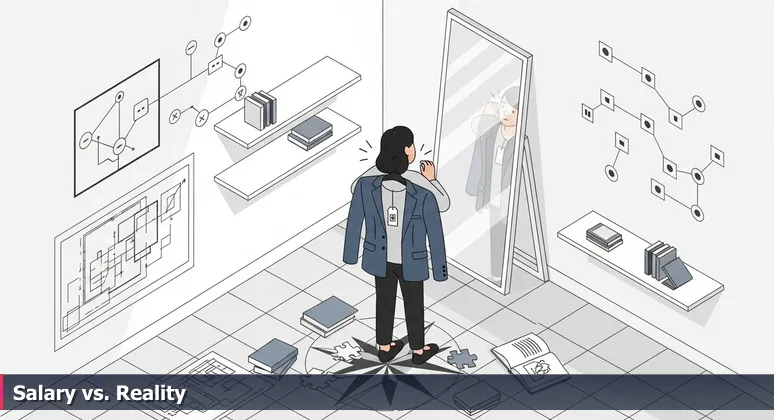
We've all stood in that fitting room, holding a garment with a perfect price and promise, only to feel the shoulders pinch. Choosing a city for your tech career is no different. Madison, WI, is on the rack, boasting an enviable quality of life and a booming tech scene. But as you hold that job offer against your life, does it actually fit?
The promise of a tech salary here is strong, but the cost of the fabric - housing, taxes, utilities - has been tailored by years of growth. With an overall cost of living approximately 4% to 11% higher than the national average, driven decisively by housing, this is your moment of truth. Let's look in the mirror and see if the life you want, supported by the unique advantages of the Madison metro area, fits the salary you can command from its anchor employers and vibrant startup ecosystem.
This guide is your fitting room. We’ll measure the seams of Madison's living costs against the paychecks offered by its tech giants and innovative startups. The question isn't just about the price tag on the rack, but how the fabric of the city feels as you move through your daily life, from a bike commute to UW-Madison to a drive out to Epic in Verona.
In This Guide
- Introduction: Your Madison Tech Career Fit Test
- The Great Mismatch: Costs vs. Job Market
- Madison's Cost of Living Breakdown
- Tech Salaries in Madison for 2026
- Tailored Budgets for Each Career Stage
- How Madison Compares to Other Cities
- Final Verdict: Can You Afford Madison?
- Frequently Asked Questions
This comprehensive guide for AI professionals in Madison provides all the details.
The Great Mismatch: Costs vs. Job Market
Before we measure the seams, we must understand the landscape. The market is in a state of recalibration, where entry-level and generalist IT roles face intense competition, but long-term demand for skilled technologists - particularly in specialized fields - remains robust, according to analysis of the current tech job market. This trend is amplified in Madison, where the talent pipeline from the University of Wisconsin-Madison feeds a competitive field.
The Specialization Imperative
For new graduates, this often feels like "rejection therapy" in a tight market. Success increasingly depends on specialization, especially in areas like AI, machine learning, and data science that directly serve Madison's core industries in health tech, insurance, and biotech. The easy roles are disappearing, replaced by positions requiring precise, high-value skills.
The Narrowing Affordability Gap
Simultaneously, the cost of living comfortably in Madison is climbing. Data from Salary.com confirms the city's costs run 4% to 11% above the national average, with housing as the primary driver. This creates the central tension: while tech salaries are strong, the path to milestones like homeownership now demands a high-tier or dual-income salary. An analysis suggested a salary of $104,581 is needed to comfortably afford a median-priced home, highlighting the precise budgeting required to make the Madison life fit your financial reality.
Madison's Cost of Living Breakdown
To assess the fit, you need the exact measurements of Madison's cost of living. This breakdown uses current data to map the price of the city's fabric, from the most prominent seam to the hidden stitches that can pinch your budget.
Housing: The Defining Seam
Housing is the single largest expense, varying dramatically by neighborhood. A new analysis of the Madison housing market confirms rents are among the highest in the Big Ten. Downtown luxury and student high-rises command $1,600 to over $2,900 for a one-bedroom. Trendy Willy Street/Atwood averages $1,800-$1,960, while the professional West Side offers more space for $1,400-$1,750. Suburban hubs like Middleton and Verona, home to Epic Systems, typically cost $1,500-$1,700.
Utilities, Groceries & Healthcare: The Hidden Seams
These recurring costs define monthly comfort. The average monthly electricity bill runs about $206, with high-speed internet adding $43-$77, according to utility cost analyses. Groceries average $250-$450 per person monthly, with excellent local options. Healthcare costs run about 13% above the national average, making employer-sponsored plans crucial.
Transportation: The Cost of Commute
Your commute choice directly alters the budget. A car, essential for suburban jobs, costs for payment, gas (~$3.16/gallon), maintenance, and insurance. For downtown or UW roles, Madison shines with biking and transit; a standard bus pass is $65/month, and the upcoming Bus Rapid Transit (BRT) system will enhance east-west efficiency.
Tech Salaries in Madison for 2026
Now, let's examine the other side of the tag: what you'll actually earn. Tech salaries in Madison are strong, particularly for specialized roles aligned with the region's key industries. According to Glassdoor data, the average annual pay for Software Engineers is approximately $148,671, spanning from junior roles around $93,000 to principal positions reaching $242,773.
The highest premiums are commanded by experts in AI and data science, fields that fuel Madison's growth in biotech and health tech. Robert Half's Tech Salary Guide highlights these roles as the top earners, with AI/ML Engineers capable of commanding up to $193,250.
| Role | Salary Range (2026) |
|---|---|
| AI Architect | $142,750 - $196,750 |
| AI/ML Engineer | $134,000 - $193,250 |
| Data Scientist | $121,750 - $182,500 |
This specialization premium is critical. Generalist IT roles may find the affordability calculus more challenging than their counterparts in AI and data science, where Madison's employer base - from Epic's analytics to Exact Sciences' biotech research - creates intense, sustained demand.
Tailored Budgets for Each Career Stage
Let's stitch the cost and salary data together into practical monthly budgets. The key insight is that affordability isn't about your gross salary, but your net take-home pay after Wisconsin taxes and essential savings. Your housing budget should not exceed 30-35% of this net income. The following table provides a tailored look at what life actually costs at each career stage for a single adult in Madison, incorporating rent, utilities, food, transportation, healthcare, and a 10% pre-tax retirement contribution.
| Salary Level | Gross Annual | Est. Net Monthly | Realistic Housing Budget | Recommended "Fit" & Lifestyle |
|---|---|---|---|---|
| Entry-Level ($70k-$90k) |
$70,000 - $90,000 | $3,500 - $4,500 | $1,200 - $1,500 | Studio or Roommate Scenario. Target the West Side for a solo studio, or split a 2-bedroom in Middleton or near the Capitol. A car may be necessary for non-downtown jobs. Lifestyle is comfortable but requires disciplined budgeting, closely aligning with the MIT living wage calculation for a single adult in Madison. |
| Mid-Career ($100k-$150k) |
$100,000 - $150,000 | $5,000 - $7,500 | $1,800 - $2,500 | Luxury 1BR or Spacious 2BR. This unlocks a true Downtown, Willy Street, or Atwood apartment. Alternatively, choose a spacious 2-bedroom in Middleton or the Near West Side. You can comfortably afford a car, dining out, and robust savings. |
| Senior/Principal ($160k+) |
$160,000+ | $8,000+ | $2,800+ | Luxury 2BR, Townhome, or Homeownership. This tier affords top-tier downtown living or a mortgage in Middleton, Verona, or established West Side neighborhoods. Financial flexibility is high, making the goal of affording a median-priced home within reach. |
This tailored view reveals the clear progression: the entry-level fit is snug and requires strategic choices, the mid-career range offers true neighborhood optionality, and senior salaries unlock the full spectrum of Madison's lifestyle, from vibrant downtown living to suburban homeownership.
How Madison Compares to Other Cities
Every city has a different cut and pattern. To understand Madison's fit, we must compare its alterations to other regional hubs. According to detailed cost of living comparisons, Madison is roughly 11.4% more expensive than Minneapolis, primarily due to higher housing costs. This means a tech professional might get slightly more space for the same salary in the Twin Cities.
The comparison flips when looking at larger hubs. Madison is about 11.7% less expensive overall than Chicago, according to a similar analysis. Your tech dollar stretches significantly further here, especially regarding housing square footage and the priceless commodity of a shorter, more manageable commute.
Against a booming tech city like Raleigh, NC, the fit is generally comparable, though Madison's healthcare and utility costs tend to run slightly higher. The choice then becomes one of industry focus - Madison's deep specialization in biotech, health tech, and insurance AI versus Raleigh's broader tech ecosystem - and climate preference.
The consensus among relocation experts is that Madison remains a profoundly affordable alternative to coastal hubs, offering a quality of life that more than compensates for its premium over some Midwestern neighbors. For tech workers, it represents a balanced alteration: more affordable than major coastal cities while providing concentrated opportunities in high-growth specialties.
Final Verdict: Can You Afford Madison?
So, can you live comfortably on a tech salary in Madison? The answer is a definitive yes, but with clear conditions. The fit depends entirely on your career stage and specialization, within a market that experts describe as recalibrating toward skilled technologists.
For the entry-level software engineer or data analyst earning around $80,000, comfort requires strategic tailoring. You will likely need a roommate, may choose suburbs like Sun Prairie for better rent value, and must budget carefully. The fit is snug but doable, representing the initial investment in a high-growth career trajectory.
For the mid-level AI/ML specialist or senior developer ($110,000-$140,000), Madison fits very well. This range, especially for those in high-demand specializations commanding premiums outlined in salary guides, unlocks true neighborhood choice - from trendy Willy Street to convenient near-west - and the ability to live alone in a quality apartment. This aligns with data showing approximately 73% of Madison software engineers report salary satisfaction.
For the principal engineer, AI architect, or tech lead ($160,000+), Madison is not just affordable; it's desirable. This salary level unlocks homeownership in sought-after school districts or a downtown luxury lifestyle, offering a globally competitive salary for a world-class quality of life that balances innovation with natural beauty and community.
The final step is yours. Take your specific offer, calculate your net pay using Wisconsin's tax brackets, and hold it up against the real costs of the neighborhood and lifestyle you desire. With eyes wide open to the costs, you can successfully tailor the unique Madison pattern - woven from its innovative employers, university talent, and Midwestern character - to your life.
Frequently Asked Questions
Can I actually afford to live in Madison, WI on a tech salary in 2026?
Yes, but it depends on your career stage and specialization. For entry-level roles earning around $80,000, you'll likely need roommates and careful budgeting, while mid to senior professionals in high-demand fields like AI can comfortably afford solo living or even homeownership. Madison offers a strong quality of life that balances tech salaries with a cost of living about 4-11% higher than the national average.
What tech salaries can I expect in Madison, especially for AI or machine learning roles?
Tech salaries in Madison are robust, with Software Engineers averaging about $148,671 annually. Specialized roles like AI Architects earn between $142,750 and $196,750, and AI/ML Engineers range from $134,000 to $193,250, making these positions well-suited to handle Madison's higher costs, especially with employers like Epic Systems and biotech startups driving demand.
How expensive is housing in Madison, and what neighborhoods are affordable for tech professionals?
Housing costs vary significantly by neighborhood; for example, a 1-bedroom apartment downtown can run $1,600 to over $2,900, while the West Side offers more affordable options at $1,400 to $1,750. Entry-level tech workers might target areas like the West Side or suburbs such as Middleton for better value, aligning with a housing budget of $1,200 to $1,500 on a net monthly income of $3,500 to $4,500.
How does Madison's cost of living compare to other cities I might consider for tech jobs?
Madison is about 11.7% more expensive than Chicago but 11.4% more expensive than Minneapolis, largely due to higher housing costs. However, it remains a more affordable alternative to coastal tech hubs, with tech salaries that stretch further for a high quality of life, thanks to Madison's strong employer base and lower overall expenses compared to places like San Francisco or New York.
What should my monthly budget look like if I'm moving to Madison for a tech job?
Your budget should allocate no more than 30-35% of your net income to housing. For an entry-level role at $70,000, net monthly is around $3,500 to $4,500, allowing a housing budget of $1,200 to $1,500. Factor in additional costs like utilities ($206 for electricity), groceries ($250-$450 per person), and transportation, whether it's a car for suburban commutes or biking/transit in downtown areas.
Explore community-based tech education opportunities in Madison, WI.
This resource provides a curated selection of tech workspaces and incubators in Madison for 2026 based on growth stages.
Learn about Madison's thriving tech ecosystem and its focus on health-tech and biohealth AI.
Stay ahead by reading about key AI startups to watch in Madison during 2026 and their growth trajectories.
This article provides a detailed guide to AI engineering in Madison for 2026, including salary data and bootcamp options.

Irene Holden
Operations Manager
Former Microsoft Education and Learning Futures Group team member, Irene now oversees instructors at Nucamp while writing about everything tech - from careers to coding bootcamps.