









Who's Hiring Cybersecurity Professionals in Tacoma, WA in 2026?
By Irene Holden
Last Updated: March 28th 2026
Key Takeaways
In 2026, cybersecurity professionals in Tacoma, WA, are primarily hired by critical infrastructure employers like Tacoma Public Utilities, healthcare systems such as MultiCare, and defense contractors supporting Joint Base Lewis-McChord, with salaries starting around $81,000 and reaching over $210,000 for senior roles. This demand is driven by the need to defend vital systems like power grids and patient data, offering stable careers in a metro area with no state income tax and a lower cost of living than Seattle. Specialized skills in operational technology and healthcare compliance are key to securing these high-impact positions in Tacoma's growing tech and advanced manufacturing ecosystem.
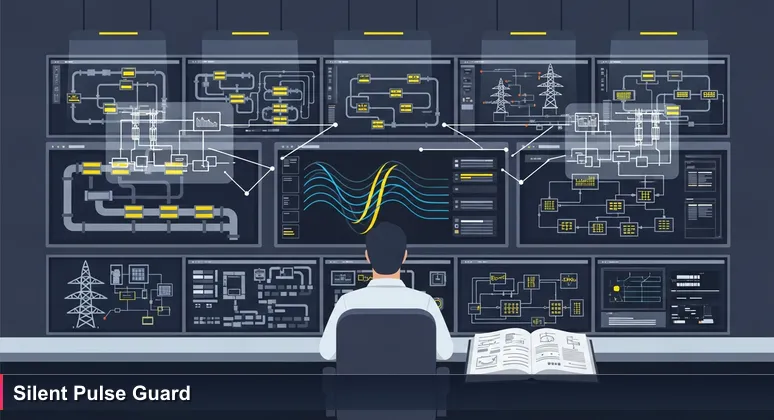
The most critical alarm isn't the one that screams; it's the silent pulse of anomalous data on a SCADA monitor in a Tacoma Public Utilities control room at 2 AM. In this city, the highest-stakes cybersecurity roles defend the silent, physical systems - the water, power, port operations, and patient data - that form the community's vital signs.
Tacoma's demand is driven by a unique civic anatomy of critical infrastructure, major healthcare systems, and defense logistics, not by the tech giants across the sound. This creates career opportunities with profound local impact, often with less frenetic hiring competition. Professionals here gain the significant financial advantage of Washington state's no income tax and a lower cost of living than Seattle, allowing a robust salary to go further while performing mission-critical work.
This local need exists within a global crisis, with an estimated 4.8 million unfilled cybersecurity roles worldwide. Washington state is identified as a top region for surging tech job growth, making Tacoma’s specialized market a stable harbor within the storm. Building a career here means learning to listen for the silent pulse of need within the systems that keep the city alive.
In This Guide
- Cybersecurity in Tacoma: A Vital Mission
- Tacoma's Cybersecurity Anatomy
- Critical Infrastructure and Public Utilities
- Healthcare Cybersecurity Roles
- Defense, Aerospace, and Logistics Careers
- Education and Training Pathways
- Essential Certifications for Tacoma Jobs
- Salary Insights in Tacoma
- Job Search and Networking Strategies
- Future of Cybersecurity in Tacoma
- Frequently Asked Questions
Get insights on AI Engineer salaries and job market in Tacoma for 2026.
Tacoma's Cybersecurity Anatomy
Tacoma is not a smaller Seattle; it is a regional hub with distinct vital organs, each requiring a specialized digital immune system. The hiring landscape is defined by three interconnected pillars that drive local demand: Critical Infrastructure, Healthcare, and Defense & Logistics. Unlike the consumer tech sector, employers here offer roles with tangible community impact and stability, rooted in the city's economic backbone.
"I don't expect a single 'big bang' cyber event so much as a steady escalation in quiet, hard-to-spot campaigns... using valid credentials to blend into normal activity." - Morgan Adamski, cybersecurity strategist
This evolving threat landscape requires professionals who understand more than just IT networks. Defending Tacoma means mastering Operational Technology (OT), industrial control systems (ICS) for utilities and the port, maritime logistics platforms, and stringent healthcare compliance frameworks like HIPAA. The expertise is niche, but the need is constant.
The three core sectors defining this anatomy are:
- Critical Infrastructure & Public Utilities: Protecting the physical systems for water, power, and port operations.
- Healthcare Systems: Safeguarding patient data and ensuring 24/7 hospital network availability.
- Defense, Aerospace & Logistics: Securing national security interests and complex supply chains tied to Joint Base Lewis-McChord.
As highlighted in an analysis of Pierce County's IT sector, this specialized demand creates a resilient job market. Coupled with no state income tax and a lower cost of living, Tacoma offers a compelling proposition for building a high-impact, stable career where your work directly defends the community's most vital systems.
Critical Infrastructure and Public Utilities
This sector forms the non-negotiable backbone of Tacoma's cybersecurity demand, focused on protecting systems where a digital breach triggers immediate physical consequences. Professionals here defend the city's literal lifeblood: its power grid, water supply, and primary economic engine.
Tacoma Public Utilities (TPU) is a cornerstone employer, actively recruiting for roles like Senior IT Security Analyst and Control System Engineer to secure its SCADA/ICS networks. The primary driver is stringent compliance with NERC Critical Infrastructure Protection (CIP) standards, a federal mandate for power utilities. A professional in this role, such as the Senior Control System Engineer, doesn't just analyze logs; they safeguard the physical processes controlling electricity and water flow.
The Port of Tacoma, as a massive container hub, requires experts in maritime logistics and supply chain security. Threats target cargo management systems and the OT running cranes and terminals. Hiring focuses on roles like Senior IT Security Analyst to build automation for threat detection within this unique industrial environment.
Local government and education, including the City of Tacoma and Tacoma Public Schools, offer stable, community-focused roles protecting citizen data and student information systems. For instance, Tacoma Public Schools listed an Executive Director of Technology Services role with a salary range of $173,375-$235,320, demonstrating the value placed on leadership in public-sector security. These positions often provide excellent work-life balance and a direct connection to civic service.
Healthcare Cybersecurity Roles
Tacoma’s major healthcare networks operate as defensive fortresses requiring constant vigilance, where a cyber incident directly impacts patient care. The region's largest employers, MultiCare Health System and CommonSpirit Health (CHI Franciscan), maintain active Security Operations Centers (SOCs) perpetually hiring for SOC Analysts, Cybersecurity Engineers, and Patient Data Protection Specialists.
The challenge is dual: ensuring strict HIPAA compliance for Electronic Health Records (EHRs) and defending hospital networks that cannot afford a moment of downtime. A breach here isn't just data theft; it can disrupt life-saving equipment and emergency services. You can explore these critical IT and security career tracks directly on the CommonSpirit Health careers page.
Hiring is further driven by evolving regulations like Washington's My Health My Data Act, which has created new compliance and privacy analyst roles specific to the state. This legislative pressure ensures sustained demand for professionals who can navigate the complex intersection of healthcare operations, patient privacy, and digital security.
For those targeting this sector, obtaining specialized certifications like the Certified in Healthcare Privacy and Security (CHPS) can be a decisive advantage. The need is relentless, with hospital cybersecurity roles consistently available across Washington, offering a career path that combines technical skill with a profound mission to protect community health.
Defense, Aerospace, and Logistics Careers
The presence of Joint Base Lewis-McChord (JBLM) creates a distinct ecosystem for cleared cybersecurity professionals and offers a premier pathway for transitioning service members. Defense contractors supporting federal missions, such as Nightwing, Jacobs, and Evergreen Fire & Security, frequently post roles for Cyber Defense Resiliency Specialists, Site Leads, and OT/ICS Cybersecurity Engineers. These positions often require active security clearances and involve securing classified environments. For example, Jacobs has hired for an OT/ICS Cybersecurity Engineer role focused on operational technology in the region.
For veterans, the Department of Defense SkillBridge program is a critical pipeline, facilitating internships with partner employers before separation. This direct transition is evident in listings for Cyber Defense roles at JBLM, which often seek candidates with military IT experience.
While much of Boeing's cybersecurity workforce is north in Seattle and Tukwila, their defense projects create significant opportunities. They consistently hire for high-level roles like Senior Information System Security Manager (ISSM), responsible for accrediting systems that process classified information and navigating complex federal aerospace regulations like DFARS.
Specialized logistics and manufacturing firms with major Tacoma operations, such as Trident Seafoods, also require robust cybersecurity. Trident has listed openings for Senior Cybersecurity Analysts, proving that protecting industrial and corporate networks is essential for modern supply chain operations based in the Tideflats.
Education and Training Pathways
Breaking into Tacoma's specialized cybersecurity market requires a targeted educational strategy aligned with the city's employer profile. The region is rich with established and accessible training options designed to build the precise skills local infrastructure demands.
Traditional pathways include four-year degrees and advanced certificates from the University of Washington Tacoma, as well as associate degrees and focused certifications from Tacoma Community College and Clover Park Technical College. These programs, particularly those geared toward Industrial Control Systems (ICS) security, provide a steady talent pipeline for the region's utilities and manufacturers, as noted in analyses of Pierce County's IT sector.
For career-changers seeking a faster, more affordable entry point, bootcamps like the local Nucamp Cybersecurity Bootcamp offer a focused 15-week program. With tuition of $2,124, it represents a significant cost advantage over many competitors and is designed to build the foundational skills needed for entry-level SOC analyst or IT security support roles in the Tacoma market.
A premier Tacoma-specific pathway exists for separating service members at Joint Base Lewis-McChord through the Department of Defense SkillBridge program. This initiative serves as a golden ticket, offering direct pipelines into internships and jobs with partner employers like local defense contractors and utilities, effectively translating military experience into immediate civilian cybersecurity careers defending the region's critical assets.
Essential Certifications for Tacoma Jobs
In Tacoma's specialized cybersecurity market, certifications are not just resume padding; they are validated credentials that prove you understand the local stakes. The right certification signals to employers at Tacoma Public Utilities, MultiCare, or a JBLM contractor that you speak their specific language of compliance and operational technology.
The required certs align with career progression and sector. For early-career roles like SOC Analyst or IT Support, foundational credentials such as CompTIA Security+, CEH, and cloud fundamentals are essential. Mid-level professionals targeting engineering or specialist positions should pursue GIAC certifications (highly valued for OT/ICS roles), CISSP, or CISM. Senior and leadership roles, such as an Information System Security Manager (ISSM) for defense contracts, require CISSP (which satisfies IAM Level III for DoD jobs) and CISM.
Sector-specific knowledge is paramount. For public utilities, expertise in NERC CIP standards is a major hiring advantage. In healthcare, HIPAA mastery and certifications like the Certified in Healthcare Privacy and Security (CHPS) are critical differentiators. Understanding these nuances is why working with a specialized firm like Nexus IT Group, a local cybersecurity recruiter, can be so valuable.
Salary expectations in Tacoma correlate strongly with these validated skill levels. Early-career professionals can expect $81,000 - $119,000, mid-level experts command $111,000 - $155,000, and senior leaders reach $122,000 - $210,000+. Earning the right certification is a direct investment in advancing through this lucrative, mission-driven career ladder.
Salary Insights in Tacoma
Salaries in Tacoma's cybersecurity market are robust and competitive, offering a compelling value proposition when combined with Washington's no state income tax and a lower cost of living than Seattle. While figures may trail the premium paid by some Puget Sound tech giants, the take-home pay and quality of life in Pierce County create a significant net advantage for professionals defending local infrastructure.
The following table outlines estimated salary ranges for 2026, reflecting the specialized demand across Tacoma's core sectors:
| Level | Estimated Salary Range | Common Tacoma Employer Types & Roles |
|---|---|---|
| Early-Career | $81,000 - $119,000 | SOC Analyst (Healthcare), Junior IT Security Analyst (Government/Schools), roles often filled by graduates of local bootcamps or colleges. |
| Mid-Level | $111,000 - $155,000 | Cybersecurity Engineer (Utilities, Healthcare), OT/ICS Specialist (Port, Defense Contractors), positions requiring GIAC or CISSP certifications. |
| Senior/Lead | $122,000 - $210,000+ | Senior ISSM (Defense/Aerospace), Security Manager (Healthcare, Port), CISO (Public Sector), leadership roles demanding extensive compliance and risk management expertise. |
These figures are supported by active cybersecurity analyst job listings in Tacoma and align with Washington state's status as a top region for surging tech employment. The financial equation is clear: a stable, high-impact career defending Tacoma's vital systems provides both professional fulfillment and strong economic footing in the Pacific Northwest.
Job Search and Networking Strategies
Securing a cybersecurity role in Tacoma requires a targeted, localized strategy that goes beyond national job boards. Success hinges on understanding and engaging with the specific portals, recruiters, and networks that serve the region's unique blend of infrastructure, healthcare, and defense employers.
A proactive, multi-pronged approach is essential:
- Target City & County Portals: Regularly monitor the City of Tacoma GovernmentJobs.com site for public utility and municipal openings. These postings are the primary source for critical infrastructure roles.
- Engage with Local Recruiters: Build relationships with firms like Nexus IT Group that specialize in the regional defense and infrastructure landscape. Their insider knowledge can be invaluable.
- Attend Local Events: Participate in Tacoma's professional meetups. For instance, the CyberConnect networking event in April 2026 was specifically designed to connect local professionals with Tacoma-area opportunities.
- Leverage Veteran Networks: If you have a military background, actively connect with transition offices on JBLM and veteran-focused tech recruiters to access the SkillBridge pipeline and cleared positions.
Consistency in this targeted outreach is key. As one professional documented, securing multiple offers within 100 days was achieved through a "no zero days" approach of relentless, focused execution. In a market where over 1,000 cyber security jobs are listed in the Tacoma area, a strategic and persistent local focus separates successful candidates from the broader pool.
Future of Cybersecurity in Tacoma
The trajectory of cybersecurity in Tacoma is one of specialized, intelligent growth. As the threat landscape evolves from loud attacks to subtle, credential-based intrusions that blend into normal activity, so too must the defenders. Industry observers note that while cybersecurity remains a hot career, "the skills employers want most are shifting fast toward AI risk and cloud security."
In Tacoma, this evolution will manifest in three key areas directly tied to its civic anatomy. First, AI-Powered OT Security will become standard, using machine learning to detect anomalies in the data streams of water treatment plants or the power grid - automating the detection of those silent pulses. Second, Expanded Compliance Regimes, like Washington's My Health My Data Act and federal NERC CIP mandates, will drive continuous hiring for privacy and risk analysts. Finally, as the Port of Tacoma integrates more IoT and interconnected logistics software, expertise in supply chain security will become increasingly critical.
This future ensures that Tacoma's cybersecurity market, already insulated by its focus on essential services, will continue to offer stable, high-impact career paths. The path forward isn't about chasing the loudest tech trend but about deepening expertise in the quiet, complex systems that sustain the city. For professionals ready to adapt, Tacoma offers a chance to build a durable career at the intersection of advancing technology and timeless civic duty, all within a region identified for surging tech job growth. The defenders will be needed here, listening for the silent alarms that keep the city's vital pulse steady.
Frequently Asked Questions
Which companies in Tacoma are actively hiring cybersecurity professionals in 2026?
Key employers include Tacoma Public Utilities for critical infrastructure roles, MultiCare Health System for healthcare security, and defense contractors like Nightwing supporting Joint Base Lewis-McChord. The Port of Tacoma and local government agencies also offer stable opportunities, with hiring driven by compliance needs and Tacoma's growing tech ecosystem.
What are the main sectors for cybersecurity jobs in Tacoma?
Cybersecurity demand in Tacoma focuses on three sectors: critical infrastructure (e.g., utilities and ports), healthcare (protecting patient data), and defense logistics (with JBLM and aerospace firms). These areas prioritize specialized skills like operational technology security and compliance with regulations such as NERC CIP and HIPAA.
What salary can I expect for a cybersecurity role in Tacoma?
Salaries range from $81,000 to $119,000 for early-career roles, $111,000 to $155,000 for mid-level positions, and over $210,000 for senior leads. With no state income tax and lower living costs than Seattle, Tacoma offers competitive pay that enhances your financial outlook in this field.
What certifications are most valued by Tacoma cybersecurity employers?
Employers favor certifications like CompTIA Security+ for entry-level, CISSP for advanced roles, and specialized ones like CHPS for healthcare or GIAC for OT/ICS security. Local training, such as Nucamp's bootcamp, can help you gain these credentials and break into Tacoma's job market.
Why should I consider a cybersecurity career in Tacoma over Seattle?
Tacoma offers unique advantages like no state income tax, a lower cost of living, and proximity to major employers such as MultiCare and the Port of Tacoma. You'll find less competition, roles with direct community impact, and a growing tech scene that values specialized skills in defense and infrastructure.
Explore women in tech mentorship programs in Tacoma, WA for guided growth.
Learn about Tacoma's AI job market and the top sectors hiring in 2026.
If you're interested in highest paying tech companies in Tacoma, this article provides valuable insights.
Discover various funding options for tech training in Tacoma including scholarships and grants.
For career changers in the South Sound, our guide to AI bootcamps in Tacoma highlights programs based on ecosystem fit.

Irene Holden
Operations Manager
Former Microsoft Education and Learning Futures Group team member, Irene now oversees instructors at Nucamp while writing about everything tech - from careers to coding bootcamps.