









Is Mesa, AZ a Good City for a Tech Career in 2026?
By Irene Holden
Last Updated: March 15th 2026
Quick Explanation
Yes, Mesa, AZ is a great city for a tech career in 2026, thanks to booming sectors like semiconductors and AI manufacturing that are creating high-demand roles with average software engineer salaries around $167,000. Its lower cost of living, with median home prices near $440,000, and proximity to major employers like Intel and Boeing make it a strategic and affordable choice in the Phoenix-Mesa metro area.
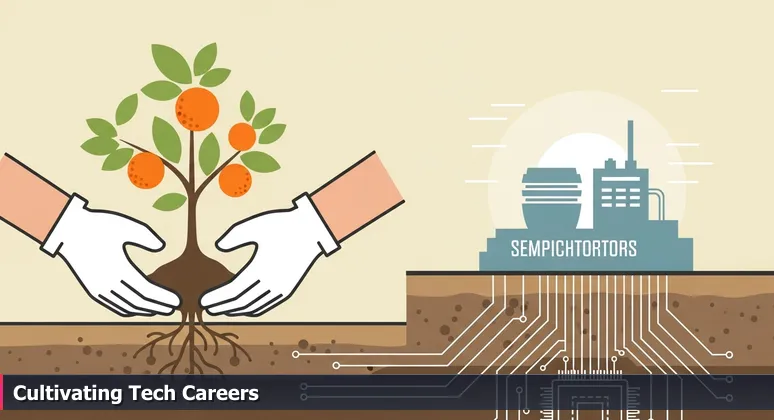
The most strategic moves in tech aren't made in boardrooms; they're made in fields at dawn, checking the soil. This quiet, deliberate work defined Arizona's agricultural past and now shapes its high-tech future in the East Valley. While coastal hubs chase hype cycles, Mesa has spent years methodically preparing the ground, laying fiber-optic irrigation and amending the soil with billions in capital investment.
The harvest of this long-term strategy is arriving. This isn't a fleeting boom but the yield of a patient plan, creating a resilient ecosystem for tech careers that values depth over disruption. From 2024-2025, Arizona saw over $34 billion in new investment, projecting nearly 28,000 new jobs statewide, with a heavy concentration in the corridor anchored by Mesa.
The region's identity in the "Silicon Desert" has evolved from a Phoenix suburb into the East Valley's industrial growth engine, a precision manufacturing hub for the digital and physical age. This cultivated ecosystem is now defined by massive projects like TSMC's investment in North Phoenix and Intel's $20 billion expansion in Chandler, which collectively act as anchors, drawing a dense network of suppliers and specialized talent to Mesa's doorstep.
What We Cover
- The Unlikely Orchard: Mesa's Tech Transformation
- What's Growing in the Desert: The 2026 Tech Ecosystem
- 2026 Job Market: Precision Hiring in Mesa
- Salary vs Cost of Living: Mesa's 2026 Advantage
- Quality of Life: Safety, Education, and Outdoors
- Mesa in 2026: Who Should Move Here?
- The Verdict: Should You Move to Mesa in 2026?
- Common Questions
Explore AI career pathways in Mesa, Arizona for 2026 with this detailed resource.
What's Growing in the Desert: The 2026 Tech Ecosystem
Mesa's cultivated tech ecosystem is less a startup incubator and more a precision manufacturing hub for the digital age. Its strategy of attracting foundational, capital-intensive industries has created a durable job market anchored by four interconnected sectors.
Semiconductor & Advanced Manufacturing
While TSMC's investment anchors North Phoenix, it has triggered a massive supplier migration to the East Valley. Mesa captures this wave directly, with companies like KoMiCo opening a $60 million semiconductor facility in early 2026, planning to add 200+ jobs. This complements Intel's $20 billion expansion in neighboring Chandler, creating a dense supplier corridor.
AI-Powered Industrial Solutions
The city is a proving ground for applied AI in manufacturing. In January 2026, Hadrian opened a $200 million AI-powered factory ("Factory 3") in Mesa, creating over 350 high-quality jobs focused on autonomous production for defense. This represents the new wave: not just software AI, but AI that builds hardware.
- Aerospace & Defense Legacy: Boeing remains a top-five employer with over 4,350 staff in Mesa, recently securing a major Army contract for Apache helicopter support, reinforcing this economic pillar.
- Digital Infrastructure: Supporting this activity, the broader Phoenix metro ranks #2 in the U.S. for planned data center development, underscoring its role as a critical national digital node.
This ecosystem is nurtured by a growing community, with venues like The Studios @ Mesa City Center hosting networking events and institutions like ASU's Edson Entrepreneurship Institute feeding talent and innovation directly into the region.
2026 Job Market: Precision Hiring in Mesa
The "harvest" of Mesa's long-term cultivation is a 2026 job market defined by Precision Hiring. The frenzied hiring of past tech booms has given way to targeted demand for specific skills that match the region's industrial focus. As industry analyst Andrew Grier noted, the year saw a "busiest start," driven specifically by demand in Architecture, Data, and AI roles.
This mirrors a broader trend where "adaptive" is cited as the critical skill, with high demand for "human in the loop" roles that blend technical expertise with practical judgment. The opportunity lies in specialized roles that support Mesa's core sectors of manufacturing, infrastructure, and applied AI.
| Sector | 2026 Trend | Key Roles in Demand |
|---|---|---|
| Advanced Manufacturing | High Growth | Hardware Program Managers, Systems Engineers, Robotics Technicians |
| Data & AI | Shift to Specialization | Data Scientists (manufacturing/supply chain), AI Tooling & Integration Specialists |
| Cybersecurity | Increasing Criticality | Cybersecurity Engineers (industrial control systems), Risk Management Analysts |
| Infrastructure | Record Demand | Data Center Technicians, Cloud Infrastructure Engineers, DevOps |
For career-changers, this shift toward specialization creates a clear need for targeted skill development. Accessible education pathways, like focused coding bootcamps, provide a direct route to building the relevant skills for these in-demand, high-value positions in Mesa's durable tech ecosystem.
Salary vs Cost of Living: Mesa's 2026 Advantage
A career is more than a job title; it's the life that salary affords. Here, Mesa’s value proposition shines brightly, especially when measured against traditional coastal tech hubs. The city has matured into an affluent tech suburb while retaining a significant financial advantage.
Tech salaries in the Phoenix-Mesa-Scottsdale metro are robust. According to 2026 data, a Software Engineer averages ~$167,000, while the median for Engineering roles is ~$132,556. These figures, reported by industry salary trackers, provide strong earning power that stretches far when paired with Mesa’s cost of living.
The comparative advantage is stark. The overall cost of living in San Diego is 40% higher than in the Phoenix/Mesa metro, with housing nearly 89% more expensive. While costs are similar to Austin, Mesa offers a distinct focus on industrial tech and manufacturing over pure software startups. This financial logic makes Mesa compelling for professionals trading a coastal commute and high rent for a mortgage, shorter drive, and greater disposable income.
Quality of Life: Safety, Education, and Outdoors
Tech careers are a marathon, not a sprint, and quality of life is the essential fuel. Mesa scores exceptionally well on the foundational metrics that enable long-term thriving, safety, and community well-being.
When it comes to security, Mesa consistently ranks as one of the safest large cities in the U.S.. In 2024, the city's own data hub reported it had the lowest violent and property crime rates among all U.S. cities with populations between 500,000 and 650,000. This commitment to community safety provides a stable environment for professionals and families alike.
For those raising a family, the local education system shows measurable improvement. Mesa Public Schools earned an overall "B" grade for the 2024-2025 school year, with 61 schools earning "A" or "B" marks. This progress matters for professionals seeking a supportive environment for their children's education.
Complementing this is the year-round access to the outdoors enabled by the warm, sunny climate. Residents have immediate access to the extensive Maricopa County Parks system, including Usery Mountain Regional Park and Saguaro Lake for hiking, biking, and water recreation just minutes from home. This blend of safety, improving schools, and outdoor access forms the bedrock of a balanced lifestyle in the desert.
Mesa in 2026: Who Should Move Here?
An honest assessment requires acknowledging that Mesa's cultivated ecosystem is ideal for specific career aspirations but not for everyone. The city's strengths create a clear profile for who will thrive here.
Mesa is BEST FOR:
- Hardware, Manufacturing & Industrial Tech Professionals: Engineers, program managers, and technicians in semiconductors, aerospace, and advanced manufacturing will find the densest concentration of opportunity, as the region positions itself at the forefront of America's high-tech manufacturing resurgence.
- Data & AI Specialists Focused on Applied Solutions: Those interested in AI for robotics, supply chain logistics, or autonomous systems, rather than consumer social apps.
- Career-Stable Professionals Seeking Balance: Individuals who prioritize home ownership, safety, and outdoor access alongside a strong tech salary, especially those moving from higher-cost coastal hubs.
Mesa might NOT BE IDEAL FOR:
- Early-Stage Startup Founders Seeking VC Density: While the community is growing, the epicenter of venture capital and seed-stage software startups remains more concentrated in places like Austin.
- Professionals Exclusively in Consumer Software: The dominant employers and projects are in B2B, industrial, defense, and infrastructure tech, making it a powerhouse for industrial tech over consumer social media.
Ultimately, Mesa wins on large-scale industrial and manufacturing tech, offering a specialized, stable career path within a community designed for long-term living.
The Verdict: Should You Move to Mesa in 2026?
The decision to plant your career in Mesa hinges on your current location and professional specialty. The city's cultivated ecosystem offers distinct advantages depending on where you're starting from.
If you're already in the Phoenix metro, Mesa represents the strategic expansion of the region's highest-growth sectors. It's about accessing the epicenter of semiconductor and advanced manufacturing growth in the East Valley, often with a better cost-of-living profile than central Phoenix. This corridor is experiencing a technology boom focused on foundational industrial tech.
For those relocating from coastal hubs like California or Washington, the financial logic is compelling. You can trade a long commute and high rent for a mortgage, a shorter drive, and significant disposable income, all while working on cutting-edge manufacturing projects. The choice becomes one of specialty versus software when comparing to other inland hubs.
Austin has a higher density of pure software companies, while Mesa is winning on large-scale industrial tech. Compared to Salt Lake City, costs are similar, but Mesa offers a larger total market and a sharper focus on aerospace and hardware, according to a detailed cost-of-living comparison. The future of tech in Mesa is about recognizing where decades of patient, foundational investment have created fertile ground for durable careers. For the right technologist, the desert is yielding an abundant and specialized harvest.
Common Questions
Is Mesa, AZ really a good city for a tech career in 2026?
Yes, Mesa is strategically cultivating a durable tech ecosystem, with over $34 billion in new investment from 2024-2025 projecting nearly 28,000 new jobs. It's ideal for roles in semiconductors, AI, and aerospace, offering competitive salaries and a lower cost of living compared to coastal hubs.
What tech jobs are most in demand in Mesa for 2026?
Mesa's job market focuses on precision hiring in advanced manufacturing, data & AI, and infrastructure. Key roles include Hardware Program Managers, Data Scientists for supply chain, and Data Center Technicians, driven by growth from companies like KoMiCo and Hadrian's AI-powered factory.
How do tech salaries in Mesa compare to the cost of living?
Tech salaries are robust, with software engineers averaging ~$167,000, and the median home price is around $440,000. This makes Mesa financially attractive, as the overall cost of living is 40% lower than in San Diego, allowing for better savings and homeownership.
Is Mesa a safe and family-friendly place for tech professionals?
Yes, Mesa ranks as one of the safest large cities in the U.S. with low crime rates, and Mesa Public Schools earned a 'B' grade in 2024-2025. The warm climate and access to Maricopa County Parks provide excellent year-round outdoor activities for families.
Why choose Mesa over other tech hubs like Austin or Salt Lake City?
Mesa specializes in industrial tech and manufacturing, with proximity to employers like Intel and Boeing, whereas Austin has more software startups. While costs are similar, Mesa offers a unique blend of aerospace and semiconductor opportunities in the growing East Valley ecosystem.
For insights into the Top 10 Companies Hiring AI Engineers in Mesa, AZ in 2026, check out this comprehensive list.
In Mesa, AZ, tech jobs without formal education are on the rise for 2026, as detailed in this skills-focused post.
Read about the best places for tech startups in Mesa in this 2026 guide.
This complete guide to tech training funding in Mesa covers everything from federal aid to employer benefits.
See the top apprenticeship programs at Intel and Boeing in Mesa.

Irene Holden
Operations Manager
Former Microsoft Education and Learning Futures Group team member, Irene now oversees instructors at Nucamp while writing about everything tech - from careers to coding bootcamps.