









Who's Hiring Cybersecurity Professionals in McAllen, Texas in 2026?
By Irene Holden
Last Updated: March 14th 2026
Key Takeaways
In 2026, McAllen's cybersecurity hiring is driven by employers like South Texas Health System, U.S. Customs and Border Protection, and local banks, with entry-level salaries averaging $86,000 and federal roles starting at over $106,000, benefiting from no state income tax. To stand out, focus on certifications like CompTIA Security+ and specialize in high-demand local niches such as healthcare data protection or cross-border logistics security.
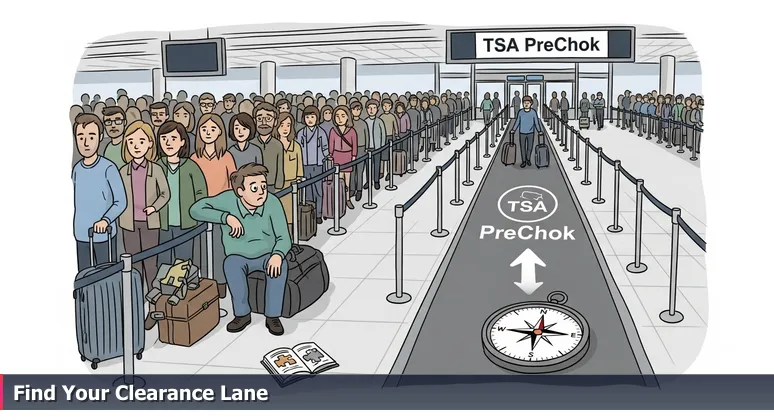
The universal frustration of airport security lines perfectly mirrors the hiring paradox facing aspiring cybersecurity professionals in the McAllen area. Hundreds of positions exist, but a critical market shift, noted by experts like Owen Jobling, sees organizations increasingly bypassing entry-level candidates for those with 2-6 years of experience. This creates a "mid-level paradox" - high demand paired with a perceived barrier to entry where new talent watches from the slow lane.
The crucial reframe is recognizing that McAllen isn't hiring for generic "cybersecurity." It's hiring for specific, high-stakes clearances tied directly to the region's economic and geographic fabric: protecting patient health data, securing international logistics, and defending national borders. Each of these domains operates like a dedicated federal clearance lane with its own entry protocol.
Success in this market, therefore, isn't about joining the longest queue but understanding which specialized lane you can enter. For instance, targeting a role protecting hospital systems requires different credentials than one securing cross-border supply chain data for a major distributor like H-E-B. The path forward is about strategic alignment.
Local data underscores this specialization. The average annual pay for an entry-level cybersecurity professional in McAllen is approximately $86,036, but this masks the premium for specialized skills. Career data shows that foundational certifications like CompTIA Security+ are held by 36% of degree-less hires, acting as a critical first access key. Meanwhile, roles in federal agencies like U.S. Customs and Border Protection offer salaries starting around $106,437 for GS-13 positions, leveraging Texas's significant advantage of no state income tax.
By viewing the market through this lens of distinct clearance lanes - Healthcare Data, Cross-Border Logistics, and National Security - you move from a position of frustrated observation to one of targeted action. You stop watching others speed past and start building the specific profile to join them. Explore the opportunities in this high-stakes lane on the official CBP Careers site.
In This Guide
- Unlocking McAllen's Cybersecurity Hiring Paradox
- Key Employer Sectors in the Rio Grande Valley
- High-Stakes Federal Cybersecurity Roles on the Border
- Hidden Gems in Local Government and Utilities
- 2026 Salary Insights and Must-Have Certifications
- Local Education Paths to Cybersecurity Careers
- Strategies for Gaining Experience and Networking
- Expert Predictions for McAllen's 2026 Market
- Frequently Asked Questions
Read about renovating your career with AI in McAllen in this detailed article.
Key Employer Sectors in the Rio Grande Valley
The cybersecurity hiring landscape in the Rio Grande Valley is powerfully shaped by three foundational pillars of the local economy: healthcare, retail/logistics, and regional finance. These sectors form the backbone of internal security operations, each defending a distinct and critical type of infrastructure.
Healthcare: Protecting Patient Data and IoT Ecosystems
Major hospital networks like South Texas Health System (STHS) and McAllen Medical Center are constant recruiters for Information Security Analysts. Their challenge is dual: enforcing stringent HIPAA compliance for sensitive patient records and securing an expanding network of internet-connected medical devices. A breach here isn't just a data leak; it's a direct threat to patient care, making these roles both technically demanding and mission-driven.
Retail & Logistics: Securing the Cross-Border Supply Chain
H-E-B's massive regional distribution hubs and other major logistics centers require cybersecurity professionals who understand operational technology. Roles like Supply Chain Risk Analyst focus on protecting real-time warehouse automation, fleet telemetry, and the integrity of cross-border shipment data. The threat surface is unique, as an attack on a sensor in a Pharr warehouse could disrupt the flow of goods to stores across Texas, tying cybersecurity directly to community well-being.
Finance: Guarding Assets and International Transactions
Local institutions such as International Bank of Commerce (IBC) and Lone Star National Bank offer critical entry-level pathways through Service Desk Technician roles. Their cybersecurity focus is intensely practical, centered on Identity and Access Management (IAM) and sophisticated anti-fraud monitoring to secure both local and international transactions. In this sector, cybersecurity directly defends the bottom line and customer trust in a dynamic financial environment.
High-Stakes Federal Cybersecurity Roles on the Border
McAllen's geographic position makes it a prime operational center for high-level federal cybersecurity, offering a unique career lane defined by national security missions and significant financial advantages. Federal employment here combines GS-level pay with Texas's no state income tax, creating a powerful compensation package for specialized talent.
Federal Agencies: Integrated Security at the Port of Entry
U.S. Customs and Border Protection (CBP) and the Department of Homeland Security (DHS) are perennially hiring for roles like Cybersecurity Analysts and Telecommunications Specialists. A prime example is a recent listing for a Lead Telecommunications Specialist, a position starting at the GS-13 level with a salary beginning around $106,437. The work involves securing integrated systems that merge law enforcement databases, field surveillance networks, and biometric data from ports of entry - a cybersecurity domain where digital defense has immediate physical consequences.
Border-Security Contractors: Specialized Support Roles
This ecosystem extends to government contractors like Parsons Corporation, which maintains a presence in Edinburg. These firms recruit for highly specialized positions such as Senior Electronic Security Systems Engineers, focusing on the integration of physical security systems and credentialing. This lane often values practical experience, making it an excellent transition point for veterans or those with law enforcement backgrounds looking to move into the tech side of national security operations.
The unique nature of this work cannot be overstated. Professionals in this sector aren't just protecting data; they are defending critical border infrastructure. This involves a deep understanding of how cyber threats can impact integrated surveillance, communications, and processing systems that are vital to national sovereignty and economic security. For those with the right skills and clearances, it represents a high-impact career on the front lines of America's most vital sectors.
Hidden Gems in Local Government and Utilities
Beyond the high-profile corporate and federal roles, McAllen's cybersecurity ecosystem includes vital, stable opportunities in public service and critical infrastructure. These sectors are often less competitive but no less crucial, offering careers with strong work-life balance and direct community impact.
Local Government & Education: Defending Public Trust
Entities like Hidalgo County and the McAllen Independent School District (ISD) maintain active cybersecurity hiring to protect public data and infrastructure. Hidalgo County, for example, hires for roles like Cybersecurity Analyst II to manage county-wide risk and network security. Similarly, McAllen ISD seeks a Coordinator for Cybersecurity and Compliance to safeguard student information and district networks. The focus here is heavily on governance, risk, compliance (GRC), incident response, and securing the networks that serve citizens and students.
Utilities & Critical Infrastructure: The OT/ICS Frontier
Perhaps the most specialized hidden gem lies with regional electric and water districts. These organizations require OT/ICS Security Engineers to defend SCADA systems - the operational technology that controls the physical flow of electricity and water. This is a niche field where cybersecurity threats can have immediate physical consequences, making the work exceptionally vital. Professionals in this domain protect the community's fundamental utilities from cyber-physical attacks, and their specialized skills command premium salaries, often exceeding $120,000.
These roles represent a compelling career path for those seeking meaningful work that tangibly benefits their neighbors. They combine technical challenge with the satisfaction of public service, all within the supportive community and lower cost of living that defines the McAllen-Edinburg-Mission metro area.
2026 Salary Insights and Must-Have Certifications
Understanding local compensation and the certifications that act as "access keys" for each career lane is essential for strategic planning in McAllen's market. As of 2026, data synthesized from ZipRecruiter shows the average annual pay for an entry-level cybersecurity professional in McAllen is approximately $86,036, though this masks a broad range where specialized roles command significantly more.
| Career Level | Typical Salary Range (USD) | Common & Valued Certifications (Your "Access Keys") |
|---|---|---|
| Entry-Level | $42,300 - $109,800 | CompTIA Security+ (a fundamental baseline held by 36% of degree-less hires), Network+, vendor-specific certs from Cisco or Microsoft. |
| Mid- to Senior-Level | $106,000 - $148,000 | CISSP (Certified Information Systems Security Professional), CISM (Certified Information Security Manager), CEH (Certified Ethical Hacker), GIAC certifications. These validate advanced, hands-on expertise. |
| Specialized (e.g., OT/ICS, GRC) | $120,000+ (can exceed $165,000) | Specific ICS/SCADA security training, CISA (Certified Information Systems Auditor) for governance and compliance roles in government or finance. |
This framework demonstrates that while foundational certifications like Security+ are critical for entering the field, advancing into McAllen's high-demand niches - whether in federal compliance, healthcare security, or critical infrastructure - requires targeted, advanced credentials. These certifications are not just resume items; they are the verified protocols that allow professionals to bypass the general queue and enter the specialized clearance lanes where the region's most consequential and well-compensated work is found.
Local Education Paths to Cybersecurity Careers
Gaining the credentials for McAllen's specialized cybersecurity lanes doesn't require leaving the Rio Grande Valley. Several local institutions provide the foundational training and certifications needed to move from the general queue toward your chosen clearance pathway.
Bootcamps: Accelerated, Job-Focused Training
For those seeking a direct, practical on-ramp, the Nucamp Cybersecurity Bootcamp offers a 15-week, part-time program designed to build job-ready skills for entry-level roles. At roughly $2,124, it represents an affordable, accelerated alternative to lengthier degree programs, focusing on the hands-on competencies local employers value.
Community College: A Strong Academic Foundation
South Texas College (STC) provides a robust academic pathway through its Associate of Applied Science degrees in Cybersecurity. These programs offer a strong blend of theoretical knowledge and practical, certification-focused training, preparing graduates for both immediate employment and potential further education.
University Continuing Education: Specialized Upscaling
For professionals already in IT or related fields looking to pivot or specialize, The University of Texas Rio Grande Valley (UTRGV) offers continuing education courses and industry certification preparation. These programs are ideal for gaining niche credentials like CISSP or CISA, which are critical for advancing into McAllen's mid-to-senior level and specialized roles in government compliance or critical infrastructure.
Together, these local pathways ensure that residents of the McAllen-Edinburg-Mission area can access high-quality, relevant cybersecurity education. By leveraging these resources, aspiring professionals can efficiently build the specific skill profiles that align with the region's high-demand sectors, turning local knowledge into a career advantage.
Strategies for Gaining Experience and Networking
Overcoming the "mid-level paradox" in McAllen requires strategically building demonstrable experience and cultivating local connections. Given the market's preference for candidates who can immediately contribute, creating a portfolio of practical skills is non-negotiable.
First, treat every IT role as a cybersecurity apprenticeship. A position as a Service Desk Technician at a local bank or hospital is not a dead end; it's a critical stepping stone. It provides direct insight into the organization's specific threat models, whether that's HIPAA compliance or financial fraud monitoring, and builds the internal network that can lead to security team referrals. Similarly, seeking internships or apprenticeships with entities like Hidalgo County or local managed service providers (MSPs) offers real-world experience on the regional infrastructure you aim to protect.
Complement this hands-on work by publicly documenting your learning and technical problem-solving. As industry expert Taimur Ijlal notes, 2026 is the year of AI-native cybersecurity teams. Showcasing your ability to think about system-wide security or automate tasks through code on platforms like GitHub makes your skills visible and demonstrates a modern, proactive mindset to potential employers.
Finally, leverage the tight-knit nature of the RGV professional community. Engage with local IT and cybersecurity meetups; the connections made here often lead to direct referrals. Use LinkedIn strategically - success stories frequently involve using premium features to message hiring managers at target companies like STHS or IBC with a note referencing a specific local challenge you're equipped to solve. This targeted approach is far more effective than submitting another application into the general queue.
Expert Predictions for McAllen's 2026 Market
To excel in McAllen's 2026 cybersecurity landscape, professionals must align their skills with the region's evolving threats and operational realities. Experts highlight three critical areas for focus: deep specialization, holistic thinking, and fluency with artificial intelligence.
Specialize in a Localized Niche
Generalists will find work, but those with expertise in domains like OT/ICS security for utilities, healthcare information security (HCISPP), or federal compliance frameworks (NIST, RMF) will see exceptional demand. Agencies like U.S. Customs and Border Protection and local hospital systems need professionals who speak their specific regulatory and operational language, turning niche knowledge into a decisive career advantage.
Develop "System-Wide" Defensive Thinking
Modern threats target interconnected systems. The ability to understand how a breach in a warehouse automation system in Pharr could cascade to disrupt an entire regional supply chain is invaluable. Employers seek professionals who can connect technical vulnerabilities across complex, integrated environments - thinking not just in terms of isolated systems, but in terms of critical regional workflows.
Embrace the AI-Driven Security Environment
As noted by expert Taimur Ijlal, cybersecurity is rapidly becoming a field where AI-native teams are the standard. Familiarity with AI tools for threat detection, automated response, and even securing AI systems themselves is shifting from an advantage to a baseline expectation. The most successful professionals will be those who can effectively partner with AI to augment their defensive capabilities and counter increasingly sophisticated automated threats.
Frequently Asked Questions
Who are the biggest companies hiring cybersecurity pros in McAllen right now?
In 2026, major employers in the McAllen area include healthcare systems like South Texas Health System, federal agencies such as U.S. Customs and Border Protection, and logistics giants like H-E-B. They're actively recruiting for roles like Information Security Analysts to handle specific local threats, from HIPAA compliance to cross-border supply chain security.
What's the typical salary for cybersecurity jobs in McAllen?
Entry-level cybersecurity professionals in McAllen earn an average of about $86,036 annually, with salaries ranging from $42,300 to over $148,000 for senior roles. With no Texas state income tax, your take-home pay can be more competitive here compared to other states.
How can I break into cybersecurity in McAllen if I have no experience?
Start by targeting entry-level IT roles like Service Desk Technician at local banks or hospitals, which build relevant experience. Programs like the Nucamp Cybersecurity Bootcamp offer a 15-week, part-time pathway to gain foundational skills for McAllen's job market.
What certifications are most in demand for cybersecurity roles in McAllen?
For entry-level, CompTIA Security+ is key and held by 36% of degree-less hires in the area. Mid-career professionals often need CISSP or CISM, while specialized roles in government or utilities might require certifications like CISA for compliance or ICS security training.
Why should I consider a cybersecurity career in McAllen over other cities?
McAllen offers a lower cost of living, no state income tax, and unique job opportunities tied to its border location, such as federal security roles with U.S. Customs and Border Protection. The growing tech and logistics ecosystem here creates high demand for niche cybersecurity skills in areas like healthcare and cross-border trade.
If you're looking for AI and machine learning workspaces in McAllen, this guide is essential for 2026.
Learn about government programs for tech funding in McAllen that can cover your bootcamp tuition.
Learn which tech positions in the McAllen area offer the best salaries without a degree in 2026.
This guide to AI meetups in McAllen provides a thorough overview for 2026.
Review the top-rated AI learning programs in the McAllen-Edinburg-Mission metro area for 2026.

Irene Holden
Operations Manager
Former Microsoft Education and Learning Futures Group team member, Irene now oversees instructors at Nucamp while writing about everything tech - from careers to coding bootcamps.