









Who's Hiring Cybersecurity Professionals in Marysville, WA in 2026?
By Irene Holden
Last Updated: March 14th 2026
Key Takeaways
For 2026, cybersecurity hiring in Marysville, WA is booming at local giants like Boeing's Everett plant, the Tulalip Tribes' enterprises, and Providence Regional Medical Center, all seeking specialists to secure critical systems. With average salaries around $109,306 and senior aerospace roles paying over $255,000, enhanced by no state income tax, these jobs offer high-value opportunities to protect everything from aircraft supply chains to healthcare networks in our community.
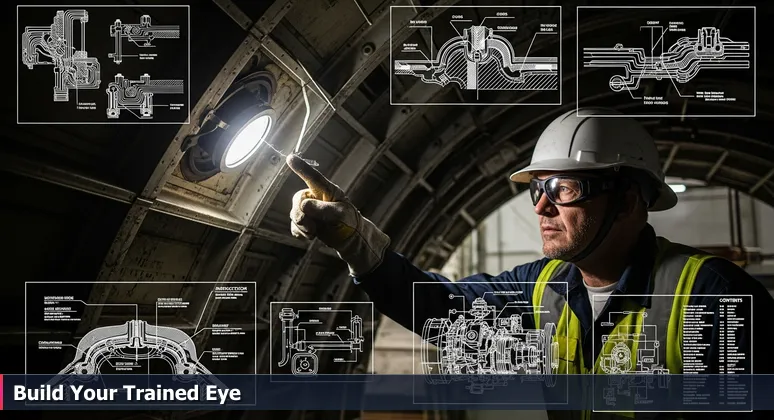
The most critical flaw isn't the one flashing in red on a screen; it’s the one you never thought to look for. Imagine an engineer in the Everett factory, their trained eye spotting a hairline crack on a hydraulic fitting - a flaw invisible to a casual glance but catastrophic if missed. This is the essence of cybersecurity mastery in Marysville: developing the specialized vision to protect the unique, physical-critical systems that power our local economy.
True expertise here isn't about generic "online safety." It’s about understanding the specific digital architecture of the assets in your backyard. As industry analysts note, the demand for professionals who can secure AI-driven environments and bridge the gap between digital and physical systems is particularly acute in our region. This creates a market where a specialized defender is invaluable.
This need translates into significant local opportunity. According to ZipRecruiter data, the average annual salary for a Cyber Security Analyst in Marysville is $109,306, with top earners in senior roles securing vital assets commanding $255,000+. This is driven by high-stakes work in sectors that define Snohomish County.
Your first task isn't to ask "Who's hiring?" but to identify what unique systems need a guardian. The critical sectors demanding a trained eye include:
- Aerospace & Defense: Protecting embedded avionics and the manufacturing supply chain from threats that could ground a fleet.
- Tribal Enterprises & Hospitality: Securing the integrity of high-volume financial transactions and gaming systems at venues like the Tulalip Resort Casino.
- Healthcare & Critical Infrastructure: Defending life-sustaining systems, from patient data at Providence Regional Medical Center to the regional power grid, against ransomware and state-sponsored attacks.
Developing this vision is what separates a generic job seeker from a location-aware defender, turning the local landscape into a career of profound impact and stability.
In This Guide
- Mastering Cybersecurity in Marysville's Unique Landscape
- 2026 Cybersecurity Outlook: Opportunities in Snohomish County
- Securing Aerospace and Defense in Everett's Backyard
- Cybersecurity for Tribal Enterprises and Local Commerce
- Defending Healthcare and Critical Infrastructure in Snohomish
- Veteran Pathways from Naval Station Everett to Cybersecurity
- Building Your Trained Eye: Education and Certifications
- Your Role in Protecting the Marysville Ecosystem
- Frequently Asked Questions
Explore salary expectations and job markets for AI roles in Marysville, WA in our guide.
2026 Cybersecurity Outlook: Opportunities in Snohomish County
The cybersecurity job market across the Greater Seattle area remains robust, fueled by a persistent global talent shortage. For Marysville and Snohomish County residents, however, the opportunity is uniquely sculpted by our proximity to physical-world giants where digital systems meet critical infrastructure. This creates a distinct hiring landscape where niche, high-stakes expertise is prioritized over generic IT skills.
A key driver is the rapid integration of AI. As industry analysis on Medium predicts, 2026 is the year "AI-native cybersecurity teams become the norm." This evolution amplifies demand in our region, where AI and automation are being woven into aircraft manufacturing lines, regional power grids, and healthcare systems, requiring professionals who can secure these intelligent environments.
Financially, the outlook is compelling. The average cybersecurity salary in Marysville is a competitive $109,306, significantly enhanced by Washington state’s lack of a state income tax. This means take-home pay goes further compared to roles across Lake Washington. Entry-level positions in Washington state average around $112,402, providing a strong starting point for new defenders.
Local demand is defined by several converging factors:
- Physical-Digital Convergence: High demand for roles securing industrial control systems (ICS), embedded avionics, and critical infrastructure.
- Regulatory Pressure: Evolving Washington privacy laws and federal mandates like CMMC compliance for defense contractors drive specialized hiring.
- Military Pipeline: Naval Station Everett provides a steady stream of veterans with security clearances and hands-on system experience, feeding directly into defense and aerospace roles.
While the entry-level market nationally is competitive, expert consensus indicates that those with technical experience and certifications in cloud security or threat intelligence face exceptional demand here, especially within the high-concentration industries that are the backbone of our local economy.
Securing Aerospace and Defense in Everett's Backyard
Centered on the Boeing Everett Factory and the dense ecosystem of advanced manufacturers and defense contractors around Paine Field, this sector is the bedrock of the Snohomish County economy. It represents the most concentrated demand for cybersecurity talent that understands how to secure embedded avionics, protect classified data, and defend industrial control systems on the factory floor.
Key local employers are hiring for highly specialized roles. The Boeing Company consistently seeks Product Security Engineers for avionics, Information System Security Officers (ISSOs), and Security Operations Managers. Furthermore, a vast network of aerospace suppliers throughout Arlington, Mukilteo, and Everett require experts to meet stringent defense contracting requirements, with active hiring confirmed in adjacent areas like Oak Harbor for defense contractor roles.
The financial and professional bar is set high in this field. Mid-level roles often command $96,900 to $131,100, while senior or staff-level positions involving classified programs or specialized product security can reach $255,000+. To reach these roles, specific certifications are non-negotiable:
- CISSP is the gold standard for advanced positions.
- GIAC’s GICSP is critical for roles securing operational technology (OT) on the factory floor.
- Any role supporting Department of Defense contracts requires DoD 8570 baseline certifications like Security+ or CASP+.
The distinct "local flaw" here is the aircraft supply chain. A cybersecurity analyst for a local machine shop manufacturing Boeing parts isn't just defending an ERP system; they are ensuring digital blueprints for a critical wing component cannot be tampered with - a matter of national security. This requires the trained eye to see threats that bridge the digital and physical worlds, securing the very integrity of flight.
Cybersecurity for Tribal Enterprises and Local Commerce
Often overlooked by those fixated on "big tech," the cybersecurity needs of the Tulalip Tribes are among the largest and most dynamic in the Marysville area. Protecting the operations of the Tulalip Resort Casino and associated enterprises offers a unique career path that critically blends IT security, physical security, and highly regulated financial commerce.
This sector hires for specialized roles to guard its economic engine. Key local employers include Tulalip Tribes IT & Gaming Operations, which seeks Information Security Officers and Network Administrators, and the casino itself, which requires specialized Gaming Technicians with security responsibilities. Large retail and hospitality venues in Quil Ceda Village also need professionals to secure point-of-sale systems and vast amounts of sensitive guest data.
The financial and professional pathway here is distinct. While physical Security Officer roles start around $23.86/hour, professional IT and cybersecurity positions within the tribal enterprises typically range from $75,000 to $130,000, depending on seniority. Required credentials often begin with the CompTIA Security+ certification, with more advanced penetration testing roles valuing the CEH (Certified Ethical Hacker) certification. All positions require the ability to obtain specialized tribal gaming licenses.
The primary "local flaw" is the protection of high-volume transactional data and gaming system integrity. A security analyst for the casino must defend against sophisticated fraud targeting slot machines and card games, secure the mountains of personal and financial data from hotel and loyalty programs, and ensure the 24/7 availability of these systems. A breach here isn't just a data leak; it's a direct hit to the economic engine and sovereignty of the community, making the defender's role absolutely critical.
Defending Healthcare and Critical Infrastructure in Snohomish
This sector encompasses the essential, life-sustaining services that keep Snohomish County running: healthcare, electricity, water, and public education. The threats here are uniquely critical, with ransomware attacks or system manipulations carrying potentially fatal consequences, driving urgent demand for specialized defenders.
Major local employers are actively building robust security teams. Providence Regional Medical Center Everett hires roles like Principal Cyber Threat Intelligence Engineer to combat ransomware and protect sensitive patient data (PHI). Utilities like Snohomish County PUD and Puget Sound Energy need OT/ICS Security Specialists to defend the physical power grid and water systems from state-sponsored threats.
Compensation reflects the high stakes and specialized knowledge required. Senior healthcare cybersecurity roles can command $148,000 to $252,000 annually, while senior utility roles focusing on SCADA and operational technology security offer $98,600 to $130,500. Public sector roles in school districts or city government may offer slightly lower base pay but often provide superior benefits and work-life balance.
The required certifications and skills are tailored to these life-critical environments. CISM and CISSP are highly sought for management roles, while GIAC’s GICSP is essential for hands-on utility work. Compliance with evolving Washington state laws like the My Health My Data Act also drives demand for privacy-focused expertise.
The definitive "local flaw" is the threat to life-sustaining infrastructure itself. An ICS security specialist at the local power utility isn't just monitoring network logs; they are ensuring that threat actors cannot remotely manipulate pressure valves in the water system or trip breakers on the electrical grid for Marysville and Mill Creek. This requires deep knowledge of proprietary OT protocols seldom covered in standard corporate IT training, embodying the ultimate weight of the trained eye.
Veteran Pathways from Naval Station Everett to Cybersecurity
Naval Station Everett provides a direct and powerful pipeline into the local cybersecurity workforce. Veterans separating from service possess invaluable assets: active security clearances, hands-on experience with complex classified systems, and a disciplined operational mindset. These attributes are immediately applicable and highly sought after by defense contractors and other high-security employers throughout Snohomish County.
This transition is facilitated by established pathways. Many military IT and cryptologic technicians already hold the Security+ certification required by the DoD 8570 directive, making them immediately eligible for roles as Information Systems Security Officers (ISSOs). Federal agencies and contractors actively recruit through platforms like USAJOBS, with the Defense Logistics Agency and U.S. Navy posting cybersecurity positions applicable to the Marysville area that often prioritize veteran candidates.
For a veteran in Marysville, the actionable pathway is clear and leverages local advantages:
- Leverage Existing Credentials: Translate your military occupational specialty and any held certifications (like Security+) directly onto your resume. Your clearance is a top-tier asset.
- Target Federal and Contractor Roles: Search for "Information Technology Specialist (INFOSEC)" positions on USAJOBS with a location filter for Washington, and apply directly to the cybersecurity teams at Boeing and its vast network of regional suppliers.
- Bridge Skill Gaps Efficiently: Use focused, practical training like a 15-week cybersecurity bootcamp to rapidly translate military experience into the specific frameworks and tools used in civilian critical infrastructure or aerospace roles.
This pathway allows veterans to often bypass the most competitive entry-level filters faced by civilian career-changers, offering a fast track into a stable, well-compensated career defending the nation's assets right here in their community, with the added financial benefit of Washington’s no state income tax.
Building Your Trained Eye: Education and Certifications
The path to developing your "trained eye" requires a strategic, focused approach to building the precise skills that defend local assets. As noted in industry discussions, the days of getting one certification and walking into a job are over; hands-on experience and a specific focus are now essential for success in the 2026 market.
Foundational and Practical Education
For career-changers and those building foundational skills, intensive, practical training is key. Local community colleges like Everett Community College offer strong networking fundamentals, while bootcamps provide accelerated pathways. For example, the Nucamp Cybersecurity Bootcamp offers a 15-week, affordable program tailored for residents looking to break into the Snohomish County job market, emphasizing the hands-on practice that employers demand.
Strategic Certification Pathways
Your certification strategy must mirror the local sector you target. Start with the universal foundation of CompTIA Security+. Then, specialize based on the industry:
- Aerospace/Defense/Government: Advance to CASP+ for DoD 8570 compliance, then aim for the gold-standard CISSP.
- Healthcare & Critical Infrastructure: Target CISM for management or GIAC’s GICSP for hands-on operational technology (OT) security.
- Offensive Security & Testing: Pursue CEH (Certified Ethical Hacker) or the rigorous OSCP for roles testing casino or retail systems.
Gaining Crucial Experience
Combine education with tangible experience. Pursue internships with major employers like Boeing, which offers Summer internships in Information Security. Build a home lab to experiment, and consider offering pro-bono vulnerability assessments for a small local non-profit or business. Many professionals successfully transition from internal IT roles, such as a System Administrator for the Marysville School District, gaining invaluable insider knowledge of the systems they will later defend.
Your Role in Protecting the Marysville Ecosystem
The transformed perspective is this: Marysville is not a passive backdrop for a generic cybersecurity career. It is an active ecosystem of unique, physical-critical targets - from the world’s largest building in Everett assembling 777s, to the bustling casino floor funding tribal sovereignty, to the hospital keeping our community healthy and the grid powering our homes. Each requires a defender with a "trained eye" for its specific vulnerabilities.
Your role is to become that specialized guardian. The 2026 hiring landscape here is defined by this demand for niche expertise. While tech giants hire remotely, some of the most stable and mission-critical opportunities are with the employers you drive past every day. They offer competitive salaries, like the local average of $109,306, significantly enhanced by Washington’s no state income tax, clear pathways for advancement, and the profound satisfaction of knowing your work directly safeguards your community.
Your journey begins by asking the right question, as outlined at the start of this guide. Don't just ask "Who's hiring?" Look around Snohomish County. What critical system - be it an aircraft's avionics at Boeing, a casino's financial transactions, or a hospital's patient records - calls to you? Then, commit to building the precise vision needed to protect it. In defending these local assets, you secure not just a future-proof career, but the very economy and way of life of the place you call home.
Frequently Asked Questions
Who's hiring cybersecurity professionals in Marysville, WA in 2026?
Major local employers like Boeing in Everett, the Tulalip Tribes, and Providence Regional Medical Center are actively hiring for roles such as Product Security Engineers and Information Security Officers. The dense aerospace supplier network around Paine Field and utilities like Snohomish County PUD also offer numerous opportunities, especially for those skilled in securing industrial systems.
What salaries can cybersecurity professionals earn in Marysville?
In Marysville, the average salary for a Cyber Security Analyst is $109,306, with senior roles in high-stakes sectors like aerospace and healthcare reaching over $255,000. Thanks to Washington's no state income tax, these salaries go further, making local positions competitively attractive compared to Seattle or Redmond.
How does the local aerospace industry affect cybersecurity job opportunities?
Boeing's Everett factory and surrounding defense contractors drive demand for cybersecurity pros who can secure embedded avionics and supply chains, with roles often paying $96,900 to $131,100 for mid-level positions. Specialized certifications like CISSP are crucial here, and the work involves protecting physical-critical systems unique to Snohomish County's economy.
Are there good pathways for veterans to enter cybersecurity in Marysville?
Yes, veterans from Naval Station Everett can leverage security clearances and military IT experience to secure roles at Boeing or defense contractors, often bypassing entry-level competition. Certifications like Security+ from DoD 8570 compliance make them highly attractive for positions as Information Systems Security Officers in the local market.
What certifications should I focus on for cybersecurity jobs in Marysville?
Start with CompTIA Security+ as a universal foundation. For aerospace and defense, aim for CISSP; for healthcare, CISM; and for industrial control systems, GIAC's GICSP is key. Local bootcamps like Nucamp can help you build these skills tailored to Snohomish County's specific employer needs.
Check the 2026 list of top tech employers in Marysville, WA for salary insights.
In 2026, Marysville's tech salary vs living cost scenario is examined in detail here.
This resource highlights Tulalip Tribes IT apprenticeship opportunities for culturally anchored training.
Explore tech coworking spaces in the Marysville-Everett corridor to tap into local industry connections.
For local resources on paying for coding bootcamps in Marysville, refer to this guide.

Irene Holden
Operations Manager
Former Microsoft Education and Learning Futures Group team member, Irene now oversees instructors at Nucamp while writing about everything tech - from careers to coding bootcamps.